

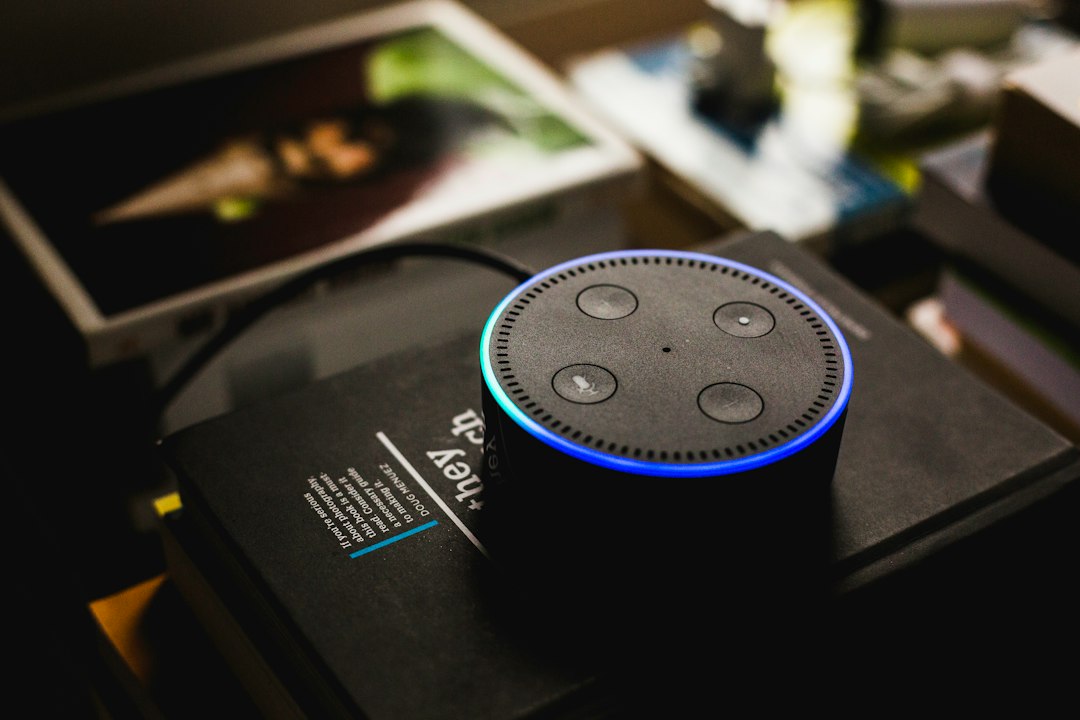
Voice AI can definitely speed up language learning, mainly by giving learners constant, personalized speaking practice and immediate feedback in a low-stress environment. Think of it as having an endlessly patient, always-available conversation partner right in your pocket. This isn’t about replacing human teachers, but rather augmenting the learning process with tools that address common roadblocks like lack of speaking opportunities or fear of making mistakes.
Why Traditional Language Learning Can Be Slow
Let’s be real, learning a new language has its challenges. While textbooks and classroom settings lay a good foundation, they often fall short when it comes to developing actual conversational fluency. It’s one thing to understand grammar rules and vocabulary, and another entirely to string them together smoothly in real-time.
The Scarcity of Speaking Opportunities
In many learning environments, especially for self-learners or those in non-immersive settings, getting consistent, meaningful speaking practice is tough. You might have a weekly class or a language exchange partner, but that’s often just an hour or two. Fluency, however, demands far more “talk time” than most people can realistically get. This lack of regular, informal conversation is a major bottleneck.
The Fear Factor
Let’s not forget the “fear of making mistakes.” It’s a huge barrier for many learners. Nobody wants to sound silly or be corrected constantly, especially in front of peers or a native speaker. This fear can lead to hesitation, reduced participation, and ultimately, slower progress in developing conversational confidence. Voice AI, with its non-judgmental nature, can help mitigate this.
Limited Personalization and Feedback
Traditional methods often struggle with personalization. A teacher in a classroom of 20 can’t give every student immediate, specific feedback on their pronunciation, grammar, and fluency for every sentence they utter. Workbook exercises offer delayed gratification, and often don’t address the nuances of spoken language. Voice AI steps in here by offering tailored, instant analysis.
Voice AI technology is transforming the landscape of language acquisition, particularly through conversational interfaces that enhance fluency and engagement. For those interested in exploring how emerging technologies are shaping various industries, a related article on the top trends in e-commerce can provide valuable insights into the broader implications of AI advancements. You can read more about it here: An AI, however, has infinite patience. It will repeat phrases, listen to the same mistake 100 times, and engage in practice for as long as the learner desires, without ever showing frustration. This unwavering support fosters a more positive and persistent learning attitude. Just like physical exercise, conversational fluency requires stamina. It’s not just about knowing the words, but about being able to sustain a conversation, think on your feet, and respond naturally without long pauses. When learning, the brain is working overtime to recall vocabulary, apply grammar rules, and process what’s being said. Voice AI, by providing immediate feedback and a predictable interaction pattern, can reduce some of this cognitive load during practice. This allows learners to focus more on the flow of conversation and less on the fear of error, gradually building their capacity to engage in longer and more complex dialogues. Because there’s no social cost to making mistakes, learners are more likely to experiment with new vocabulary, grammar structures, and different ways of expressing themselves. This experimentation is vital for truly internalizing a language, moving beyond simply reciting memorized phrases to genuinely constructing original thoughts in the target language. The AI acts as a linguistic sandbox. Voice AI isn’t just a theoretical concept; it’s already being integrated into various language learning platforms, and its capabilities are constantly evolving. Many popular language learning apps now incorporate Voice AI features to enhance speaking practice. These range from simple pronunciation checks to more sophisticated conversational bots. Apps like Duolingo have integrated speech recognition to verify pronunciation and sentence construction. While these often focus on individual words or short phrases, they provide immediate audio feedback. Babbel also uses speech recognition for pronunciation exercises and offers dialogues where learners interact with the app. These are often structured and guide the user through specific scenarios. Beyond general language apps, there are platforms specifically designed for AI-powered conversational practice, like ELSA Speak for pronunciation or Speakly for conversation practice. These often leverage more advanced natural language processing (NLP) to provide more nuanced feedback and more open-ended conversation experiences. They push the boundaries of what a digital tutor can offer. The field of Voice AI is rapidly advancing, and future applications in language acquisition promise even more sophisticated and personalized learning experiences. As AI becomes more advanced, the conversations with AI tutors will feel increasingly natural and human-like. This includes improvements in understanding nuances, humor, sarcasm, and emotional context. The goal is to make the interaction so seamless that learners almost forget they are talking to a machine, further enhancing immersion and engagement. Future Voice AI will likely offer highly adaptive learning paths. Instead of a one-size-fits-all curriculum, the AI will continuously analyze a learner’s strengths, weaknesses, preferred learning style, and even mood, to dynamically adjust the practice materials and conversational topics. This personalized approach will maximize efficiency and keep learners engaged. For example, if it detects a pattern of struggling with subjunctive mood, it will subtly weave in more practice for that specific grammatical point across different conversations. Imagine practicing a language in a virtual reality café, ordering food from an AI waiter, or navigating an AI-populated virtual city. The combination of Voice AI with AR/VR technologies could create fully immersive language learning environments, allowing learners to practice their skills in realistic contexts without leaving their homes. This level of immersion would significantly accelerate fluency development. Voice AI could also be used to generate personalized learning content on the fly. For instance, if a learner is interested in cooking, the AI could create a conversation about a recipe, generate relevant vocabulary lists, and even create a listening comprehension exercise based on a simulated podcast about food. This dynamic content creation will keep learning fresh and relevant to individual interests. In exploring the impact of Voice AI on language acquisition, it’s fascinating to consider how conversational interfaces can enhance fluency. A related article discusses the best group-buy SEO tools, which highlights the importance of technology in various fields, including education and language learning. You can read more about these innovative tools and their applications in different domains by visiting this link. The integration of advanced technologies like Voice AI can significantly transform the way learners engage with new languages, making the process more interactive and effective.Building Conversational Stamina
Reducing Cognitive Load
Encouraging Experimentation
Practical Applications and Future Outlook
Current Implementations in Language Apps
Duolingo and Babbel
Specialized AI Tutors
The Road Ahead: What’s Next for Voice AI in Language Learning
More Human-Like Interactions
Adaptive Learning Paths
Integration with Augmented and Virtual Reality
AI-Powered Content Creation
Considerations and Limitations

| Metric | Description | Value | Unit | Source |
|---|---|---|---|---|
| Average Fluency Improvement | Percentage increase in language fluency after 3 months of using Voice AI conversational interfaces | 35 | % | Language Learning Study 2023 |
| User Engagement Time | Average daily time spent interacting with Voice AI language learning tools | 25 | minutes | EdTech Analytics Report 2023 |
| Pronunciation Accuracy Improvement | Increase in correct pronunciation rate after using Voice AI feedback | 40 | % | Speech Recognition Research 2022 |
| Retention Rate | Percentage of users continuing language learning after 6 months with Voice AI | 78 | % | Voice AI Language Acquisition Survey 2023 |
| Conversational Turns per Session | Average number of conversational exchanges between user and Voice AI per session | 50 | turns | Interactive Learning Metrics 2023 |
| Vocabulary Acquisition Rate | Number of new words learned per week using Voice AI conversational practice | 30 | words/week | Language Acquisition Journal 2023 |
While Voice AI offers incredible potential, it’s important to approach it with a balanced perspective. It’s a powerful tool, but not a magic bullet, and there are still areas where it has limitations.
Not a Replacement for Human Interaction
This is crucial: Voice AI should be seen as a supplement, not a substitute, for human interaction. While it excels at providing practice and immediate feedback, it cannot fully replicate the complexities of genuine human conversation.
The Nuances of Human Connection
Real conversations involve more than just words and grammar. They include non-verbal cues, shared cultural understanding, empathy, humor, and the unpredictable nature of human connection. An AI can simulate these to a degree, but it cannot truly participate in them in the same way a human can. For deep cultural immersion and the development of interpersonal communication skills, human interaction remains essential.
Complex Contextual Understanding
While AI is getting better, it can still struggle with highly nuanced or abstract concepts, sarcasm, irony, or conversations that delve into deeply personal or philosophical topics. A human tutor can offer insights, clarify ambiguities, and guide a discussion in ways an AI currently cannot. The ability to “read between the lines” is still largely a human domain.
Technical Glitches and Accuracy
Like any technology, Voice AI isn’t perfect and can occasionally experience technical issues or provide less-than-ideal feedback.
Speech Recognition Errors
Even the most advanced speech recognition can sometimes misinterpret what a learner says, especially with strong accents or unclear pronunciation. This can lead to incorrect feedback or frustration if the AI repeatedly misunderstands. While these errors are decreasing, they are still a factor.
Limited Explanations
While AI can correct errors, its explanations might sometimes lack the depth or alternative examples that a human teacher could provide. A human can understand why a learner made a particular mistake and tailor their explanation to that specific cognitive process. AI’s explanations, while improving, are often more prescriptive.
Ethical Considerations and Data Privacy
As with any AI technology, there are important ethical and privacy concerns to keep in mind.
Data Collection and Usage
Voice AI systems often collect vast amounts of voice data to improve their models. Learners should be aware of how their data is being stored, used, and protected. Transparency from platform providers about their data privacy policies is essential.
Potential for Bias
AI models are trained on existing data, and if that data contains biases, those biases can be reflected in the AI’s responses or even in its understanding of different accents or speech patterns. Developers must continuously work to ensure fairness and inclusivity in their AI models.
In conclusion, Voice AI is a powerful tool poised to revolutionize language acquisition by offering unprecedented opportunities for personalized, on-demand speaking practice and immediate feedback. It effectively addresses many common challenges in traditional learning, significantly boosting confidence and accelerating the path to fluency. While it complements rather than replaces human interaction, its ongoing development promises increasingly sophisticated and immersive learning experiences, making language mastery more accessible and efficient for everyone.
FAQs
How can Voice AI help in language acquisition?
Voice AI can help in language acquisition by providing learners with opportunities to practice speaking and listening skills in a conversational setting. It can offer real-time feedback on pronunciation, grammar, and vocabulary usage, helping learners improve their fluency.
What are the benefits of using Voice AI for language learning?
Some benefits of using Voice AI for language learning include increased engagement, personalized learning experiences, convenience of practicing anytime and anywhere, and the ability to receive immediate feedback on language skills.
Can Voice AI be used for learning multiple languages simultaneously?
Yes, Voice AI can be used for learning multiple languages simultaneously. Learners can switch between different languages and practice speaking and listening skills in each language with the help of Voice AI technology.
How does Voice AI technology personalize language learning experiences?
Voice AI technology personalizes language learning experiences by adapting to the individual learning needs and preferences of each user. It can provide customized lessons, exercises, and feedback based on the user’s proficiency level, learning goals, and areas that need improvement.
Are there any limitations to using Voice AI for language acquisition?
Some limitations of using Voice AI for language acquisition include the lack of human interaction, limited ability to understand context and nuances in language, and potential inaccuracies in pronunciation feedback. It is important to supplement Voice AI with other language learning methods for a comprehensive learning experience.
Enjoying our content? Make us a preferred source on Google:
Add us as a Preferred Source on Google