

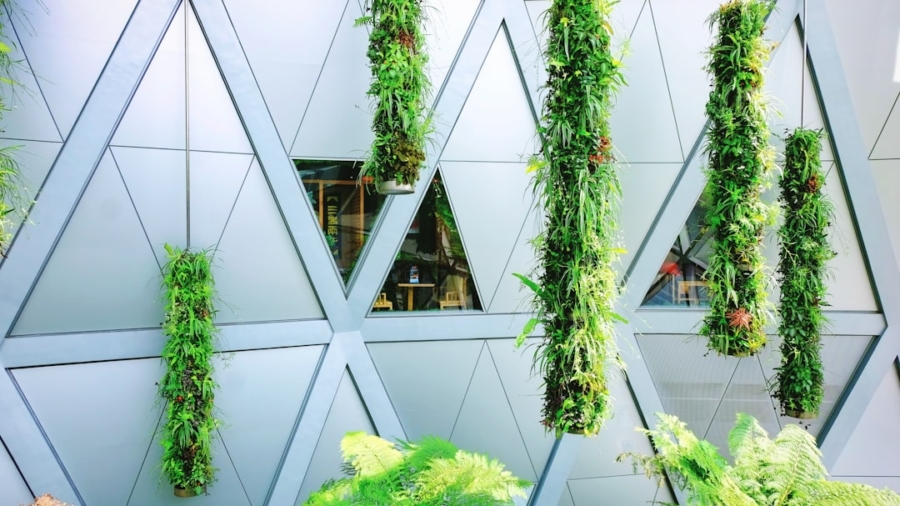
So, how do vertical farms actually manage to grow so much food with so little? It boils down to a clever combination of controlled environments, stackable growing spaces, and precise resource management. Think of it like building up instead of out, and giving each plant exactly what it needs, when it needs it. This approach dramatically increases the amount of produce you can harvest from a small footprint while cutting down on water and other inputs.
Traditional farming spreads across vast fields. Vertical farming, as the name suggests, stacks crops in layers, often indoors. This immediately addresses one of the biggest challenges of modern agriculture: land availability.
As urban populations grow and arable land shrinks, making the most of every square foot becomes crucial.
Why Stacking Makes a Difference
When you stack crops, you’re essentially creating multiple “fields” in the same footprint. Imagine a 10-story building where every floor is a farm. This multiplies your growing area significantly. It’s not just about more space, though. Each layer offers an opportunity for individual optimization.
The Urban Advantage
By bringing farms into or near cities, vertical farming slashes transportation costs and emissions. Fresh produce can go from “farm to fork” in hours, not days, meaning less spoilage and more nutrients reaching consumers. This significantly reduces the carbon footprint associated with getting food to our plates.
In exploring innovative agricultural practices, the article on Vertical Farming Solutions highlights how these systems can significantly enhance crop yields while utilizing minimal resources. For further insights into optimizing efficiency in various fields, you might find the article on the best tablets for on-stage lyrics quite interesting, as it discusses technology that can aid in performance and productivity. You can read it here: Discover the Best Tablet for On-Stage Lyrics Today.
Key Takeaways
- Clear communication is essential for effective teamwork
- Active listening is crucial for understanding team members’ perspectives
- Conflict resolution skills are necessary for managing disagreements
- Trust and respect are the foundation of a successful team
- Collaboration and cooperation are key for achieving common goals
Creating the Perfect Environment: Climate Control is Key
Unlike open fields where growers are at the mercy of the weather, vertical farms offer a completely controlled growing environment. This is where a lot of the magic happens in terms of maximizing yield and minimizing resource use.
Light: The Artificial Sun
Without natural sunlight, vertical farms rely on artificial lighting, primarily LEDs. This isn’t just about brightness; it’s about spectrum. Different plants have different light needs at various stages of growth. LEDs can be tuned to emit specific wavelengths (like red and blue, which are crucial for photosynthesis), optimizing plant growth and even influencing flavor profiles.
- Precision Lighting: Instead of a broad spectrum, targeted wavelengths encourage flowering, leaf growth, or fruit development as needed. This tailored approach ensures plants get exactly the light they require, reducing energy waste and accelerating growth.
- Energy Efficiency: Modern LEDs are becoming incredibly efficient, lasting longer and consuming less power than traditional grow lights. This is a critical factor in making vertical farms economically viable.
Temperature and Humidity: Goldilocks Conditions
Maintaining a constant, optimal temperature and humidity level prevents stress on plants. Fluctuations in outdoor weather can significantly impact crop growth and yield. Indoors, sensors constantly monitor these parameters, and HVAC systems adjust accordingly, ensuring plants are always in their “comfort zone.”
- Minimizing Plant Stress: Consistent conditions prevent issues like bolting (premature flowering) due to heat stress or fungal diseases from high humidity. Happy plants grow faster and produce more.
- Tailoring to Crop Needs: Different crops thrive in different conditions. A vertical farm can create microclimates within different sections, allowing for a wider variety of plants to be grown simultaneously.
CO2 Enrichment: Fueling Photosynthesis
Plants use CO2 for photosynthesis. In a closed environment, CO2 levels can be precisely controlled and even augmented. Increasing CO2 levels (within safe limits) can significantly boost growth rates and yields, particularly when light and nutrients are also optimized.
- Accelerated Growth: More CO2 means more fuel for photosynthesis, leading to faster plant development and a quicker harvest cycle.
- Recycling Air: Some systems capture and reuse the CO2 exhaled by humans or generated by other processes, further minimizing waste.
Resource Efficiency: Doing More with Less

One of the most compelling aspects of vertical farming is its incredible efficiency when it comes to precious resources, especially water.
Water: The Ultimate Conservationist
Vertical farms typically use recirculating hydroponic or aeroponic systems. This means water isn’t lost to evaporation, runoff, or deep soil penetration as it is in traditional farming. Water is captured, filtered, and reused, often leading to a 90-95% reduction in water usage compared to conventional methods.
- Hydroponics: Plants grow in nutrient-rich water solutions instead of soil.
This direct contact with nutrients and water makes absorption highly efficient.
- Aeroponics: Plants are suspended in the air, and their roots are misted with nutrient-rich water. This method uses even less water than hydroponics and can lead to faster growth due to increased oxygen exposure to the roots.
- Aquaponics: Combines aquaculture (raising fish) with hydroponics. Fish waste provides nutrients for the plants, and the plants filter the water for the fish, creating a symbiotic, closed-loop system.
Nutrients: Precision Delivery
In hydroponic and aeroponic systems, nutrients are mixed directly into the water supply.
This allows for precise control over the nutrient mix, tailoring it to the specific needs of each crop at different growth stages. There’s no nutrient runoff into surrounding ecosystems, a common problem with traditional fertilizers.
- Waste Reduction: Nutrients are directly delivered to the plant’s roots, minimizing waste and preventing environmental contamination.
- Optimized Formulation: Expertly formulated nutrient solutions provide exactly what plants need for robust growth, avoiding deficiencies or excesses that can hinder development.
Pest and Disease Management: A Sterile Environment
Growing indoors in a controlled environment drastically reduces the risk of pests and diseases. There are no external insects flying in or soil-borne pathogens to contend with.
This means little to no need for pesticides or herbicides, making the produce much cleaner and safer.
- Reduced Chemical Use: Eliminating pesticides and herbicides is a huge win for both the environment and human health.
- Quarantine and Prevention: Strict protocols for entering a vertical farm (e.g., air showers, disinfected clothing) prevent external contaminants from entering, maintaining the clean environment.
Automation and Data: The Smart Farm

Modern vertical farms aren’t just stacks of plants; they’re sophisticated, data-driven operations. Automation and real-time monitoring are crucial for optimizing yields and minimizing human error.
Sensors and Monitoring: Constant Vigilance
An array of sensors continuously monitors everything: light intensity, temperature, humidity, CO2 levels, nutrient concentration, pH of the water, and even plant growth. This constant stream of data provides a highly detailed picture of the growing conditions.
- Early Problem Detection: Anomalies in sensor data can alert operators to potential issues before they become serious problems, allowing for quick intervention.
- Historical Data Analysis: Tracking data over time helps identify optimal growing conditions for specific crops, leading to continuous improvement and higher yields.
Robotics and AI: The Future of Farming
While not ubiquitous yet, robotics and artificial intelligence are playing an increasing role in vertical farming. Robotic systems can handle tasks like planting, harvesting, monitoring individual plant health, and even precise spot treatment for any emerging issues. AI algorithms can analyze vast amounts of sensor data to predict optimal growing conditions and adjust environmental parameters automatically.
- Labor Efficiency: Robots can perform repetitive tasks, reducing the need for manual labor and allowing human staff to focus on more complex management and oversight.
- Precision Agriculture: AI can identify subtle changes in plant health that might be missed by the human eye, enabling preventative measures and optimizing growth trajectories.
- Predictive Analytics: AI can learn from past growth cycles and environmental data to predict future yields and optimize resource allocation.
In exploring innovative agricultural practices, the concept of vertical farming has gained significant attention for its ability to maximize crop yields while utilizing minimal resources. A related article discusses the best laptops for video and photo editing, which can be essential tools for documenting and analyzing the progress of vertical farming projects. For those interested in the intersection of technology and agriculture, this resource can provide valuable insights into how to effectively present and manage data. You can read more about it in this article.
Economic and Environmental Benefits: A Sustainable Future?
| Metrics | Data |
|---|---|
| Crop Type | Leafy greens, herbs, tomatoes, strawberries |
| Yield Increase | Up to 30 times more per acre compared to traditional farming |
| Water Usage | Up to 90% less water used |
| Land Usage | Up to 95% less land used |
| Energy Consumption | Up to 50% less energy used |
Beyond the technical marvels, vertical farming offers a host of compelling benefits that address critical global challenges.
Year-Round Production: Consistency and Reliability
Because the internal environment is always controlled, vertical farms aren’t subject to seasonal changes. This means they can produce crops year-round, ensuring a consistent supply of fresh produce regardless of external weather patterns or climate change impacts.
- Food Security: Year-round production contributes to more stable food supplies, especially in regions with challenging climates or limited growing seasons.
- Predictable Harvests: Eliminates the uncertainty associated with outdoor farming, making supply chains more reliable for consumers and retailers.
Reduced Land Use: Preserving Ecosystems
The most obvious benefit: vertical farms significantly reduce the amount of land needed for agriculture. This frees up traditional agricultural land for reforestation, biodiversity preservation, or other uses, helping to mitigate habitat loss and soil degradation.
- Protecting Arable Land: As global populations grow, arable land is under increasing pressure. Vertical farming offers a solution to feed more people without expanding agricultural footprints.
- Regenerating Ecosystems: Less land used for farming means more land can be dedicated to natural habitats, supporting biodiversity and ecosystem health.
Minimal Environmental Impact: A Greener Footprint
From dramatically reduced water usage to eliminating pesticide runoff and lowering transportation emissions, vertical farming has a significantly smaller environmental footprint compared to conventional agriculture.
- Water Conservation: As mentioned, water savings are immense, a critical factor in water-stressed regions.
- No Pesticide/Herbicide Contamination: Protects waterways and surrounding ecosystems from chemical runoff.
- Reduced Carbon Emissions: Localized production drastically cuts down on emissions from transportation and refrigerated storage.
Local Food Production: Stronger Communities
By locating farms closer to consumers, vertical farming shortens the supply chain. This means fresher food, less spoilage, and supports local economies. It also allows communities to have more control over their food sources, enhancing food resilience.
- Fresher Produce: Shorter travel times mean produce is harvested closer to optimal ripeness and loses fewer nutrients during transport.
- Supports Local Economies: Creates new jobs in urban agriculture and provides fresh food directly to local markets and restaurants.
- Increased Food Resilience: Reduces reliance on long, vulnerable supply chains, making communities less susceptible to disruptions in food supply.
The Challenges and the Road Ahead
While promising, vertical farming isn’t without its hurdles. Energy consumption for lighting and climate control can be substantial, and the initial capital investment is high. Finding cost-effective ways to scale these operations and make the produce affordable for everyone remains a key focus for researchers and entrepreneurs. However, with ongoing advancements in LED efficiency, automation, and renewable energy integration, vertical farming continues to push the boundaries of sustainable food production, offering a truly innovative solution to feed our growing world with minimal impact on our planet.
FAQs
What is vertical farming?
Vertical farming is a method of growing crops in vertically stacked layers, often in controlled environments such as warehouses or skyscrapers. This approach allows for year-round production and maximizes crop yields using minimal space and resources.
What are the benefits of vertical farming solutions?
Vertical farming solutions offer several benefits, including higher crop yields per square foot, reduced water usage, minimal reliance on pesticides, and the ability to grow crops in urban areas closer to consumers. Additionally, vertical farming can help mitigate the environmental impact of traditional agriculture by reducing transportation and land use.
What resources are used in vertical farming?
Vertical farming utilizes a variety of resources, including LED lighting, hydroponic or aeroponic systems for water and nutrient delivery, and climate control systems to maintain optimal growing conditions. Additionally, vertical farms may incorporate automation and data analytics to monitor and optimize crop growth.
How does vertical farming maximize crop yields?
Vertical farming maximizes crop yields by utilizing vertical space efficiently, allowing for multiple layers of crops to be grown in the same footprint. Additionally, the controlled environment of vertical farms enables precise management of light, water, and nutrients, leading to faster growth and higher yields compared to traditional farming methods.
What types of crops can be grown using vertical farming solutions?
A wide variety of crops can be grown using vertical farming solutions, including leafy greens, herbs, strawberries, tomatoes, and even certain root vegetables. The controlled environment of vertical farms allows for the cultivation of a diverse range of crops, making it a versatile and sustainable method of food production.
Enjoying our content? Make us a preferred source on Google:
Add us as a Preferred Source on Google