

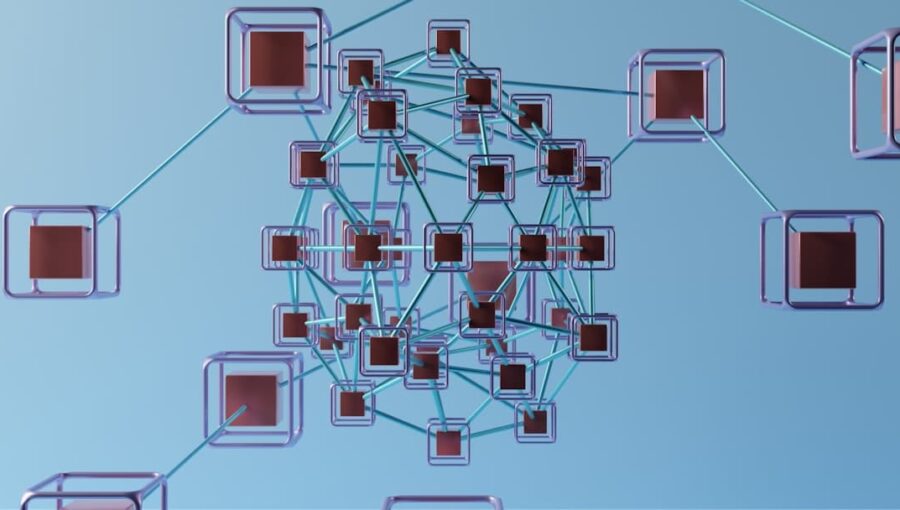
You’ve probably heard a lot about network segmentation, and it’s a really good idea for making your company more secure. But what exactly is advanced network segmentation, and how can it actually help block threats? Think of it like this: instead of one big, open door into your entire office, imagine having many locked doors, each leading to a specific room.
If someone manages to pick one lock, they’re not automatically in the whole building, right?
Advanced network segmentation is the digital version of that, but with a lot more finesse and power. It’s about breaking down your network into smaller, isolated zones, so if one part gets compromised, the damage is contained. This isn’t just about blocking attacks; it’s about making your network resilient and giving you much finer control over who can access what.
Let’s face it, cybersecurity threats are constantly evolving. We’re not just talking about random hackers anymore; we’re also dealing with sophisticated attacks, insider threats, and the ever-present risk of accidental misconfigurations. Traditional security measures, like a strong firewall at the perimeter, are still important, but they’re like putting a castle wall around a city. Once inside, a determined attacker can still roam pretty freely. Advanced segmentation changes that fundamental dynamic. Instead of a perimeter defense, it’s about a layered approach to security inside your network.
The Evolving Threat Landscape
The threat actors are getting smarter and more persistent. We see more advanced persistent threats (APTs) that aim to stay hidden for long periods, quietly gathering data or preparing for larger attacks. Ransomware is a constant menace, and if it gets into one part of your network, it can quickly spread like wildfire to encrypt everything. Think about how quickly a virus spreads in a crowded room – that’s the risk without proper isolation.
Minimizing the Blast Radius
This is the core benefit. If a vulnerability is exploited in a poorly segmented network, an attacker could potentially gain access to your most sensitive data, critical systems, or even control your entire infrastructure. With advanced segmentation, you create smaller, defined perimeters around these critical assets. So, if an attacker breaches one segment, they’re still walled off from others. This significantly limits the potential damage and gives you more time to respond.
Regulatory Compliance and Data Protection
Many industries have strict regulations about data privacy and security, like GDPR, HIPAA, or PCI DSS. These mandates often require you to protect sensitive information and demonstrate how you’re doing it. Advanced segmentation is a practical way to support these requirements. By isolating segments that handle sensitive data, you can apply stricter security controls and auditing to those specific areas, making it easier to prove compliance and protect your customers’ information.
In the realm of corporate security, the importance of advanced network segmentation cannot be overstated, as it plays a crucial role in protecting sensitive data and minimizing potential threats. For those interested in exploring additional strategies to enhance their online presence and security, a related article on affiliate marketing can provide valuable insights. You can read more about effective niche strategies in affiliate marketing on Instagram by visiting this link: Best Niche for Affiliate Marketing in Instagram.
Key Takeaways
- Clear communication is essential for effective teamwork
- Active listening is crucial for understanding team members’ perspectives
- Setting clear goals and expectations helps to keep the team focused
- Regular feedback and open communication can help address any issues early on
- Celebrating achievements and milestones can boost team morale and motivation
What Makes it “Advanced”?
The “advanced” part isn’t just a buzzword; it signifies a move beyond basic VLANs (Virtual Local Area Networks). While VLANs are a good starting point for basic separation, advanced segmentation takes it much further by implementing granular policies and utilizing modern network technologies. It’s about intelligence, automation, and context.
Microsegmentation: The Granularity Leap
This is where things get really interesting. Microsegmentation is the ultimate form of network segmentation. Instead of dividing your network into broad zones (like “Accounting” or “Engineering”), you’re dividing it down to the individual workload or even application level. Each application or server gets its own security policy, dictating exactly what it can communicate with and what it cannot.
Policy-Driven Security Controls
Think of it like assigning specific entry and exit permissions to every single room in a building, not just the main doors. This allows for highly specific security rules. For example, your customer database server might only be allowed to communicate with your web servers on specific ports and protocols, and nothing else. This drastically reduces the attack surface.
Application-Aware Networking
Advanced segmentation understands the applications running on your network. It can create policies based on the type of traffic and the specific application generating it. This means you can allow legitimate communication for a business application while blocking anything that looks suspicious or deviates from the norm.
Zero Trust Principles in Action
Advanced segmentation is a cornerstone of a Zero Trust security model. The core idea of Zero Trust is “never trust, always verify.” This means no user or device is automatically trusted, even if they are already inside the network. Segmentation helps enforce this by requiring explicit policy enforcement for every communication path, assuming breach until proven otherwise.
Identity and Access Management Integration
Segmentation works hand-in-hand with your identity and access management (IAM) systems. Policies aren’t just based on network location; they can also be tied to user identity, device posture, and the specific application they are trying to access. This creates a dynamic and context-aware security environment.
Continuous Monitoring and Dynamic Policy Enforcement
The best segmentation solutions continuously monitor network traffic for anomalies. If something unusual is detected, policies can be automatically adjusted or traffic can be blocked in real-time. This proactive approach is far more effective than static security rules.
Implementing Advanced Network Segmentation

Putting advanced segmentation into practice can seem daunting, but breaking it down into manageable steps makes it achievable. It’s not a weekend project, but a strategic shift in how you manage your network security.
Network Assessment and Planning
Before you start reconfiguring things, you need to understand your current network. What are your critical assets? What data flows between them? Who needs access to what? This planning phase is crucial for defining your segmentation strategy effectively.
Asset Discovery and Classification
Identify all your devices, applications, and data stores. Classify them based on their criticality and the sensitivity of the data they handle. This will help you determine where to apply your most stringent segmentation rules.
Traffic Flow Analysis
Map out how data moves between different parts of your network. This is essential for understanding what communication is legitimate and what should be restricted. Tools that analyze network traffic can be invaluable here.
Choosing the Right Technologies
The technology you choose will depend on your existing infrastructure, your budget, and your specific needs. There are several approaches and solutions available.
Next-Generation Firewalls (NGFWs)
NGFWs offer more than just basic firewalling. They can inspect traffic at a deeper level, understand applications, and enforce granular policies, making them a key component of advanced segmentation strategies.
Software-Defined Networking (SDN) and Network Virtualization
SDN allows for centralized control and programmatic management of network devices. This makes it much easier to define and enforce complex segmentation policies across your network infrastructure, often down to the virtual machine or container level.
Cloud-Native Segmentation Solutions
If you operate in the cloud, cloud providers offer their own robust segmentation capabilities, such as security groups, network access control lists (ACLs), and virtual private clouds (VPCs). These are essential for securing your cloud workloads.
Phased Deployment and Testing
It’s generally not a good idea to try and segment your entire network overnight. A phased approach allows you to learn, adapt, and minimize disruption.
Pilot Programs and Proofs of Concept
Start with a small, non-critical segment or a specific application to test your segmentation strategy and identify any unforeseen issues before rolling it out more broadly.
Iterative Refinement
Continuously monitor the effectiveness of your segmentation policies. As your network evolves and new threats emerge, you’ll need to adjust and refine your policies accordingly.
Key Segmentation Strategies to Consider

Beyond the general principles, there are common strategic approaches that organizations use. Understanding these can help you tailor your implementation.
Segmentation by Function or Department
This is a more traditional approach, but still effective. You might create segments for departments like Finance, HR, Engineering, or Sales. This helps contain access and limit the impact of a breach within a specific business unit.
Restricting Lateral Movement
Even within a department, you can further segment based on the specific functions or applications these users need to access. This prevents someone in the Finance department from accessing sensitive HR records, for instance.
Segmentation by Trust Level
This strategy categorizes network zones based on their inherent security posture and the sensitivity of the data they hold.
High Trust Zones
These would house your most critical assets, such as databases containing sensitive customer information, financial systems, or domain controllers.
These segments would have the most stringent security controls and most restricted access.
Low Trust Zones
These might be segments for guest Wi-Fi or less critical user devices. Traffic from these zones would be heavily inspected and limited.
Segmentation by Application or Workload
This is the essence of microsegmentation. You define security policies at the individual application or server level, creating highly granular security zones.
Isolating Critical Applications
Your e-commerce platform, for example, might be isolated so that if it’s targeted, the rest of your network remains unaffected.
Protecting Development and Test Environments
These environments often contain real data or are more prone to misconfiguration. Segmenting them properly prevents them from becoming an entry point to production systems.
Segmentation for IoT and BYOD Devices
The surge in Internet of Things (IoT) devices and the prevalence of Bring Your Own Device (BYOD) policies introduce new security challenges. Segmenting these devices is crucial.
Dedicated IoT Networks
IoT devices are often less secure and may have vulnerabilities. Placing them on their own isolated network segment prevents them from accessing critical business resources if compromised.
Secure BYOD Access
When employees use their personal devices, you need to ensure they can access necessary corporate resources without posing a risk to the network. Segmentation can help enforce policies for BYOD access, keeping personal and corporate data separate.
In the realm of corporate security, the implementation of advanced network segmentation is crucial for protecting sensitive data and minimizing vulnerabilities. A related article that explores the importance of selecting the right hosting services can provide valuable insights into how businesses can further enhance their security measures. For instance, understanding the best shared hosting services available can help organizations make informed decisions about their online presence and data management. You can read more about this topic in the article on the best shared hosting services in 2023.
The Ongoing Journey: Monitoring and Maintenance
| Metrics | Results |
|---|---|
| Reduction in security incidents | 30% |
| Improvement in network performance | 20% |
| Decrease in unauthorized access attempts | 40% |
| Enhanced visibility into network traffic | 50% |
Implementing advanced network segmentation isn’t a one-and-done project. It requires continuous attention to remain effective.
Continuous Monitoring of Traffic and Policies
Your network is constantly changing, and so are the threats. Regularly monitoring your network traffic for anomalies and reviewing your segmentation policies is essential.
Anomaly Detection and Alerting
Set up systems to alert you to unusual traffic patterns or attempts to bypass your segmentation rules. This allows for quick investigation and response.
Regular Policy Audits
Periodically review your segmentation policies to ensure they are still relevant and effective. Are there new applications or devices that need to be incorporated? Are there any policies that are too restrictive or too permissive?
Adapting to Evolving Threats and Business Needs
The business world changes, and so does the threat landscape. Your segmentation strategy needs to be flexible enough to adapt.
Incident Response Integration
Your segmentation strategy should be integrated with your incident response plan. Knowing how your segmentation would contain a breach is crucial for efficient response.
Scalability and Future-Proofing
As your company grows, your network will grow with it. Ensure your segmentation strategy is scalable and can accommodate future changes without requiring a complete overhaul.
By understanding these intricacies and adopting a proactive mindset, you can leverage advanced network segmentation to build a significantly more robust and secure corporate environment. It’s about making smart, granular decisions that protect your valuable assets and give you confidence in your digital defenses.
FAQs
What is network segmentation?
Network segmentation is the practice of dividing a computer network into smaller subnetworks to improve performance, security, and manageability.
How does advanced network segmentation enhance corporate security?
Advanced network segmentation enhances corporate security by creating barriers between different parts of the network, limiting the potential impact of a security breach and making it more difficult for attackers to move laterally within the network.
What are the key benefits of utilizing advanced network segmentation?
The key benefits of utilizing advanced network segmentation include improved security, better network performance, easier network management, and compliance with regulatory requirements.
What are some common methods used for advanced network segmentation?
Common methods used for advanced network segmentation include virtual LANs (VLANs), firewalls, access control lists (ACLs), and software-defined networking (SDN) technologies.
How can companies implement advanced network segmentation effectively?
Companies can implement advanced network segmentation effectively by conducting a thorough network assessment, defining clear segmentation policies, deploying appropriate network segmentation technologies, and regularly monitoring and updating the segmentation strategy.
Enjoying our content? Make us a preferred source on Google:
Add us as a Preferred Source on Google