

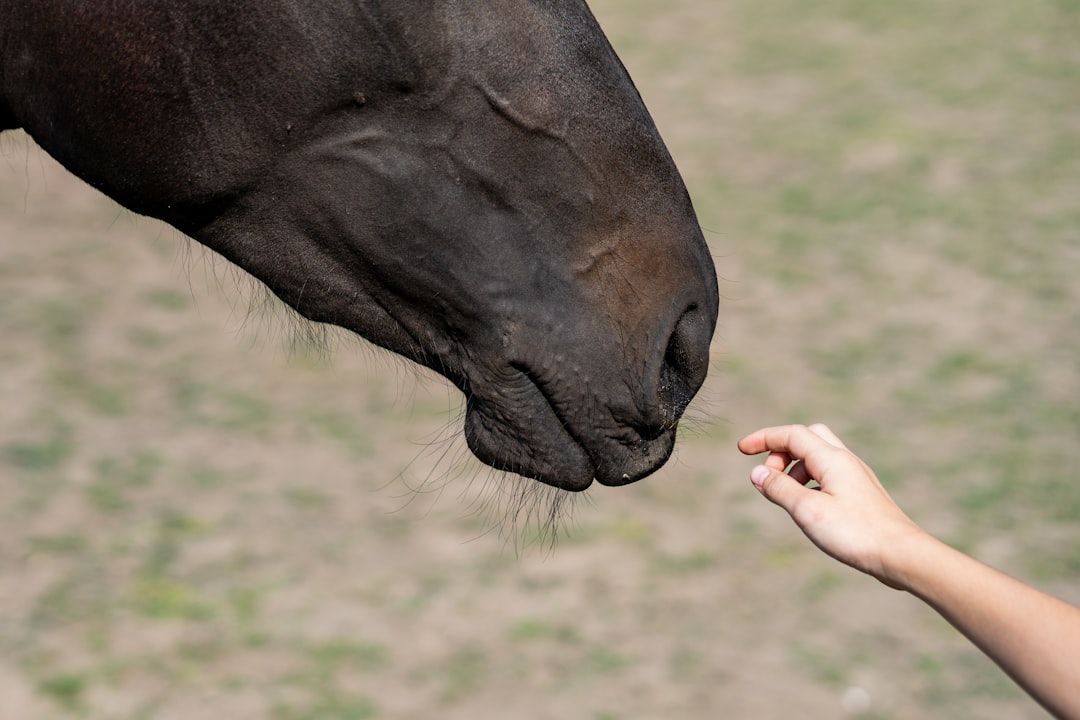
Animal communication encompasses a wide range of behaviors and signals that animals use to convey information to one another. This form of interaction can include vocalizations, body language, chemical signals, and even visual displays. Each species has developed its own unique methods of communication, which are often adapted to their specific environments and social structures. Understanding these communication systems is crucial for comprehending animal behavior, social dynamics, and even the ecological roles that different species play within their habitats.
The study of animal communication has gained significant attention in recent years, as researchers seek to unravel the complexities of how animals interact. From the intricate songs of birds to the sophisticated gestures of primates, the ways in which animals express themselves are both diverse and fascinating. This field of study not only enhances our knowledge of animal behavior but also raises questions about the cognitive abilities of non-human species. As scientists delve deeper into these communication systems, they are increasingly turning to technology, particularly artificial intelligence (AI), to aid in their research.
In exploring the fascinating intersection of technology and biology, a related article discusses the capabilities of the Samsung Galaxy Tab S8, which can be an invaluable tool for researchers studying animal communication. With its powerful features and advanced capabilities, the tablet allows scientists to analyze and decode complex vocalizations and behaviors in various species.
For more insights on how cutting-edge technology enhances research in this field, check out the article here: informative piece. This intersection of technology and communication not only enhances our understanding of animals but also reflects the broader implications for human interactions in leadership roles.
Ethical Considerations in Using AI for Animal Communication Research
Metric Description Example Data Significance Species Studied Number of animal species whose communication has been analyzed using AI 15 Indicates the breadth of AI application across animal taxa Data Volume (Hours) Total hours of recorded animal vocalizations processed 1200 Reflects the scale of data used for training AI models Accuracy of Decoding Percentage accuracy in interpreting animal signals 85% Measures effectiveness of AI in understanding communication Number of Communication Types Identified Distinct categories of signals decoded (e.g., mating calls, warnings) 8 Shows diversity of communication forms AI can distinguish AI Models Used Types of AI algorithms applied (e.g., neural networks, clustering) Deep Learning, CNN, RNN Highlights technological approaches in decoding efforts Real-time Decoding Capability Whether AI can interpret signals in real-time Yes Enables immediate understanding and interaction Applications Practical uses of decoded communication (e.g., conservation, research) Behavior monitoring, habitat protection Demonstrates impact of AI decoding on animal welfare and science The application of AI in animal communication research raises several ethical considerations that warrant careful examination. One primary concern is the potential impact on animal welfare. As researchers deploy technology to monitor and analyze animal behavior, there is a risk that the presence of recording devices or other monitoring equipment could disrupt natural behaviors or habitats. It is essential for researchers to balance their scientific objectives with the need to minimize disturbance to the animals being studied.
Moreover, there are ethical implications related to data interpretation and representation. Misinterpretations or overgeneralizations based on AI findings could lead to misconceptions about an animal’s behavior or social structure. Researchers must approach their findings with caution and ensure that they communicate results accurately and responsibly. Engaging with ethicists and conservationists can help guide researchers in navigating these complex issues while promoting responsible practices in animal communication studies.
In exploring the fascinating realm of animal communication, a related article discusses the importance of understanding the tools available for effective analysis. By utilizing advanced software, researchers can decode the complex signals and sounds made by various species. For those interested in enhancing their knowledge of such technologies, a great resource can be found in this article about the best software testing books, which provides insights into the methodologies that can be applied in the field of animal communication. You can read more about it here.
Potential Benefits of Understanding Animal Communication
Gaining insights into animal communication offers numerous potential benefits across various fields. For conservationists, understanding how animals communicate can inform strategies for protecting endangered species and their habitats. By recognizing the social structures and interactions within populations, conservation efforts can be tailored to support healthy ecosystems and promote biodiversity.
In addition, understanding animal communication can enhance human-animal interactions, particularly in domesticated species. Improved knowledge of how pets communicate their needs and emotions can lead to better training methods and stronger bonds between humans and animals. Furthermore, insights gained from studying wild species may inform approaches to wildlife management and rehabilitation efforts, ultimately fostering coexistence between humans and wildlife.
Future Directions in AI and Animal Communication Research
As technology continues to advance, the future of AI in animal communication research appears promising. Ongoing developments in machine learning algorithms will likely enhance the ability to analyze complex datasets more effectively. Researchers may also explore new methodologies for integrating multimodal signals, allowing for a more comprehensive understanding of how animals communicate across different contexts.
Collaboration between disciplines will be crucial in driving this research forward. By bringing together experts in biology, computer science, and ethics, researchers can develop innovative approaches that address both scientific questions and ethical considerations. Additionally, public engagement and education will play a vital role in fostering awareness about the importance of understanding animal communication and its implications for conservation and welfare.
The Impact of AI on our Understanding of Animal Communication
The integration of artificial intelligence into the study of animal communication represents a significant advancement in our understanding of non-human interactions. By leveraging technology to analyze complex data sets, researchers are uncovering new insights into how animals convey information and interact with one another. While challenges remain, the potential benefits of this research extend beyond academic inquiry; they have real-world implications for conservation efforts, animal welfare, and human-animal relationships.
As we continue to explore the intricacies of animal communication through the lens of AI, it is essential to approach this work with a sense of responsibility and ethical consideration. The knowledge gained from these studies not only enriches our understanding of the natural world but also underscores the importance of preserving the diverse forms of life that inhabit it. Ultimately, the intersection of AI and animal communication research holds promise for fostering a deeper appreciation for the complexity and richness of life on Earth.
FAQs
What is the goal of using AI to decode animal communication?
The goal is to analyze and interpret the sounds, signals, and behaviors of animals using artificial intelligence techniques to better understand their language, social interactions, and needs.
How does AI help in understanding animal communication?
AI can process large amounts of audio and video data, identify patterns, classify different types of calls or gestures, and translate these into meaningful information that humans can interpret.
What types of animals are studied using AI for communication decoding?
Researchers use AI to study a variety of animals including birds, dolphins, whales, primates, elephants, and even insects, focusing on species known for complex communication systems.
What technologies are commonly used in AI-based animal communication research?
Common technologies include machine learning algorithms, neural networks, natural language processing, and bioacoustic analysis tools that help in recognizing and categorizing animal signals.
What are the potential benefits of decoding animal communication with AI?
Benefits include improved wildlife conservation efforts, enhanced understanding of animal behavior and cognition, better human-animal interactions, and insights into the evolution of communication.
