


The Getting Things Done (GTD) method, developed by productivity consultant David Allen, is a time management system designed to enhance personal and professional efficiency. At its core, GTD emphasizes the importance of capturing tasks and commitments in a reliable external system, thereby freeing the mind from the burden of remembering every detail. This approach allows individuals to focus on the task at hand rather than being distracted by the myriad of responsibilities that often compete for attention. The method is structured around five key stages: capturing, clarifying, organizing, reflecting, and engaging, which together create a comprehensive framework for managing tasks and projects.
GTD has gained popularity across various sectors, from corporate environments to freelance work, due to its flexibility and adaptability. It encourages users to break down larger projects into actionable steps, making it easier to tackle complex tasks without feeling overwhelmed. By promoting a systematic approach to productivity, GTD helps individuals prioritize their work and maintain clarity in their objectives. As technology continues to evolve, the principles of GTD remain relevant, prompting many to explore how they can integrate these strategies into their digital lives.
In the quest to enhance productivity, many individuals are turning to the ‘Getting Things Done’ (GTD) method, especially in our increasingly digital world. For those looking to streamline their workflow and manage tasks effectively, a related article that might be of interest is titled “The Ultimate Guide to the 6 Best DJ Software for Beginners in 2023.
” While it focuses on DJ software, it also highlights the importance of organization and efficiency, which are key principles of the GTD method.
You can read more about it here: The Ultimate Guide to the 6 Best DJ Software for Beginners in 2023.
Key Takeaways
- GTD (Getting Things Done) can be effectively adapted for modern digital tools and workflows.
- Productivity apps enhance the organization and tracking of GTD tasks and projects.
- Integrating GTD with email and calendar systems streamlines task management and scheduling.
- Digital filing systems support easy retrieval and management of GTD reference materials.
- Automation and technology help overcome common challenges in maintaining a digital GTD system.
Adapting GTD for the Digital Age
As technology has advanced, so too have the methods by which individuals can implement the GTD framework. The digital age offers a plethora of tools and resources that can enhance the effectiveness of GTD, making it easier for users to capture and organize their tasks. Adapting GTD for the digital landscape involves leveraging these tools while maintaining the core principles of the method. This adaptation requires a thoughtful approach to ensure that technology serves as an aid rather than a distraction.
One significant aspect of adapting GTD for the digital age is the ability to capture tasks instantly through various devices. Smartphones, tablets, and computers allow users to jot down ideas or tasks as they arise, ensuring that nothing is forgotten. Additionally, cloud-based storage solutions enable users to access their task lists and project outlines from anywhere, facilitating a seamless workflow. However, it is essential to strike a balance between utilizing technology and avoiding information overload, which can hinder productivity if not managed properly.
Utilizing Productivity Apps for GTD
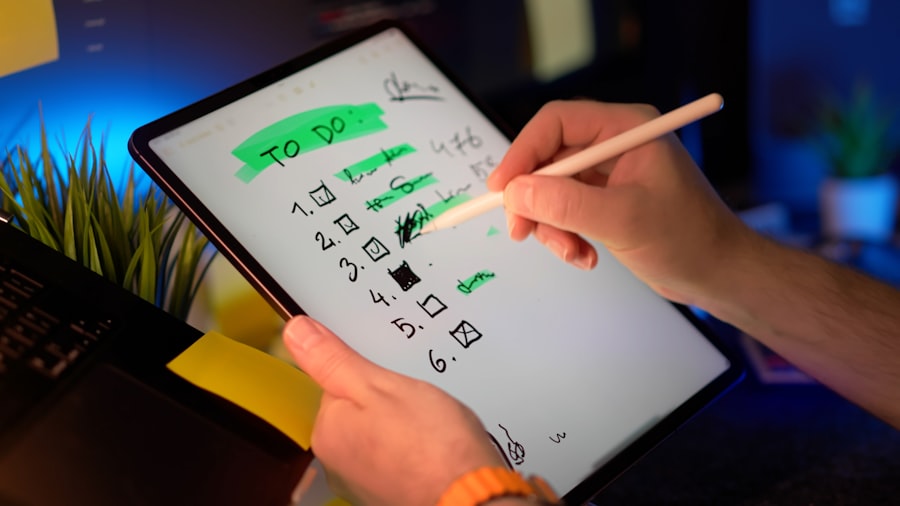
Productivity apps have become integral to implementing the GTD method effectively in a digital context. Numerous applications are designed specifically to support task management and organization, each offering unique features that cater to different user preferences. Popular options include Todoist, Trello, and Asana, which provide platforms for capturing tasks, setting deadlines, and tracking progress on projects. These tools often incorporate visual elements that help users see their workload at a glance, making it easier to prioritize tasks.
When selecting a productivity app for GTD, it is crucial to consider how well it aligns with the five stages of the method. For instance, an effective app should allow users to capture tasks quickly and easily while also providing options for categorizing and organizing those tasks into projects. Additionally, many apps offer integration with other tools such as calendars and email clients, further enhancing their utility in managing daily responsibilities. By choosing the right app, users can streamline their workflow and maintain focus on their goals.
Integrating GTD with Email and Calendar Tools

Email and calendar tools play a vital role in the successful implementation of the GTD method. These platforms are often central to daily communication and scheduling, making it essential to integrate them into the GTD framework effectively. By doing so, individuals can ensure that their tasks and commitments are aligned with their schedules, reducing the likelihood of missed deadlines or overlooked responsibilities.
Integrating email with GTD involves establishing a system for processing incoming messages efficiently. This may include creating specific folders or labels for different types of emails or using rules to automatically sort messages based on priority. By treating emails as actionable items within the GTD framework, users can clarify what needs to be done in response to each message and organize those tasks accordingly. Similarly, calendar tools can be utilized to block out time for focused work on specific projects or tasks, ensuring that individuals allocate sufficient time for their most important responsibilities.
In exploring the nuances of the ‘Getting Things Done’ (GTD) method in the digital age, one might find it beneficial to consider how modern technology, like the latest smartphones, can enhance productivity. For instance, the article on the iPhone 14 Pro delves into its powerful features that can aid in organizing tasks and managing time effectively. By integrating tools available on such devices, users can streamline their workflow and stay focused on their goals. To learn more about this innovative technology, you can read the article here.
Creating a Digital Filing System for GTD
| Metric | Description | Digital Tools Impact | Example Tools |
|---|---|---|---|
| Capture Efficiency | Speed and ease of collecting tasks and ideas | Improved with mobile apps and voice assistants for instant capture | Evernote, Microsoft OneNote, Google Keep |
| Task Organization | Ability to categorize and prioritize tasks effectively | Enhanced by tagging, folders, and smart lists | Todoist, Asana, Trello |
| Review Frequency | Regularity of reviewing tasks and projects to stay on track | Reminders and calendar integrations help maintain consistent reviews | Google Calendar, Outlook, Notion |
| Context Management | Assigning tasks to contexts (location, tools, people) | Location-based reminders and context tags improve relevance | OmniFocus, TickTick, Remember The Milk |
| Next Actions Clarity | Defining clear, actionable next steps for each project | Templates and checklists assist in breaking down tasks | ClickUp, Notion, Workflowy |
| Integration Capability | Ability to connect with other apps and services | APIs and automation streamline workflows and reduce manual entry | Zapier, IFTTT, Microsoft Power Automate |
| Time Tracking | Monitoring time spent on tasks and projects | Built-in timers and reporting improve productivity insights | RescueTime, Toggl, Clockify |
A well-organized digital filing system is essential for maintaining clarity and efficiency within the GTD method. As individuals capture tasks and projects digitally, it becomes increasingly important to categorize and store this information in a way that is easily accessible. A digital filing system should reflect the structure of the GTD process while allowing for flexibility as projects evolve.
To create an effective digital filing system, users should consider organizing files by project or context. This may involve creating folders for different areas of responsibility or using tags to categorize tasks based on urgency or type. Additionally, regular reviews of the filing system can help ensure that it remains relevant and functional over time. By maintaining an organized digital space, individuals can quickly locate necessary information when needed, reducing time spent searching for files and enhancing overall productivity.
In exploring the nuances of the ‘Getting Things Done’ (GTD) method in the digital age, it’s essential to consider how modern technology can enhance productivity. A related article discusses the capabilities of the Samsung Galaxy S21, which can be a powerful tool for organizing tasks and managing time effectively. By leveraging the features of this smartphone, users can streamline their workflows and stay on top of their commitments.
For more insights, you can read about it in this
5G Innovations (13) Wireless Communication Trends (13) Article (343) Augmented Reality & Virtual Reality (674)
- Metaverse (156)
- Virtual Workplaces (35)
- VR & AR Games (34)
Cybersecurity & Tech Ethics (690)
- Cyber Threats & Solutions (3)
- Ethics in AI (33)
- Privacy Protection (32)
Drones, Robotics & Automation (374)
- Automation in Industry (33)
- Consumer Drones (33)
- Industrial Robotics (33)
EdTech & Educational Innovations (233)
- EdTech Tools (18)
- Online Learning Platforms (4)
- Virtual Classrooms (34)
Emerging Technologies (1,418) FinTech & Digital Finance (335) Frontpage Article (1) Gaming & Interactive Entertainment (269) Health & Biotech Innovations (492)
- AI in Healthcare (3)
- Biotech Trends (4)
- Wearable Health Devices (394)
News (97) Reviews (129) Smart Home & IoT (339)
- Connected Devices (3)
- Home Automation (4)
- Robotics for Home (33)
- SmartPhone (48)
Space & Aerospace Technologies (231)
- Aerospace Innovations (4)
- Commercial Spaceflight (3)
- Space Exploration (62)
Sustainable Technology (561) Tech Careers & Jobs (227) Tech Guides & Tutorials (806)
- DIY Tech Projects (3)
- Getting Started with Tech (60)
- Laptop & PC (58)
- Productivity & Everyday Tech Tips (210)
- Social Media (64)
- Software (205)
- Software How-to (3)
Uncategorized (146)