

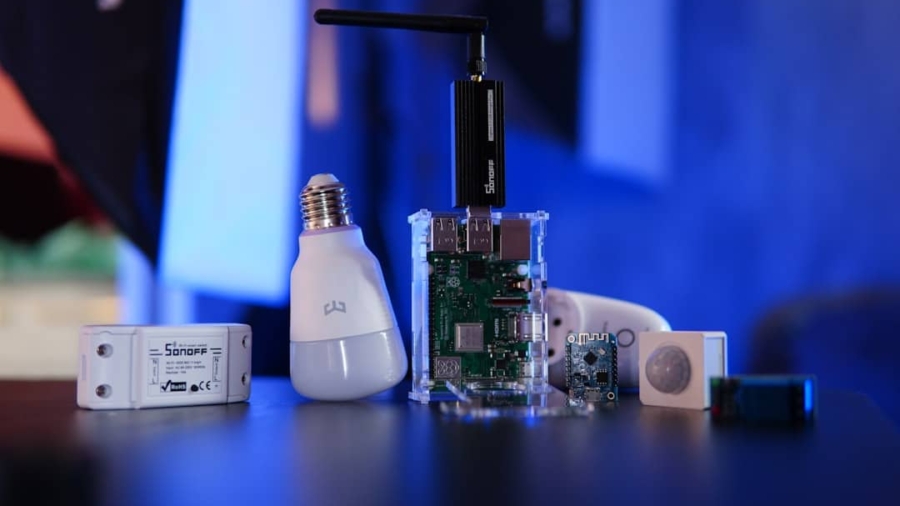
Let’s talk about making your home work for you, not just be a place you live. Imagine stepping into your home after a long day and the lights dim to a calming glow, your favorite chill music starts playing softly, and the thermostat adjusts to your ideal comfort level – all without you lifting a finger. This isn’t some futuristic fantasy; it’s the power of context-aware home sensors, and they can genuinely transform your daily routines. The big idea is that these sensors don’t just detect simple things like motion; they understand the context of what’s happening in your home, allowing for much smarter and more personalized automation.
What Exactly Are Context-Aware Home Sensors?
Think beyond the basic motion detector that turns on a light. Context-aware sensors go a step further. They gather a richer tapestry of information about your environment and your habits. This could include:
- Presence Detection: Not just if someone is in a room, but who is in the room (using things like Bluetooth beacons on your phone, or even more advanced person detection if you opt for cameras).
- Environmental Monitoring: Temperature, humidity, air quality (CO2, VOCs), light levels (both natural and artificial).
- Activity Recognition: Learning patterns like when you typically wake up, when you’re cooking, when you’re watching a movie, or when you’re away.
- Sound Analysis: While privacy is a huge consideration here, some systems can detect specific sounds like a smoke alarm going off or a dog barking.
By combining these different data points, your smart home system can build a much more nuanced understanding of your life. It’s like the difference between a stopwatch and a personal assistant who knows your schedule and preferences.
The Foundation: How They Work Together
The magic happens when these individual sensors talk to each other and to a central hub or platform. This platform is the brain of your smart home. It takes all the raw data from the sensors and interprets it to trigger actions.
- Data Fusion: This is the technical term for how the system combines information. For example, if a door sensor opens and a motion sensor detects movement, and the time of day is after sunset, the system knows someone has just entered the house and can turn on specific lights.
- Learning Algorithms: Many modern systems use machine learning to adapt to your routines. The more you use them, the smarter they become at anticipating your needs. They learn that on Tuesdays, you usually leave for yoga at 6 PM, so the system can automatically check that doors are locked and the thermostat is set back.
- User Input and Customization: While the goal is automation, you’re still in control. You can set preferences, create custom scenes, and override automated actions whenever you want. This avoids that frustrating feeling of technology dictating your life.
The key is that this isn’t about a “one size fits all” approach. The “context” is your context – your home, your schedule, your preferences.
Mornings can be a scramble. Context-aware sensors can bring a sense of calm and efficiency to that often chaotic start to the day.
Gentle Awakening
Forget jarring alarms. Imagine a sunrise simulation:
- Gradual Light: Lights in your bedroom can slowly increase in brightness over a set period, mimicking a natural sunrise. Many newer smart bulbs offer this functionality.
- Ambient Sounds: Instead of a blaring alarm, the system could trigger a calming playlist or nature sounds to wake you gently.
- Thermostat Adjustment: As you start to stir, the thermostat can signal the heating or cooling system to bring your room to your preferred waking temperature.
Personalized Morning Routines
Beyond just waking up, these sensors can orchestrate your entire morning flow:
- Kitchen Readiness: As you head downstairs, the kitchen lights can illuminate to your preferred brightness, and if you have a smart coffee maker, it could be programmed to start brewing automatically as soon as you enter the kitchen.
- News and Updates: Imagine walking into the living room and having a smart display or speaker briefly announce the weather forecast, your first calendar appointment, and any urgent news headlines, all tailored to what you care about.
- Bathroom Comfort: A humidity sensor in the bathroom could trigger the exhaust fan to turn on automatically when you start showering, and then shut off once the humidity level drops.
Practical Considerations for Mornings
- Sensor Placement: Key sensors for morning routines would include light sensors, presence sensors in bedrooms and common areas, and temperature sensors.
- Integration is Key: Ensure your lights, speakers, thermostats, and any other devices you want to control are compatible with your chosen smart home platform.
- Privacy First: Be mindful of where cameras are placed and what audio analysis might be occurring. Opt for anonymized data processing where possible.
In exploring the advancements in smart home technology, the article “Transforming Daily Routines with Context-Aware Home Sensors” highlights how these innovative devices can significantly enhance our daily lives.
For a deeper understanding of how technology is evolving in personal devices, you might find it interesting to read about the unique features of the Google Pixel phone in this related article:
5G Innovations (13) Wireless Communication Trends (13) Article (343) Augmented Reality & Virtual Reality (905)
- Metaverse (268)
- Virtual Workplaces (35)
- VR & AR Games (34)
Cybersecurity & Tech Ethics (810)
- Cyber Threats & Solutions (3)
- Ethics in AI (33)
- Privacy Protection (32)
Drones, Robotics & Automation (490)
- Automation in Industry (33)
- Consumer Drones (33)
- Industrial Robotics (33)
EdTech & Educational Innovations (348)
- EdTech Tools (18)
- Online Learning Platforms (4)
- Virtual Classrooms (34)
Emerging Technologies (2,003) FinTech & Digital Finance (452) Frontpage Article (1) Gaming & Interactive Entertainment (386) Health & Biotech Innovations (719)
- AI in Healthcare (3)
- Biotech Trends (4)
- Wearable Health Devices (510)
News (97) Reviews (129) Smart Home & IoT (451)
- Connected Devices (3)
- Home Automation (4)
- Robotics for Home (33)
- SmartPhone (48)
Space & Aerospace Technologies (348)
- Aerospace Innovations (4)
- Commercial Spaceflight (3)
- Space Exploration (62)
Sustainable Technology (789) Tech Careers & Jobs (343) Tech Guides & Tutorials (1,155)
- DIY Tech Projects (3)
- Getting Started with Tech (60)
- Laptop & PC (58)
- Productivity & Everyday Tech Tips (328)
- Social Media (64)
- Software (326)
- Software How-to (3)
Uncategorized (146)