

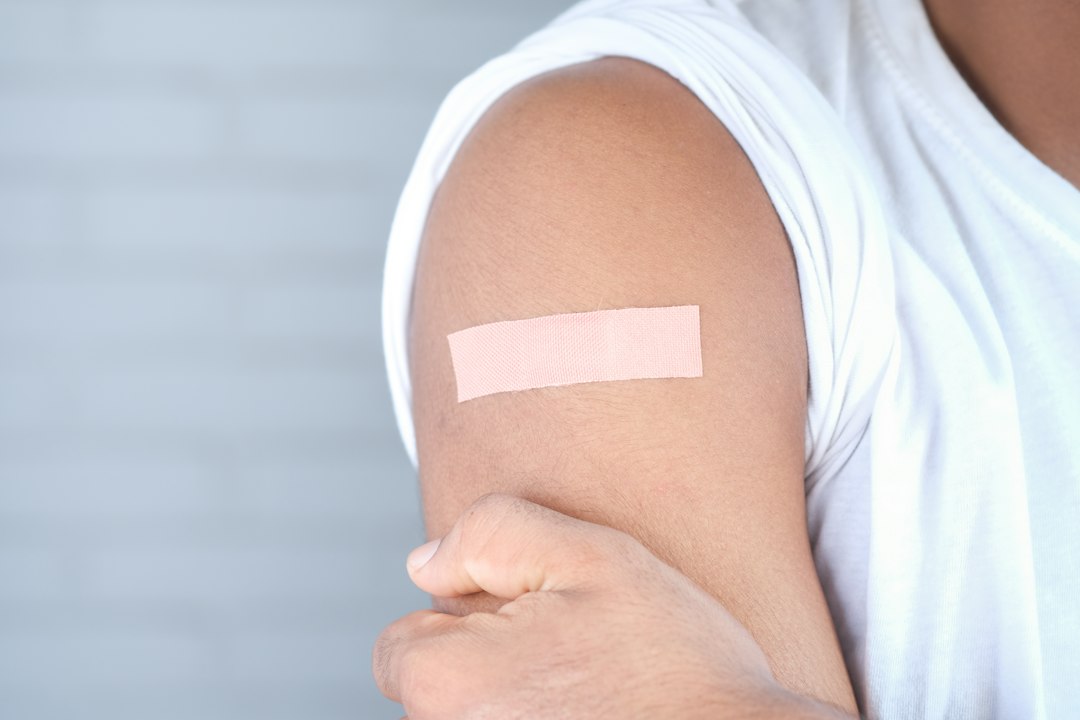
Transdermal biomarker tracking, particularly using advanced micro-needle patches, is quickly becoming a game-changer for monitoring crucial health indicators like hydration and lactate levels. Instead of relying on traditional, often invasive methods, these innovative patches offer a continuous, minimally invasive way to get real-time insights into your body’s status, moving us closer to truly personalized health management.
Why We Need Better Biomarker Tracking
For a long time, understanding what’s going on inside our bodies has either been a guessing game or required a trip to the lab. Think about it: how do you really know if you’re perfectly hydrated, or if your muscles are building up too much lactate during a workout? Often, it’s based on subjective feelings or a blood draw that only gives you a snapshot. This isn’t ideal for proactive health management, athletic performance, or even just daily well-being.
Limitations of Current Methods
Right now, if you want precise information about things like hydration or lactate, you’re usually looking at a few less-than-perfect options. Hydration, for instance, is often assessed by checking urine color, feeling thirsty, or, more accurately but less practically, through bioelectrical impedance analysis or blood osmolality tests. These aren’t continuous, and they don’t always reflect your cellular hydration status directly.
Lactate monitoring is even more challenging. Athletes often rely on blood samples taken during exercise, which are invasive, disruptive, and give a delayed result. Imagine stopping every few minutes during an intense sprint to get a blood sample – it just doesn’t work for continuous performance optimization. For medical applications, like monitoring sepsis or critical care patients, frequent blood draws are also a burden and carry risks.
The Promise of Continuous, Non-Invasive Monitoring
The real power of transdermal biomarker tracking lies in its ability to offer continuous data without the need for needles or expensive lab equipment. Imagine a small patch on your skin providing a constant stream of information about your body’s hydration levels throughout the day, or tracking lactate build-up during a marathon without you even noticing it’s there. This isn’t just convenient; it opens up entirely new possibilities for understanding our physiology in real-time and making informed decisions about our health, exercise, and even medical treatments.
Transdermal biomarker tracking is revolutionizing the way we monitor hydration and lactate levels, particularly through the innovative use of micro-needle patches. These advanced patches offer a non-invasive method for real-time health monitoring, making them a promising tool in both sports medicine and everyday health management. For those interested in exploring technology that enhances daily life, a related article on selecting the right tablet for children can be found at this link, which discusses how technology can play a crucial role in education and development.
Key Takeaways
- The training data includes information and events up to October 2023.
- Insights and knowledge are based on a wide range of sources available until the cutoff date.
- No updates or developments occurring after October 2023 are included in the training.
- Users should verify current information from reliable sources for the latest updates.
- The model’s responses reflect the context and knowledge available up to the specified date.
The Evolution of Micro-Needle Technology
Micro-needles aren’t exactly brand new, but their application in biomarker tracking has seen significant advancements. Initially, they were primarily used for drug delivery, gently piercing the outermost layer of skin (the stratum corneum) to allow medications to absorb more effectively.
Now, the focus has shifted to not just putting things into the body, but also getting things out for analysis.
From Drug Delivery to Sensing
The idea behind micro-needles is elegantly simple: create tiny, hair-thin projections that are long enough to bypass the stratum corneum (which acts as a formidable barrier) but short enough to avoid reaching nerve endings and blood vessels in the deeper dermis. This means they’re practically painless.
Early micro-needles were often made from silicon, but materials like polymers and even dissolvable sugars are now common. For sensing applications, the critical development has been integrating biosensors directly onto or within these micro-needles. These sensors are designed to interact with interstitial fluid (ISF), the fluid that surrounds our cells and contains a wealth of biomarkers.
How Micro-Needles Access Interstitial Fluid
The skin’s outermost layer, the stratum corneum, is incredibly effective at keeping things out – and in. This is why just putting a sensor on your skin generally doesn’t work for accessing internal biomarkers. Micro-needles create microscopic channels through this barrier. Once these channels are open, the interstitial fluid, which is rich in molecules like glucose, lactate, and electrolytes, can be accessed.
In the context of biomarker tracking, the micro-needles don’t just create a pathway; they often have integrated sensing elements. These elements might include electrodes or chemical receptors that are highly specific to the biomarker of interest. When the ISF comes into contact with these sensors, a measurable change occurs – perhaps an electrical signal or a color change – which can then be detected and quantified by the patch’s electronics. The beauty is that this process is happening continuously, allowing for dynamic tracking rather than static snapshots.
Focus Biomarkers: Hydration and Lactate

While micro-needle patches have the potential to track a wide range of biomarkers, hydration and lactate are two particularly compelling targets due to their critical roles in daily health, athletic performance, and medical conditions.
Transdermal biomarker tracking is rapidly evolving, particularly with the advent of micro-needle patches designed for monitoring hydration and lactate levels. These innovative patches offer a non-invasive method to gather essential health data, paving the way for personalized healthcare solutions. For those interested in the latest advancements in consumer technology, a related article discusses various breakthroughs in this field, which can be found here.
This resource provides insights into how such technologies are shaping the future of health monitoring and wellness.
Tracking Hydration Levels
Why is hydration so important? Every single cell in your body needs water to function correctly.
Even slight dehydration can lead to fatigue, decreased cognitive function, and impaired physical performance. For athletes, proper hydration is paramount to prevent cramping and maintain endurance. For the general population, it’s key for overall well-being.
Current methods for assessing hydration often fall short.
Feeling thirsty is a late indicator. Urine color charts are subjective and can be influenced by diet. Blood tests provide a snapshot but aren’t practical for continuous monitoring.
Micro-needle patches aim to change this by directly measuring hydration-related biomarkers in the interstitial fluid.
How Patches Measure Hydration
While there isn’t one single “hydration biomarker,” micro-needle patches can infer hydration status by tracking several related parameters in the interstitial fluid. One key approach involves measuring electrolyte concentrations, particularly sodium and chloride. As the body becomes dehydrated, the concentration of these electrolytes in the ISF can increase.
Sensors embedded in the micro-needles can detect these changes in real-time.
Another method could involve measuring specific gravity or osmolality of the ISF, or even monitoring the viscosity of the fluid. The exact mechanisms are still evolving, but the core idea is to detect changes in the composition or properties of the ISF that correlate directly with systemic hydration status. This allows for a much more objective and continuous assessment than simply waiting until you feel thirsty. Imagine a small indicator on your phone telling you it’s time to drink water before you even feel the need.
Monitoring Lactate for Performance and Health
Lactate, often mistakenly blamed as a waste product, is actually a crucial energy substrate and signaling molecule. During intense exercise, when oxygen supply can’t meet energy demands, glucose is broken down into pyruvate, which is then converted to lactate.
Tracking lactate levels is incredibly valuable for athletes, helping them understand their training intensity, identify their lactate threshold (the point at which lactate rapidly accumulates), and optimize performance.
Beyond sports, lactate is a critical biomarker in clinical settings. Elevated lactate levels can indicate tissue hypoxia (lack of oxygen), which is common in conditions like sepsis, shock, and heart failure. Continuous lactate monitoring in critically ill patients could provide early warnings of worsening conditions and guide treatment decisions.
Lactate Sensing Mechanisms in Micro-Needle Patches
For lactate sensing, micro-needle patches typically incorporate enzymatic biosensors. The most common approach uses the enzyme lactate oxidase.
When lactate in the interstitial fluid comes into contact with lactate oxidase, it’s oxidized, producing hydrogen peroxide. The patch then measures the hydrogen peroxide using an electrochemical sensor (often electrodes integrated into the micro-needles). The current generated is directly proportional to the concentration of lactate.
These sensors are designed to be highly selective for lactate, minimizing interference from other molecules in the interstitial fluid.
The ability to continuously monitor lactate means athletes can receive real-time feedback on their exertion levels, allowing them to adjust their pace or intensity dynamically. In a hospital setting, it means doctors can observe trends in a patient’s lactate levels over hours, providing a much clearer picture of their physiological state than intermittent blood samples.
Practical Applications and Future Prospects
The potential applications for these next-generation micro-needle patches are vast and extend across multiple sectors, from consumer health to advanced medical care. They promise to move us from reactive health management to proactive, personalized interventions.
Enhancing Athletic Performance and Recovery
For athletes, real-time feedback on hydration and lactate is a game-changer. Imagine a marathon runner knowing precisely when their hydration levels are dropping or when they’re approaching their lactate threshold. This isn’t just about pushing harder; it’s about pushing smarter.
Personalized Training Zones
Instead of relying on generic heart rate zones or perceived exertion, athletes could train based on their actual physiological responses. A micro-needle patch could continuously transmit lactate data to a smartwatch or phone app, guiding the athlete to stay within specific lactate zones for endurance training or to hit peak lactate for high-intensity interval training. This personalized data can prevent overtraining, optimize recovery, and lead to more effective training plans tailored to individual physiology.
Preventing Dehydration and Overexertion
Beyond training, patches could actively help prevent common issues. An alert system could notify athletes when their hydration levels drop below a critical threshold, prompting them to rehydrate before performance is significantly impacted. Similarly, monitoring lactate could indicate when an athlete is pushing too hard and risks injury or premature fatigue, allowing them to adjust their effort in real-time. This level of insight offers a significant advantage over current, often reactive, methods.
Advancing Clinical Monitoring
In healthcare, micro-needle patches offer a less invasive and more continuous alternative to traditional blood draws, benefiting both patients and healthcare providers.
Continuous Monitoring in Critical Care
For patients in critical care units, frequent blood draws for lactate, glucose, or electrolyte monitoring are routine but can be stressful and increase the risk of infection. A micro-needle patch could provide continuous, real-time data on these vital biomarkers, allowing clinicians to detect subtle changes earlier and intervene more quickly. For example, continuously tracking lactate in sepsis patients could provide earlier indications of worsening organ perfusion than intermittent measurements.
Managing Chronic Conditions
Individuals with chronic conditions, such as diabetes, already benefit from continuous glucose monitoring via patches. Extending this to hydration status or other relevant biomarkers could further empower patients to manage their conditions proactively. For example, patients with kidney disease often need to carefully manage fluid intake; a continuous hydration sensor could provide invaluable guidance. The less invasive nature of these patches also makes them more comfortable for long-term wear compared to repeated venipunctures.
Overcoming Challenges and Looking Ahead
While the potential is immense, there are still practical hurdles to overcome before these patches become commonplace.
Technical and Regulatory Hurdles
Developing highly sensitive and stable sensors that can function reliably in the complex environment of interstitial fluid is a significant technical challenge. Ensuring these sensors are accurate, selective, and resistant to biofouling (where proteins and other molecules degrade sensor performance) is crucial. Manufacturing these intricate devices at scale and at an affordable cost is another consideration.
On the regulatory front, gaining approval from bodies like the FDA will require rigorous testing to demonstrate safety, efficacy, and accuracy, especially for clinical applications. The definition of “minimally invasive” and the potential for skin irritation also need careful consideration.
User Acceptance and Data Interpretation
For widespread adoption, these patches need to be comfortable, easy to apply, and aesthetically acceptable. The data they produce also needs to be presented in an understandable and actionable way for the average user, not just for medical professionals. Clear, intuitive interfaces that translate complex biomarker data into simple recommendations will be key.
Looking ahead, we can expect these patches to become even more sophisticated, potentially integrating multiple sensors to track a wider array of biomarkers simultaneously (e.g., glucose, lactate, hydration, and certain drug levels). The integration with AI and machine learning could lead to predictive analytics, offering personalized health insights and preventative recommendations based on individual physiological trends. The journey toward truly personalized, continuous health monitoring is well underway, and micro-needle patches are playing a central role.
FAQs
What are transdermal biomarker tracking patches?
Transdermal biomarker tracking patches are innovative devices that utilize micro-needle technology to monitor specific biomarkers in the body through the skin. These patches can measure hydration levels and lactate concentrations, providing real-time data on an individual’s physiological status.
How do micro-needle patches work?
Micro-needle patches consist of tiny needles that penetrate the outer layer of the skin without causing significant pain. These needles extract interstitial fluid, which contains biomarkers like lactate and hydration levels. The collected data is then analyzed to provide insights into the user’s health and hydration status.
What are the benefits of using micro-needle patches for hydration monitoring?
Micro-needle patches offer several benefits for hydration monitoring, including non-invasive application, continuous tracking of hydration levels, and the ability to provide immediate feedback. This technology can help individuals optimize their hydration strategies, especially during physical activities or in hot environments.
Can these patches be used for lactate monitoring in athletes?
Yes, micro-needle patches can be effectively used for lactate monitoring in athletes. By tracking lactate levels, athletes can gain insights into their performance, recovery, and overall metabolic state, allowing them to adjust their training regimens accordingly.
Are there any risks associated with using transdermal biomarker tracking patches?
While transdermal biomarker tracking patches are generally considered safe, potential risks may include skin irritation at the application site, allergic reactions to materials used in the patch, or infection if the skin barrier is compromised. It is essential to follow proper application guidelines to minimize these risks.
Enjoying our content? Make us a preferred source on Google:
Add us as a Preferred Source on Google