

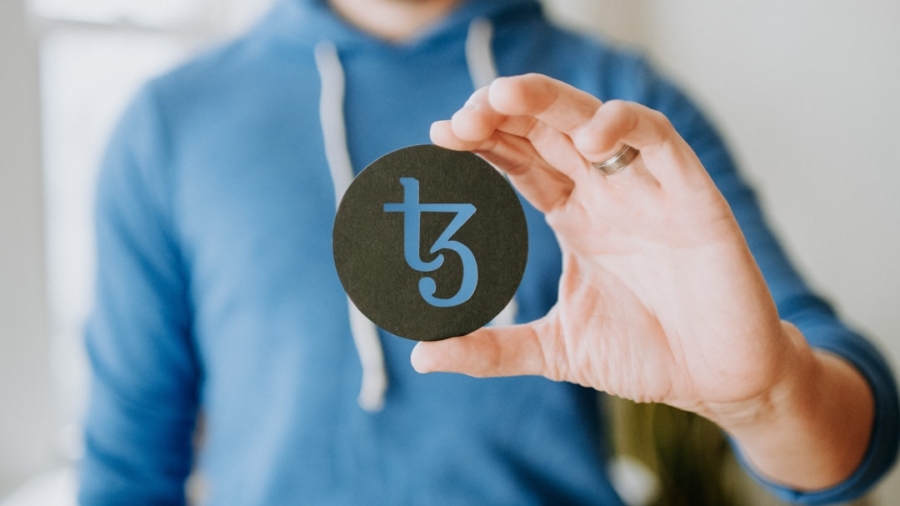
So, you’re wondering what’s the big deal with tokenizing real-world assets? In a nutshell, it’s about taking something tangible – like a building, a piece of art, or even a slice of a company’s income – and representing it as a digital token on a blockchain. Why bother? Primarily, it’s a way to make these typically illiquid assets much easier to buy, sell, and trade, potentially unlocking a lot of value that’s currently “stuck.”
What Exactly is Tokenization?
Think of it as converting ownership or rights to a physical asset into a digital certificate. This certificate, the “token,” lives on a blockchain, which is essentially a secure, shared digital ledger. Each token can represent a fractional ownership of the asset, a specific right associated with it, or even the entirety of it. Instead of needing to go through complex, time-consuming, and expensive traditional processes like deeds, appraisals, and legal transfers, tokenization aims to streamline all of that into a digital transaction.
How it Works Under the Hood
At its core, tokenization involves smart contracts.
These are self-executing contracts with the terms of the agreement directly written into code and deployed on a blockchain. When you buy a tokenized asset, the smart contract automatically records your ownership, ensuring transparency and immutability.
- Programmable Ownership: Tokens can be programmed with specific rules, like dividend distribution schedules or voting rights, automatically executed by the smart contract.
- Blockchain’s Role: The blockchain provides the secure and transparent infrastructure. Every transaction is recorded and verifiable by anyone on the network, reducing the need for intermediaries and costly audits.
The concept of tokenization is revolutionizing the way we perceive and interact with traditional markets, particularly in terms of liquidity and accessibility. For a deeper understanding of this transformative process, you can explore the article titled “Tokenization of Real-World Assets: Unlocking Liquidity in Traditional Markets” available at Enicomp Blog. This article delves into the mechanisms of tokenization, its benefits, and how it is reshaping investment opportunities across various asset classes.
Unlocking Liquidity: The Core Promise
This is where things get really interesting for traditional markets. Many valuable assets, like commercial real estate or fine wine collections, are notoriously difficult to sell quickly. You can’t just put a skyscraper on eBay. Tokenization breaks down these barriers.
From Illiquid to Investable
Imagine owning a portion of a prime office building. Traditionally, if you wanted to sell your share, you’d need to find a buyer willing to take on a large, complex transaction. With tokenization, your ownership is represented by a certain number of tokens. These tokens can then be traded on specialized digital exchanges, much like stocks.
- Fractional Ownership: This is a game-changer. Instead of buying an entire piece of expensive art, you can buy a token representing a fraction of its value. This opens up investment opportunities for a much wider range of individuals.
- Global Investor Base: Blockchain is borderless. Tokenized assets can potentially be accessed by investors worldwide, dramatically expanding the pool of potential buyers and sellers.
- 24/7 Trading: Traditional markets have opening and closing hours. Digital asset exchanges can operate around the clock, allowing for continuous trading opportunities.
Real-World Assets Being Tokenized
The scope of what can be tokenized is vast and continues to expand. It’s not just about digital-native assets anymore.
Examples Beyond Cryptocurrencies
When people hear “token,” they often think of Bitcoin or Ethereum. But tokenization is applying the same principles to assets that have been around for centuries.
- Real Estate: This is probably the most talked-about area. Tokenizing properties, from residential apartments to commercial complexes, allows for fractional ownership and easier trading of property shares. This could democratize real estate investment.
- Art and Collectibles: High-value art pieces, rare cars, or vintage wines can be tokenized, allowing multiple people to own a share. This also makes authenticity and provenance easier to track.
- Private Equity and Venture Capital: Offering tokens for stakes in private companies or investment funds can provide liquidity for early investors who might otherwise be locked in for years.
- Debt and Equity: Companies can tokenize their debt or equity, potentially simplifying fundraising and creating secondary markets for these instruments.
- Intellectual Property: Rights to patents, copyrights, or royalties can be tokenized, allowing creators to monetize their work more effectively.
The Technology Behind Tokenization
The underlying technology is crucial to understanding its potential and its limitations. Blockchains, decentralized ledgers, and smart contracts are the foundational elements.
Understanding the Blockchain Infrastructure
Blockchains are distributed databases that record transactions. They are designed to be secure, transparent, and immutable, meaning once data is recorded, it’s extremely difficult to alter.
- Public vs. Private Blockchains: Tokenization can occur on public blockchains (like Ethereum) or private, permissioned blockchains. The choice depends on factors like privacy needs, scalability requirements, and regulatory considerations.
- Smart Contracts: The Automation Engine: Smart contracts are the automated enforcers of the tokenized asset’s rules. They handle tasks like ownership transfers, dividend payouts, and compliance checks.
Key Technologies Involved
- Distributed Ledger Technology (DLT): The broader category of blockchain falls under DLT. It’s about having a shared, synchronized ledger across multiple participants.
- Cryptography: This is what secures the blockchain and the tokens themselves, ensuring that only authorized parties can access and control them.
- Oracles: For tokenized assets that need to interact with real-world data (like property valuations or stock prices), oracles are necessary to feed that information securely into the blockchain.
The concept of tokenization of real-world assets is gaining traction as it offers a revolutionary approach to unlocking liquidity in traditional markets. By converting physical assets into digital tokens, investors can access new opportunities and enhance market efficiency. For those interested in exploring how technology is reshaping various sectors, a related article discusses the best laptops for professionals in design and engineering, which can be found here. This intersection of technology and finance highlights the importance of having the right tools to navigate the evolving landscape of asset management.
Challenges and Considerations
While the potential is exciting, it’s important to acknowledge the hurdles that still need to be cleared for widespread adoption. It’s not a magic bullet, and there are practical and regulatory aspects to consider.
Navigating the Regulatory Landscape
This is perhaps the biggest current challenge. Regulators are still figuring out how to classify and oversee tokenized assets, especially when they represent ownership of tangible things or traditional financial instruments.
- Securities Laws: Many tokenized assets might be considered securities, meaning they’ll need to comply with existing securities regulations, which can be complex and vary by jurisdiction.
- Investor Protection: Ensuring that investors are adequately protected is a key concern for regulators. This includes disclosure requirements, anti-fraud measures, and safeguarding against market manipulation.
- KYC/AML Compliance: Know Your Customer (KYC) and Anti-Money Laundering (AML) regulations will likely be critical for any platform dealing with tokenized real-world assets to prevent illicit activities.
Technical and Operational Hurdles
Beyond regulation, there are technical and practical challenges to overcome.
- Scalability: Some blockchains can struggle with high transaction volumes, which could be an issue for actively traded tokenized assets.
- Interoperability: Making sure different blockchains and tokenization platforms can communicate with each other is essential for a seamless experience.
- Valuation and Custody: How do you accurately and consistently value a tokenized asset, especially if it’s unique like a piece of art? And how are the underlying physical assets securely held and managed?
- Integration with Traditional Systems: For tokenization to truly unlock liquidity, it needs to integrate smoothly with existing financial infrastructure, which is a significant undertaking.
The Future Outlook
Despite the challenges, the trend towards tokenizing real-world assets is gaining momentum. As the technology matures and regulatory frameworks become clearer, we can expect to see significant shifts in how we invest in and trade traditional assets.
Innovations on the Horizon
The field is constantly evolving, with new platforms and use cases emerging regularly.
- Increased Accessibility: The ultimate goal is to make ownership of diverse assets more accessible to a wider audience, democratizing investment opportunities.
- Greater Efficiency: By reducing intermediaries and automating processes, tokenization can lead to faster, cheaper, and more efficient transactions.
- New Financial Products: We’ll likely see the creation of entirely new financial instruments and investment strategies built around tokenized real-world assets.
A Gradual Evolution, Not a Revolution
It’s important to view this as an evolutionary process. Widespread adoption won’t happen overnight. We’ll see it start with specific asset classes and gradually expand as trust is built and the infrastructure improves. It’s about taking established concepts and finding new, more efficient ways to manage them through digital technology. The promise of unlocking liquidity for assets that have been historically difficult to trade is a compelling one, and it’s certainly worth paying attention to.
FAQs
What is tokenization of real-world assets?
Tokenization of real-world assets refers to the process of converting physical assets, such as real estate, art, or commodities, into digital tokens on a blockchain. These tokens represent ownership or rights to the underlying asset and can be traded or transferred electronically.
How does tokenization unlock liquidity in traditional markets?
Tokenization unlocks liquidity in traditional markets by allowing fractional ownership of assets, which enables smaller investors to participate in markets that were previously inaccessible to them. It also facilitates easier and faster transfer of ownership, reducing the time and cost associated with traditional asset transactions.
What are the benefits of tokenizing real-world assets?
The benefits of tokenizing real-world assets include increased liquidity, lower barriers to entry for investors, improved transparency and security through blockchain technology, and the potential for 24/7 trading. Additionally, tokenization can enable the creation of new financial products and investment opportunities.
What are some examples of real-world assets that have been tokenized?
Real-world assets that have been tokenized include real estate properties, fine art, precious metals, and even income-generating assets such as rental properties or revenue streams from businesses. These assets are represented by digital tokens that can be bought, sold, and traded on blockchain platforms.
What are the regulatory considerations for tokenizing real-world assets?
Regulatory considerations for tokenizing real-world assets vary by jurisdiction and may include securities laws, anti-money laundering regulations, and investor protection measures. It is important for issuers and investors to comply with applicable regulations when tokenizing and trading real-world assets.
Enjoying our content? Make us a preferred source on Google:
Add us as a Preferred Source on Google