

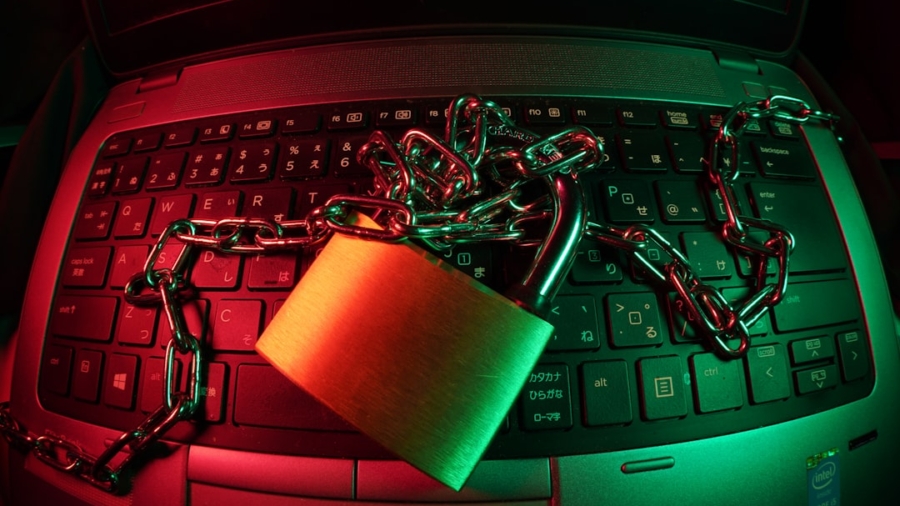
Let’s talk about something that’s incredibly important but often a bit confusing: the idea of encryption backdoors. When law enforcement agencies or governments ask for “backdoors” into our encrypted communications, what does that really mean, and what are the potential downsides for all of us? It’s not just about criminals; it’s about the fundamental way we communicate and protect our information in the digital age.
What Exactly is an Encryption Backdoor?
Think of encryption as a really strong lock on your digital door. Unless you have the key (your password or private key), no one can get in and see what’s inside your messages, files, or online activity. An encryption backdoor, in this context, is essentially a secret way in – a master key or a vulnerability that someone, theoretically, could exploit to bypass that lock.
Law enforcement often frames this as a tool to access evidence in criminal investigations, especially when dealing with serious crimes. They want to be able to unlock encrypted data if they have a court order. However, the technology to create such a backdoor would need to exist for someone to use it.
The “Master Key” Concept
Imagine a locksmith could create a special key that opens any of their brand of locks, not just the one you bought. This is the analogy for a backdoor. It’s a weakness built into the system that allows authorized parties (or potentially unauthorized ones) to access data that would otherwise be secure.
Vulnerabilities as Backdoors
Sometimes, instead of a deliberately built-in key, a backdoor could be a discovered vulnerability (a bug or flaw) in the encryption software itself. If this vulnerability is known and can be exploited, it functions like a backdoor. The debate often centers on whether it’s better to build in a way for authorities to access data, or to rely on finding vulnerabilities after the fact.
In the ongoing debate surrounding encryption backdoors demanded by law enforcement, it is essential to consider the broader implications of technology on society. A related article that delves into the impact of technology on consumer choices is available at The Best HP Laptop 2023. This piece highlights how advancements in technology, including security features, influence user preferences and the overall market landscape, which can be tied back to the discussions about privacy and security in the context of law enforcement’s demands for access to encrypted data.
The Erosion of Trust and Security
This is where things get really sticky. If encryption is weakened, or if there’s a known way to break it, that fundamental level of trust we place in digital security starts to crumble.
For Everyone, Not Just Criminals
The crucial point is that a backdoor designed to let law enforcement in would also be a backdoor that anyone with the right skills and intent could find and exploit. This includes malicious actors, foreign governments, or even just curious hackers.
- Personal Data at Risk: Your private conversations, sensitive health information, financial details, and personal journals are all protected by encryption. A backdoor compromises this protection for everyone.
- Business Secrets: Companies rely on encryption to protect trade secrets, customer data, and proprietary information. Backdoors could expose them to industrial espionage.
- Whistleblowers and Journalists: These individuals often use strong encryption to protect their sources and ensure sensitive information can be revealed safely. A backdoor would put them and their sources in grave danger.
The “Great Firewall” Effect
When strong encryption is weakened, it can have a cascading effect. Think of it like trying to make a bridge safer for one type of vehicle by weakening its structure slightly – it might not be strong enough for any vehicle anymore. A compromised encryption standard can undermine digital security globally.
Legal and Ethical Quandaries
The push for backdoors is tangled in complex legal and ethical debates.
Who gets to decide when and how this access happens?
The Fourth Amendment and Privacy Law
In many countries, there’s a constitutional right to privacy and protection against unreasonable search and seizure. The debate is whether demanding access to encrypted data constitutes an unreasonable search, and whether a backdoor bypasses existing legal safeguards.
Due Process vs. Immediate Access
Law enforcement agencies often argue that backdoors are necessary for swift action against dangerous criminals. However, opponents highlight that proper legal procedures, like obtaining warrants based on probable cause, are designed to prevent the erosion of civil liberties. The question becomes: is the potential gain of information worth the systemic risk to everyone’s privacy?
The Problem of Authority
Who would hold this “master key”? If it’s a government agency, how is it secured against abuse by that same agency or by those who might compromise it? If private companies are required to build these backdoors, how do we ensure they don’t misuse them or that they are properly audited?
The Technical Impossibility of a “Clean” Backdoor
From a purely technical standpoint, the idea of a “clean” backdoor – one that only law enforcement can use and is absolutely impenetrable to others – is often considered a myth.
The Arms Race Analogy
Encryption technology is in a constant state of development, with developers striving for stronger security. Law enforcement and intelligence agencies also invest heavily in breaking encryption. If a backdoor is created, it’s almost guaranteed that other sophisticated actors will try to find and exploit it.
- “Sufficiently Advanced Technology”: Arthur C. Clarke famously said, “Any sufficiently advanced technology is indistinguishable from magic.” The flip side is that any sufficiently advanced hack is indistinguishable from a deliberate backdoor. Once a method to break encryption exists, the line between legitimate access and unauthorized exploitation blurs.
- Unforeseen Consequences: Software is complex. Introducing a backdoor, even with the best intentions, could unintentionally create other vulnerabilities that haven’t been anticipated. This could weaken the encryption for everyone, not just enable targeted access.
- The “Key Ceremony” Problem: Imagine a scenario where a government needs to use a backdoor. This would involve a rigorous process to retrieve and use the “key.” However, the very existence of that key in a specific place makes it a target. The more people with access to that key, the higher the risk of it being compromised.
The debate surrounding encryption backdoors demanded by law enforcement raises significant concerns about privacy and security, a topic further explored in a related article that discusses the implications of technology companies balancing user privacy with governmental demands. For a deeper understanding of how these issues intersect with advancements in mobile technology, you can read more about the Huawei Mate 50 Pro and its features in this insightful article. This ongoing conversation highlights the complexities of ensuring both public safety and individual rights in an increasingly digital world.
The Global Impact and a Slippery Slope
The decisions made by one country regarding encryption can have ripple effects worldwide.
International Standards and Interoperability
Many digital services and communication platforms operate internationally. If different countries mandate different encryption standards or backdoors, it creates a fragmented and insecure global digital landscape. This makes cross-border communication and commerce more difficult and risky.
- The “Race to the Bottom”: If one country mandates weaker encryption, others might feel pressure to do the same to maintain access to intelligence or to avoid being seen as lagging behind. This can lead to a global decline in digital security.
- Authoritarian Regimes: What might be presented as a necessary tool for democratic countries can easily be adopted and abused by authoritarian regimes to suppress dissent, monitor citizens, and violate human rights on a massive scale.
The Future of Secure Communication
If strong, end-to-end encryption becomes a privilege rather than a standard, it fundamentally changes how we interact online. It could lead to a future where only the most technologically savvy, or those with specific government permission, can truly communicate privately.
- Chilling Effect: Knowing that communications might be monitored or accessible can discourage people from speaking freely, debating complex issues, or organizing for social change. This has a detrimental effect on democratic discourse.
- Innovation Stifled: Developers might be hesitant to create new secure technologies if they fear being forced to build in backdoors or if the underlying encryption standards are constantly under threat.
In essence, while the desire to catch criminals is understandable, the societal cost of demanding encryption backdoors is immense. It risks undermining the security, privacy, and trust that are foundational to our digital lives and democratic societies.
The conversation isn’t just about law enforcement’s needs; it’s about preserving the fundamental right to privacy for everyone in an increasingly digital world.
FAQs
1. What is encryption backdoor and why is it demanded by law enforcement?
Encryption backdoor is a vulnerability intentionally built into a software or hardware system to allow access to encrypted data. Law enforcement agencies demand backdoors to access encrypted data for the purpose of criminal investigations and national security concerns.
2. What are the societal costs of encryption backdoors?
The societal costs of encryption backdoors include potential threats to individual privacy, security vulnerabilities, and the potential for misuse by malicious actors. Backdoors can weaken overall cybersecurity and undermine trust in digital communication and commerce.
3. How do encryption backdoors impact technology companies and innovation?
Encryption backdoors can impact technology companies and innovation by creating additional costs for compliance, reducing the competitiveness of products in the global market, and stifling innovation due to concerns about security and privacy implications.
4. What are the potential legal and ethical implications of implementing encryption backdoors?
The potential legal and ethical implications of implementing encryption backdoors include concerns about violating individual rights to privacy, potential conflicts with international laws and regulations, and the ethical considerations of creating intentional vulnerabilities in technology.
5. Are there alternative solutions to encryption backdoors for law enforcement access to encrypted data?
Alternative solutions to encryption backdoors for law enforcement access to encrypted data include developing stronger collaboration between technology companies and law enforcement, improving investigative techniques, and exploring the use of legal frameworks to address access to encrypted data.
Enjoying our content? Make us a preferred source on Google:
Add us as a Preferred Source on Google