

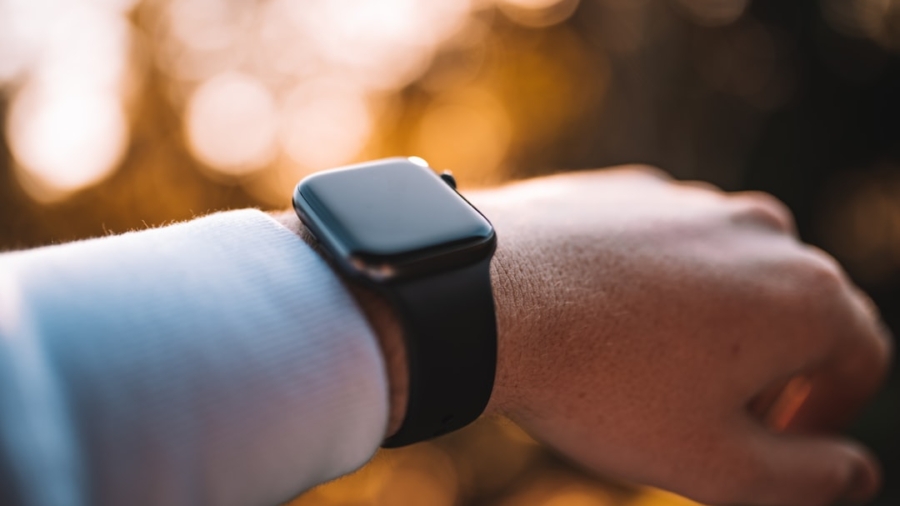
Ever wondered if those wristbands and smartwatches you see athletes wearing are more than just fancy gadgets? You’re not alone. The short answer is yes, wearable devices are becoming truly valuable tools for athletes looking to get the most out of their recovery, essentially helping them train smarter, not just harder. They’re moving beyond simple step counting and becoming sophisticated partners in the recovery process.
Understanding the Athlete’s Recovery Cycle
Recovery isn’t about sitting on the couch and waiting to feel better. For athletes, it’s an active, multifaceted process designed to repair muscle tissue, replenish energy stores, and reduce inflammation.
This cycle is critical for adaptation – the process where your body gets stronger and more resilient in response to training.
Without effective recovery, you risk overtraining, injury, and diminished performance. It’s about striking a balance between pushing your limits and allowing your body the time and resources it needs to rebuild.
The Importance of Sleep
Sleep is arguably the most crucial, yet often overlooked, component of athletic recovery. During sleep, your body releases growth hormone, essential for muscle repair and tissue regeneration. It’s also when your brain consolidates learning, including the motor skills developed during training. Inadequate or poor-quality sleep can severely hamper your body’s ability to recover, leaving you feeling fatigued, irritable, and more susceptible to injury.
Stress and the Body
Physical and mental stress both take a toll on your body. Chronic stress, whether from demanding training, life pressures, or poor sleep, can lead to elevated cortisol levels. High cortisol can promote muscle breakdown, suppress the immune system, and disrupt sleep patterns, creating a vicious cycle that impedes recovery. Learning to manage stress is therefore a vital part of an athlete’s recovery strategy.
Nutrition’s Role in Repair
What you eat directly fuels your body’s repair mechanisms. Post-exercise nutrition, particularly a combination of carbohydrates and protein, is vital for replenishing glycogen stores and providing the building blocks for muscle repair. Micronutrients from a varied diet also play a significant role in reducing inflammation and supporting overall cellular function.
In exploring the advancements in technology that enhance athletic performance, it’s interesting to consider how wearable devices are not only revolutionizing training but also optimizing recovery protocols. A related article that delves into the impact of technology on everyday life is available at What Makes the Google Pixel Phone Different. This article highlights how innovations in consumer technology, like smartphones, can influence various aspects of our daily routines, paralleling how wearables are shaping the future of sports recovery.
How Wearables Measure Key Recovery Indicators
This is where wearables really shine. They’re equipped with sensors that can track a range of physiological data points that provide insights into your recovery status. Instead of guessing how you feel one day or the next, you get objective data that can inform your training decisions.
Heart Rate (HR) and Heart Rate Variability (HRV)
Resting Heart Rate: Your heart rate when you’re completely at rest, typically measured first thing in the morning before you even get out of bed. A consistently elevated resting heart rate can be an indicator that your body is still working hard to recover from previous exertions, or that you might be coming down with something.
Heart Rate Variability (HRV): This is a measure of the variation in time between your heartbeats. It’s not just about how fast your heart is beating, but how much it’s fluctuating. A higher HRV generally indicates that your autonomic nervous system is balanced and your body is well-recovered and ready for stress. Conversely, a lower HRV can signal fatigue, stress, or illness, suggesting it’s time for a lighter training day or a rest day. Think of it as a direct line to your nervous system’s readiness.
Sleep Tracking Sophistication
Modern wearables go far beyond simply logging duration. They can break down your sleep into different stages: light sleep, deep sleep, and REM (Rapid Eye Movement) sleep.
Deep Sleep: This is crucial for physical restoration, with the body releasing growth hormone and repairing tissues.
REM Sleep: Important for cognitive function, learning, and emotional regulation.
By analyzing these stages, you can get a clearer picture of the quality of your sleep, identifying patterns that might be hindering your recovery and allowing you to make adjustments to your sleep hygiene.
Core Body Temperature
Some advanced wearables can estimate your core body temperature. Fluctuations in core body temperature can be indicative of inflammation, illness, or even your readiness for a particular type of training. For example, a slight rise in temperature might suggest your body is fighting something off, prompting a need to dial back intensity.
Movement and Activity Tracking
While basic, the ability to track overall movement and activity levels provides context. It helps understand the cumulative load your body has been under, both from planned training and incidental daily activity. This data, combined with other metrics, helps paint a fuller picture of your recovery needs.
Actionable Insights for Training Zones
The data from wearables isn’t just for looking at. The real value comes from translating that data into concrete training decisions. This is where optimization truly happens.
Identifying Readiness to Train
- Morning Readiness Scores: Many wearable platforms provide a daily readiness score based on your accumulated data (HRV, sleep, resting HR, etc.). This score helps you make informed decisions about whether to push hard, take a moderate session, or opt for active recovery or a complete rest day. It’s like having a daily check-in with your body’s internal status.
- Training Load Monitoring: By tracking your workout intensity and duration, and correlating it with your recovery metrics, you can get a better understanding of your overall training load and how it impacts your recovery. This helps prevent overtraining and ensures you’re progressively overloading your system in a sustainable way.
Adjusting Intensity and Duration
When your HRV is low or your resting HR is elevated, it’s a clear signal that your body needs more recovery. Instead of sticking to a pre-planned intense session, you can use wearable data to:
- Reduce Intensity: Opt for a lower-intensity workout, focusing on technique or aerobic work rather than maximum effort.
- Shorten Duration: Cut your planned workout duration to lessen the physical stress.
- Swap Exercise Type: If strength training was planned, consider a lighter cardio session or a mobility routine instead.
Zone-Based Training
Some wearables, especially those integrated with heart rate monitors, can help you train within specific heart rate zones.
- Aerobic Zone (Zone 2): Essential for building endurance and improving your body’s ability to use fat for fuel. This is often where a lot of your recovery-focused training should occur.
- Threshold Zone: Pushing the boundaries of your aerobic capacity.
- Anaerobic Zone: High-intensity efforts.
By using wearable data to guide your training within these zones, you can ensure you’re not overstressing your system during endurance work and appropriately challenging it during high-intensity intervals, all while being more aware of your recovery needs between sessions.
Strategies for Enhancing Sleep Quality
Wearables offer specific insights into your sleep that can be used to improve it.
Analyzing Sleep Stages and Patterns
- Identifying Disruptions: Did you notice a significant drop in deep sleep on the night before a hard workout? Wearables can highlight these patterns. This might prompt you to reduce late-night caffeine, avoid heavy meals close to bedtime, or ensure your bedroom is dark and cool.
- Understanding REM Cycles: While less directly actionable for immediate recovery, understanding your REM sleep patterns can contribute to a holistic view of your well-being and stress levels, indirectly impacting recovery.
Improving Sleep Hygiene Based on Data
- Consistency is Key: Wearables often emphasize the importance of consistent sleep and wake times. Seeing how deviations impact your sleep scores can be a powerful motivator to stick to a schedule, even on weekends.
- Environmental Factors: While wearables can’t directly measure your room temperature or light exposure, the results they show in your sleep data can prompt you to proactively optimize these factors. For example, if your deep sleep is consistently poor, you might re-evaluate your bedroom environment.
- Pre-Sleep Routine: If your data shows poor sleep quality after late-night screen time or stressful activities, you can implement a wind-down routine that wearables indirectly encourage by highlighting the negative impact of non-optimal pre-sleep habits.
In exploring the advancements in athletic recovery, a related article discusses the best software for video editing in 2023, which can be particularly useful for coaches and athletes looking to analyze performance and recovery techniques through video analysis. By integrating insights from both wearable devices and video editing software, athletes can create a comprehensive approach to optimizing their recovery protocols. For more information on the latest video editing tools, you can read the article here.
Integrating Wearables into Nutrition and Hydration Strategies
While wearables don’t directly measure your food intake or hydration levels in real-time (yet!), the physiological data they provide can heavily inform these crucial recovery aspects.
Timing Nutrient Intake
- Post-Workout Refueling: If your wearable detects a high training load or a particularly intense session (indicated by elevated resting HR or lower HRV the next day), it serves as a prompt to prioritize your post-workout nutrition within the optimal window, ensuring you’re replenishing energy stores and providing amino acids for muscle repair.
- Monitoring Energy Levels: If your daily readiness scores are consistently low, and other factors like poor sleep are ruled out, it might suggest inadequate overall caloric intake or insufficient macronutrient balance. This could be a cue to re-evaluate your daily nutrition.
Optimizing Hydration
- Sweat Rate Estimation: Some advanced wearables can provide rough estimates of sweat loss based on activity, environmental conditions, and heart rate. This can help you gauge how much fluid you might need to replenish during and after exercise.
- Electrolyte Balance: While direct measurement is rare, consistent dehydration can manifest as elevated resting heart rate and reduced HRV. If your wearable data suggests your body is under strain, and you’re not specifically addressing hydration, it’s a clear indicator to prioritize fluid and electrolyte intake.
Listening to Your Body with Data
The most significant role wearables play here is acting as a data-driven mirror to your body’s signals. If you’re feeling sluggish, and your wearable confirms increased physiological stress or poor recovery metrics, it reinforces the need to pay closer attention to your fueling and hydration – perhaps you need more carbs, more protein, or simply more water.
The Role of Wearables in Injury Prevention
A proactive approach to recovery, guided by wearable data, is a cornerstone of injury prevention. By understanding when your body is truly recovered, you can avoid pushing it beyond its limits, which is often when injuries occur.
Early Detection of Overtraining
- Gradual Decline in Metrics: Overtraining often doesn’t happen overnight. You might see a gradual, persistent decline in HRV, a steady increase in resting heart rate, and a decrease in sleep quality over several days or weeks. Wearables are excellent at flagging these subtle, accumulating changes that might otherwise go unnoticed.
- Performance Plateaus or Declines: If your training intensity remains consistent but your performance metrics (speed, power, endurance) start to dip, and your wearable data indicates poor recovery, it’s a strong sign that your body isn’t adapting and is potentially heading towards overtraining.
Managing Load and Fatigue
- Load Balancing: Wearables help you understand the relationship between your training load and your recovery. You can see how different types of training (e.g., a long run versus a heavy lifting session) impact your physiological markers and adjust your weekly schedule to ensure adequate recovery days are interspersed between high-stress activities.
- Fatigue Accumulation: By monitoring your daily readiness and recovery status, you can track how fatigue is accumulating. If your readiness scores are consistently low, it indicates that your body isn’t bouncing back effectively, and it might be time to significantly reduce your training volume or intensity for a period.
Informing Return-to-Play Strategies
For athletes recovering from injury, wearables can provide objective data to guide their return to sport.
- Gradual Increase in Load: As an athlete progresses through rehabilitation, wearable data can confirm that their physiological markers are returning to baseline, indicating readiness for increasingly demanding activities. This allows for a step-by-step increase in training load, reducing the risk of re-injury.
- Monitoring Stressors: Even during rehabilitation, certain exercises can still place stress on the body. Wearables can help monitor how these exercises are affecting overall physiological recovery, ensuring that rehabilitation doesn’t inadvertently impede the body’s ability to heal.
The Future of Wearables in Athletic Recovery
The technology is constantly evolving, and what we can do with wearables now is just the beginning.
Advanced Biometric Sensors
- Muscle Oxygenation (SmO2): Future wearables might be able to monitor muscle oxygen saturation, providing direct insights into muscle fatigue and recovery during and after exercise.
- Lactate Threshold Monitoring: Real-time monitoring of lactate levels could offer precise indicators of training intensity and recovery needs.
- Hydration Status Sensors: Non-invasive methods for monitoring hydration levels could become commonplace, allowing for more dynamic fluid management.
AI and Machine Learning Integration
- Personalized Recovery Plans: AI will likely move beyond providing simple scores to generating highly personalized, dynamic recovery plans based on an athlete’s unique physiology, training history, and environmental factors.
- Predictive Analytics: Future wearables could become even better at predicting injury risk or potential illness days in advance, based on subtle physiological shifts.
- Nutritional Recommendations: Integration with AI could lead to real-time, personalized nutritional and hydration recommendations linked directly to your physiological state after a workout or during recovery.
Seamless Ecosystems and Data Integration
- Holistic Health View: Wearables will likely become more integrated into broader health and wellness ecosystems, combining data from different devices and platforms to create a truly comprehensive view of an athlete’s well-being.
- Coach and Athlete Collaboration: Enhanced data sharing and analysis tools will foster even closer collaboration between athletes and coaches, allowing for more informed and data-driven decision-making.
Ultimately, wearable devices are transforming how athletes approach recovery. They’re no longer just passive data collectors; they’re active partners, providing the insights needed to optimize every aspect of the recovery process, from sleep and nutrition to training load and injury prevention. By leveraging this technology effectively, athletes can push their boundaries with confidence, knowing their bodies are getting the best possible chance to adapt and thrive.
FAQs
What are wearable devices?
Wearable devices are electronic devices that can be worn on the body as accessories or implants. These devices are equipped with sensors and software that collect data and track various aspects of the user’s health and fitness.
How do wearable devices optimize athletic recovery protocols?
Wearable devices can track metrics such as heart rate, sleep patterns, and activity levels, providing athletes and their coaches with valuable data to optimize recovery protocols. By monitoring these metrics, wearable devices can help athletes understand their body’s response to training and adjust their recovery strategies accordingly.
What types of data can wearable devices track for athletic recovery?
Wearable devices can track a wide range of data including heart rate variability, sleep quality and duration, body temperature, hydration levels, and activity levels. This data can provide insights into an athlete’s overall health and readiness for training or competition.
How do athletes and coaches use the data from wearable devices?
Athletes and coaches can use the data from wearable devices to make informed decisions about training intensity, recovery strategies, and injury prevention. By analyzing the data, they can identify patterns and trends that can help optimize performance and reduce the risk of overtraining or injury.
What are some popular wearable devices used in athletic recovery protocols?
Popular wearable devices used in athletic recovery protocols include fitness trackers, smartwatches, heart rate monitors, and sleep tracking devices. These devices are designed to be comfortable and unobtrusive, allowing athletes to wear them during training and throughout the day to gather comprehensive data for recovery optimization.
Enjoying our content? Make us a preferred source on Google:
Add us as a Preferred Source on Google