

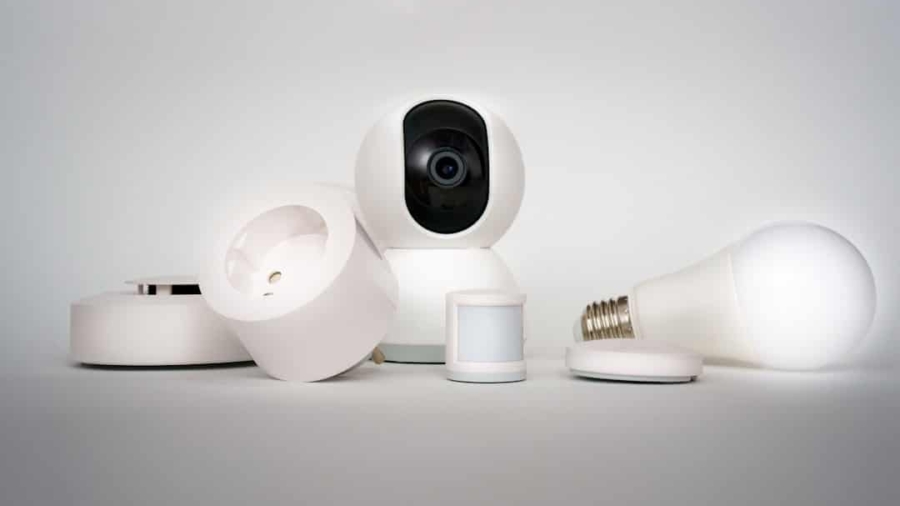
Let’s talk about how the Internet of Things (IoT) is changing the way we keep our homes safe. Basically, IoT in home security means connecting various devices to the internet to monitor and manage your property. Think smart locks, cameras, motion sensors, and even things like smart smoke detectors – all talking to each other and to you. It’s not just about deterring burglars anymore; it’s about a more integrated approach to keeping your home and loved ones secure, and often, giving you peace of mind even when you’re miles away.
The core idea behind IoT home security is giving you a level of awareness and control that wasn’t really possible before. Instead of relying on a traditional alarm system that just rings, you get real-time notifications and can even interact with your home remotely. This shift from passive monitoring to active engagement is a huge part of what makes IoT so impactful in this space. It’s about being proactive, not just reactive.
The Evolution of Home Security
For a long time, home security meant a barking dog and maybe a basic alarm system with a sticker on the window. Then came the professionally monitored systems, which were a step up but still felt a bit rigid. They often involved complicated installations and monthly fees that felt like a necessary evil. IoT has democratized this, making advanced features accessible and often more affordable for the average homeowner.
Beyond the Alarm: A Holistic Approach
What’s exciting about IoT is that it’s not just about “security” in the traditional sense. It’s about creating a smart ecosystem that contributes to safety in broader ways. For instance, a smart smoke detector not only alerts you to fire but can also notify the fire department or unlock doors for easier evacuation. It’s about adding layers of intelligence and interconnectedness to your living space.
What Does “Connected” Actually Mean for Security?
When we say devices are “connected,” it means they can communicate with each other and with your smartphone or other devices via your home’s Wi-Fi network. This communication allows them to share information and trigger actions. For example, a motion sensor detecting movement can tell a smart camera to start recording or signal your phone to send an alert. This interconnectedness is what powers the advanced features we’ll explore.
In exploring the advancements in home security and surveillance through the Internet of Things (IoT), it is also beneficial to consider the impact of effective project management software on the implementation of these technologies. A related article that delves into this topic is available at Best Software for Project Management, which discusses various tools that can streamline the integration of IoT devices in residential settings, ensuring that security systems are not only efficient but also well-coordinated.
Key Takeaways
- Clear communication is essential for effective teamwork
- Active listening is crucial for understanding team members’ perspectives
- Conflict resolution skills are important for maintaining a positive team dynamic
- Trust and respect are the foundation of a successful team
- Celebrating achievements and milestones boosts team morale and motivation
Smart Cameras: Your Eyes and Ears on the World
Smart security cameras are probably the most visible component of IoT home security for many people. They’ve come a long way from grainy black-and-white footage. Today’s smart cameras offer high-definition video, night vision, two-way audio, and intelligent motion detection, all accessible from your phone.
Real-Time Monitoring and Alerts
The primary benefit here is being able to see what’s happening at your home in real-time. If a motion sensor triggers, your camera can start recording and send you a notification with a snapshot or even a short video clip. This allows you to quickly assess the situation and decide on the appropriate response, whether it’s to dismiss a false alarm or contact the authorities.
Two-Way Audio for Interaction
Many smart cameras come equipped with built-in microphones and speakers. This means you can not only see and hear what’s going on but also speak to whoever is there. This is incredibly useful for a variety of scenarios. You can tell a delivery person where to leave a package, warn off a potential intruder, or even talk to your kids when they get home from school.
Sophisticated Motion Detection and Activity Zones
Instead of just reacting to any movement, many newer cameras offer advanced motion detection. You can often set up specific “activity zones” where you want the camera to focus. This means you won’t get alerts every time a car drives by the street or a pet wanders through the living room. You can tailor the detection to what matters most to you, reducing nuisance notifications.
Cloud Storage and Local Recording Options
When it comes to storing video footage, you usually have a couple of options. Many smart cameras offer cloud storage subscriptions, which means your footage is saved remotely and you can access it from anywhere. There are also cameras that support local storage, often through a microSD card or a connected hard drive, giving you more direct control over your data. The choice often depends on your preference for convenience versus control.
Smart Locks and Access Control: Keyless Entry with a Brain

Smart locks are another area where IoT is making a significant impact. They offer convenience, enhanced security features, and the ability to grant or revoke access remotely, all without a traditional key.
Keyless Entry and Remote Locking/Unlocking
The most obvious advantage is the ability to ditch your physical keys. You can unlock your door using a smartphone app, a keypad code, or even your fingerprint with some high-end models.
Beyond just convenience, you can lock or unlock your door remotely. Forgot to lock up after yourself? No problem, just pull up the app and secure your home.
Granting Temporary Access
This is where smart locks really shine for practical applications.
Need to let a house cleaner, a pet sitter, or a family member in while you’re not home? You can create temporary access codes that expire after a certain time or a set number of uses. This eliminates the need to hide spare keys under a doormat or worry about who has a copy of your physical key.
Activity Logs and Notifications
Smart locks typically keep a detailed log of who enters and exits your home, and when.
You can often set up notifications to alert you every time the door is unlocked or locked, providing an extra layer of awareness and accountability. This can be reassuring, especially if you have teenagers or frequently have guests.
Integration with Other Smart Home Devices
The real power of smart locks is their ability to integrate with other smart home devices. For example, a smart lock can be programmed to unlock the door when it detects your car arriving in the driveway (via a connected smart garage door opener) or to activate your smart lighting as you walk in. Conversely, it can automatically lock your doors when you leave, tying into your departure routine.
Smart Sensors: The Unsung Heroes of Detection

While cameras and locks get a lot of attention, smart sensors are the quiet workhorses of an IoT home security system. They come in various forms, each designed to detect a specific type of potential threat or event.
Motion Sensors: Detecting Movement Beyond the Camera’s View
Motion sensors are crucial for alerting you to unexpected activity within your home or on your property, especially in areas not covered by cameras or in instances where cameras might be blinded (e.g., by darkness). They can detect movement through infrared, microwave, or ultrasonic technology.
Door and Window Sensors: Securing Entry Points
These small, discreet sensors are placed on doors and windows. When a door or window is opened, the magnetic contact between the two parts of the sensor is broken, triggering an alert. This is a fundamental security measure, ensuring that any unauthorized entry is immediately flagged.
Environmental Sensors: Protecting Against More Than Just Intruders
IoT security extends beyond just deterring break-ins. Smart environmental sensors play a vital role in protecting your home and its occupants from other dangers:
- Smart Smoke and Carbon Monoxide Detectors: These devices don’t just sound an alarm locally. They can send smartphone alerts wherever you are, potentially saving lives by notifying you of a fire or gas leak even when you’re not home to hear a traditional siren. Some can also alert emergency services directly.
- Water Leak Sensors: Placed near water heaters, washing machines, or under sinks, these sensors can detect the presence of water, alerting you to potential leaks before they cause significant damage to your home.
- Temperature Sensors: These can alert you if the temperature in your home drops too low (risking frozen pipes) or rises too high (potentially damaging sensitive electronics or impacting those with health conditions).
The Power of Integration with Sensors
| Metrics | Description |
|---|---|
| Number of IoT devices | The total number of IoT devices used for home security and surveillance. |
| Incidents prevented | The number of security incidents prevented due to IoT devices. |
| Response time | The average time taken to respond to security alerts or breaches. |
| Cost savings | The amount of money saved on security costs due to IoT implementation. |
| User satisfaction | The level of satisfaction among users with IoT home security systems. |
The true value of these sensors comes when they are integrated into a smart home system. For example, a motion sensor detecting movement in the living room at an unusual hour could trigger all the lights to turn on, making the house look occupied and potentially scaring off an intruder.
Or, a door sensor opening could disable a smart alarm, assuming it’s you entering.
In exploring the advancements in home security and surveillance, it is interesting to consider how technology is also enhancing personal health management. For instance, the integration of IoT in various devices not only improves safety but can also monitor health metrics effectively. A related article discusses the best Android health management watches, highlighting how these devices can track vital signs and fitness levels, further contributing to overall well-being. You can read more about this innovative technology in the article found here.
The Hub and Ecosystem: Bringing It All Together
For all these smart devices to work cohesively, you often need a central hub or a robust smart home ecosystem. This acts as the brain, facilitating communication between different devices and allowing you to control them all from a single interface.
The Role of the Smart Home Hub
A smart home hub, whether it’s a dedicated device like Amazon Echo or Google Nest Hub, or a more specialized security hub, acts as the central controller. It connects to your Wi-Fi and then communicates with your various smart security devices using different wireless protocols (like Wi-Fi, Zigbee, or Z-Wave). This eliminates the need for each device to connect directly to the internet individually, which can sometimes lead to network congestion.
Different Ecosystems and Compatibility
You’ll often find that smart home devices are designed to work within specific ecosystems. For instance, Apple HomeKit-compatible devices work best with Apple devices, while Google Assistant-enabled devices integrate seamlessly with Google products. Amazon Alexa is another dominant player, with a vast range of compatible devices. Before buying, it’s crucial to check for compatibility to ensure your chosen devices will play nicely together.
Mobile Apps: Your Command Center
The primary way you’ll interact with your IoT security system is through a dedicated mobile app. These apps are designed to be user-friendly, allowing you to:
- View live camera feeds
- Arm and disarm your system
- Receive and review alerts
- Control smart locks and sensors
- Access recorded footage
- Create automation rules and schedules
The Importance of a Reliable Network
A robust and reliable home Wi-Fi network is absolutely essential for an effective IoT security system. If your internet connection is spotty or your Wi-Fi signal is weak in certain areas, your devices may not function properly, leading to missed alerts or unresponsive controls. Investing in a good router and ensuring adequate Wi-Fi coverage is a fundamental step.
In exploring the advancements in home security and surveillance, it is essential to consider how the Internet of Things (IoT) is transforming these systems. A related article discusses the latest consumer technology breakthroughs, highlighting how innovative devices are enhancing safety and convenience in our daily lives. For more insights, you can read about these developments in the article on CNET, which tracks all the latest consumer technology breakthroughs here. This connection between IoT and consumer tech underscores the importance of staying informed about the tools that can protect our homes.
Beyond the Basics: Advanced Features and Considerations
As IoT security continues to evolve, we’re seeing more sophisticated features and important considerations emerge. It’s not just about having the gadgets; it’s about how they’re used and the implications they have.
Geofencing for Automated Security
Geofencing uses your smartphone’s GPS to create a virtual boundary. When you leave this boundary (i.
e.
, leave your home), your security system can automatically arm itself. When you enter the boundary (i.e., arrive home), it can disarm. This automation adds a layer of convenience and ensures your home is protected without you having to remember to do it manually.
Artificial Intelligence and Machine Learning
AI and ML are increasingly being integrated into smart security devices. This can manifest in several ways:
- Facial Recognition: Some cameras can identify known individuals and differentiate them from strangers, sending different types of alerts or even avoiding alerts altogether for family members.
- Package Detection: AI can be trained to recognize when a package has been delivered to your doorstep, notifying you so you can retrieve it.
- Anomaly Detection: More advanced systems can learn your home’s typical patterns of activity and alert you to unusual events that deviate from the norm, even if they don’t fit a predefined “threat” category.
Professional Monitoring vs. Self-Monitoring
With IoT systems, you generally have two options for monitoring:
- Self-Monitoring: This is the more common and often cheaper option. You receive alerts directly on your phone and are responsible for contacting the authorities if necessary.
- Professional Monitoring: Some IoT security companies offer optional professional monitoring services. Trained professionals receive alerts first and will assess the situation and dispatch emergency services if they deem it necessary. This adds an extra layer of security and peace of mind but usually comes with a monthly fee.
Privacy and Data Security Concerns
This is arguably one of the most important, yet often overlooked, aspects of IoT home security. When you connect devices to the internet, you’re introducing potential vulnerabilities.
- Data Encryption: Ensure your devices and the platform they use employ strong encryption to protect your video streams and personal data from unauthorized access.
- Account Security: Use strong, unique passwords for your smart home accounts and enable two-factor authentication whenever possible.
- Device Permissions: Be mindful of the permissions you grant to smart home apps, and regularly review them.
- Understanding Data Usage: Familiarize yourself with the company’s privacy policy to understand how your data is collected, stored, and used. Regular firmware updates are also crucial for patching security vulnerabilities.
Power Outages and Internet Disruptions
It’s important to consider what happens if your internet goes down or there’s a power outage. Many smart devices will simply go offline. Some systems offer battery backup for key components, and cellular backup for internet connectivity can be a valuable addition for professional monitoring plans to ensure continuous protection.
The landscape of home security is continually shifting, with IoT at the forefront. By understanding the capabilities and considerations, you can build a system that not only makes your home safer but also offers a greater sense of control and peace of mind.
FAQs
What is IoT in home security and surveillance?
IoT, or Internet of Things, refers to the network of physical devices, vehicles, home appliances, and other items embedded with sensors, software, and connectivity which enables them to connect and exchange data. In the context of home security and surveillance, IoT devices include smart cameras, motion sensors, and smart locks that can be controlled and monitored remotely.
How does IoT enhance home security and surveillance?
IoT enhances home security and surveillance by providing real-time monitoring and control of security devices through a smartphone or computer. This allows homeowners to receive instant alerts, view live video feeds, and remotely control their security systems from anywhere with an internet connection.
What are some common IoT devices used in home security and surveillance?
Common IoT devices used in home security and surveillance include smart cameras, door and window sensors, motion detectors, smart locks, and video doorbells. These devices are designed to provide enhanced security and surveillance capabilities while offering remote access and control.
What are the benefits of using IoT in home security and surveillance?
The benefits of using IoT in home security and surveillance include increased convenience, improved monitoring capabilities, enhanced security features, and the ability to integrate with other smart home devices. IoT also allows for remote access and control, as well as the ability to receive instant alerts and notifications.
What are some considerations for using IoT in home security and surveillance?
Considerations for using IoT in home security and surveillance include ensuring the security and privacy of the IoT devices and network, selecting compatible devices that work seamlessly together, and understanding the potential vulnerabilities and risks associated with IoT technology. It’s also important to regularly update and secure IoT devices to prevent unauthorized access.
Enjoying our content? Make us a preferred source on Google:
Add us as a Preferred Source on Google