

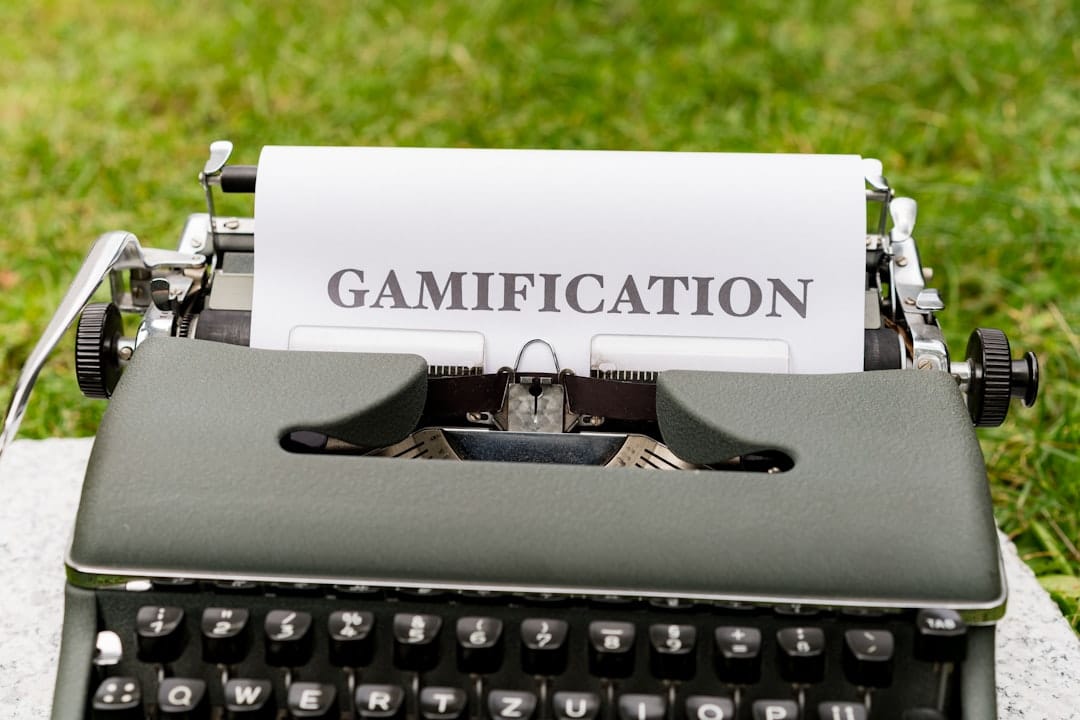
Gamification refers to the application of game-design elements and principles in non-game contexts, aiming to enhance user engagement and motivation. In recent years, this concept has gained traction in various fields, particularly in personal productivity apps. These applications, designed to help users manage their time, tasks, and goals more effectively, have increasingly incorporated gamified features to improve user experience and outcomes. By integrating elements such as points, badges, leaderboards, and challenges, developers seek to transform mundane tasks into engaging activities that encourage users to stay focused and productive.
The rise of gamification in personal productivity apps can be attributed to the growing demand for innovative solutions that address the challenges of time management and task completion. As individuals face an ever-increasing array of responsibilities, the need for effective tools to enhance productivity has become paramount. Gamification offers a unique approach by leveraging the intrinsic motivations associated with gaming, making the process of achieving personal goals more enjoyable and rewarding. This article will explore the benefits of gamification, its impact on user engagement, and the psychological principles that underpin its effectiveness in personal productivity applications.
In exploring the impact of technology on personal productivity, an interesting article to consider is “How Smartwatches Are Enhancing Connectivity.” This piece delves into the ways smartwatches facilitate seamless communication and task management, complementing the principles of gamification found in personal productivity apps. By integrating notifications and reminders directly into wearable devices, users can stay engaged and motivated, further enhancing their productivity. For more insights, you can read the article here: Many productivity apps incorporate social features that allow users to share their achievements or compete with friends. This social aspect can foster a sense of belonging and accountability, as users are more likely to stay committed to their goals when they know others are watching or participating alongside them. The combination of individual achievement and social interaction can significantly enhance user engagement, making the app experience more enjoyable and fulfilling. Several popular personal productivity apps have successfully integrated gamification into their platforms. One notable example is Todoist, which employs a karma system that rewards users with points for completing tasks and maintaining productivity streaks. Users can track their karma points over time and compare their scores with friends, adding a competitive element that encourages consistent task completion. Another example is Habitica, an app that transforms daily tasks into a role-playing game. Users create avatars and earn rewards for completing real-life tasks, such as exercising or studying. The app’s unique approach combines task management with gaming mechanics, making it an engaging tool for users looking to improve their productivity while having fun. These examples illustrate how gamification can be effectively utilized in personal productivity apps to enhance user experience and drive results. In exploring the impact of gamification on personal productivity apps, it’s interesting to consider how technology continues to evolve and influence our daily lives. A related article discusses the latest trends in tech and their implications for various industries, which can provide further insights into how gamification is shaping user engagement. For more information, you can read the article on The Next Web. Examples of Gamification in Popular Personal Productivity Apps

The Psychology Behind Gamification and Personal Productivity
Metric
Description
Impact of Gamification
Example Data
User Engagement
Frequency and duration of app usage
Increases session length and daily active users by motivating continued use
+30% daily active users after gamification features added
Task Completion Rate
Percentage of tasks completed within the app
Boosts completion rates through rewards and progress tracking
Task completion improved from 65% to 85%
User Retention
Percentage of users returning after 30 days
Enhances retention by creating habit-forming loops and incentives
Retention increased from 40% to 60%
Motivation Levels
Self-reported user motivation to complete tasks
Gamification elements like badges and leaderboards raise motivation
Average motivation score rose from 3.2 to 4.5 (scale 1-5)
Goal Achievement Rate
Percentage of users achieving set productivity goals
Gamification encourages goal setting and achievement through feedback
Goal achievement rate increased by 25%
The effectiveness of gamification in personal productivity apps can be understood through various psychological principles. One key concept is the idea of intrinsic versus extrinsic motivation. While intrinsic motivation comes from within—such as personal satisfaction or a sense of accomplishment—extrinsic motivation involves external rewards like points or badges. Gamification often leverages both types of motivation by providing immediate rewards for task completion while also fostering a sense of personal achievement.
Another relevant psychological principle is the concept of flow, which refers to a state of complete immersion in an activity. Gamified elements can help users achieve flow by providing clear goals, immediate feedback, and a balance between challenge and skill level. When users experience flow while using a productivity app, they are more likely to remain engaged and focused on their tasks. This psychological understanding underscores the importance of thoughtful gamification design in creating effective personal productivity tools.
In exploring the impact of gamification on personal productivity apps, it is interesting to consider how design elements can enhance user engagement across various platforms. For instance, a related article discusses the importance of visual appeal in software, particularly in the context of logo design. You can read more about this topic in the article on logo design software, which highlights how effective design can influence user experience and motivation, paralleling the principles of gamification in productivity tools.
Gamification and Motivation in Personal Productivity Apps
Motivation plays a crucial role in determining how effectively individuals manage their time and complete tasks. Gamification taps into various motivational theories to enhance user engagement and drive productivity. For instance, the Self-Determination Theory posits that individuals are motivated by three basic psychological needs: autonomy, competence, and relatedness. Gamified features can address these needs by allowing users to set their own goals (autonomy), track their progress (competence), and connect with others (relatedness).
Furthermore, gamification can create a sense of urgency through time-limited challenges or competitions. This urgency can motivate users to act quickly and prioritize their tasks more effectively. By introducing elements that encourage timely completion—such as countdown timers or limited-time rewards—gamified apps can help users overcome procrastination and maintain focus on their objectives.
Challenges and Limitations of Gamification in Personal Productivity Apps
Despite its advantages, gamification in personal productivity apps is not without challenges and limitations. One significant concern is that excessive reliance on extrinsic rewards may undermine intrinsic motivation over time.
If users become too focused on earning points or badges, they may lose sight of the underlying purpose of their tasks—leading to decreased satisfaction and engagement in the long run.
Additionally, not all users respond positively to gamified elements. Some individuals may find these features distracting or overwhelming rather than motivating. It is essential for developers to consider diverse user preferences when designing gamified experiences. Striking the right balance between engaging features and user autonomy is crucial for ensuring that gamification enhances rather than detracts from productivity.
The Future of Gamification in Personal Productivity Apps
As technology continues to evolve, the future of gamification in personal productivity apps holds significant potential for innovation. Developers are likely to explore new ways to integrate advanced technologies such as artificial intelligence and machine learning into gamified experiences. These technologies could enable personalized recommendations based on user behavior, further enhancing motivation and engagement.
Moreover, as remote work becomes increasingly prevalent, there may be opportunities for gamified apps to address the unique challenges faced by remote workers. Features that promote collaboration and team-based challenges could foster a sense of community among distributed teams while enhancing individual productivity.
In conclusion, gamification has emerged as a powerful tool for enhancing personal productivity through engaging app experiences. By leveraging psychological principles and incorporating game-like elements, developers can create applications that motivate users to achieve their goals while fostering sustainable habits. However, it is essential to remain mindful of potential challenges and limitations as the field continues to evolve. The future promises exciting developments that could further transform how individuals approach productivity in their daily lives.
FAQs
What is gamification in personal productivity apps?
Gamification in personal productivity apps refers to the integration of game-like elements such as points, badges, leaderboards, and challenges to motivate users and enhance their engagement with productivity tasks.
How does gamification improve personal productivity?
Gamification improves personal productivity by making task completion more enjoyable and rewarding, which can increase motivation, encourage consistent use of the app, and help users develop positive habits.
What are common gamification features found in productivity apps?
Common gamification features include progress tracking, achievement badges, streaks for consecutive task completion, points systems, levels, and social sharing or competition elements.
Are gamification techniques effective for all users?
While gamification can be effective for many users by boosting motivation and engagement, its impact varies depending on individual preferences and personality types; some users may find game elements distracting or less motivating.
Can gamification lead to long-term productivity improvements?
Yes, when designed well, gamification can support long-term productivity improvements by fostering habit formation, providing continuous feedback, and maintaining user interest over time. However, sustained effectiveness depends on the app’s design and user commitment.