

The increasing reliance on digital identities and remote authentication has amplified the threat of spoofing attacks, where malicious actors attempt to impersonate legitimate users. Biometric systems, while offering enhanced security and convenience, are not inherently immune to such manipulations. This article delves into the critical role of biometric liveness detection in preventing spoofing, exploring its mechanisms, challenges, and evolving landscape.
Biometric spoofing, often referred to as presentation attacks, involves presenting a fake biometric sample to an authentication system with the intent to deceive it. This can range from sophisticated 3D masks to printed photographs or recorded videos. The consequences of successful spoofing are significant, encompassing financial fraud, unauthorized access to sensitive data, and compromise of personal privacy.
Types of Biometric Spoofing Attacks
Various methods are employed to create spoofed biometric samples. Understanding these techniques is crucial for developing effective countermeasures.
- 2D Presentation Attacks: These involve presenting flat representations of a biometric, such as a photograph of a face, a printed fingerprint, or a recorded voice. The simplicity of these methods makes them a common starting point for attackers. Imagine trying to trick a doorman by holding up a picture of the authorized person’s face – this is the digital equivalent.
- 3D Presentation Attacks: More advanced and challenging to detect, 3D attacks involve creating more realistic replicas. This can include silicone masks, prosthetic fingers, or sophisticated voice synthesis. These attacks aim to mimic not just the visual or auditory characteristics but also the three-dimensional properties of the biometric. Think of a master forger creating a perfect replica of a key; 3D spoofing aims for a similar level of fidelity.
- Replay Attacks: These attacks involve playing back a legitimate recording of a biometric, such as a video of a face or an audio recording of a voice. The attacker essentially “replays” a genuine interaction to trick the system. This is akin to recording an authorized user speaking a password and then playing that recording back to gain access.
- Synthetic Biometrics: In emerging and more sophisticated scenarios, attackers might generate entirely synthetic biometric data using artificial intelligence and deep learning models. This poses a significant challenge as these synthetic samples may possess characteristics that are difficult to distinguish from genuine biometrics. Consider the creation of a computer-generated image of a person that looks indistinguishable from a real photograph; synthetic biometrics aim for this level of realism in digital form.
Impact of Spoofing on Security and Trust
Successful biometric spoofing erodes public trust in biometric authentication systems. If users perceive these systems as easily circumvented, they will be reluctant to adopt them, hindering the progress of secure digital interactions. Furthermore, the financial and reputational damage to organizations that experience security breaches due to spoofing can be substantial. The integrity of an entire authentication ecosystem hangs in the balance when spoofing attacks are not effectively addressed.
In the ongoing battle against identity theft and digital fraud, the importance of biometric liveness detection cannot be overstated, as highlighted in the article “The Role of Biometric Liveness Detection in Preventing Spoofing.” This technology plays a crucial role in ensuring that biometric systems can differentiate between genuine users and potential spoofing attempts. For those interested in enhancing their digital security measures, you may also find valuable insights in a related article discussing essential tools for content creation, such as screen recording software. You can read more about it here: The Ultimate Guide to the Best Screen Recording Software in 2023.
The Foundation of Liveness Detection
Liveness detection, also known as presentation attack detection (PAD), is the set of technologies and techniques designed to determine whether the biometric sample being presented is from a living, legitimate user or an inanimate artifact or a recording. It acts as a gatekeeper, discerning between the authentic and the fabricated.
Passive Liveness Detection
Passive liveness detection operates without requiring any specific action from the user beyond presenting their biometric. It analyzes intrinsic characteristics of the biometric sample itself to infer liveness.
- Texture Analysis: For facial recognition, passive systems can analyze skin texture, looking for subtle variations, pores, and natural imperfections that are absent in photographs or masks. A printed image might exhibit a uniform pixel pattern, while a live face will display organic complexity.
- Reflectance Properties: Different materials reflect light differently. A live human face or finger will have distinct light absorption and reflection patterns compared to paper, silicone, or a screen. The system essentially “sees” the material composition.
- Motion and Micro-Expressions: For facial liveness, passive systems can detect subtle, involuntary movements, blinking patterns, and micro-expressions that are characteristic of a living person. A photograph, even a high-resolution one, will remain static.
- Pupil Dilation/Contraction: The human eye exhibits natural pupil changes in response to light. Passive systems equipped with infrared sensors can detect these subtle changes, which are absent in pictures or masks. This is a subtle indicator of biological activity.
- Subdermal Features: In advanced fingerprint liveness detection, systems might analyze characteristics beneath the surface of the skin, such as blood flow or sweat gland activity, which are impossible to replicate with a static imprint.
Active Liveness Detection
Active liveness detection requires the user to perform a specific action or respond to a prompt, providing dynamic data that confirms their liveness. This interaction adds another layer of verification.
- Random Challenge-Response: This is a common method where the system prompts the user to perform a random action, such as blinking, smiling, turning their head, or speaking a specific phrase. The unpredictable nature of these prompts makes them difficult for attackers to anticipate and pre-record. Imagine a digital “Simon Says” game, but for verification.
- Eye Tracking and Gaze Detection: The system might instruct the user to follow a moving dot on the screen with their eyes. This provides dynamic data about eye movement and coordination that is challenging to fake.
- Voice Prompts: For voice biometrics, the system might ask the user to repeat a randomly generated sentence or a sequence of numbers. This prevents replay attacks as the recorded voice wouldn’t match the dynamic challenge.
- Infrared and Depth Sensing: These technologies can be used actively to prompt the user to show depth or respond to specific light patterns. A true 3D object will react differently to these stimuli than a 2D image or a less sophisticated mask.
Technologies Underpinning Liveness Detection
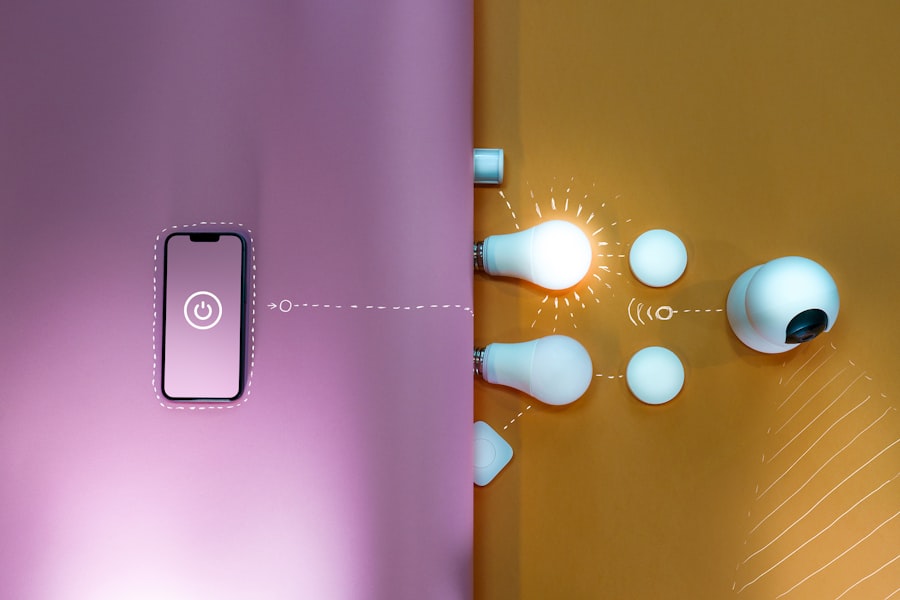
The effectiveness of liveness detection relies on a combination of hardware and software technologies. These elements work in concert to differentiate between authentic and fabricated biometric samples.
Sensor Technology
The quality and type of sensors used play a pivotal role in capturing sufficient data for liveness detection.
- High-Resolution Cameras: For facial and iris recognition, cameras capable of capturing minute details, including texture and subtle movements, are essential.
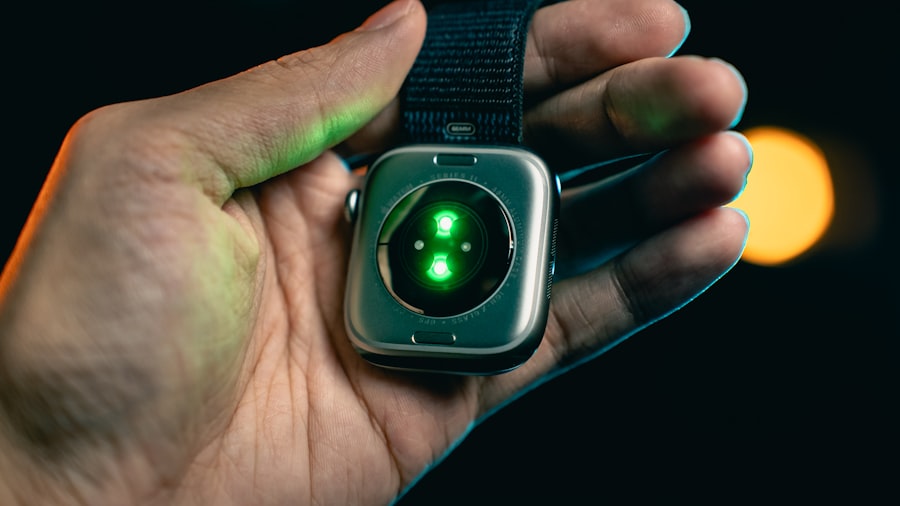
- Infrared (IR) Sensors: IR technology can detect heat signatures, blood flow, and pupil dilation, providing crucial liveness indicators not visible in the visible light spectrum.
- 3D Depth Sensors (e.g., Structured Light, Time-of-Flight): These sensors create a 3D map of the presented biometric, making it significantly harder to fool with 2D photographs or flat masks. They are like a specialized ruler that measures not just length and width, but also depth.
- Multispectral Imaging: This technique uses different wavelengths of light to capture various layers and properties of the skin, offering a more comprehensive dataset for analysis.
Artificial Intelligence and Machine Learning
AI and machine learning (ML) algorithms are the intelligence behind modern liveness detection systems, enabling them to learn and adapt to new spoofing techniques.
- Deep Learning (DL) for Feature Extraction: DL models, particularly convolutional neural networks (CNNs), excel at extracting subtle features from biometric images or audio that indicate liveness or spoofing. They can identify patterns that human observation might miss.
- Behavioral Biometrics for Active Liveness: ML algorithms can analyze the way a user interacts with an active liveness challenge, looking for natural human variations in movement, timing, and response. Deviations from expected human behavior can flag a potential spoofing attempt.
- Anomaly Detection: AI systems can develop a baseline understanding of genuine biometric characteristics and identify any deviations or anomalies that might indicate a spoofing attempt. Think of it as a finely tuned instrument that recognizes the normal “sound” and flags anything that sounds off-key.
- Adversarial Training: In this advanced technique, liveness models are trained against synthetic spoofing attacks generated by other AI models (generative adversarial networks, or GANs). This “arms race” approach helps the liveness detection system become more robust against emerging spoofing methods.
Challenges and Future Directions
Despite significant advancements, challenges remain in the field of biometric liveness detection. The constant evolution of spoofing techniques necessitates continuous innovation.
The Arms Race Between Attackers and Defenders
The development of liveness detection is an ongoing “arms race” with attackers constantly developing new and more sophisticated spoofing methods. As defenses become more robust, attackers seek to exploit new vulnerabilities. This requires continuous research and development to stay ahead of evolving threats. The metaphor of a cat and mouse game is particularly apt here.
Public Acceptance and User Experience
Implementing overly intrusive or complex liveness detection methods can negatively impact user experience and lead to public resistance. There is a delicate balance between security and convenience. A system that is too cumbersome will be avoided, regardless of its security benefits.
Standardization and Interoperability
The lack of widespread standardization for liveness detection methodologies can lead to fragmentation and inconsistent security levels across different systems. Establishing common testing protocols and benchmarks is crucial for wider adoption and interoperability.
Emerging Spoofing Techniques
The rise of deepfakes and advanced AI-generated synthetic biometrics presents a significant challenge. These technologies can create highly realistic digital representations that are difficult to distinguish from genuine ones. The future of spoofing involves increasingly sophisticated digital manipulation.
Multi-Modal Liveness Detection
Future directions include integrating multiple liveness detection techniques across different biometric modalities (e.g., combining facial liveness with voice liveness or fingerprint liveness). This creates a more robust defense, as an attacker would need to spoof multiple biometric traits simultaneously.
Continuous Learning and Adaptation
Liveness detection systems will increasingly incorporate continuous learning capabilities, allowing them to adapt to new spoofing attacks in real-time. This dynamic approach will be essential to maintain effectiveness against an ever-evolving threat landscape. The system will learn from every interaction, becoming smarter with each attempt to deceive it.
In the ongoing discussion about enhancing security measures, the article on the role of biometric liveness detection in preventing spoofing highlights the importance of advanced technologies in safeguarding personal data. A related piece that explores how wearable technology, such as smartwatches, integrates with biometric systems can be found in this informative article about staying stylish with Wear OS by Google. This connection emphasizes the growing trend of combining fashion with functionality in tech, making security both accessible and appealing. For more insights, you can read the article here.
Conclusion
| Metric | Description | Typical Values / Examples | Impact on Spoofing Prevention |
|---|---|---|---|
| False Acceptance Rate (FAR) | Probability that a spoofing attempt is incorrectly accepted as genuine | 0.01% – 0.1% | Lower FAR indicates better spoofing resistance |
| False Rejection Rate (FRR) | Probability that a genuine user is incorrectly rejected | 0.1% – 5% | Balance needed to avoid user inconvenience while preventing spoofing |
| Detection Speed | Time taken to verify liveness during biometric capture | 100 ms – 1 second | Faster detection improves user experience and security response |
| Types of Liveness Checks | Methods used to detect live biometric traits | Motion analysis, texture analysis, pulse detection, 3D depth sensing | Multi-modal checks increase spoofing detection accuracy |
| Attack Vectors Detected | Types of spoofing attacks prevented | Photo attacks, video replay, 3D masks, silicone molds | Comprehensive detection reduces risk of unauthorized access |
| Integration Complexity | Effort required to implement liveness detection in systems | Low to High depending on technology | Higher complexity may delay deployment but improve security |
| User Convenience | Impact on user experience during authentication | Minimal to Moderate interaction required | Better convenience encourages adoption without compromising security |
Biometric liveness detection is no longer an optional add-on but a fundamental component of secure biometric authentication. It acts as the critical barrier between authentic users and malicious impersonators. While challenges persist, the ongoing advancements in sensor technology, artificial intelligence, and multi-modal approaches demonstrate a strong commitment to strengthening the integrity of biometric systems. As digital interactions become more prevalent, the role of robust liveness detection in fostering trust and protecting digital identities will only amplify in importance. Its evolution will dictate the resilience of our digital security infrastructure against the ever-present threat of spoofing.
FAQs
What is biometric liveness detection?
Biometric liveness detection is a security technology used to verify that a biometric sample, such as a fingerprint, face, or iris scan, is being presented by a live person rather than a fake or spoofed representation like a photo, video, or mask.
How does biometric liveness detection help prevent spoofing?
Liveness detection helps prevent spoofing by analyzing specific characteristics that indicate a live presence, such as skin texture, blood flow, eye movement, or subtle facial expressions, making it difficult for attackers to use fake biometric artifacts to gain unauthorized access.
What types of biometric modalities commonly use liveness detection?
Common biometric modalities that incorporate liveness detection include facial recognition, fingerprint scanning, iris recognition, and voice recognition systems, each employing different techniques tailored to the specific biometric trait.
Are there different methods of implementing liveness detection?
Yes, liveness detection methods can be categorized as active or passive. Active methods require user interaction, like blinking or smiling, while passive methods analyze inherent biometric features without user input, such as texture analysis or 3D depth sensing.
Can biometric liveness detection completely eliminate spoofing risks?
While biometric liveness detection significantly reduces the risk of spoofing attacks, no system is entirely foolproof. Continuous advancements in spoofing techniques require ongoing improvements in liveness detection technologies to maintain robust security.