

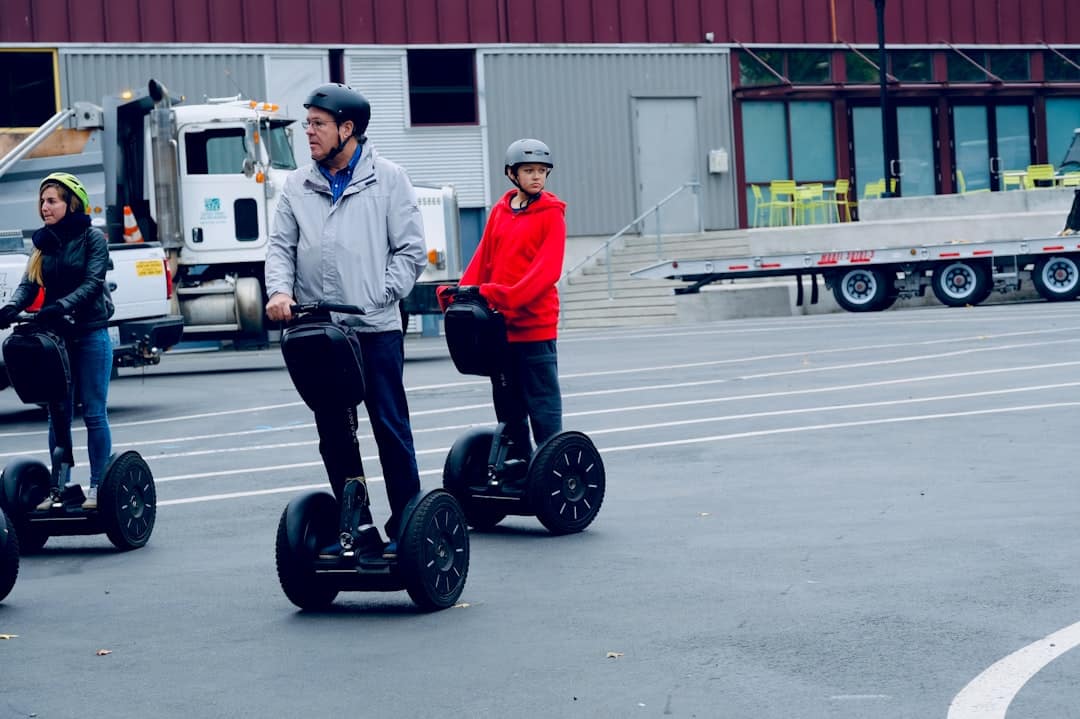
Micro-mobility solutions have emerged as a significant response to the challenges of urban transportation. Defined broadly, micro-mobility encompasses small, lightweight vehicles that are typically used for short-distance travel. This category includes bicycles, e-scooters, and other similar modes of transport that can be easily rented or owned by individuals. The rise of micro-mobility is largely attributed to the increasing congestion in urban areas, the need for sustainable transportation options, and the desire for more efficient last-mile connectivity. As cities grapple with the complexities of modern transportation, micro-mobility offers a flexible alternative that can complement existing public transit systems.
The growth of micro-mobility solutions has been facilitated by advancements in technology and changing consumer preferences. With the proliferation of smartphone applications, users can now easily locate, rent, and pay for micro-mobility vehicles with minimal effort. This convenience has contributed to the rapid adoption of these solutions in various cities around the world. Furthermore, as urban populations continue to swell, the demand for efficient and eco-friendly transportation options is likely to increase, making micro-mobility an essential component of future urban planning strategies.
In exploring the implications of micro-mobility solutions in urban planning, it’s essential to consider the role of technology in enhancing these initiatives. A related article that delves into the importance of innovative tools for urban design is available at Best Free Software for 3D Modeling in 2023. This resource highlights various software options that can aid urban planners in visualizing and implementing micro-mobility strategies effectively, ensuring that cities can adapt to the growing demand for sustainable transportation alternatives.
Key Takeaways
- Micro-mobility offers efficient, eco-friendly transportation options for urban areas.
- Integrating micro-mobility can reduce traffic congestion and improve city livability.
- Successful implementation requires addressing safety, infrastructure, and regulatory challenges.
- Technology plays a crucial role in optimizing micro-mobility services and user experience.
- Future urban planning must prioritize micro-mobility to create sustainable and connected cities.
The Benefits of Micro-Mobility in Urban Planning
Micro-mobility offers several advantages that can significantly enhance urban planning efforts. One of the primary benefits is its potential to reduce traffic congestion. By providing an alternative to traditional vehicles, micro-mobility solutions can decrease the number of cars on the road, leading to less congestion and shorter travel times. This reduction in vehicular traffic not only improves the overall flow of transportation but also contributes to lower emissions and better air quality in urban environments.
Additionally, micro-mobility promotes inclusivity in urban transportation. It provides an accessible option for individuals who may not own a car or prefer not to use public transit for short trips. This inclusivity can enhance mobility for various demographics, including students, low-income residents, and tourists. By integrating micro-mobility into urban planning, cities can create a more equitable transportation landscape that caters to diverse needs and preferences.
Challenges and Considerations for Implementing Micro-Mobility Solutions

Despite its benefits, the implementation of micro-mobility solutions is not without challenges. One significant concern is safety. The introduction of e-scooters and bicycles into busy urban environments raises questions about the safety of riders and pedestrians alike. Cities must consider how to design infrastructure that accommodates these vehicles while minimizing risks. This may involve creating dedicated bike lanes, improving signage, and implementing regulations that govern the use of micro-mobility devices.
Another challenge is the management of micro-mobility fleets. Many cities have witnessed a surge in dockless bike-sharing and e-scooter programs, which can lead to issues related to parking and clutter on sidewalks. Effective management strategies are essential to ensure that these vehicles do not obstruct pedestrian pathways or create hazards. Cities must develop policies that address parking regulations, maintenance responsibilities, and user education to promote responsible usage.
Case Studies of Successful Micro-Mobility Programs
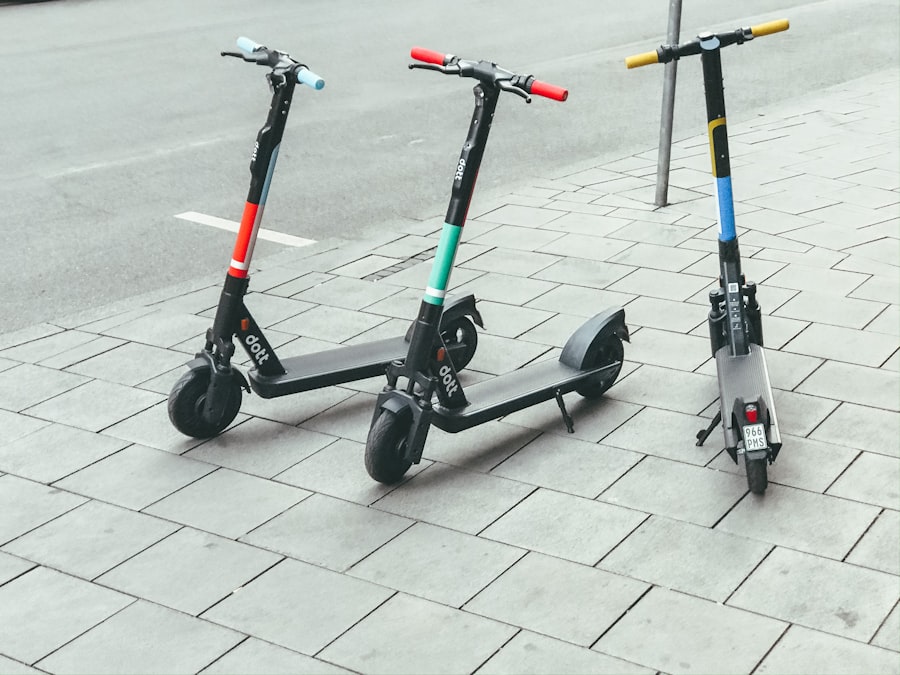
Several cities around the world have successfully implemented micro-mobility programs that serve as models for others looking to adopt similar solutions. For instance, Paris has embraced a comprehensive approach to micro-mobility by integrating bike-sharing programs with extensive cycling infrastructure. The city has invested in dedicated bike lanes and has introduced regulations that promote safe riding practices. As a result, Paris has seen a significant increase in cycling as a mode of transport, contributing to reduced traffic congestion and improved air quality.
Another notable example is San Francisco, which has implemented a regulated e-scooter program that emphasizes safety and responsible usage. The city established a permitting process for e-scooter companies, requiring them to adhere to specific safety standards and operational guidelines. This approach has allowed San Francisco to manage the influx of e-scooters while addressing concerns related to safety and sidewalk clutter. The program has been well-received by residents and has contributed to a more diverse transportation ecosystem.
In exploring the transformative impact of micro-mobility solutions on urban planning, it is essential to consider how these innovations align with emerging marketing technologies. A related article discusses the latest trends in marketing strategies that can enhance the adoption of such solutions in cities. For more insights on this topic, you can read about the various marketing technologies for 2023 in this informative piece. By understanding these connections, urban planners can better integrate micro-mobility into their strategies for sustainable city development. You can find the article here: marketing technologies for 2023.
The Role of Technology in Micro-Mobility Solutions
| Metric | Value | Unit | Year | Notes |
|---|---|---|---|---|
| Number of Micro-Mobility Trips | 85 | Million | 2023 | Trips taken in major US cities |
| Average Trip Distance | 2.4 | miles | 2023 | Typical e-scooter or bike trip length |
| Reduction in Car Usage | 12 | Percent | 2023 | Estimated decrease in urban car trips due to micro-mobility |
| Number of Micro-Mobility Vehicles | 150,000 | Units | 2023 | Shared e-scooters and bikes in top 10 cities |
| Average Speed | 12 | mph | 2023 | Typical speed of e-bikes and e-scooters |
| CO2 Emissions Reduction | 25,000 | Metric Tons | 2023 | Annual reduction attributed to micro-mobility adoption |
| Percentage of Urban Areas with Micro-Mobility Infrastructure | 40 | Percent | 2023 | Includes bike lanes and scooter parking zones |
Technology plays a crucial role in the development and operation of micro-mobility solutions. The integration of mobile applications has transformed how users interact with these services, making it easier to locate and rent vehicles on demand. GPS technology allows users to find nearby bikes or scooters quickly, while payment systems streamline transactions, enhancing user experience.
Moreover, advancements in data analytics are enabling cities to better understand usage patterns and optimize micro-mobility services accordingly. By analyzing data on trip frequency, duration, and user demographics, urban planners can make informed decisions about where to invest in infrastructure improvements or additional services. This data-driven approach can lead to more effective integration of micro-mobility into existing transportation networks.
As cities increasingly embrace innovative transportation methods, the rise of micro-mobility solutions is reshaping urban planning. These alternatives, such as e-scooters and bike-sharing programs, offer convenient ways to navigate congested areas while reducing carbon footprints. A related article discusses the implications of advanced technologies on urban transport systems, highlighting how companies like Tesla are influencing the future of mobility. For more insights on this topic, you can read the article on Tesla’s approach to autonomous driving by following this link: Tesla refutes Elon Musk’s timeline on full self-driving.
The Impact of Micro-Mobility on Urban Infrastructure
The rise of micro-mobility solutions necessitates a reevaluation of urban infrastructure. As cities adapt to accommodate these new modes of transport, there is a growing need for dedicated lanes and parking areas specifically designed for bicycles and e-scooters. This shift can lead to a reallocation of road space traditionally reserved for cars, promoting a more balanced transportation ecosystem.
Furthermore, integrating micro-mobility into urban infrastructure can enhance public transit systems by providing seamless connections between different modes of transport. For example, strategically placed bike-sharing stations near transit hubs can facilitate last-mile connectivity for commuters. This integration not only improves accessibility but also encourages more people to utilize public transit as part of their daily routines.
The Future of Micro-Mobility in Urban Planning
Looking ahead, the future of micro-mobility in urban planning appears promising but will require ongoing adaptation and innovation. As cities continue to grow and evolve, the demand for efficient transportation solutions will only increase. Policymakers will need to remain flexible in their approaches, considering emerging technologies such as autonomous vehicles and electric bikes that could further transform the landscape of urban mobility.
Additionally, fostering collaboration between public agencies and private companies will be essential for the successful implementation of micro-mobility solutions. By working together, stakeholders can develop comprehensive strategies that address safety concerns, infrastructure needs, and user education. This collaborative approach will be vital in creating sustainable micro-mobility systems that benefit all residents.
The Importance of Integrating Micro-Mobility into Urban Planning
In conclusion, integrating micro-mobility solutions into urban planning is crucial for addressing contemporary transportation challenges. The benefits of reduced congestion, increased accessibility, and improved air quality make a compelling case for their inclusion in future urban development strategies. However, careful consideration must be given to safety concerns and infrastructure requirements to ensure successful implementation.
As cities continue to evolve, embracing innovative transportation options like micro-mobility will be essential for creating sustainable urban environments. By prioritizing collaboration among stakeholders and leveraging technology effectively, cities can develop robust micro-mobility systems that enhance mobility for all residents while contributing to a healthier planet.
The future of urban transportation lies in our ability to adapt and integrate these solutions thoughtfully into our cities’ fabric.
FAQs
What are micro-mobility solutions?
Micro-mobility solutions refer to small, lightweight transportation options designed for short-distance travel, such as electric scooters, bicycles, e-bikes, and shared mobility devices. They are typically used for trips under five miles and aim to provide convenient, eco-friendly alternatives to cars.
How are micro-mobility solutions impacting urban planning?
Micro-mobility solutions are influencing urban planning by encouraging cities to redesign infrastructure to accommodate these modes of transport. This includes creating dedicated bike lanes, expanding pedestrian zones, and integrating micro-mobility with public transit systems to improve connectivity and reduce traffic congestion.
What are the environmental benefits of micro-mobility?
Micro-mobility options produce zero or low emissions compared to traditional vehicles, helping to reduce air pollution and greenhouse gas emissions in urban areas. They also promote sustainable transportation habits by decreasing reliance on cars for short trips.
What challenges do cities face when implementing micro-mobility solutions?
Cities often encounter challenges such as ensuring safety for riders and pedestrians, managing sidewalk clutter from parked devices, addressing regulatory and liability issues, and providing equitable access across different neighborhoods.
How do micro-mobility solutions integrate with public transportation?
Micro-mobility solutions complement public transportation by serving as first- and last-mile options, helping users travel between transit stops and their final destinations. Many cities and transit agencies collaborate with micro-mobility providers to offer seamless payment systems and coordinated routes.