

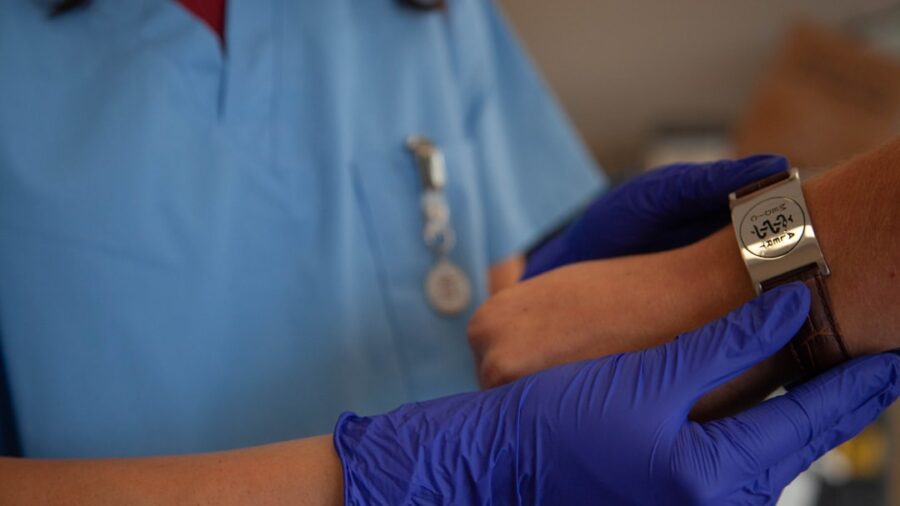
Feeling a little overwhelmed by daily stressors? You’re not alone. The good news is, wearable biofeedback devices are emerging as a practical tool to help us get a handle on that anxiety. In a nutshell, these gadgets give us real-time insights into our body’s stress responses, empowering us to learn how to actively manage them. Instead of just feeling anxious, we can now see what’s happening internally and develop strategies to calm things down.
So, what exactly is biofeedback? Simply put, it’s a technique that trains you to control involuntary bodily functions – things like heart rate, breathing, and skin temperature – by making you aware of them. Think of it like a mirror for your internal state. When you see what’s happening, you can start to influence it.
How Traditional Biofeedback Works
Historically, biofeedback involved clunky equipment in a therapist’s office. Sensors would be attached to your skin, feeding data to a monitor. A therapist would guide you through exercises, and you’d watch your physiological responses change on screen. It was effective, but not exactly convenient for daily use.
The Rise of Wearable Biofeedback
This is where wearables come in. They’ve essentially miniaturized and democratized biofeedback. Now, that same physiological data can be collected by a sleek watch or a small clip, right on your wrist or earlobe. This shift has opened up a world of possibilities for everyday anxiety management.
In exploring the intersection of technology and mental health, the article “The Impact of Wearable Biofeedback on Daily Anxiety Management” highlights how innovative devices can aid individuals in managing anxiety. A related piece that delves into the broader implications of technology in our daily lives is available at this link: New World of Possibilities with the Samsung Galaxy Chromebook 2 360. This article discusses the advancements in technology that enhance user experience and productivity, which can indirectly support mental well-being by reducing stressors associated with daily tasks.
Key Takeaways
- Clear communication is essential for effective teamwork
- Active listening is crucial for understanding team members’ perspectives
- Setting clear goals and expectations helps to keep the team focused
- Regular feedback and open communication can help address any issues early on
- Celebrating achievements and milestones can boost team morale and motivation
How Wearables Give You Insight into Your Stress
Modern wearable biofeedback devices typically focus on a few key physiological indicators that are closely linked to stress and anxiety. By tracking these, they offer a personalized window into your nervous system’s activity.
Heart Rate Variability (HRV)
HRV is a big one. It’s not just about your heart rate, but the variation in time between each heartbeat. A higher HRV generally indicates a more resilient and adaptable nervous system, while a lower HRV often suggests stress or fatigue.
- What it measures: The tiny fluctuations in the time intervals between successive heartbeats.
- Why it matters for anxiety: When you’re stressed, your sympathetic nervous system (fight or flight) kicks in, often leading to a more rigid, less variable heart rhythm. When you’re relaxed, your parasympathetic nervous system (rest and digest) is dominant, leading to greater HRV.
- How wearables use it: Devices track your HRV and often provide a score or trend, indicating your overall stress resilience.
Skin Conductance (Electrodermal Activity)
You might have heard of this as “galvanic skin response.” It’s essentially how much your skin conducts electricity, which changes based on sweat gland activity. And guess what triggers sweat glands? Stress!
- What it measures: Tiny changes in sweat gland activity on the skin’s surface.
- Why it matters for anxiety: When we’re stressed or anxious, our bodies release adrenaline, which stimulates sweat glands. This increases skin conductance.
- How wearables use it: Some devices use small electrodes to detect these subtle changes, offering another real-time indicator of your stress levels.
Respiration Rate and Patterns
Your breathing is a powerful indicator and regulator of your stress response. Shallow, rapid breathing is a hallmark of anxiety, while deep, slow breaths signal relaxation.
- What it measures: The number of breaths you take per minute and the depth and rhythm of those breaths.
- Why it matters for anxiety: Consciously slowing and deepening your breath can directly activate the parasympathetic nervous system, helping to calm anxiety.
- How wearables use it: While direct respiration measurement can be tricky, some devices infer it from heart rate patterns or use specialized chest straps. Many also include guided breathing exercises.
Skin Temperature
While less commonly featured as a primary biofeedback metric in daily wearables compared to HRV or skin conductance, skin temperature can also offer insights.
Stress often leads to vasoconstriction (narrowing of blood vessels) in the extremities, which can result in cooler fingers and toes.
- What it measures: The temperature of your skin, often on the wrist or fingers.
- Why it matters for anxiety: A drop in peripheral skin temperature can be a physiological sign of a stress response as blood is diverted to core organs.
- How wearables use it: Some specialized biofeedback devices for stress management may incorporate skin temperature sensors.
Practical Ways Wearables Help Manage Daily Anxiety

The real magic happens when these physiological insights translate into actionable strategies. Wearable biofeedback isn’t just about data; it’s about giving you tools to feel better.
Real-Time Stress Detection and Alerts
Imagine your watch gently vibrating when your stress levels start to climb, before you’re even consciously aware of it. This early warning system is incredibly valuable.
- Proactive intervention: Instead of waiting until you’re completely overwhelmed, you can take a moment to address the rising stress.
- Contextual awareness: Over time, you might start to notice patterns – certain situations, people, or times of day that trigger these alerts.
Guided Breathing Exercises
Many wearables integrate guided breathing exercises directly into their interface. When your device detects stress, it can prompt you to take a few minutes for a calming breathwork session.
- Immediate relief: Slow, deep breathing is one of the quickest ways to activate the parasympathetic nervous system and reduce acute stress.
- Building a habit: Regular guided sessions can help you develop a consistent breathing practice, improving your overall stress resilience.
Biofeedback Training Games and Visualizations
Some apps pair with wearables to offer interactive “games” or visualizations.
You might see a flower bloom or a light glow brighter as your HRV improves during a session, or a calm ocean surface as your skin conductance lowers.
- Engaging learning: These visual cues make the abstract concept of physiological control more tangible and engaging.
- Skill development: By seeing direct feedback, you learn which mental and physical techniques effectively calm your nervous system.
Tracking Trends and Identifying Triggers
Beyond real-time alerts, wearables provide historical data. Looking back at your stress levels over days, weeks, or months can reveal important patterns.
- Personalized insights: You might discover that your stress peaks after certain meetings, when you haven’t had enough sleep, or on particular days of the week.
- Lifestyle adjustments: Armed with this knowledge, you can make informed decisions about your routine, workload, or self-care practices to proactively reduce exposure to triggers.
Promoting Mindfulness and Self-Awareness
Ultimately, wearable biofeedback encourages a deeper connection with your body. It helps you become more attuned to your internal state and how it responds to different stimuli.
- Body-mind connection: You learn to recognize the subtle physical sensations that precede feelings of anxiety.
- Empowerment: This increased self-awareness gives you a sense of control over your reactions, rather than feeling like a passive victim of your anxiety.
Considerations When Using Wearable Biofeedback

While promising, it’s important to approach wearable biofeedback with a practical mindset. It’s a tool, not a magic bullet.
Not a Replacement for Professional Help
For chronic or severe anxiety, wearable biofeedback should complement, not replace, professional therapy or medical advice. A therapist can provide deeper insights and coping strategies that wearables can’t.
- Integrated approach: Think of it as another arrow in your quiver, used in conjunction with other well-established anxiety management techniques.
- Guidance for interpretation: A professional can also help you interpret the data from your wearable and integrate it into a broader treatment plan.
Accuracy and Reliability of Devices
The accuracy of wearable sensors can vary. While many popular devices offer decent reliability for general trends, they might not be as precise as clinical-grade equipment.
- Don’t obsess over numbers: Focus more on the trends and changes you observe rather than getting fixated on a specific HRV score.
- Research reputable brands: Look for devices from established companies with good reviews and transparent information about their sensor technology.
Over-Reliance and Obsession with Data
It’s possible to become overly focused on the data, which can ironically increase anxiety. The goal is to use the information to reduce stress, not create new stressors.
- Balanced perspective: Remember that day-to-day fluctuations are normal. Don’t let a “bad” HRV score ruin your day.
- Focus on the feeling, not just the numbers: Use the data as a guide, but ultimately trust your own subjective experience of stress and calm.
Individual Variability
What works for one person might not work for another. Our physiological responses to stress are unique, and so are the most effective calming techniques.
- Experiment and find your fit: Use the wearable to experiment with different relaxation techniques (e.g., box breathing, progressive muscle relaxation, meditation) and see which ones consistently improve your biofeedback metrics.
- Personalized journey: Recognize that your path to anxiety management is unique and will evolve over time.
In exploring the benefits of technology in mental health, the article on The Impact of Wearable Biofeedback on Daily Anxiety Management highlights how these devices can significantly improve users’ emotional well-being. For those interested in further enhancing their digital toolkit, you might find the insights in this related piece on AI video generators particularly useful, as it discusses innovative ways to create engaging content that can support mental health initiatives. You can read more about it