

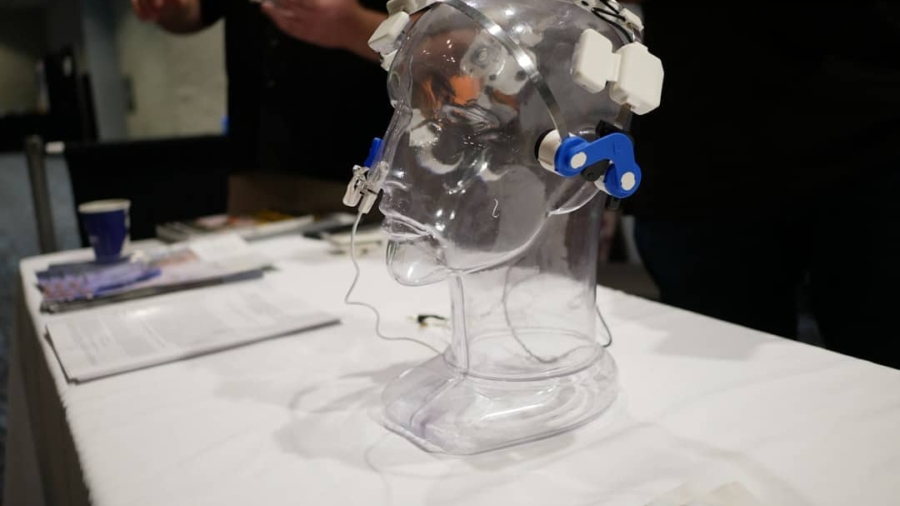
Many of us wonder what impact neurotechnology, with its futuristic ring, truly has on understanding consumers. Put simply, neurotechnology offers a direct window into the brain’s activity, revealing subconscious reactions, emotions, and motivations that traditional methods often miss. This isn’t about mind-reading, rather, it’s about getting a more accurate, less filtered picture of how people genuinely respond to products, ads, and experiences. It allows businesses to move beyond what people say they think and towards what they actually feel and react to.
For years, market research has relied heavily on surveys, focus groups, and observation. While these methods have their place, they often struggle to capture the full picture. Our conscious minds are tricky – we might rationalize our choices, forget details, or even try to present ourselves in a certain light. Neurotechnology sidesteps many of these limitations.
The Limitations of Traditional Methods
Think about it: have you ever said you’d buy a product but then didn’t? Or found yourself drawn to something you consciously told yourself you didn’t need? These discrepancies are common. Traditional methods gather self-reported data, which can be influenced by:
- Social Desirability Bias: Answering in a way that is perceived as positive or acceptable by others.
- Recall Bias: Simply forgetting details or misremembering past experiences.
- Rationalization: Constructing logical explanations for emotionally driven choices after the fact.
- Lack of Awareness: Not truly understanding why we feel a certain way or make a particular choice.
Neurotechnology: A Deeper Dive
Neurotechnology, on the other hand, measures physiological responses directly related to brain activity. This could involve measuring electrical signals, blood flow, or other indicators that correlate with cognitive and emotional states. The beauty of this is that these responses are largely involuntary. You can’t consciously control your brain’s immediate emotional reaction to an image or sound. This provides a more objective and unfiltered look into the consumer’s mind. It helps us understand the subconscious triggers and the often-unspoken reasons behind their actions.
In exploring the transformative effects of neurotechnology on consumer insights, it is interesting to consider how advancements in technology, such as those highlighted in the article about the Samsung Galaxy Chromebook, can enhance our understanding of consumer behavior. The Chromebook’s innovative features and user-friendly design exemplify how technology can influence purchasing decisions and consumer experiences. For more information on this topic, you can read the article here: Unlock a New World of Possibilities with the Samsung Galaxy Chromebook.
Key Takeaways
- Clear communication is essential for effective teamwork
- Active listening is crucial for understanding team members’ perspectives
- Setting clear goals and expectations helps to keep the team focused
- Regular feedback and open communication can help address any issues early on
- Celebrating achievements and milestones can boost team morale and motivation
Key Neurotechnology Tools and Their Applications
While the term “neurotechnology” sounds complex, many of the tools used in consumer insights are becoming more accessible and refined. They each offer unique perspectives on brain activity.
Electroencephalography (EEG)
EEG measures electrical activity in the brain through electrodes placed on the scalp. It’s excellent for capturing real-time brain responses with high temporal resolution, meaning it can detect changes almost instantaneously.
- Identifying Emotional Responses: Specific brainwave patterns are associated with different emotional states, like engagement, frustration, excitement, or cognitive load. For instance, increased frontal alpha asymmetry might indicate approach motivation (liking something) or withdrawal motivation (disliking something).
- Assessing Attention and Engagement: EEG can show how much attention someone is paying to an ad, a product display, or a website. High frontal theta activity, for example, is often linked to increased mental effort and focused attention.
- Measuring Cognitive Workload: How hard is a consumer’s brain working to understand a complex message or navigate an interface? EEG can provide insights into cognitive strain. If a website requires too much mental effort, it might lead to frustration and abandonment.
Eye-Tracking
While not strictly neurotechnology in the literal sense of measuring brain signals, eye-tracking is often used in conjunction with other neuro-tools because it provides crucial data on visual attention – where someone is looking and for how long. This directly informs what stimuli the brain is processing.
- Heatmaps and Gaze Paths: These visualizations show exactly where consumers focus their attention on a webpage, a product package, or an advertisement. This can reveal which elements are most captivating and which are overlooked.
- Pupil Dilation: Changes in pupil size can indicate cognitive effort, arousal, and emotional engagement. Larger pupils often correlate with increased interest or cognitive load when processing information.
- Sequence of Attention: Understanding the path a consumer’s eyes take can reveal their natural interaction flow with a product or interface. This is vital for optimizing user experience (UX) and conversion funnels.
Biometric Sensors (Galvanic Skin Response, Heart Rate)
These physiological measures detect changes in the body’s autonomous nervous system, which are intimately connected to emotional and arousal states. They offer a more general but still highly valuable indicator of emotional intensity.
- Galvanic Skin Response (GSR) / Electrodermal Activity (EDA): Measures changes in sweat gland activity, which are involuntary and spike during moments of emotional arousal, stress, or excitement. If an ad causes a noticeable GSR spike, it indicates an emotional response, whether positive or negative, that needs further investigation.
- Heart Rate Variability (HRV): The variation in time between heartbeats can reflect emotional states and stress levels. A more erratic heart rate variability can indicate stress or cognitive overload, while a smoother pattern might suggest relaxation or comfort.
- Facial Electromyography (fEMG): Measures muscle activity in the face, even micro-expressions that are imperceptible to the naked eye. This can detect subtle signs of happiness (zygomaticus major muscle activation), sadness (corrugator supercilii muscle activation), or anger.
Enhancing Product Development and Design

The insights gained from neurotechnology can profoundly influence how products are conceived, developed, and designed.
It moves optimization beyond aesthetics and into the realm of neurological resonance.
Optimizing User Experience (UX)
First impressions matter, and neurotechnology helps ensure that initial interactions are positive and intuitive.
- Website and App Navigation: By monitoring EEG and eye-tracking data, designers can identify points of confusion, frustration, or cognitive overload within a digital interface. If users consistently struggle to find a button or understand a menu, neurodata will show increased cognitive workload and potentially negative emotional responses.
- Product Usability: Testing physical products with neurotechnology can reveal if a design is intuitive, comfortable, and satisfying to interact with. For example, during a product assembly task, spikes in GSR or EEG activity could indicate frustration with ambiguous instructions or difficult-to-handle parts.
- Emotional Design Elements: Understanding which colors, fonts, or animations evoke specific desired emotions (e.g., trust, excitement, calm) can guide design choices.
A relaxing background sound or image might reduce stress levels reflected in HRV, improving the overall experience.
Packaging and Shelf Impact
In a crowded market, packaging is often the first and only chance to grab a consumer’s attention. Neurotechnology helps create packaging that stands out and communicates effectively.
- Visual Dominance: Eye-tracking can show which elements of a package – the logo, image, text, or color scheme – capture attention first and for the longest duration on a shelf. This can help optimize key messaging and branding.
- Emotional Appeal of Design Elements: EEG can assess the emotional resonance of different package designs.
Does a particular color scheme evoke excitement or professionalism? Does an image create a sense of trust or intrigue?
- Information Processing: How quickly and easily can consumers absorb vital information from a package? Measures like cognitive load from EEG can indicate if the design is overwhelming or difficult to process at a glance.
For instance, too much text or a cluttered layout might lead to cognitive fatigue and a missed sale.
Sensory Marketing Beyond the Visual
While visuals are crucial, other senses play a significant role in consumer perception. Neurotechnology can measure subconscious responses to these often-overlooked elements.
- Auditory Stimuli (Sound Logos, Background Music): How does a brand’s jingle or the background music in a retail space affect mood and engagement? EEG can pick up emotional responses to sound, revealing if it’s perceived as pleasant, irritating, or distracting.
This can help curate audio experiences that align with brand values and objectives.
- Olfactory Stimuli (Scent Marketing): Scents can trigger powerful memories and emotions. While directly measuring brain responses to scent is complex, physiological measures like GSR can show if a particular aroma evokes an arousal response, indicating an emotional impact. This can guide the selection of scents for retail environments or product lines that are designed to be calming, invigorating, or luxurious.
- Tactile Feedback (Product Textures, Materials): The feel of a product in hand is part of the experience.
Although less commonly studied with neurotech, combining fEMG with haptic testing could potentially gauge subtle positive or negative muscle reactions to different textures, indicating comfort or discomfort.
Revolutionizing Advertising and Marketing Campaigns

Neurotechnology provides a powerful lens through which to evaluate the effectiveness of advertising, moving beyond recall and into genuine emotional impact.
Pre-Testing Ad Campaigns
Before launching an expensive campaign, neurotechnology can help refine advertisements to maximize their impact.
- Identifying Engaging Moments and “Dead Zones”: By tracking emotional responses (GSR, fEMG) and attention (EEG, eye-tracking) throughout an ad, marketers can pinpoint exact moments that capture attention and evoke desired emotions, as well as those that cause disengagement or confusion. For example, a sharp drop in engagement or an increase in negative emotion during a specific scene could signal that it’s detrimental to the ad’s overall effectiveness.
- Optimizing Emotional Narrative: Does the ad’s storyline elicit the intended emotional journey? Neurodata can confirm if viewers experience the planned sequence of emotions – from intrigue to excitement to satisfaction – or if there are unexpected negative reactions. If an ad intends to be humorous but causes confusion, the EEG and fEMG will reveal it.
- Brand Recall and Association: While not directly measuring recall, if an ad creates strong positive emotional peaks when the brand logo or message appears, it’s more likely to be remembered and associated with those positive feelings. Increased neural activity in memory-related regions during brand presentation can be a good indicator.
Personalizing Content Delivery
Moving beyond broad demographics, neurotechnology hints at a future where advertising can be tailored based on individual subconscious preferences.
- Adaptive Ad Experiences: Imagine an ad that subtly changes its visuals or music based on real-time neural feedback indicating a viewer’s emotional state or level of engagement. If a user is showing signs of boredom (low arousal, decreased attention), the ad might switch to a more dynamic variant.
- Targeting Emotional Resonance: Understanding which emotional triggers resonate most powerfully with specific individuals or micro-segments can lead to highly effective, personalized ad content. If a segment responds strongly to ads designed to evoke nostalgia, future campaigns can lean heavily into that emotional appeal for optimal impact.
- “Neuromarketing” in Real-Time: While still largely experimental in consumer contexts, the principle of adjusting content dynamically based on brain responses is emerging. This could manifest in interactive digital experiences where content adapts to keep the user engaged.
Understanding Brand Perception at a Deeper Level
A brand is more than just a logo; it’s a collection of associations and emotions. Neurotechnology can reveal these underlying perceptions.
- Subconscious Brand Associations: Do consumers subconsciously associate a brand with trust, innovation, luxury, or something else entirely? Neurodata can uncover these often-unspoken connections by measuring immediate emotional and cognitive responses to brand stimuli, separating them from conscious post-rationalizations.
- Impact of Brand Storytelling: Is a brand’s narrative effectively communicating its values and resonating emotionally with its audience? EEG and other biometric measures can track emotional engagement and narrative comprehension, revealing if a brand story is truly connecting with consumers on a deeper level.
- Measuring Brand Loyalty and Affinity: While not a direct measure, strong positive emotional responses and consistent engagement with brand stimuli in neuroscientific studies can indicate higher levels of brand affinity. Repeated exposure leading to reduced cognitive effort and increased positive emotionality suggests a stronger, more effortless connection which often correlates with loyalty.
The exploration of neurotechnology’s influence on consumer insights is a fascinating topic that intersects with various fields, including design and technology.
For instance, understanding how consumers interact with products can significantly enhance the design process, as highlighted in a related article on choosing the right laptop for graphic design.
This article provides valuable insights into the considerations that designers must keep in mind when selecting tools that align with consumer preferences and behaviors. You can read more about it in this informative piece.
Ethical Considerations and Future Outlook
| Neurotechnology Impact Areas | Consumer Insights Metrics |
|---|---|
| Emotion Recognition | Emotional response to products/services |
| Neuromarketing Research | Consumer preferences and decision-making |
| Brain-Computer Interfaces | Understanding user experience and engagement |
| Neurofeedback | Improving consumer satisfaction and loyalty |
As with any powerful technology that delves into human responses, neurotechnology in consumer insights presents both exciting opportunities and important ethical questions.
Privacy and Data Security
The most prominent concern is the nature of the data collected. EEG and biometric data are highly personal.
- Anonymization and Aggregation: It’s crucial that data is anonymized and typically aggregated across large groups to identify trends, rather than attempting to profile individuals. The focus should be on group behaviors and preferences.
- Informed Consent: Consumers must be fully aware of what data is being collected, how it will be used, and their participation must be entirely voluntary. Transparency is key to building trust.
- Limiting Scope: Data collection should be limited to what is relevant for the specific research question. Avoid collecting superfluous information. The “what you need to know” principle should be applied rigorously.
Manipulation vs. Optimization
This is arguably the most sensitive area. The distinction between understanding consumers better to serve them more effectively and manipulating them into unwanted purchases is thin and subjective.
- Ethical Guidelines and Self-Regulation: The industry needs robust ethical guidelines and a commitment to self-regulation to ensure neurotechnology is used responsibly. Focusing on improving user experience and genuinely meeting consumer needs should be the driving force.
- Empowering Consumers: The goal should be to create products and experiences that genuinely resonate, rather than exploiting vulnerabilities. If a product genuinely improves a consumer’s life or satisfies a real need, then using neurotechnology to optimize its delivery can be seen as beneficial.
- Transparency in Application: Companies should be open about their use of neurotechnology in research, providing context and reassurance that it’s for improving products and services, not for coercive tactics.
Accessibility and Cost
Currently, neurotechnology research can be costly, potentially limiting its widespread adoption, especially for smaller businesses.
- Democratization of Tools: As the technology matures, expect more affordable and user-friendly neuro-tools to emerge. This will make it accessible to a wider range of businesses and researchers. Companies are already developing lower-cost, portable EEG devices and integrated biometric platforms.
- Integration with Existing Platforms: The potential for neurotechnology to integrate with existing market research platforms or even directly into consumer devices (e.g., smartwatches with advanced biometric sensors) could reduce costs and increase utility.
- Standardization of Metrics: As the field progresses, standardization of neuro-metrics and benchmarks will help validate findings and make them more interpretable across different studies and contexts. This will contribute to greater confidence in the insights generated.
The Future of Emotional Intelligence in Business
Ultimately, neurotechnology isn’t about replacing human intuition but enhancing it with objective data. It equips businesses with a deeper form of “emotional intelligence” about their customers.
- Beyond Explicit Feedback: It allows companies to respond to latent needs and desires that consumers themselves might not be able to articulate. This can drive true innovation, creating products and services that feel instinctively right.
- Iterative Design Driven by Brain Data: Product development cycles can become more efficient and effective, with each iteration validated not just by explicit feedback but by measured neurological responses.
- A More Human-Centric Approach: Paradoxically, by using a scientific understanding of the brain, businesses can move towards a more human-centric design philosophy, creating experiences that are naturally more engaging, satisfying, and less frustrating. This moves beyond surface-level aesthetics to fundamental brain-based appeal.
In essence, neurotechnology is peeling back another layer of understanding in consumer behavior, moving us closer to truly understanding the complex dance between stimulus and response, conscious thought and subconscious feeling. It’s a tool that, when wielded ethically and thoughtfully, has the power to reshape how we design, market, and experience the world around us.
FAQs
What is neurotechnology?
Neurotechnology refers to the use of technology to interact with the brain and nervous system. This can include devices that monitor brain activity, stimulate the brain, or interpret neural signals.
How does neurotechnology impact consumer insights?
Neurotechnology can provide valuable insights into consumer behavior by measuring subconscious responses to stimuli. This can help marketers and businesses better understand consumer preferences and make more informed decisions about product development and marketing strategies.
What are some examples of neurotechnology used in consumer research?
Examples of neurotechnology used in consumer research include electroencephalography (EEG) to measure brain activity, functional magnetic resonance imaging (fMRI) to study neural responses, and eye-tracking technology to monitor visual attention.
What are the potential benefits of using neurotechnology in consumer insights?
The potential benefits of using neurotechnology in consumer insights include gaining a deeper understanding of consumer emotions and motivations, identifying subconscious reactions to products and advertisements, and creating more targeted and effective marketing campaigns.
Are there any ethical considerations related to the use of neurotechnology in consumer research?
Ethical considerations related to the use of neurotechnology in consumer research include issues of privacy, consent, and the responsible use of sensitive neurological data. It is important for researchers and businesses to adhere to ethical guidelines and ensure the well-being and rights of participants.
Enjoying our content? Make us a preferred source on Google:
Add us as a Preferred Source on Google