


5G technology represents the fifth generation of mobile telecommunications, succeeding its predecessor, 4G LTE. It is designed to provide significantly faster data transfer rates, reduced latency, and the ability to connect a larger number of devices simultaneously. The rollout of 5G networks began in the late 2010s and has since expanded globally, promising to revolutionize various sectors, including telecommunications, transportation, healthcare, and entertainment. The architecture of 5G is built on advanced technologies such as millimeter waves, small cell networks, and massive MIMO (Multiple Input Multiple Output), which collectively enhance the capacity and efficiency of mobile networks.
The introduction of 5G is not merely an incremental improvement over previous generations; it is a transformative leap that enables new applications and services. For instance, the low latency characteristic of 5G is crucial for applications requiring real-time feedback, such as autonomous vehicles and remote surgery. Furthermore, the increased bandwidth allows for high-definition video streaming and augmented reality experiences that were previously impractical. As industries adapt to this new technology, the implications for energy consumption and efficiency become critical areas of study.
In exploring the implications of advanced technologies on energy consumption, it is interesting to consider how devices like the Samsung Galaxy Book Flex2 Alpha can enhance productivity while potentially affecting overall energy efficiency. For a deeper understanding of how modern devices contribute to energy dynamics, you can read the related article on unlocking creative potential with the Samsung Galaxy Book Flex2 Alpha at this link. This article highlights the balance between innovative technology and its environmental impact, complementing the discussion on the effects of 5G on energy consumption and efficiency gains.
Key Takeaways
- 5G technology offers significant improvements in speed and connectivity compared to previous generations.
- While 5G networks may increase overall energy consumption, they also enable greater energy efficiency per data unit transmitted.
- Efficiency gains from 5G stem from advanced technologies like network slicing and improved hardware design.
- Implementing strategies such as renewable energy use and optimized network management can mitigate 5G’s energy impact.
- Future developments aim to balance 5G’s energy demands with sustainability through continuous innovation and efficiency enhancements.
Energy Consumption of 5G Networks
The deployment of 5G networks raises important questions regarding energy consumption. While 5G technology promises enhanced performance and connectivity, it also introduces new challenges related to energy use. The infrastructure required for 5G, including numerous small cells and advanced antennas, necessitates a significant amount of energy. According to various studies, the energy consumption of mobile networks is expected to increase as more devices connect to the network and as data traffic grows exponentially.
Moreover, the energy consumption patterns of 5G networks differ from those of previous generations. The reliance on higher frequency bands can lead to increased power requirements for signal transmission over short distances. Additionally, the need for more base stations to ensure coverage in urban areas can further contribute to overall energy use. As a result, understanding the energy consumption dynamics of 5G networks is essential for developing strategies that balance performance with sustainability.
Efficiency Gains of 5G Technology
Despite concerns about energy consumption, 5G technology also offers potential efficiency gains that could offset some of its energy demands. One of the key features of 5G is its ability to support a higher density of connections per square kilometer compared to earlier technologies. This increased capacity means that more devices can communicate simultaneously without overwhelming the network, which can lead to more efficient use of resources.
Additionally, 5G networks are designed with advanced energy-saving features. For example, network operators can implement techniques such as dynamic power management and sleep modes for base stations during periods of low demand. These features allow operators to reduce energy consumption during off-peak hours while maintaining service quality during peak times. As a result, while the initial energy requirements for deploying 5G may be high, the long-term efficiency gains could lead to a net reduction in energy use per unit of data transmitted.
Potential Impact of 5G on Energy Consumption
The potential impact of 5G on overall energy consumption is multifaceted. On one hand, the increased connectivity and data transfer capabilities could lead to higher energy use as more devices come online and demand greater bandwidth. For instance, the Internet of Things (IoT) is expected to expand significantly with 5G, connecting everything from smart home devices to industrial machinery. This proliferation of connected devices could result in a substantial increase in data traffic and, consequently, energy consumption.
On the other hand, 5G technology has the potential to optimize energy use across various sectors. For example, smart grids powered by 5G can enhance energy distribution efficiency by allowing real-time monitoring and management of electricity usage. Similarly, in transportation, connected vehicles can communicate with each other and infrastructure to optimize routes and reduce fuel consumption. Thus, while the direct energy consumption of 5G networks may rise initially, the broader implications for energy use in other sectors could lead to overall reductions in energy demand.
In exploring the implications of advanced technologies, a related article discusses the considerations parents should take into account when selecting their child’s first tablet.
This resource can provide insights into how the integration of devices powered by 5G technology might influence energy consumption and efficiency in everyday use.
For more information, you can read the article on how to choose your child’s first tablet here.
Potential Impact of 5G on Energy Efficiency
| Metric | Pre-5G (4G LTE) | 5G | Impact / Notes |
|---|---|---|---|
| Energy Consumption per GB | ~0.1 kWh/GB | ~0.05 kWh/GB | 50% reduction in energy per data unit transmitted |
| Network Energy Efficiency | Baseline | Up to 10x improvement | More data transmitted per unit energy |
| Base Station Power Usage | ~1.5 kW | ~1.8 kW | Higher power per base station due to increased capacity |
| Data Throughput | Up to 1 Gbps | Up to 20 Gbps | Significant increase in speed and capacity |
| Energy Consumption per User | Higher due to lower efficiency | Lower due to efficiency gains | Net energy savings despite increased data usage |
| Latency | ~50 ms | < 10 ms | Improved responsiveness enables energy-efficient applications |
| Network Coverage Density | Lower | Higher (more small cells) | Increased infrastructure may raise total energy use |
The introduction of 5G technology is poised to enhance energy efficiency across multiple domains. One significant area is in industrial applications where automation and real-time data analytics can lead to more efficient operations. For instance, factories equipped with 5G connectivity can utilize sensors to monitor equipment performance continuously, allowing for predictive maintenance that reduces downtime and conserves energy.
In addition to industrial applications, smart cities are another domain where 5G can drive energy efficiency improvements. By integrating 5G with urban infrastructure, cities can optimize traffic flow through intelligent transportation systems that reduce congestion and emissions. Furthermore, smart lighting systems can adjust brightness based on real-time data about pedestrian activity or natural light levels, leading to significant energy savings. Overall, the potential impact of 5G on energy efficiency extends beyond telecommunications into various sectors that rely on connectivity.
In exploring the implications of 5G technology on energy consumption and efficiency gains, it is also insightful to consider how advancements in software can enhance operational effectiveness across various industries. For instance, a related article discusses the best software for freight forwarders in 2023, showcasing tools that can optimize logistics and reduce energy usage. This connection highlights the broader theme of how technology, including both telecommunications and software solutions, can drive sustainability efforts. You can read more about this in the article on best software for freight forwarders.
Strategies to Mitigate Energy Consumption of 5G
To address the challenges associated with increased energy consumption from 5G networks, several strategies can be implemented. One approach is the optimization of network design and architecture. By strategically placing small cells and utilizing advanced antenna technologies, operators can enhance coverage while minimizing power requirements. This approach not only improves service quality but also reduces the overall energy footprint of the network.
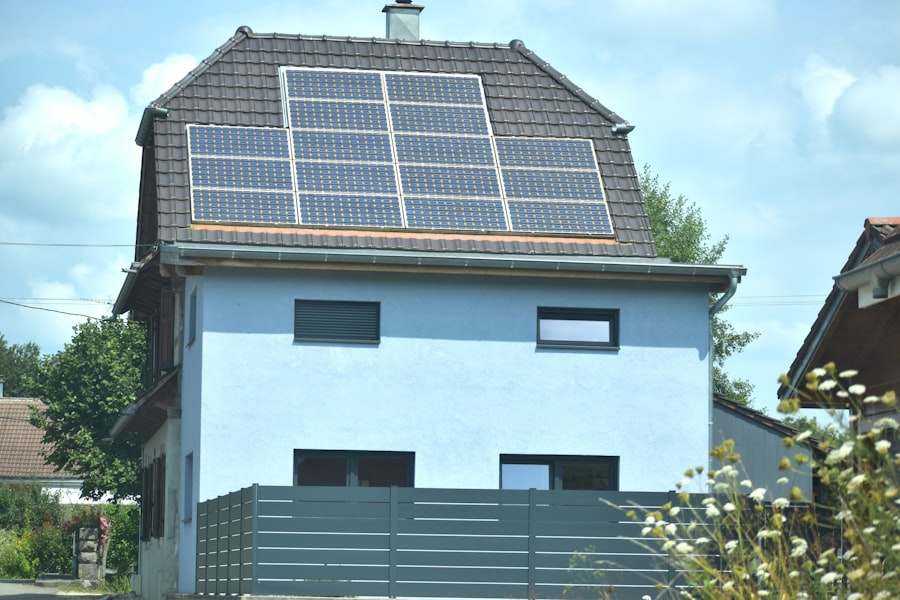
Another strategy involves leveraging renewable energy sources for powering network infrastructure.
As concerns about climate change grow, many telecommunications companies are exploring options such as solar or wind power to supply energy for base stations and data centers.
By integrating renewable energy into their operations, these companies can significantly reduce their carbon emissions and reliance on fossil fuels while supporting sustainable development goals.
Strategies to Enhance Energy Efficiency of 5G
Enhancing energy efficiency in 5G networks requires a multifaceted approach that includes technological innovations and operational best practices. One effective strategy is the implementation of advanced network management systems that utilize artificial intelligence (AI) and machine learning algorithms. These systems can analyze traffic patterns in real time and dynamically allocate resources based on demand, ensuring that energy is used efficiently without compromising service quality.
Additionally, promoting user awareness about energy-efficient practices can contribute to overall improvements in energy efficiency. For instance, encouraging users to adopt energy-saving settings on their devices or promoting applications that optimize data usage can help reduce the overall demand on networks. By fostering a culture of sustainability among users and operators alike, the potential for enhancing energy efficiency in 5G networks can be maximized.
Conclusion and Future Outlook
In conclusion, while the deployment of 5G technology presents challenges related to energy consumption, it also offers significant opportunities for enhancing efficiency across various sectors. The balance between increased connectivity demands and sustainable practices will be crucial as industries adapt to this new technological landscape. As research continues into optimizing network design and integrating renewable energy sources, it is possible that the net impact of 5G will be a reduction in overall energy consumption per unit of data transmitted.
Looking ahead, the future outlook for 5G technology suggests a continued focus on sustainability and efficiency improvements. As more stakeholders recognize the importance of environmental considerations in technology deployment, collaborative efforts between governments, industry leaders, and researchers will be essential in shaping policies that promote responsible use of resources. Ultimately, the successful integration of 5G technology into society will depend not only on its technical capabilities but also on its alignment with broader sustainability goals.
FAQs
What is 5G technology?
5G is the fifth generation of wireless communication technology, designed to provide faster data speeds, lower latency, and greater connectivity compared to previous generations like 4G.
How does 5G affect energy consumption?
5G networks can increase energy consumption due to the higher number of base stations and more complex infrastructure required. However, advancements in technology and network optimization aim to mitigate these increases.
What are the efficiency gains associated with 5G?
5G offers efficiency gains through improved data transmission speeds, reduced latency, and enhanced network capacity, enabling more devices to connect simultaneously and supporting energy-saving applications like smart grids and IoT.
Does 5G lead to higher overall energy efficiency despite increased consumption?
Yes, while 5G may increase energy use in network infrastructure, its efficiency gains in data handling and enabling energy-efficient technologies can result in a net positive impact on overall energy efficiency.
What measures are being taken to reduce 5G’s energy impact?
Network providers are implementing energy-saving technologies such as advanced antenna designs, dynamic power management, and integrating renewable energy sources to reduce the environmental footprint of 5G networks.