

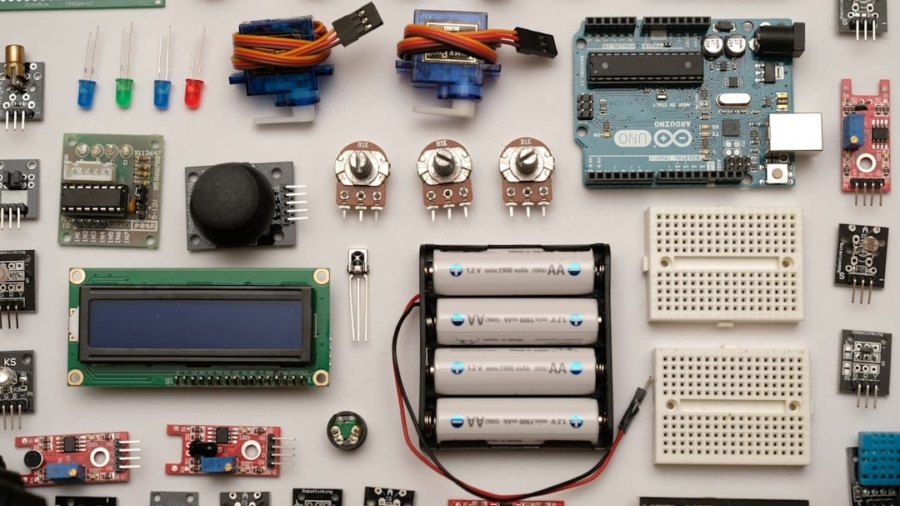
Open source hardware projects are really picking up steam, and it’s not just a niche thing anymore. We’re seeing a significant and sustained increase in their development and adoption globally. This growth is driven by a mix of factors, from accessible tools and educational resources to a strong community ethos.
The rise of open source hardware isn’t a sudden explosion; it’s a steady build-up fueled by several key ingredients. Think of it like a good recipe – you need all the right elements to make it work.
Easier Access to Manufacturing
One of the biggest game-changers has been the increasing availability of affordable manufacturing. This isn’t just about massive factories; it’s also about smaller-scale solutions.
- Prototyping Services Becoming Mainstream: Services like PCBWay, JLCPCB, and OSH Park have made getting custom circuit boards incredibly cheap and fast. You can design something one day, send the files off, and have professional-grade boards delivered to your door in a matter of days. This used to be a huge bottleneck for hobbyists and small teams.
- 3D Printing Accessibility: The cost of 3D printers has plummeted, and their capabilities have improved dramatically. This means complex enclosures, custom mounts, and even functional components can be rapidly iterated upon and produced right on your desk. No more waiting weeks for machined parts or expensive injection molds for initial testing.
- CNC and Laser Cutting Services: Similar to 3D printing, access to CNC milling and laser cutting services (or even personal machines) has opened up new possibilities for creating custom metal, wood, or acrylic parts quickly and affordably.
A Wealth of Educational Resources
You can’t build something if you don’t know how, and that’s where the explosion of educational content comes in. It’s never been easier to learn electronics, design principles, or programming.
- Online Tutorials and Courses: Platforms like YouTube, Instructables, Udemy, and Coursera are overflowing with tutorials covering everything from basic soldering to complex embedded systems design. You can find free resources or invest in structured courses.
- Community Forums and Wiki Pages: Dedicated communities around specific projects (like Arduino, Raspberry Pi, or specific 3D printer ecosystems) provide invaluable support. You can ask questions, troubleshoot issues, and learn from the collective experience of thousands of other makers.
- Documentation Standards: Many open source hardware projects now prioritize clear, comprehensive documentation. This includes schematics, bill of materials (BOM), source code, assembly guides, and even design files. Good documentation makes it far easier for others to understand, replicate, and improve upon a design.
The growth of open source hardware projects has been a significant trend in the tech industry, fostering innovation and collaboration among developers and enthusiasts. For those interested in exploring how technology is evolving, a related article on the capabilities of modern devices can be found at Experience the Power of Samsung Galaxy Tab S8: The Ultimate Tablet. This article highlights the advancements in tablet technology and how they complement the open-source movement by providing powerful tools for creators and makers alike.
Key Takeaways
- Clear communication is essential for effective teamwork
- Active listening is crucial for understanding team members’ perspectives
- Setting clear goals and expectations helps to keep the team focused
- Regular feedback and open communication can help address any issues early on
- Celebrating achievements and milestones can boost team morale and motivation
The Power of Community and Collaboration
Open source, by its very nature, thrives on collaboration. This is perhaps its strongest differentiator from closed-source development.
Shared Knowledge and Support Networks
Imagine having thousands of potential co-developers and troubleshooters for your project.
That’s the open source advantage.
- Peer Review and Bug Fixing: When designs and code are open, more eyes can spot errors, suggest improvements, and propose solutions. This can lead to more robust and reliable hardware much faster than in a closed environment.
- Building on Existing Work: Instead of starting from scratch, developers can leverage existing open source designs, modifying them to suit their needs. This “standing on the shoulders of giants” approach accelerates development significantly. Think of how many projects use an Arduino or ESP32 as their base – they don’t have to design the microcontroller from scratch.
- Mentorship and Skill Development: Newcomers can learn a tremendous amount by participating in open source projects. They can contribute in small ways, receive feedback, and gradually build up their skills, sometimes even finding mentors in the process.
Diverse Skill Sets Contributing
Open source projects often attract people with incredibly varied backgrounds and expertise.
- Hardware and Software Co-development: A successful hardware project often needs custom firmware, software interfaces, or even cloud integration. Open source environments naturally foster collaboration between hardware designers, embedded programmers, and software developers.
- Industrial Design and Aesthetics: Beyond just functionality, many open source projects now incorporate industrial designers and graphic artists to make their products look good and be user-friendly. This holistic approach makes the end product much more appealing.
- Documentation and Translation: Not everyone needs to be an engineer. People skilled in writing, technical illustration, or language translation are crucial for making projects accessible to a wider global audience.
Key Examples and Their Impact

While the individual components of open source hardware are important, it’s the specific projects that really show its power.
These are not just novelty items; they’re foundational platforms.
Prototyping Mainstays
Certain open source platforms have become almost ubiquitous in a wide range of applications, from education to industrial prototyping.
- Arduino Platform: This single-board microcontroller has democratized embedded electronics. Its easy-to-use IDE, vast library ecosystem, and massive community mean that beginners can quickly get started with physical computing, and experienced engineers can rapidly prototype complex systems. The open source nature of its hardware design (schematics, BOM) means countless compatible boards exist, driving innovation and competition.
- Raspberry Pi: A credit-card-sized computer, the Raspberry Pi brought full Linux-based computing to the accessible price point.
It’s used in everything from home automation and robotics to educational tools and industrial control systems. Its open hardware documentation (though not entirely open manufacturing files) and extensive software ecosystem have fostered a massive community of users and developers.
- ESP32/ESP8266 Modules: These incredibly popular Wi-Fi capable microcontrollers have made it incredibly easy and cheap to add internet connectivity to projects. Their open documentation and extensive community support have cemented their place as go-to options for IoT (Internet of Things) applications.
3D Printing Ecosystem
The entire modern 3D printing landscape, particularly desktop FDM (Fused Deposition Modeling) printers, owes a huge debt to open source.
- RepRap Project: This initiative aimed to create a self-replicating 3D printer – a machine that could print most of its own parts.
The open source nature of its designs (hardware and software) allowed countless individuals and companies to build upon its foundations, leading to the rapid proliferation of affordable desktop 3D printers that we see today. Without RepRap, 3D printing would likely still be largely a very expensive industrial technology.
- Open Source Slicers (PrusaSlicer, Cura): These software tools are essential for converting 3D models into instructions that a 3D printer can understand. Their open source development has allowed continuous improvement, new features, and optimization for a vast array of printers and materials.
This collaborative development model ensures that the software keeps pace with hardware innovations.
- Firmware like Marlin: This open source firmware acts as the operating system for countless 3D printers. Its modular design and active community contributions mean it’s constantly being refined, improved, and adapted to new hardware configurations, offering advanced features and stability.
Overcoming Challenges and Looking Ahead

While the growth is undeniable, open source hardware isn’t without its hurdles. But the community is actively working on solutions.
Sustainability and Funding Models
Keeping projects alive and thriving requires ongoing effort, which needs to be supported.
- Donations and Sponsorships: Many projects rely on voluntary contributions from individuals and companies that benefit from the work. This can be a bit unpredictable but has proven effective for many vital projects.
- Crowdfunding Platforms: Kickstarter and Indiegogo have become popular ways for open source hardware projects to secure initial funding for production runs or further development. It allows the community to directly back projects they believe in.
- Commercial Spin-offs and Services: Some open source projects generate revenue by selling pre-assembled versions of their hardware, offering commercial support, or providing related services. This allows the core development to remain open while creating a sustainable business model.
- Grants and Foundations: Some non-profit organizations and government grants now recognize the value of open source hardware and provide funding opportunities for specific research or development initiatives.
Intellectual Property and Licensing
Understanding how to protect and share designs effectively is crucial for open source hardware.
- Understanding OSH (Open Source Hardware) Licenses: Unlike software licenses, hardware licenses need to cover physical designs, manufacturing files, and other aspects. Licenses like CERN OHL (Open Hardware Licence) and TAPR OHL provide frameworks for sharing designs while specifying how derivatives should be treated.
- Ensuring Attribution and Share-Alike: Many open source licenses require attribution to the original creators and mandate that any derivatives also be shared under the same (or compatible) open source license. This helps maintain the integrity of the open source ecosystem.
- Balancing Openness with Commercial Interests: Companies adopting open source hardware need to navigate how much of their specific modifications they need to contribute back versus what they can keep proprietary for competitive reasons. This balance is an ongoing discussion within the community.
The rise of open source hardware projects has sparked significant interest in the tech community, showcasing how collaboration can lead to innovative solutions. For those looking to explore the intersection of technology and community-driven initiatives, a related article discusses the best software for social media management in 2023, which can be crucial for promoting such projects effectively. You can read more about it here. This connection highlights the importance of leveraging the right tools to enhance visibility and engagement in the rapidly evolving landscape of open source hardware.
The Future Trajectory
| Year | Number of Open Source Hardware Projects | Number of Contributors |
|---|---|---|
| 2010 | 100 | 500 |
| 2012 | 300 | 1500 |
| 2014 | 600 | 3000 |
| 2016 | 1000 | 5000 |
| 2018 | 1500 | 7500 |
It’s clear that open source hardware is here to stay and will continue to evolve in exciting ways.
Greater Integration and Complexity
As the tools and knowledge bases mature, we’ll see more sophisticated open source hardware projects emerge.
- More Complex Systems-on-Chip (SoC) Designs: While designing a full SoC from scratch is still incredibly complex, we’re seeing more open instruction set architectures like RISC-V gain traction. This paves the way for increasingly complex and powerful open source silicon.
- AI and Machine Learning Hardware: As AI becomes more ubiquitous, there will be a growing demand for specialized hardware designed to run AI models efficiently. Open source designs could play a significant role in making this technology more accessible and customizable.
- Medical and Scientific Equipment: The open source model has immense potential in areas like medical devices and scientific instruments, where cost and customization are often critical barriers. Imagine open source lab equipment that can be adapted to specific research needs or diagnostic tools that are affordable worldwide.
Democratization of Technology
Ultimately, the most profound impact of open source hardware is its ability to put powerful tools and capabilities into more hands.
- Reducing Barriers to Entry: By making designs and knowledge freely available, open source hardware lowers the cost and expertise required to innovate. This is particularly impactful in developing regions or for small businesses and independent inventors.
- Fostering Local Innovation: Instead of relying solely on multinational corporations, communities can adapt and build their own technological solutions using open source designs. This fosters local manufacturing and problem-solving.
- Empowering the Individual: Open source hardware empowers individuals to be creators and innovators, not just consumers, giving them a deeper understanding and control over the technology they use every day.
The growth of open source hardware isn’t just about making things cheaper or more accessible; it’s about fundamentally changing how we design, build, and interact with technology, fostering a more collaborative and innovative world.
FAQs
What is open source hardware?
Open source hardware refers to physical technology or devices whose design is made publicly available for anyone to use, modify, and distribute. This allows for collaboration and innovation among a community of developers and users.
What are some examples of open source hardware projects?
Some examples of open source hardware projects include Arduino microcontrollers, Raspberry Pi single-board computers, and 3D printers such as the RepRap project. These projects have gained popularity and have a strong community of developers and users.
How has the growth of open source hardware projects impacted the industry?
The growth of open source hardware projects has led to increased innovation, collaboration, and accessibility in the technology industry. It has also contributed to the democratization of technology, allowing individuals and smaller organizations to develop and produce their own hardware products.
What are the benefits of open source hardware projects?
Open source hardware projects offer several benefits, including lower barriers to entry for developers, increased transparency and trust in the technology, and the ability to customize and modify designs to suit specific needs. They also promote knowledge sharing and community building.
How can individuals get involved in open source hardware projects?
Individuals can get involved in open source hardware projects by joining online communities, contributing to existing projects, or starting their own projects. They can also attend events and workshops related to open source hardware to learn and collaborate with others in the field.
Enjoying our content? Make us a preferred source on Google:
Add us as a Preferred Source on Google