

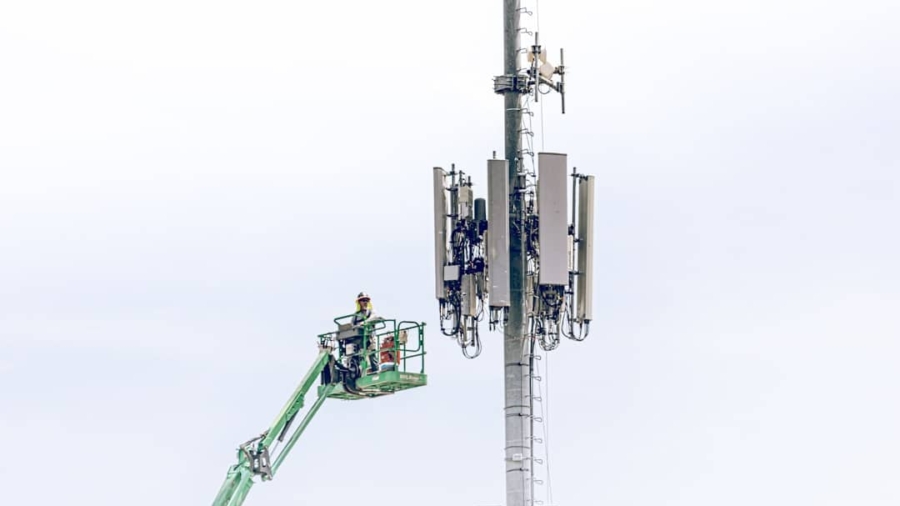
You’ve probably heard about 5G, and while it’s exciting for cities, there’s another side to this wireless revolution that’s quietly transforming rural life: Fixed Wireless Access (FWA). If you’re in a rural area, or know someone who is, you might be wondering if FWA is really changing things, and for the better. The short answer is a resounding yes. FWA is growing significantly, and it’s making a real difference in bringing fast, reliable internet to places that were often overlooked by traditional cable or fiber optic networks.
Why FWA is a Game Changer
For a long time, the big challenge for internet providers in rural areas was the sheer cost and complexity of laying down physical cables. Digging trenches across vast farmlands or through mountainous terrain just wasn’t economically feasible for many companies. This left countless homes and businesses with slow, unreliable, or no internet at all. FWA offers a practical solution by using radio waves to connect homes directly to a nearby base station, bypassing the need for expensive underground infrastructure. Imagine being able to stream videos, work from home, or connect with loved ones online without the frustrating buffering or dropped connections – that’s the promise FWA is increasingly delivering.
Bridging the Digital Divide
The “digital divide” isn’t just a catchy phrase; it’s a real barrier to opportunity for people in underserved areas. Lack of reliable internet can hinder access to education, healthcare, remote work, and even basic civic engagement. FWA is one of the most effective tools we have right now to start closing that gap. It’s not a perfect substitute for fiber in every single scenario, but for many rural communities, it’s the best option available, and it’s bringing a level of connectivity that was previously unimaginable.
The growth of Fixed Wireless Access (FWA) for rural areas is a significant development in bridging the digital divide, providing high-speed internet to underserved communities. For those interested in exploring how technology can enhance communication and information dissemination, a related article on the best software for newspaper design can be found here: Best Software for Newspaper Design: Top Picks for Professional Layouts. This resource highlights tools that can help rural publications effectively reach their audiences, further supporting the expansion of connectivity in these regions.
The Technology Behind the Connection
So, how does this magic actually happen? FWA isn’t a new concept, but recent advancements, particularly with 5G technology, have supercharged its capabilities. At its core, FWA uses radio frequencies to transmit data. Think of it like a super-powered Wi-Fi signal, but instead of connecting your laptop to a router in your house, it connects your house to a tower.
How it Works: From Tower to Home
The process generally involves a base station or tower, often located on existing structures like grain silos, cell towers, or dedicated poles. This tower broadcasts a signal. At your home, a small antenna or receiver is installed, usually on the roof or side of your house. This receiver picks up the signal from the tower and converts it into usable internet service for your home network. The strength and speed of your connection depend on several factors, including the distance to the tower, the type of spectrum being used, and any obstructions (like trees or hills) in the line of sight.
Base Stations: The Central Hubs
These are the workhorses of the FWA network. They are strategically placed to cover a specific geographic area. The deployment of these stations is a key factor in FWA’s reach and effectiveness. Providers are increasingly looking at innovative ways to install these, sometimes leveraging existing infrastructure to reduce costs.
Customer Premises Equipment (CPE): Your Gateway to the Internet
The equipment installed at your home is known as Customer Premises Equipment (CPE). This typically includes an outdoor antenna and an indoor router. The outdoor unit captures the wireless signal, and the indoor unit then distributes that connection throughout your home via Wi-Fi or Ethernet cables. The technology in CPE is constantly improving, leading to smaller, more efficient, and powerful devices.
The Role of 5G
The rollout of 5G has been a significant catalyst for FWA growth. While 5G can be used for mobile devices, it also excels in FWA applications.
Higher Frequencies, Higher Speeds
5G can utilize higher frequency bands that carry more data. This means significantly faster download and upload speeds compared to older wireless technologies. This is crucial for modern internet usage, which involves everything from high-definition video streaming to large file downloads.
Improved Capacity and Reduced Latency
Beyond just speed, 5G offers better capacity, meaning more users can connect at the same time without experiencing a significant slowdown. It also boasts lower latency – the delay between sending a command and receiving a response. This is vital for activities like online gaming, video conferencing, and even controlling smart home devices.
Why FWA is Gaining Traction in Rural Communities
It’s not just about the technology itself; there are several compelling reasons why FWA is specifically resonating with rural areas. The economics, deployment speed, and the evolving needs of rural residents all play a part.
Economic Viability for Providers
As mentioned earlier, laying fiber optic cable across vast, sparsely populated areas is incredibly expensive.
The return on investment for providers can be very low.
FWA offers a more cost-effective way to serve these areas. Installing a few towers and customer antennas is often significantly cheaper than trenching and burying miles of cable.
Lower Infrastructure Costs
The primary cost driver for traditional broadband deployment is the physical infrastructure. FWA bypasses this by using wireless transmission, drastically reducing the upfront capital expenditure for providers looking to expand into rural markets.
Faster Deployment Times
Because there’s less physical construction involved, FWA networks can often be deployed much faster than wired networks. This means communities can get access to better internet sooner, which is a huge advantage when dealing with urgent connectivity needs.
Meeting Unmet Demand
There’s a massive, pent-up demand for reliable internet in rural areas. When FWA solutions become available, people are eager to sign up. This high demand, coupled with the lower deployment costs for providers, creates a more sustainable business model for serving these markets.
The “Last Mile” Solution
FWA is often referred to as a “last mile” solution. It efficiently connects the final stretch from the broadband backbone (which might be fiber) to individual homes and businesses, overcoming the logistical hurdles that often plague the “last mile” in rural settings.
Challenges and Considerations with FWA
While the growth of FWA is exciting, it’s not without its challenges. Understanding these helps set realistic expectations and identify areas for improvement.
Line of Sight and Obstructions
One of the primary limitations of FWA is its reliance on a clear line of sight between the base station and the customer’s antenna. Trees, hills, and even thick building walls can interfere with the signal, leading to reduced speeds or intermittent connectivity.
The Impact of Geography
Rural areas often present unique geographical challenges. Heavy tree cover, mountainous terrain, or extensive foliage can create significant signal obstructions, requiring careful planning and placement of base stations and antennas.
Weather Dependencies
While generally robust, extreme weather conditions like heavy rain or snow can sometimes affect wireless signals. This is usually a temporary issue, but it’s something to be aware of.
Speed and Capacity Limitations (Compared to Fiber)
While FWA speeds have improved dramatically, they may not always match the absolute top-tier speeds and symmetrical upload/download capabilities offered by fiber optic connections. For some intensive applications, this difference can be noticeable.
Symmetrical Speeds Matter
Many current FWA offerings prioritize download speeds, which is great for streaming. However, upload speeds are becoming increasingly important for video conferencing, cloud backups, and uploading large files. Some FWA technologies are better at this than others.
Future-Proofing Concerns
As internet demands continue to grow, questions arise about the long-term scalability of FWA compared to fiber. While FWA technology is evolving, fiber optic cable inherently offers a much larger capacity ceiling.
spectrum Availability and Regulation
The spectrum used for wireless communication is a finite resource. Its availability and the regulations surrounding its use can impact the deployment and performance of FWA networks.
The Wireless Spectrum Landscape
Providers need access to specific radio frequencies (spectrum) to transmit data. The availability of suitable spectrum bands, and the cost of acquiring licenses for them, can influence where and how extensively FWA can be deployed.
Regulatory Hurdles
Navigating the regulatory landscape for deploying base stations and obtaining necessary permits can sometimes be a lengthy and complex process, impacting the speed of FWA rollouts.
The expansion of fixed wireless access in rural areas is a significant development in bridging the digital divide, allowing more residents to enjoy high-speed internet connectivity. This growth is particularly important as it supports various applications, including remote work and online education. For those interested in enhancing their digital experience, understanding the right tools is crucial. A related article that provides valuable insights on selecting the best technology for specific needs can be found here: how to choose a laptop for video editing. This resource can help users make informed decisions about their devices, ensuring they can fully utilize the benefits of improved internet access.
Real-World Impact and Success Stories
The growth of FWA isn’t just theoretical; it’s translating into tangible benefits for individuals and communities. We’re seeing numerous cases where FWA has fundamentally changed how people live and work.
Improved Access to Education
Students in rural areas have historically struggled with remote learning due to poor internet. FWA provides them with the connectivity needed to access online classes, research materials, and educational platforms, leveling the playing field.
Online Learning Opportunities
With reliable internet, rural students can participate in virtual classrooms, access a wider range of educational resources, and collaborate with peers and teachers effectively, opening up educational pathways that were previously inaccessible.
Digital Literacy Development
Improved internet access also fosters digital literacy, equipping students with essential skills for the modern workforce.
Enabling Remote Work and Entrepreneurship
The pandemic highlighted the importance of remote work. FWA allows rural residents to participate in the remote workforce, creating new economic opportunities and stemming rural-to-urban migration. It also empowers local entrepreneurs to reach broader markets.
Home Offices Become Viable
The ability to reliably connect to office networks, participate in video calls, and upload/download work files makes working from home a practical reality for many in rural areas, improving work-life balance and job satisfaction.
Small Business Growth
Rural businesses can leverage FWA to establish an online presence, conduct e-commerce, reach new customers, and utilize cloud-based business tools, fostering local economic development and sustainability.
Enhancing Healthcare Access
Telehealth has become increasingly important, and FWA is making it accessible for rural patients. Remote consultations, access to medical records, and remote monitoring are becoming standard.
Telemedicine Consultations
Patients in remote locations can consult with doctors and specialists remotely, reducing travel time and costs. This is particularly beneficial for managing chronic conditions or accessing specialized medical advice.
Remote Patient Monitoring
FWA enables the use of remote patient monitoring devices that transmit vital health data to healthcare providers, allowing for proactive care and early intervention, which can be life-saving in remote areas.
Strengthening Community Connections
Beyond economic and educational benefits, FWA simply makes it easier for people to stay connected with family and friends, participate in online communities, and access local government services.
Staying Connected with Loved Ones
The ability to make video calls, share photos and videos, and stay in touch with family and friends, regardless of distance, significantly improves social well-being for rural residents.
Accessing Local Services and Information
Many local government services and information resources are moving online. FWA ensures that rural residents are not excluded from accessing these important community resources.
The Future of FWA in Rural Expansion
The trajectory for Fixed Wireless Access in rural areas is overwhelmingly positive. As the technology continues to mature and investment flows into these underserved markets, we can expect even more significant advancements.
Continued Technological Advancements
The innovation in wireless technology is relentless. We’re likely to see further improvements in spectrum efficiency, antenna technology, and signal processing, which will translate into faster speeds, greater reliability, and the ability to serve even more challenging environments.
Next-Generation Wireless Standards
The evolution of wireless standards beyond 5G (such as 6G) will undoubtedly bring further enhancements to FWA capabilities, including even greater data throughput and lower latency.
Smart Antennas and Beamforming
Technologies like smart antennas and beamforming, which direct signals more precisely, are already improving FWA performance and will continue to be refined, helping to overcome signal obstructions and maximize efficiency.
Increased Investment and Partnerships
Governments and private sectors are recognizing the critical need for rural broadband. This is leading to increased investment and innovative partnerships aimed at accelerating FWA deployment.
Government Funding and Subsidies
Many governments are actively supporting rural broadband initiatives through grants, subsidies, and regulatory incentives, making it more financially attractive for providers to build out FWA networks.
Public-Private Collaborations
We’re seeing more collaborations between public entities (like local municipalities) and private internet service providers, often leveraging existing infrastructure or shared resources to speed up deployment and reduce costs.
FWA as a Complement to Fiber
It’s important to see FWA not as a replacement for fiber, but as a crucial complement. In areas where fiber deployment is feasible and economically viable, it will likely remain the gold standard. However, for the vast majority of rural areas, FWA offers the most practical and scalable solution for achieving high-speed internet access in the foreseeable future. The continued growth and innovation in FWA are set to unlock immense potential for rural communities, bringing them more fully into the digital age.
FAQs
What is fixed wireless access (FWA)?
Fixed wireless access (FWA) is a type of wireless communication that provides high-speed internet access to a fixed location, such as a home or business, using radio waves.
How does fixed wireless access benefit rural areas?
FWA can benefit rural areas by providing high-speed internet access to areas where traditional wired infrastructure may be limited or non-existent. This can help bridge the digital divide and improve access to online education, telemedicine, and economic opportunities.
What are the challenges of deploying fixed wireless access in rural areas?
Challenges of deploying FWA in rural areas include the need for line-of-sight between the transmitter and receiver, potential interference from natural obstacles, and the cost of infrastructure deployment in sparsely populated areas.
What technologies are used for fixed wireless access in rural areas?
Technologies used for FWA in rural areas include 4G LTE, 5G, and point-to-point wireless links. These technologies enable high-speed internet access without the need for traditional wired connections.
What are the future prospects for fixed wireless access in rural areas?
The future prospects for FWA in rural areas are promising, with advancements in wireless technology and government initiatives aimed at expanding broadband access to underserved areas. FWA has the potential to play a significant role in closing the digital divide in rural communities.
Enjoying our content? Make us a preferred source on Google:
Add us as a Preferred Source on Google