

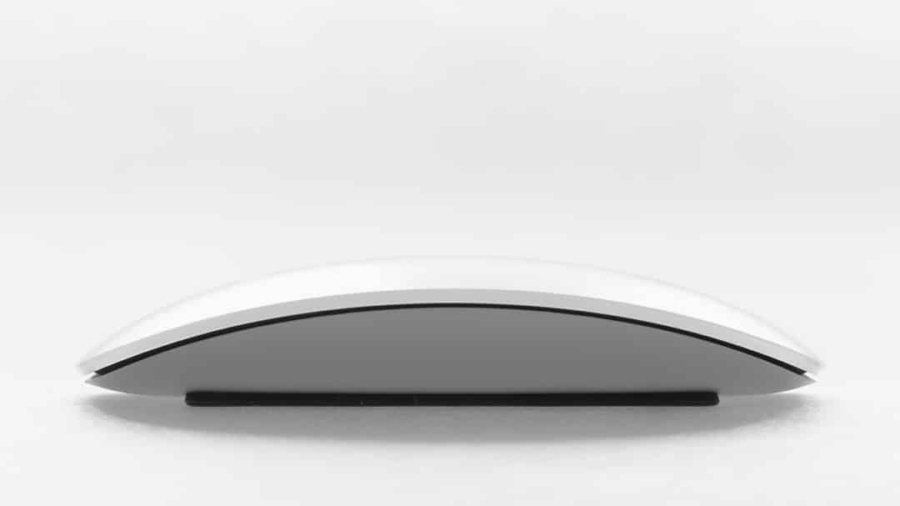
Welcome to the wild world of how we’ll be interacting with our tech soon! Forget clunky keyboards and mice; the future of peripheral devices is all about making technology feel like an extension of you. We’re talking about more intuitive, seamless, and even invisible ways of controlling our digital lives.
Beyond the Screen: Our Shifting Relationship with Devices
It’s easy to think of a “peripheral” as something you plug in. But that idea is rapidly evolving. We’re moving from direct manipulation of objects to more ambient, contextual, and even anticipatory interactions. Devices will be less about doing things to them, and more about them understanding and responding to us.
From Explicit to Implicit Commands
Think about how you use a voice assistant today. You explicitly say, “Hey Google, turn on the lights.” In the future, this might become implicit. The system could learn your patterns and turn on the lights when it detects you’ve walked into a room and it’s getting dark, without you having to utter a single command. It’s about devices anticipating your needs, not just following your orders.
The Decline of the Dedicated Gadget
While some specialized peripherals will always exist, the trend is towards fewer, more versatile devices. Your smartwatch might control your smart home, your car, and even your public transport. Your AR glasses could replace your phone screen and act as a portal to all your digital interactions. This isn’t about getting rid of devices, but rather consolidating their functions and making them less obtrusive.
In exploring the evolution of technology and user interaction, a fascinating article to consider is about the return of Instagram’s founders to the social media scene. This piece highlights the importance of innovative design and user experience, which are crucial elements in the future of peripheral devices and interaction. You can read more about it here: What We Can Learn from Instagram’s Founders’ Return to the Social Media Scene.
The Rise of Ubiquitous and Invisible Interfaces
One of the biggest shifts will be taking our interfaces beyond physical objects. Screens, buttons, and even speakers will start to fade into the background, replaced by more subtle and integrated forms of interaction.
Augmented and Virtual Reality: Not Just for Games
While AR and VR started in gaming, their true potential lies in changing how we interact with information and each other.
AR Overlays and Contextual Information
Imagine walking down the street and seeing virtual arrows overlaid on the real world guiding you to your destination, or product reviews hovering above items in a store. AR glasses will become our primary interface for accessing digital information in a real-world context, blending the physical and digital seamlessly. This isn’t about replacing reality, but enriching it with relevant data.
VR as a Productivity and Social Hub
VR isn’t just about escaping reality; it’s about creating new realities for work and social interaction. Collaborative workspaces in VR could allow teams to interact with 3D models, brainstorm on virtual whiteboards, and feel truly present with colleagues, regardless of their physical location. Social VR could offer richer, more immersive interactions than video calls, fostering genuine connection.
Haptic Feedback: Feeling the Digital World
Haptics is already present in our phones, but it’s going to get much more sophisticated. Imagine feeling the texture of a fabric when shopping online, or the resistance of a virtual tool in a simulated training environment.
Advanced Tactile Displays
We’re moving beyond simple vibrations. New haptic technologies can simulate different textures, temperatures, and even shapes. This could have huge implications for accessibility, allowing visually impaired individuals to “feel” digital content. It also opens up new possibilities for entertainment and immersive experiences, bridging the gap between the digital and the physical senses.
Force Feedback and Resistance
In professional applications, force feedback devices could allow engineers to “feel” the stress on a virtual structure, or surgeons to practice complex procedures with realistic resistance. This adds a crucial layer of realism and precision to digital interactions, making them more effective and intuitive.
Biometric Controls: Your Body as the Interface
Our unique biological signals offer a powerful and secure way to interact with technology. From our fingerprints to our brainwaves, our bodies are becoming the ultimate authentication and control mechanisms.
Gesture and Gaze Tracking: Natural and Intuitive
Moving beyond clumsy hand waving, advanced gesture tracking will allow for precise and subtle control. Meanwhile, gaze tracking will enable us to select items, scroll, and activate functions simply by looking at them.
Micro-Gestures and Subtle Interactions
Think about tiny, almost imperceptible hand movements or even finger flexes that can trigger actions. This makes interaction less intrusive and more natural, flowing seamlessly with our daily activities without demanding grand physical exertions. It’s about making technology respond to our natural physical language, rather than us having to learn a separate digital language.
Eye-Tracking for Accessibility and Efficiency
For many, eye-tracking will be a game changer for accessibility, allowing individuals with limited mobility to control computers and other devices with just their eyes. For everyone, it offers a faster, more efficient way to navigate interfaces, focusing on what you need just by looking at it. Imagine scrolling through an article simply by letting your gaze drop down the page.
Brain-Computer Interfaces (BCIs): The Ultimate Frontier
BCIs are perhaps the most futuristic, allowing us to control devices directly with our thoughts. While still in early stages, the potential is immense.
Direct Neural Control of Devices
Imagine opening an app, typing a message, or even controlling a prosthetic limb simply by thinking about it. While ethical considerations are significant, the ability to bypass physical interfaces entirely offers unparalleled speed and efficiency for certain tasks, particularly in fields like medicine and complex data analysis. This isn’t science fiction anymore; it’s becoming a reality.
Enhancing Human Capabilities
Beyond control, BCIs could potentially be used for human augmentation such as enhancing memory, learning new skills more rapidly, or even experiencing sensory input directly into the brain.
While still highly experimental, the long-term implications are staggering, blurring the lines between human and machine in entirely new ways.
The Interconnected Environment: Your Surroundings as a Peripheral
The idea of individual devices is breaking down. Instead, our entire environment will become an interconnected system, responding to our presence and needs.
Smart Home Integration: Ambient Intelligence
Your home won’t just have smart devices; it will be smart itself. Lights, heating, entertainment, and security will all work together seamlessly, often without direct input from you.
Proactive and Contextual Adjustments
Imagine your home adjusting the lighting and temperature based on your preferences, the time of day, and even who is in the room. Your smart speaker might automatically play calming music when it detects you’re stressed, or suggest a recipe based on what’s in your fridge and your dietary habits. It’s about the environment understanding your routine and anticipating your needs, making your living space
an active participant in your well-being.
Seamless Device Hand-off
Picture this: you’re watching a movie on your tablet in the living room, and as you walk into the kitchen, the movie automatically pauses on the tablet and resumes on the kitchen display. Or you’re on a video call on your phone, and as you sit at your desk, the call seamlessly transfers to your larger monitor and external microphone without a single tap. This fluid transition between devices, based on your location and activity, makes technology truly disappear into the background.
Wearable Technology: Always On, Always Ready
Wearables are already common, but they’re going to become far more sophisticated and integrated, evolving from simple tracking devices to proactive health and interaction hubs.
Advanced Health Monitoring and Prediction
Beyond step counting, future wearables will continuously monitor a vast array of biometric data: blood pressure, glucose levels, stress markers, sleep patterns, and even early signs of illness. They won’t just track; they’ll analyze and offer personalized insights and preventative advice, flagging potential health issues before they become critical. Imagine a watch that can detect a developing infection before you even feel symptoms.
Personal AI Assistants on Your Wrist/Eyes
Your wearable won’t just deliver notifications; it will house a truly intelligent personal AI assistant. This AI will learn your habits, preferences, and context, offering proactive suggestions, answering questions, managing your schedule, and even making decisions on your behalf – all without you having to pull out a phone or speak a command. It becomes an extension of your own cognitive processes, making information and assistance instantly accessible.
As we explore the evolving landscape of technology, the future of peripheral devices and interaction is becoming increasingly significant. A related article that delves into the ambitious multimedia efforts shaping our digital experiences can be found at The Verge. This piece highlights how innovations in multimedia are influencing user interaction and the design of peripheral devices, paving the way for more immersive and intuitive experiences.
Ethical Considerations and the Human Element
As we integrate technology more deeply into our lives and even our bodies, important questions arise.
Data Privacy and Security
More pervasive sensors and biometric data mean an even greater need for robust privacy protections. Who owns this data? How is it stored and used? These questions will become central to public discourse, and the industry will need to earn and maintain trust through transparent policies and unshakeable security. Trust will be the ultimate currency.
Digital Divide and Accessibility
While these advancements promise greater accessibility for some, they also risk widening the digital divide if not implemented thoughtfully. Ensuring that these future interfaces are affordable, intuitive, and truly beneficial across all demographics will be a critical challenge. The goal should be inclusive design, not just cutting-edge technology for the few.
The Definition of “Human”
With BCIs and advanced augmentation, we’ll inevitably confront philosophical questions about what it means to be human. Where does the machine begin and the self end? These are not just theoretical questions; they will become practical considerations as these technologies mature and become more deeply integrated into our lives. It’s about maintaining our humanity amidst technological progress.
Conclusion: A More Intuitive, Less Visible Future
The future of peripheral devices and interaction isn’t about more gadgets; it’s about making technology less visible and more intuitive. It’s about moving from a world where we adapt to our machines, to one where machines adapt to us. This shift will make our digital interactions more seamless, more powerful, and ultimately, more human. It promises a future where technology truly serves as an effortless extension of our intentions.
FAQs
What are peripheral devices?
Peripheral devices are hardware components that are connected to a computer and expand its capabilities. Examples of peripheral devices include keyboards, mice, printers, scanners, and external storage devices.
How are peripheral devices evolving in the future?
In the future, peripheral devices are expected to become more advanced and interconnected. This includes the development of wireless and Bluetooth-enabled devices, as well as the integration of artificial intelligence and machine learning technologies.
What is the future of interaction with peripheral devices?
The future of interaction with peripheral devices is likely to involve more intuitive and natural interfaces, such as voice commands, gesture recognition, and haptic feedback. Virtual and augmented reality technologies are also expected to play a significant role in how users interact with peripheral devices.
What are some potential challenges in the future of peripheral devices?
Some potential challenges in the future of peripheral devices include ensuring compatibility and interoperability between different devices and platforms, addressing security and privacy concerns, and managing the increasing complexity of interconnected devices.
How will the future of peripheral devices impact everyday life?
The future of peripheral devices is expected to enhance productivity, convenience, and accessibility in various aspects of everyday life, including work, entertainment, communication, and healthcare. This may lead to a more seamless and integrated user experience across different devices and environments.
Enjoying our content? Make us a preferred source on Google:
Add us as a Preferred Source on Google