

Non-invasive health monitoring systems represent a significant leap forward in medical technology, enabling assessment and tracking of health metrics without invasive procedures. These systems collect data on physiological parameters including heart rate, blood pressure, glucose levels, and respiratory function while minimizing patient discomfort and risk. The development of these technologies has been driven by growing demand for continuous health monitoring, particularly for chronic disease management and preventive healthcare.
As populations age and lifestyle-related diseases become more prevalent, effective and user-friendly health monitoring solutions are increasingly essential. Non-invasive monitoring provides real-time data while empowering patients to participate actively in their health management. This engagement promotes better understanding of personal health metrics and encourages healthier lifestyle choices.
The integration of non-invasive technologies into daily life through wearable devices, mobile applications, and telehealth platforms has significantly increased accessibility to health monitoring. This democratization of health data is transforming healthcare delivery, enabling more personalized and proactive approaches to health management.
Key Takeaways
- Non-invasive health monitoring systems use advanced technologies to track health metrics without penetrating the body.
- Current advancements include wearable sensors, optical devices, and AI-driven data analysis for real-time monitoring.
- These systems offer benefits like early disease detection, continuous health tracking, and improved patient comfort.
- Challenges include data accuracy, device calibration, privacy concerns, and integration with existing healthcare infrastructure.
- Future trends focus on enhanced sensor technology, personalized health insights, and ethical frameworks to protect user data.
Current Technologies and Advancements in Non-Invasive Health Monitoring
The landscape of non-invasive health monitoring is characterized by a diverse array of technologies that leverage advancements in sensors, data analytics, and connectivity. Wearable devices, such as smartwatches and fitness trackers, have become ubiquitous, equipped with sensors that can monitor heart rate variability, oxygen saturation, and even electrocardiograms (ECGs). For instance, the Apple Watch Series 6 introduced a blood oxygen monitoring feature that utilizes infrared light to measure oxygen saturation levels in the blood.
This capability not only provides users with valuable insights into their respiratory health but also serves as a potential early warning system for conditions like COVID-19. In addition to wearables, other non-invasive technologies are making significant strides. Continuous glucose monitors (CGMs) have revolutionized diabetes management by allowing patients to track their glucose levels in real-time without the need for fingerstick blood tests.
Devices like the Dexcom G6 utilize a small sensor placed under the skin to measure glucose levels continuously, transmitting data to a smartphone app. This innovation not only enhances patient comfort but also enables more informed decision-making regarding diet and insulin administration. Furthermore, advancements in biosensors and nanotechnology are paving the way for even more sophisticated non-invasive monitoring solutions that can detect a wider range of biomarkers with high accuracy.
Potential Applications and Benefits of Non-Invasive Health Monitoring Systems
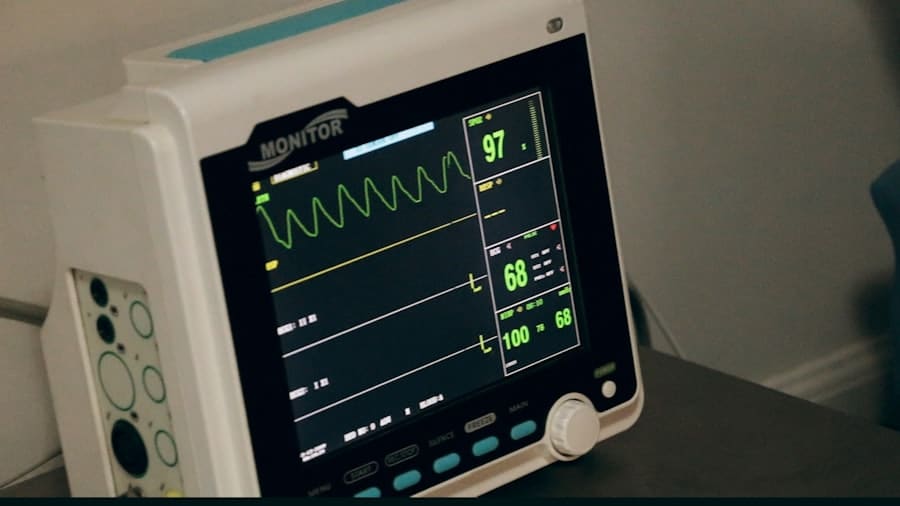
The applications of non-invasive health monitoring systems are vast and varied, spanning multiple domains within healthcare. One of the most prominent areas is chronic disease management. For patients with conditions such as hypertension or diabetes, continuous monitoring can lead to better disease control and improved outcomes.
For example, remote monitoring systems can alert healthcare providers to significant changes in a patient’s condition, allowing for timely interventions that can prevent complications or hospitalizations. Beyond chronic disease management, non-invasive health monitoring systems hold promise in preventive healthcare. By facilitating regular health assessments, these systems can help identify risk factors early on, enabling proactive measures to mitigate potential health issues.
For instance, wearable devices that track physical activity levels can encourage users to adopt healthier lifestyles by providing feedback on their daily habits. This shift towards preventive care not only benefits individual patients but also has broader implications for public health by reducing the overall burden on healthcare systems.
Challenges and Limitations of Non-Invasive Health Monitoring Systems
Despite their numerous advantages, non-invasive health monitoring systems are not without challenges and limitations. One significant concern is the accuracy and reliability of the data collected by these devices. While many modern wearables boast impressive specifications, discrepancies can arise due to factors such as user error, environmental conditions, or device calibration issues.
For instance, heart rate monitors may provide inaccurate readings during intense physical activity or when the device is not properly fitted. Such inaccuracies can lead to misguided health decisions or unnecessary anxiety for users. Another challenge lies in the integration of non-invasive monitoring systems into existing healthcare frameworks.
While these technologies offer valuable data, they must be effectively incorporated into clinical workflows to maximize their potential benefits. Healthcare providers may face difficulties in interpreting the vast amounts of data generated by these systems, leading to information overload or miscommunication between patients and providers. Additionally, there is a need for standardized protocols and guidelines to ensure that non-invasive monitoring is used effectively across different patient populations and clinical settings.
Emerging Trends and Innovations in Non-Invasive Health Monitoring
| Metric | Current Status | Projected Future (5 Years) | Impact on Healthcare |
|---|---|---|---|
| Accuracy of Sensors | 85-90% | 95-98% | Improved diagnosis and early detection |
| Device Miniaturization | Wearable patches and wristbands | Implantable and skin-like electronics | Increased patient comfort and continuous monitoring |
| Data Transmission Speed | 4G LTE, Bluetooth 5.0 | 5G and beyond, ultra-low latency | Real-time health data analytics and alerts |
| Battery Life | 1-2 days | 1-2 weeks with energy harvesting | Reduced maintenance and longer monitoring periods |
| Integration with AI | Basic anomaly detection | Predictive analytics and personalized health insights | Proactive healthcare and tailored treatment plans |
| Cost of Devices | High (hundreds to thousands) | Moderate to low (mass production) | Wider accessibility and adoption |
| Regulatory Approvals | Lengthy and complex | Streamlined processes with AI validation | Faster market entry and innovation |
As technology continues to evolve, several emerging trends are shaping the future of non-invasive health monitoring systems. One notable trend is the increasing use of artificial intelligence (AI) and machine learning algorithms to analyze health data. These advanced analytical tools can identify patterns and trends that may not be immediately apparent to human observers, enabling more accurate predictions about patient health outcomes.
For example, AI algorithms can analyze data from wearables to detect early signs of atrial fibrillation or other cardiac conditions, prompting timely medical intervention. Another significant trend is the rise of telehealth services that integrate non-invasive monitoring technologies. The COVID-19 pandemic accelerated the adoption of telehealth solutions, highlighting the importance of remote patient monitoring in maintaining continuity of care during times of crisis.
As healthcare providers increasingly embrace telehealth models, non-invasive monitoring systems will play a crucial role in facilitating virtual consultations and ongoing patient engagement. This shift not only enhances access to care but also allows for more personalized treatment plans based on real-time health data.
Ethical and Privacy Considerations in Non-Invasive Health Monitoring
The proliferation of non-invasive health monitoring systems raises important ethical and privacy considerations that must be addressed as these technologies become more integrated into everyday life. One primary concern is the security of personal health data collected by these devices. With increasing incidents of data breaches and cyberattacks in the healthcare sector, ensuring the confidentiality and integrity of sensitive health information is paramount.
Patients must be assured that their data is protected from unauthorized access and misuse. Moreover, there are ethical implications surrounding informed consent and data ownership. Users may not fully understand how their data will be used or shared when they engage with non-invasive monitoring technologies.
Clear communication regarding data usage policies is essential to foster trust between patients and healthcare providers. Additionally, there is a risk that reliance on non-invasive monitoring could lead to overdiagnosis or overtreatment if data is misinterpreted or if patients become overly reliant on technology for health assessments.
Integration of Non-Invasive Health Monitoring Systems with Healthcare
The successful integration of non-invasive health monitoring systems into healthcare requires collaboration among various stakeholders, including technology developers, healthcare providers, and regulatory bodies. Interoperability is a critical factor in this integration process; devices must be able to communicate seamlessly with electronic health records (EHRs) and other clinical systems to ensure that data is accessible and actionable for healthcare professionals. This connectivity enables providers to make informed decisions based on comprehensive patient information.
Furthermore, training healthcare professionals on how to interpret and utilize data from non-invasive monitoring systems is essential for maximizing their effectiveness. Providers must be equipped with the knowledge and skills necessary to integrate this data into clinical practice effectively. This may involve developing new workflows that incorporate real-time data from wearables or remote monitoring devices into routine patient assessments.
By fostering a culture of collaboration between technology developers and healthcare practitioners, the full potential of non-invasive health monitoring can be realized.
Future Outlook and Impact of Non-Invasive Health Monitoring Systems on Public Health
Looking ahead, the future of non-invasive health monitoring systems appears promising, with the potential to significantly impact public health outcomes. As these technologies continue to advance and become more widely adopted, they could play a pivotal role in addressing pressing public health challenges such as chronic disease prevalence and healthcare accessibility. By enabling early detection and intervention for various health conditions, non-invasive monitoring could lead to improved population health metrics and reduced healthcare costs.
Moreover, as public awareness of personal health management grows, individuals may increasingly embrace non-invasive technologies as part of their daily routines. This shift towards proactive health engagement could foster a culture of wellness that prioritizes prevention over treatment.
In exploring the advancements in health technology, the article on The Future of Non-Invasive Health Monitoring Systems highlights the potential of innovative solutions that can transform personal health management. This evolution parallels the way social media has adapted to user needs, as discussed in the article about Instagram’s founders and their return to the social media scene. Both sectors demonstrate how technology can enhance user experience and engagement, whether in health or social interactions.
FAQs
What are non-invasive health monitoring systems?
Non-invasive health monitoring systems are technologies designed to track and assess various health parameters without the need for surgical procedures or penetration of the skin. These systems typically use sensors, wearable devices, or imaging techniques to collect data such as heart rate, blood glucose levels, blood pressure, and oxygen saturation.
How do non-invasive health monitoring systems work?
These systems use a variety of sensors and technologies, including optical sensors, electromagnetic sensors, and biosensors, to detect physiological signals from the body. Data is collected externally, often through wearable devices or patches, and then processed using algorithms to provide real-time health information.
What are the benefits of non-invasive health monitoring?
Non-invasive monitoring offers several advantages, including increased patient comfort, reduced risk of infection, continuous real-time data collection, and the ability to monitor health conditions remotely. This can lead to earlier detection of health issues and better management of chronic diseases.
What are some common applications of non-invasive health monitoring systems?
Common applications include monitoring vital signs like heart rate and blood pressure, glucose monitoring for diabetes management, respiratory rate tracking, sleep quality assessment, and detecting early signs of cardiovascular diseases.
What technologies are driving the future of non-invasive health monitoring?
Advancements in wearable sensors, artificial intelligence, machine learning, flexible electronics, and wireless communication are key drivers. Innovations such as smartwatches, skin patches, and contactless monitoring devices are expanding the capabilities and accuracy of these systems.
Are non-invasive health monitoring systems accurate?
While accuracy has improved significantly, the precision of non-invasive systems can vary depending on the technology and application. Continuous research and development are focused on enhancing sensor sensitivity and data analysis algorithms to ensure reliable results comparable to invasive methods.
Can non-invasive health monitoring systems replace traditional medical tests?
Non-invasive systems are increasingly complementing traditional tests by providing continuous monitoring and early warning signs. However, they may not fully replace invasive diagnostic procedures, especially when detailed internal analysis or biopsies are required.
What challenges do non-invasive health monitoring systems face?
Challenges include ensuring data accuracy, managing large volumes of health data securely, maintaining user privacy, device calibration, and overcoming limitations related to sensor sensitivity and environmental interference.
How is data privacy handled in non-invasive health monitoring?
Data privacy is managed through encryption, secure data transmission protocols, compliance with healthcare regulations like HIPAA, and user consent mechanisms. Manufacturers and healthcare providers implement strict security measures to protect sensitive health information.
What is the future outlook for non-invasive health monitoring systems?
The future is promising, with ongoing advancements expected to make these systems more accurate, affordable, and widely accessible. Integration with telemedicine, personalized healthcare, and AI-driven analytics will enhance preventive care and chronic disease management globally.