

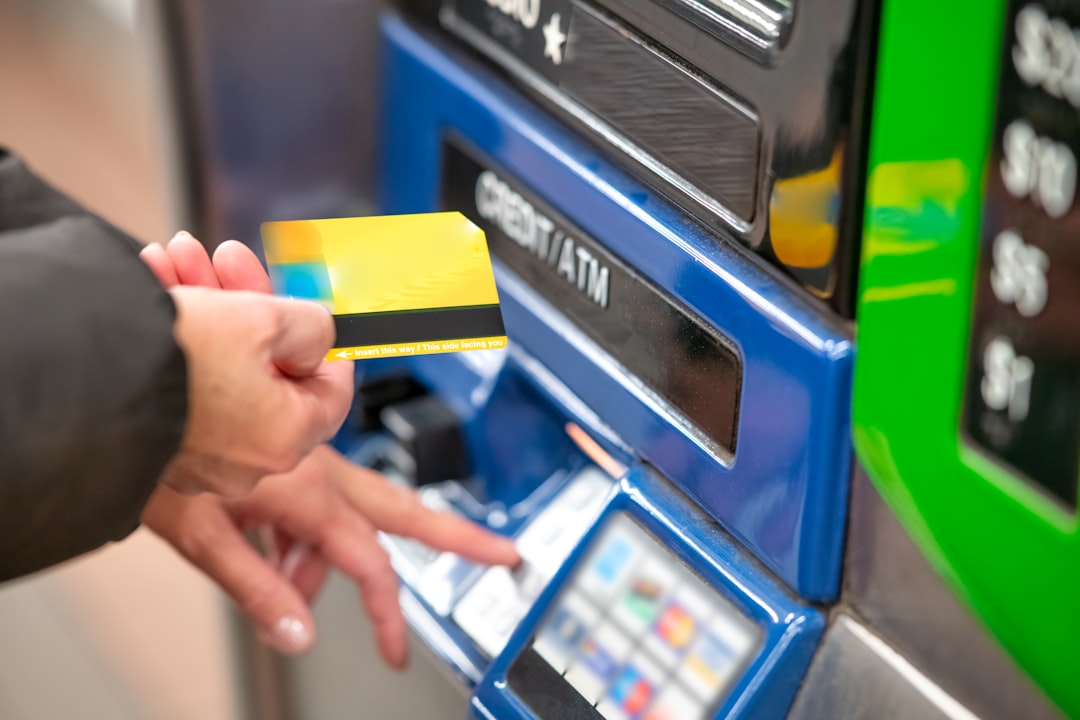
The traditional automated teller machine (ATM), a fixture in banking since the late 1960s, is undergoing a significant transformation. Driven by evolving consumer preferences, technological advancements, and economic pressures, the ATM is shedding its purely cash-dispensing role and embracing a broader spectrum of services. This shift is leading to the emergence of advanced self-service terminals, often termed “cashless kiosks” or “video tellers,” which reconfigure the interaction between individuals and their financial institutions.
From its inception, the ATM’s primary function was to provide convenient access to cash outside of traditional banking hours. Early models were rudimentary, offering basic withdrawal capabilities. Over decades, features like balance inquiries, deposits (initially envelope-based, then imaging), and transfers were integrated. However, the core identity remained tied to physical currency.
Drivers of Change
Several factors are propelling the ATM’s metamorphosis. The proliferation of digital payment methods, including debit cards, credit cards, mobile payments, and online transfers, has reduced reliance on physical cash for many transactions. This shift impacts currency circulation and alters consumer expectations regarding immediate financial services. Furthermore, the operational overheads associated with cash management – security, logistics, replenishment, and reconciliation – incentivise financial institutions to seek more efficient alternatives. Technological advancements in areas such as artificial intelligence, real-time video communication, and biometric authentication also create possibilities for enhanced self-service experiences.
In exploring the evolution of banking technology, an interesting article to consider is “What is the Best Tablet to Buy for Everyday Use,” which discusses the impact of mobile devices on financial services. As ATMs transition towards cashless kiosks and video tellers, the integration of tablets and mobile technology becomes increasingly relevant in enhancing user experience and accessibility. For more insights on how tablets can complement modern banking solutions, you can read the article here: What is the Best Tablet to Buy for Everyday Use.
Cashless Kiosks: Redefining Self-Service
Cashless kiosks represent a significant departure from the traditional ATM model. While they may retain some cash-handling capabilities for deposits or limited withdrawals in specific contexts, their primary focus is on expanding the range of non-cash financial transactions and information provision.
Beyond Cash Dispensing
These kiosks can facilitate a multitude of services. You, the user, might use a cashless kiosk for bill payments, often with instant reconciliation. Tax payments, utility bills, and even certain government services can be integrated. Account opening processes, typically requiring significant branch staff engagement, can be streamlined or even initiated at these kiosks, with identity verification handled through integrated scanning and, in some cases, biometric authentication. Loan applications, often a paper-intensive process, can also be initiated or progressed, with document scanning and secure data submission.
Information and Advisory Services
Cashless kiosks can also act as powerful information hubs. Imagine querying your bank about specific product features, interest rates for various accounts, or even simulating loan repayment scenarios. These machines can serve as digital brochures, providing detailed information about financial products and services, often tailored to your individual profile through secure login. Some kiosks incorporate interactive displays, allowing you to explore investment options or mortgage calculators. This functionality transforms them from mere transaction points into advisory aids, bridging the gap between self-service and personalized guidance.
Video Tellers: The Human-Digital Interface
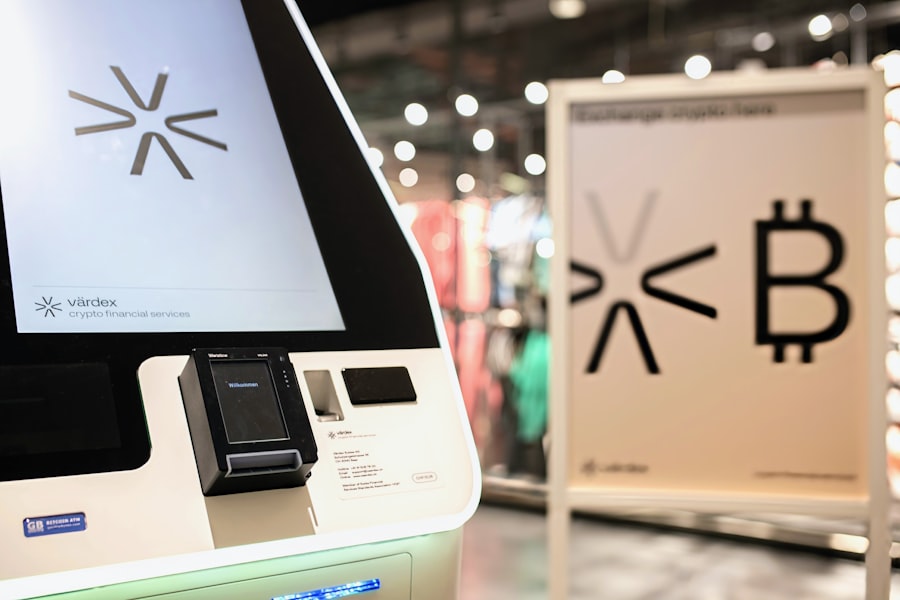
Video tellers, often referred to as Interactive Teller Machines (ITMs), merge the efficiency of self-service with the personalized assistance of a human banker. They represent a significant leap in ATM functionality, offering a hybrid model that can address a wider array of banking needs.
Real-Time Assistance
The core feature of a video teller is the ability to connect with a live, remote teller via two-way video communication. This means you can interact face-to-face with a banking professional, even outside traditional branch hours. This human element is crucial for complex transactions that might otherwise require an in-branch visit. Consider scenarios like disputing a transaction, requiring clarification on a complex financial product, or performing certain types of account maintenance that typically require a human touch. The video teller offers a solution where the machine handles the mechanics, and the human provides the expertise and reassurance.
Expanded Transaction Capabilities
Video tellers frequently offer extended transaction possibilities beyond those of a standard ATM. This includes large cash withdrawals that might exceed ATM limits (with appropriate identification and security protocols), check cashing without restrictive limits, and the ability to apply for specific financial products with real-time assistance. They can also facilitate processes like instant debit card issuance or replacement, often a service only available within branch operating hours. The remote teller can guide you through the process, verifying your identity and initiating the card printing.
Security and Verification
The integration of video tellers introduces new dimensions to security and identity verification. Biometric scanners (fingerprint, facial recognition) are becoming standard features, enabling rapid and secure authentication. The live video interaction allows the remote teller to visually verify your identity and assess any potential irregularities, adding an extra layer of security compared to purely automated systems. This combination of digital and human verification strengthens the integrity of transactions performed at these advanced terminals.
Benefits for Financial Institutions
The adoption of cashless kiosks and video tellers presents a compelling case for financial institutions. These technologies offer a multi-faceted approach to improving operational efficiency, enhancing customer experience, and ultimately, securing future growth.
Operational Efficiency and Cost Reduction
One of the primary benefits is the potential for significant cost reductions. By automating a wider range of transactions and shifting routine interactions away from traditional branch tellers, banks can optimize staffing levels and reduce labor costs. Cash management, a high-cost aspect of traditional banking, is significantly reduced in cashless kiosk models. Furthermore, smaller, more technologically advanced self-service terminals require less physical space, potentially lowering real estate and utility expenses. This lean operational model allows financial institutions to reallocate resources towards more complex, value-added services or strategic initiatives.
Enhanced Customer Experience and Accessibility
These advanced terminals significantly improve customer experience by offering greater convenience and accessibility. Imagine being able to perform nearly all your banking tasks at a self-service point, even outside standard business hours. Video tellers extend this accessibility further by providing human assistance without the need to physically enter a branch. This flexibility caters to the modern consumer’s demand for on-demand services, reducing wait times and providing options that fit diverse schedules. The ability to access complex services remotely can also benefit individuals in underserved areas, effectively extending banking reach without the overhead of physical branches.
Data Collection and Personalization
Advanced kiosks and video tellers are data rich environments. Every interaction, every query, every transaction provides valuable data points that can be analyzed to understand customer behavior and preferences. This data can inform product development, identify service gaps, and enable personalized offerings. For example, if a kiosk frequently records queries about mortgages, the bank can proactively send targeted information or promotions to users in that demographic. This insightful data acts as a compass, guiding financial institutions toward more effective customer engagement strategies.
In exploring the evolution of banking technology, one might find it interesting to read about the advancements in wearable devices, particularly smartwatches, which are increasingly being integrated into financial services. A related article discusses how these innovations are reshaping the way consumers interact with their finances, much like the shift towards cashless kiosks and video tellers in ATMs. For more insights on this topic, you can check out the article on smartwatches and their impact on daily life here.
Challenges and Considerations
| Metric | Current Status | Future Projection (5 Years) | Notes |
|---|---|---|---|
| Percentage of Cashless ATM Kiosks | 15% | 60% | Shift towards digital payments and reduced cash handling |
| Number of Video Teller Transactions per Month | 10,000 | 75,000 | Increased adoption due to personalized service and convenience |
| Average Transaction Time (minutes) | 3.5 | 2.0 | Improved efficiency with advanced interfaces and AI assistance |
| Customer Satisfaction Rate (%) | 78% | 90% | Enhanced user experience with video tellers and cashless options |
| Cost Reduction in ATM Maintenance (%) | 0% | 30% | Less cash handling reduces operational costs |
| Security Incidents per 1,000 Transactions | 2.5 | 1.0 | Improved biometric and video verification technologies |
While the benefits are substantial, the transition to advanced self-service terminals is not without its challenges. Financial institutions must navigate a complex landscape of technological integration, customer adoption, and regulatory compliance.
Cybersecurity and Data Privacy
As more sensitive financial transactions migrate to self-service terminals, the imperative for robust cybersecurity measures intensifies. Cashless kiosks and video tellers become attractive targets for cyberattacks, requiring sophisticated encryption, intrusion detection systems, and regular security audits. The integrity of your personal and financial data is paramount. Banks must invest heavily in securing these endpoints and ensure compliance with stringent data privacy regulations like GDPR or CCPA to maintain customer trust.
Digital Divide and User Adoption
Not all customers are equally comfortable with technology. A significant portion of the population, particularly older demographics, may prefer traditional, human-led interactions. The “digital divide” presents a challenge for widespread adoption. Financial institutions must provide adequate training and support, offering clear instructions and easily accessible assistance for those less familiar with these new technologies. The transition must be managed sensitively, ensuring that no segment of the customer base is left behind. A balanced approach, offering both advanced self-service and traditional options, may be necessary for a transitional period.
Integration with Existing Systems
Integrating new self-service terminal technologies with legacy banking systems can be a complex and costly endeavor. Core banking platforms, often decades old, were not designed for the real-time, interconnected capabilities that modern kiosks and video tellers demand. This integration requires significant investment in IT infrastructure, middleware development, and thorough testing to ensure seamless operation and prevent data discrepancies. The process is akin to replacing vital organs in a living organism while it continues to function – a delicate operation demanding expertise and careful planning.
The Future Landscape
The trajectory of the ATM is clear: it is moving beyond its cash-centric origins to become a versatile, multifaceted financial hub. The future financial landscape will likely see a proliferation of various self-service touchpoints, each tailored to specific needs and locations.
Branch Transformation
The role of the physical bank branch itself will continue to evolve. Instead of being primarily transactional, branches may transform into advisory centers, focusing on complex financial planning, wealth management, and personalized consultations. Cashless kiosks and video tellers will handle the majority of routine transactions, freeing up branch staff to engage in higher-value interactions. This shift reimagines the physical branch as a destination for expertise and relationship building, rather than a mere point of service.
Specialized Kiosks and Expanding Services
Expect to see increasingly specialized kiosks deployed in diverse locations. For instance, kiosks in retail environments might focus on facilitating instant loans for purchases, while those in transportation hubs could offer foreign currency exchange or travel insurance services. The scope of services offered will continue to expand, encompassing non-financial applications like document notarization, government service access, and telemedicine consultations, effectively turning these kiosks into multi-purpose community service points. This expansion transforms them from banking kiosks into broader ‘life kiosks’, addressing daily needs beyond purely financial ones.
Ethical AI and Personalization
As artificial intelligence becomes more sophisticated, future kiosks will offer increasingly personalized and predictive services. Imagine a kiosk that, based on your transaction history and financial goals, proactively suggests tailored investment opportunities or alerts you to potential savings. However, this level of personalization also necessitates a strong ethical framework for AI development and data usage. Transparency, fairness, and user control over their data will be critical for maintaining trust in these advanced systems. Adhering to these ethical guidelines will be crucial in ensuring that these powerful tools serve, rather than exploit, the user.
In conclusion, the evolution of the ATM into sophisticated cashless kiosks and video tellers marks a significant paradigm shift in how you, the consumer, interact with your financial institutions. This transformation, driven by technological innovation and changing consumer demands, is reshaping the banking landscape, promising greater convenience, efficiency, and accessibility, while simultaneously presenting new challenges that must be thoughtfully addressed to ensure a secure and equitable financial future.
FAQs
What are cashless kiosks in the context of ATMs?
Cashless kiosks are advanced ATM-like machines that allow users to perform banking transactions without dispensing or accepting physical cash. They typically support digital payments, card transactions, and other electronic banking services.
How do video tellers enhance the ATM experience?
Video tellers connect customers to live bank representatives via video conferencing, enabling personalized assistance for complex transactions, account inquiries, and problem resolution directly at the kiosk.
What are the benefits of transitioning to cashless ATMs?
Cashless ATMs reduce the need for cash handling, lower operational costs, increase security by minimizing cash theft risks, and support the growing trend of digital payments and contactless transactions.
Are cashless kiosks widely available today?
While cashless kiosks are becoming more common, especially in urban and technologically advanced areas, they are not yet universally available and are gradually being introduced as part of banks’ modernization efforts.
How do cashless kiosks and video tellers impact banking accessibility?
These technologies can improve banking accessibility by offering extended service hours, reducing wait times, and providing remote assistance, but they also require users to have some level of digital literacy and access to electronic payment methods.