

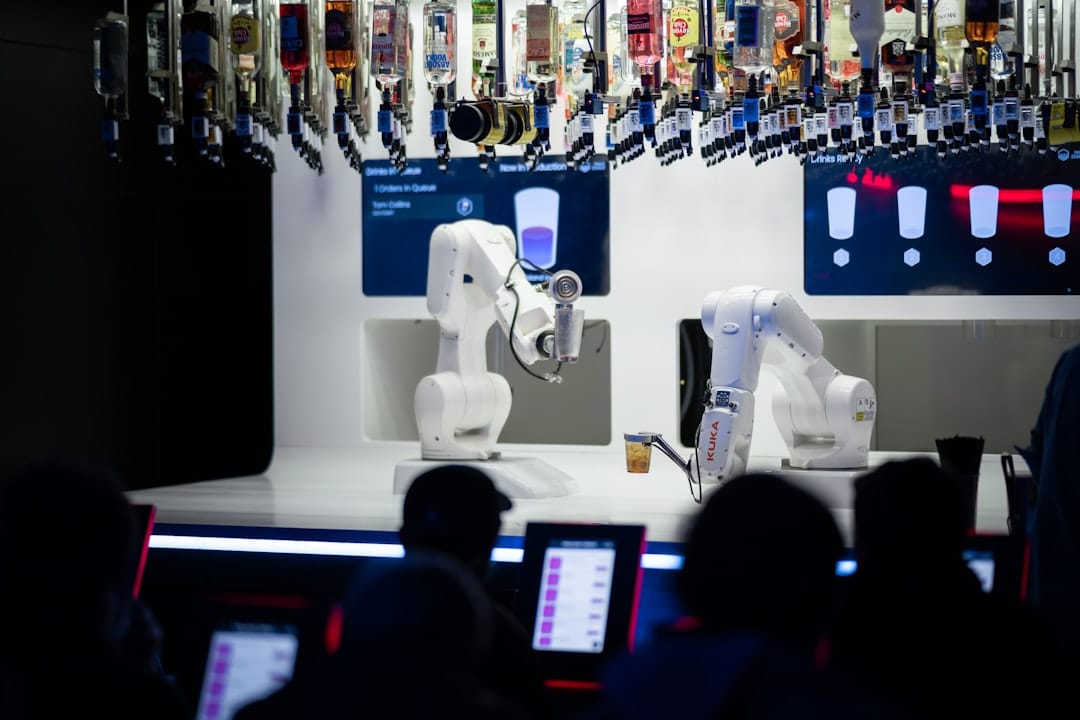
Artificial intelligence (AI) and robotics integration represents a significant technological development that is transforming multiple industries and changing human-machine interactions. AI-powered robotics combines AI algorithms and machine learning techniques with robotic systems, enabling machines to perform tasks requiring cognitive functions including perception, reasoning, and decision-making. These systems can execute pre-programmed instructions while also adapting to changing environments, learning from experience, and improving performance through iterative processes.
This technology offers potential improvements in efficiency, accuracy, and safety across various applications. AI-powered robotic systems function as intelligent agents that can operate autonomously or collaborate with human operators. The field of robotics has progressed from basic mechanical devices to sophisticated machines incorporating sensors and advanced computational algorithms.
Current AI-powered robots are deployed across healthcare, manufacturing, transportation, and personal assistance sectors, demonstrating the technology’s broad applicability. Continued developments in AI and robotics are expanding operational capabilities while generating discussions about future employment impacts, human-robot collaboration models, and ethical considerations surrounding intelligent machine deployment in society.
Key Takeaways
- AI-powered robotics are transforming multiple sectors by integrating advanced machine learning and automation technologies.
- In healthcare, these robots enhance precision in surgeries and improve patient care through intelligent assistance.
- Manufacturing and transportation benefit from AI robotics through increased efficiency, safety, and reduced operational costs.
- Home and personal assistance robots provide support for daily tasks, improving quality of life and independence.
- Ethical, legal, and technical challenges remain critical to address for the responsible development and deployment of AI-powered robotics.
AI-Powered Robotics in Healthcare
In the healthcare sector, AI-powered robotics is revolutionizing patient care and medical procedures. Surgical robots, for instance, have become increasingly prevalent in operating rooms, allowing surgeons to perform minimally invasive procedures with enhanced precision. These robotic systems are equipped with advanced imaging technologies and AI algorithms that assist in real-time decision-making during surgeries.
For example, the da Vinci Surgical System enables surgeons to control robotic arms with remarkable dexterity, translating their hand movements into precise actions on the surgical site. This not only reduces recovery times for patients but also minimizes the risk of complications associated with traditional open surgeries. Beyond surgical applications, AI-powered robots are also making strides in patient monitoring and rehabilitation.
Robotic exoskeletons are being developed to assist individuals with mobility impairments, providing them with the ability to walk again through powered support. These devices utilize AI to adapt to the user’s movements and intentions, creating a more natural and intuitive experience. Additionally, robots equipped with AI capabilities are being employed in elder care facilities to assist with daily activities, monitor vital signs, and provide companionship.
By leveraging machine learning algorithms, these robots can learn individual preferences and routines, enhancing the quality of life for elderly patients while alleviating some of the burdens on healthcare professionals.
AI-Powered Robotics in Manufacturing and Industry
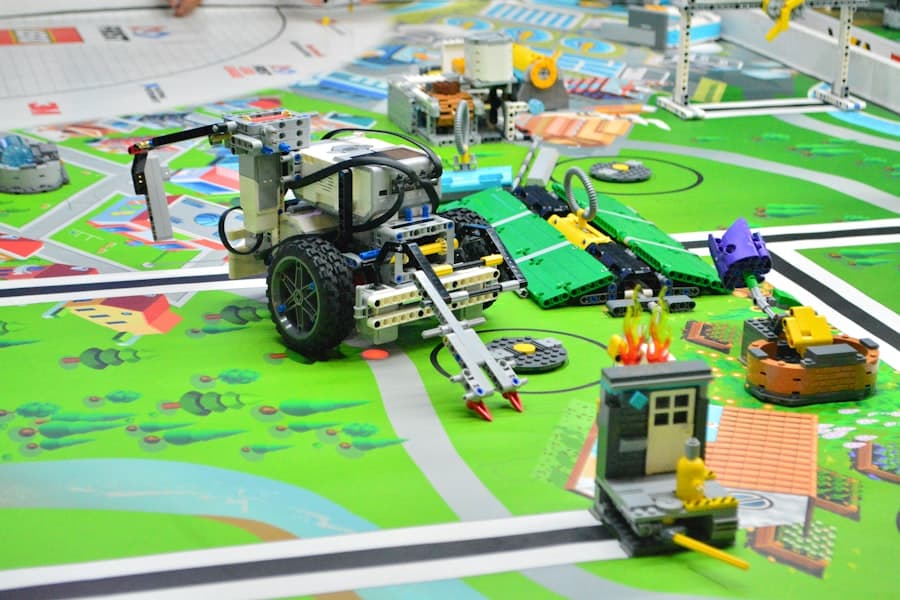
The manufacturing sector has long been a pioneer in adopting robotic technologies, but the integration of AI has taken industrial automation to unprecedented levels. AI-powered robots are now capable of performing complex tasks that require not only physical dexterity but also cognitive abilities such as problem-solving and quality control. For instance, collaborative robots, or cobots, are designed to work alongside human operators on assembly lines.
These robots utilize AI algorithms to analyze their surroundings and adjust their actions based on real-time feedback from human workers. This collaborative approach enhances productivity while ensuring safety in environments where humans and machines coexist. Moreover, AI-driven predictive maintenance is transforming how industries manage their equipment and machinery.
By analyzing data from sensors embedded in machines, AI algorithms can predict when a piece of equipment is likely to fail or require maintenance. This proactive approach minimizes downtime and reduces operational costs by allowing manufacturers to schedule maintenance activities during non-peak hours. Companies like Siemens and General Electric have implemented such systems in their factories, resulting in significant improvements in efficiency and resource allocation.
The ability of AI-powered robotics to optimize production processes not only boosts profitability but also contributes to sustainability efforts by reducing waste and energy consumption.
AI-Powered Robotics in Transportation
The transportation industry is undergoing a seismic shift due to the advent of AI-powered robotics, particularly in the realm of autonomous vehicles. Self-driving cars utilize a combination of sensors, cameras, and advanced machine learning algorithms to navigate complex environments without human intervention. Companies like Waymo and Tesla are at the forefront of this revolution, developing vehicles that can interpret real-time data from their surroundings to make informed driving decisions.
The potential benefits of autonomous vehicles are vast, including reduced traffic accidents caused by human error, increased mobility for individuals unable to drive, and improved traffic flow through optimized routing. In addition to personal transportation, AI-powered robotics is also transforming logistics and supply chain management.
These systems leverage AI algorithms to optimize delivery routes based on traffic patterns and customer preferences. For example, companies like Amazon are experimenting with drone delivery services that can autonomously navigate urban environments to deliver packages quickly and efficiently. The integration of AI in transportation not only enhances operational efficiency but also has the potential to reduce carbon emissions by optimizing routes and minimizing fuel consumption.
AI-Powered Robotics in Home and Personal Assistance
| Metric | Current Status (2024) | Projected Status (2030) | Notes |
|---|---|---|---|
| Household Robot Adoption Rate | 12% | 45% | Increased affordability and functionality drive adoption |
| Average Robot Task Efficiency | 65% | 90% | Improved AI algorithms enhance task completion accuracy |
| Number of AI-Powered Robots per Household | 0.3 | 1.2 | Multiple specialized robots for cleaning, security, and assistance |
| Integration with Smart Home Systems | 40% | 85% | Seamless connectivity with IoT devices |
| Reduction in Household Chores Time | 20% | 60% | Robots automate repetitive and time-consuming tasks |
| AI-Powered Robot Maintenance Cost | Moderate | Low | Advances in self-diagnosis and repair reduce costs |
| Public Trust in AI Robotics | 55% | 80% | Improved safety and transparency increase acceptance |
The rise of AI-powered robotics in home environments is reshaping how individuals manage daily tasks and enhance their quality of life. Smart home assistants like Amazon’s Alexa or Google Assistant have become ubiquitous, serving as central hubs for controlling various devices within a household. These systems utilize natural language processing (NLP) algorithms to understand user commands and provide personalized responses.
Beyond voice-activated assistance, robotic vacuum cleaners such as Roomba have gained popularity for their ability to autonomously navigate homes while performing cleaning tasks. These devices employ AI algorithms to map out living spaces and optimize cleaning patterns based on user preferences. Moreover, personal assistant robots are emerging as companions for individuals seeking support in their daily lives.
Robots like Jibo or ElliQ are designed to engage users in conversation, provide reminders for medication or appointments, and even offer entertainment through interactive games or storytelling. These robots leverage machine learning techniques to adapt their interactions based on user behavior and preferences over time. As technology continues to advance, the potential for AI-powered personal assistants to enhance social interaction and emotional well-being becomes increasingly apparent, particularly for elderly individuals or those living alone.
Ethical and Legal Considerations of AI-Powered Robotics
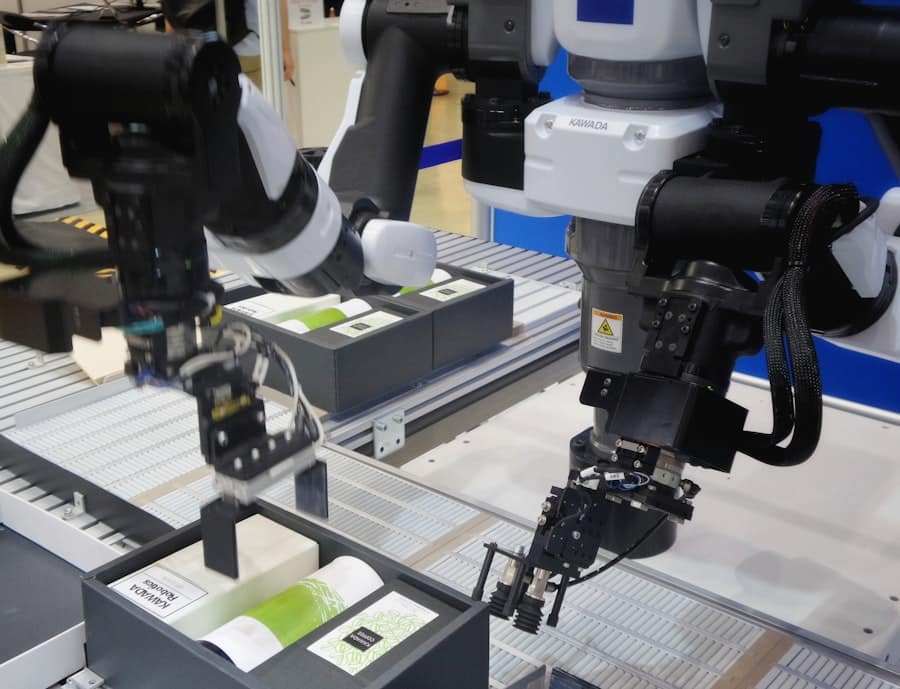
As the deployment of AI-powered robotics becomes more widespread, ethical and legal considerations surrounding their use are gaining prominence. One major concern is the potential for bias in AI algorithms that govern robotic behavior. If these algorithms are trained on biased data sets or lack diversity in their design, they may perpetuate existing inequalities or make decisions that adversely affect certain groups of people.
For instance, facial recognition technology used in security robots has faced criticism for its inaccuracies when identifying individuals from marginalized communities. Addressing these biases requires a concerted effort from developers to ensure fairness and transparency in algorithm design. Additionally, the legal implications of deploying autonomous robots raise complex questions about accountability and liability.
In cases where an autonomous vehicle is involved in an accident or a robotic system causes harm during its operation, determining who is responsible can be challenging. Legal frameworks must evolve to address these issues adequately, establishing clear guidelines for liability that consider both manufacturers’ responsibilities and users’ roles in operating these technologies. Furthermore, privacy concerns arise as robots collect vast amounts of data about individuals’ behaviors and preferences; safeguarding this information while ensuring compliance with data protection regulations is paramount.
Challenges and Limitations of AI-Powered Robotics
Despite the remarkable advancements in AI-powered robotics, several challenges and limitations persist that hinder their widespread adoption. One significant obstacle is the high cost associated with developing and implementing these technologies.
This disparity can lead to a digital divide where only larger corporations benefit from automation while smaller enterprises struggle to keep pace. Another challenge lies in the technical limitations of current AI algorithms. While machine learning has made significant strides in recent years, there are still scenarios where robots struggle to interpret complex or ambiguous situations accurately.
For example, navigating unpredictable environments filled with obstacles or interacting with humans who exhibit erratic behavior can pose difficulties for autonomous systems. Additionally, concerns about job displacement due to automation remain prevalent; as robots take over routine tasks traditionally performed by humans, there is a pressing need for workforce retraining programs that equip individuals with skills relevant to an increasingly automated job market.
The Future of AI-Powered Robotics: Opportunities and Potential Impact
Looking ahead, the future of AI-powered robotics holds immense promise across various sectors. As technology continues to evolve at an unprecedented pace, opportunities for innovation abound. In healthcare, for instance, advancements in telemedicine combined with robotic assistance could lead to remote surgeries performed by specialists located thousands of miles away from patients.
This would not only expand access to quality healthcare but also reduce costs associated with travel for both patients and providers. In manufacturing, the rise of smart factories powered by AI-driven robotics could revolutionize production processes by enabling real-time data analysis and adaptive manufacturing techniques. This shift towards Industry 4.0 will likely result in more efficient supply chains that respond dynamically to market demands while minimizing waste through optimized resource allocation.
Furthermore, as societal acceptance of autonomous systems grows, we may witness a broader integration of AI-powered robotics into everyday life—transforming how we live, work, and interact with technology on a fundamental level. The potential impact extends beyond mere convenience; it encompasses improvements in safety standards across industries as well as enhanced quality of life for individuals through personalized assistance tailored to their unique needs. In conclusion, while challenges remain on the path toward fully realizing the potential of AI-powered robotics—ranging from ethical considerations to technical limitations—the opportunities presented by this technology are vast and varied.
As we navigate this transformative landscape together—balancing innovation with responsibility—we stand at the threshold of a future where intelligent machines augment human capabilities in ways previously thought unimaginable.
In exploring the transformative potential of AI-powered robotics in our daily lives, it’s interesting to consider how technology is evolving across various sectors. A related article that delves into the broader implications of technology is Hacker Noon Covers a Range of Topics Across the Tech Sector, which discusses the latest trends and innovations that are shaping our future. This article provides valuable insights into how advancements in technology, including AI and robotics, are influencing everyday experiences.
FAQs
What is AI-powered robotics?
AI-powered robotics refers to robots that are integrated with artificial intelligence technologies, enabling them to perform tasks autonomously, learn from their environment, and make decisions without human intervention.
How are AI-powered robots currently used in everyday life?
AI-powered robots are used in various everyday applications such as robotic vacuum cleaners, personal assistants, automated lawn mowers, and smart home devices that can interact with users and adapt to their preferences.
What advancements are expected in AI-powered robotics in the near future?
Future advancements include improved machine learning algorithms, enhanced sensory perception, better human-robot interaction, increased autonomy, and the ability to perform more complex tasks in homes, workplaces, and public spaces.
How will AI-powered robotics impact daily living?
AI-powered robotics will increase convenience by automating routine tasks, improve safety through monitoring and assistance, enhance productivity, and provide support for elderly or disabled individuals, thereby improving overall quality of life.
Are AI-powered robots safe to use in homes?
Yes, AI-powered robots designed for home use undergo rigorous safety testing and are built with features to prevent accidents. However, users should follow manufacturer guidelines to ensure safe operation.
Will AI-powered robotics replace human jobs?
While AI-powered robotics may automate certain repetitive or hazardous tasks, they are also expected to create new job opportunities and augment human capabilities rather than completely replace human workers.
What challenges exist in integrating AI-powered robotics into everyday life?
Challenges include technical limitations, high costs, privacy concerns, ethical considerations, and the need for robust security measures to prevent misuse or hacking.
How can individuals prepare for the integration of AI-powered robotics?
Individuals can stay informed about technological developments, develop digital literacy skills, and adapt to new ways of working and living alongside AI-powered robots.
Will AI-powered robots be affordable for the average consumer?
As technology advances and production scales up, the cost of AI-powered robots is expected to decrease, making them more accessible to a broader range of consumers over time.
What role does AI play in the functionality of robots?
AI enables robots to process data, recognize patterns, learn from experiences, make decisions, and interact naturally with humans, significantly enhancing their functionality beyond pre-programmed instructions.