

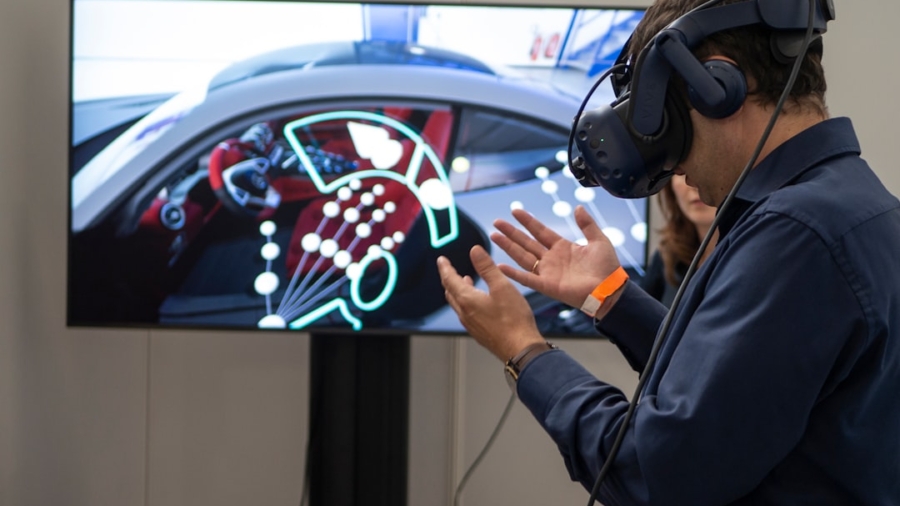
Virtual Reality field trips are stepping up their game in education, moving beyond simple novelty to become a serious tool for learning when integrated thoughtfully into modern curricula. Think of them not as replacements for real-world experiences, but as powerful supplements that can open up possibilities previously out of reach for many students.
The “Why” Behind Virtual Field Trips
So, why are educators looking to VR for field trips? It boils down to access, engagement, and a deeper level of immersion. Logistically, taking a whole class to the Amazon rainforest, the Louvre, or even a local historical site can be a monumental undertaking. Cost, transportation, time off from school, and student safety are all major hurdles. VR can shatter these barriers, bringing seemingly inaccessible locations directly into the classroom.
Beyond logistics, VR offers a unique way to engage students.
Instead of passively reading about ancient Rome, they can virtually walk through the Colosseum, examining the architecture and imagining the crowds. This active participation taps into different learning styles and can spark a curiosity that traditional methods might miss.
In exploring the advancements in educational technology, one can draw parallels to the article on selecting the perfect smartphone for a loved one, which emphasizes the importance of understanding user needs and preferences. Just as choosing a smartphone requires careful consideration of features that enhance communication and connectivity, the evolution of virtual reality field trips in modern curricula reflects a growing awareness of how immersive experiences can enrich learning. For more insights on making informed choices in technology, you can read the article here: How to Choose a Smartphone for Your Girlfriend.
Early Days and the Leap Forward
The concept of virtual field trips isn’t entirely new. We’ve had digitized museum tours and 360-degree videos for a while. Think of those early attempts where you might click through a series of static images or watch a pre-recorded video. While informative, they lacked the true sense of presence and interactivity that’s crucial for a compelling learning experience.
The evolution has been driven by advancements in VR technology itself. The jump from clunky, expensive headsets to more accessible, comfortable, and higher-resolution devices has been significant. Couple that with the development of more sophisticated software that allows for greater interactivity, and you have a recipe for a truly transformative educational tool.
- From Static to Dynamic: Early virtual experiences were often like looking at a high-quality photograph. Modern VR allows for movement, exploration, and even interaction with virtual objects and environments.
- The Rise of Immersive Platforms: Dedicated VR educational platforms are emerging, offering curated experiences and tools specifically designed for classroom use.
- Accessibility Improvements: The cost of VR hardware has decreased, making it more feasible for schools to invest in this technology.
Integrating VR into Different Subjects
The real power of VR field trips lies in how they can be woven into the fabric of various subjects, not just presented as an isolated activity. This requires thoughtful curriculum design and a clear understanding of learning objectives.
Science Exploration
In science, VR can bring abstract concepts to life and allow students to explore environments that are too dangerous, microscopic, or vast to experience firsthand.
Journey to the Microscopic World
Imagine a biology class dissecting a virtual cell. Students can zoom in on organelles, manipulate them, and understand their functions in a way that a 2D diagram simply can’t convey. They can also journey inside the human body, following the path of blood cells or understanding the complex workings of the respiratory system.
- Cellular Biology: Students can explore the intricate structures of plant and animal cells, understanding the roles of mitochondria, ribosomes, and the nucleus.
- Human Anatomy: Detailed 3D models allow for exploration of organ systems, bones, and muscles, facilitating a deeper understanding of how the body functions.
- Ecology and Ecosystems: Students can virtually visit diverse biomes, observing plant and animal life in their natural habitats, understanding food webs and environmental impacts from various perspectives.
Exploring the Cosmos
Astronomy lessons can be dramatically enhanced. Instead of just looking at pictures of planets, students can virtually travel to Mars, see the rings of Saturn up close, or witness the birth of a star. This provides a sense of scale and wonder that’s hard to replicate.
- Planetary Science: Students can “land” on different planets, observe their geological features, and compare their atmospheres.
- Stellar Evolution: Witnessing the lifecycle of stars, from nebulae to supernovae, offers a powerful visual and conceptual understanding.
- Galactic Structures: Explore the vastness of galaxies and nebulae, gaining a spatial appreciation for the universe.
History and Social Studies Adventures
History comes alive when students can step back in time. VR offers a unique perspective on historical events and locations, fostering empathy and critical thinking.
Walking Through Ancient Civilizations
Forget reading about ancient Egypt; students can virtually stand before the Great Pyramids, explore a pharaoh’s tomb, or wander through the bustling streets of ancient Rome. This allows for an understanding of daily life, architecture, and social structures that goes beyond textbook descriptions.
- Ancient Rome: Explore the Forum, the Colosseum, and Roman villas, understanding daily life, governance, and societal structures.
- Ancient Egypt: Visit the pyramids, temples, and tombs, learning about hieroglyphs, religious practices, and the Nile River’s importance.
- Maya Civilization: Immerse in the architectural marvels of Mayan cities like Tikal or Chichen Itza, understanding their astronomical knowledge and societal organization.
Reliving Historical Moments
VR can put students in the midst of pivotal historical events. While sensitive to the impact of these experiences, it can offer a more visceral understanding of the challenges and triumphs of the past, encouraging thoughtful reflection. For example, experiencing a simulated trench warfare environment (with appropriate content warnings and debriefing) could provide a stark, impactful lesson on the realities of conflict for older students.
- World Wars: Experiencing the environments of historical battlefields or significant moments (handled with extreme care and educational purpose) can foster a deeper understanding of the human cost of conflict.
- Civil Rights Movement: Virtual recreations of key events or locations associated with the Civil Rights Movement can offer a powerful avenue for understanding the struggles and achievements of this era.
- Exploration Eras: Virtually join an explorer on a significant voyage, understanding the challenges and discoveries of different periods.
Arts and Culture Immersion
The arts and culture sectors are perfect candidates for VR, offering access to experiences that might be geographically or financially prohibitive.
Visiting World-Renowned Museums
Students can wander through the hallowed halls of the Louvre, the Metropolitan Museum of Art, or the British Museum, examining masterpieces up close. They can explore exhibits virtually, getting closer to details than they ever could in a crowded museum.
- Art History: Examine famous paintings and sculptures in detail, understanding brushstrokes, artistic techniques, and historical context from every angle.
- Cultural Artifacts: Explore ancient pottery, jewelry, and tools, gaining insight into the lives and craftsmanship of past civilizations.
- Architectural Tours: Virtually walk through iconic buildings and historical sites, appreciating their design and historical significance.
Experiencing Global Performances
Imagine attending a traditional Japanese tea ceremony, watching a ballet performance from the Royal Opera House, or experiencing a cultural festival from across the globe. VR can provide a front-row seat to a world of artistic expression.
- Performing Arts: Witness theatrical performances, dance recitals, and musical concerts from around the world, gaining appreciation for diverse artistic traditions.
- Cultural Practices: Experience simulations of traditional ceremonies, festivals, and daily life in different cultures, fostering intercultural understanding.
- Music History: Explore historical performance venues and “attend” recreations of significant musical events.
STEM and Technical Skills Development
VR isn’t just for passive observation; it can be a powerful tool for hands-on learning in STEM fields.
Virtual Labs and Simulations
Conducting complex science experiments often requires specialized equipment and the risk of error. VR labs allow students to perform experiments in a safe, controlled environment. They can manipulate virtual equipment, mix chemicals, and observe reactions without real-world consequences. This can significantly reduce costs and improve safety.
- Chemistry Labs: Conduct experiments with virtual chemicals and equipment, understanding reactions and safety protocols.
- Physics Simulations: Explore concepts like gravity, motion, and electromagnetism through interactive simulations.
- Engineering Design: Students can virtually build and test prototypes, iterating on designs before committing to physical construction.
Skill-Building and Training
For vocational and technical education, VR offers realistic training scenarios. Aspiring mechanics can work on virtual engines, future doctors can practice surgical procedures, and students learning to operate heavy machinery can gain experience in a simulated environment.
- Medical Training: Practice surgical procedures, diagnose virtual patients, and learn intricate anatomical details.
- Technical Trades: Train on virtual machinery, practice repairs, and develop skills in areas like welding or electrical work.
- Emergency Response: Simulate disaster scenarios to train first responders and emergency personnel.
Challenges and Considerations for Implementation
While the potential is immense, bringing VR field trips into the classroom isn’t without its challenges. Educators need to be aware of these and plan accordingly.
- Cost of Hardware and Software: While decreasing, the initial investment in VR headsets and quality educational software can still be a barrier for some schools.
- Technical Infrastructure and Support: Schools need reliable internet access, charging stations, and technical support for the hardware.
- Content Quality and Pedagogical Soundness: Not all VR experiences are created equal. Educators must critically evaluate content to ensure it aligns with learning objectives and is pedagogically sound. Generic “wow” factor isn’t enough; the experience needs to be structured for learning.
- Teacher Training and Comfort Level: Educators may need training on how to effectively use VR technology and how to integrate it into their lessons. Some may also feel apprehensive about using new technology.
- Student Safety and Wellbeing: While generally safe, considerations like motion sickness, eye strain, and appropriate content for different age groups are important. Clear usage guidelines and supervision are crucial.
- Equity and Access: Ensuring that all students have equal access to VR experiences, regardless of their socioeconomic background or individual needs, is paramount.
The integration of virtual reality into educational settings has transformed the way students experience learning, particularly through immersive field trips that enhance engagement and understanding. A related article discusses the best tablets for drawing, which can complement these virtual experiences by allowing students to create and share their own artistic interpretations of what they encounter during these trips. For more insights on enhancing creativity in education, you can check out this informative piece on the best tablet for drawing.
Looking Ahead: The Future of Virtual Exploration
The evolution of VR field trips is far from over. As the technology matures, we can expect even more sophisticated, interactive, and personalized learning experiences.
- AI Integration: Imagine AI-powered guides within VR environments, offering personalized feedback and adapting the experience to individual student needs and learning paces.
- Haptic Feedback: The addition of haptic technology would allow students to “feel” virtual objects, further enhancing immersion and understanding.
- Collaborative VR: Students from different schools, or even different countries, could embark on virtual field trips together, fostering global collaboration and understanding.
- Student Creation: As VR development tools become more accessible, students themselves could become creators of virtual field trips, solidifying their learning by building their own immersive experiences.
In essence, virtual reality field trips are transitioning from a futuristic concept to a practical, valuable component of a well-rounded modern curriculum. By focusing on thoughtful integration and
acknowledging the necessary infrastructure and training, educators can harness the power of VR to create unforgettable and impactful learning journeys for their students.
FAQs
What is virtual reality (VR) and how is it used in education?
Virtual reality (VR) is a computer-generated simulation of an environment that can be interacted with in a seemingly real or physical way. In education, VR is used to create immersive experiences that allow students to explore and learn about various subjects in a more engaging and interactive manner.
How have virtual reality field trips evolved in modern curricula?
Virtual reality field trips have evolved in modern curricula by becoming more accessible and affordable, allowing schools to integrate VR technology into their teaching methods. Additionally, VR field trips now offer more realistic and detailed simulations, providing students with a more immersive and educational experience.
What are the benefits of using virtual reality field trips in education?
Using virtual reality field trips in education offers several benefits, including increased student engagement, improved retention of information, and the ability to provide students with experiences that may not be possible in a traditional classroom setting. VR field trips also allow for personalized and self-paced learning experiences.
What are some examples of virtual reality field trips being used in modern curricula?
Examples of virtual reality field trips being used in modern curricula include virtual visits to historical landmarks, immersive experiences in natural environments, and interactive simulations of scientific concepts. Additionally, VR field trips are being used to provide students with virtual tours of museums and art galleries.
What are the challenges of integrating virtual reality field trips into modern curricula?
Challenges of integrating virtual reality field trips into modern curricula include the cost of VR technology, the need for teacher training and support, and ensuring equitable access to VR experiences for all students. Additionally, there may be concerns about the potential for VR to replace real-world experiences and interactions.
Enjoying our content? Make us a preferred source on Google:
Add us as a Preferred Source on Google