

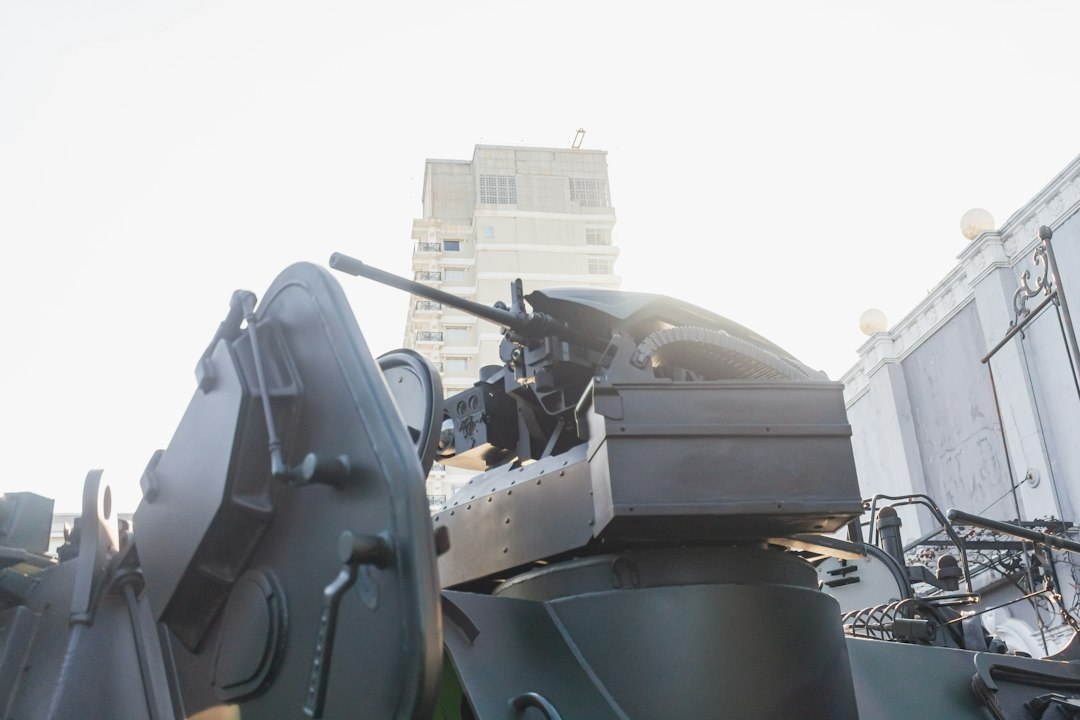
When we talk about automated weapons systems and autonomous drones, the core ethical dilemma boils down to this: are we comfortable delegating life-or-death decisions to machines? These systems, often referred to as ‘killer robots’ in popular culture, represent a profound shift in warfare, moving from human-directed actions to potentially machine-initiated ones. This isn’t just about efficiency or battlefield advantage; it delves deep into our understanding of accountability, humanity, and the very nature of conflict.
Defining Autonomy and Automation in Weapons
Before we get too far, let’s clarify what we’re actually discussing. The terms “autonomous” and “automated” are often used interchangeably, but there’s a crucial distinction, especially when it comes to weapons.
Levels of Machine Control
Not all machines operate the same way. It’s helpful to think of a spectrum of autonomy.
Human-in-the-Loop Systems
These are systems where a human operator must approve every action, particularly lethal force. Think of a drone where a pilot decides when to fire. The machine might identify targets, but the final trigger pull is always a human one. This is largely where most advanced military systems stand today.
Human-on-the-Loop Systems
Here, the machine can operate somewhat independently, but a human supervisor can intervene or override its actions at any point. The machine might execute a series of tasks, but if something unexpected happens, or if the human deems its action inappropriate, they can take control.
This offers a bit more operational speed but still maintains human oversight.
Human-out-of-the-Loop Systems
This is where the real ethical quandary lies. In these systems, a machine is designed to select targets and engage them without any human intervention or approval after its initial deployment. It operates fully autonomously based on its programming and sensor data. This is what generally comes to mind when people refer to ‘fully autonomous weapons systems’ or ‘killer robots’. The machine decides who lives and who dies, at least within its operational parameters.
Current Capabilities and Near-Future Prospects
It’s important to differentiate between science fiction and present reality. While fully autonomous weapons systems in the ‘human-out-of-the-loop’ sense aren’t widely deployed for lethal engagement today, many systems possess significant autonomous capabilities. For instance, defensive systems like anti-missile batteries can often identify and intercept threats without immediate human input, given the speed required.
The concern isn’t just about what exists now, but what’s rapidly becoming possible. Advances in artificial intelligence, machine learning, and sensor technology are making more sophisticated autonomous decision-making increasingly feasible. The ethical debate isn’t about if these capabilities will exist, but how we choose to use them, or rather, if we choose to use them for lethal force without human oversight.
In exploring the complex landscape of modern warfare, the article “The Ethical Dilemmas of Automated Weapons Systems and Autonomous Drones” raises critical questions about the implications of using advanced technology in combat. A related article that delves into the broader impact of technological advancements on society is available at this link: The iPhone 14 Pro: Experience the Power of Pro. While it focuses on consumer technology, it highlights how innovations can shape our daily lives and ethical considerations, paralleling the discussions surrounding military applications of automation.
Key Takeaways
- The training data includes information and events up to October 2023.
- Insights and knowledge are based on a wide range of sources available until the cutoff date.
- No updates or developments occurring after October 2023 are included in the training.
- Users should verify current information from reliable sources for the latest updates.
- The model’s responses reflect the context and knowledge available up to the specified date.
The Accountability Gap
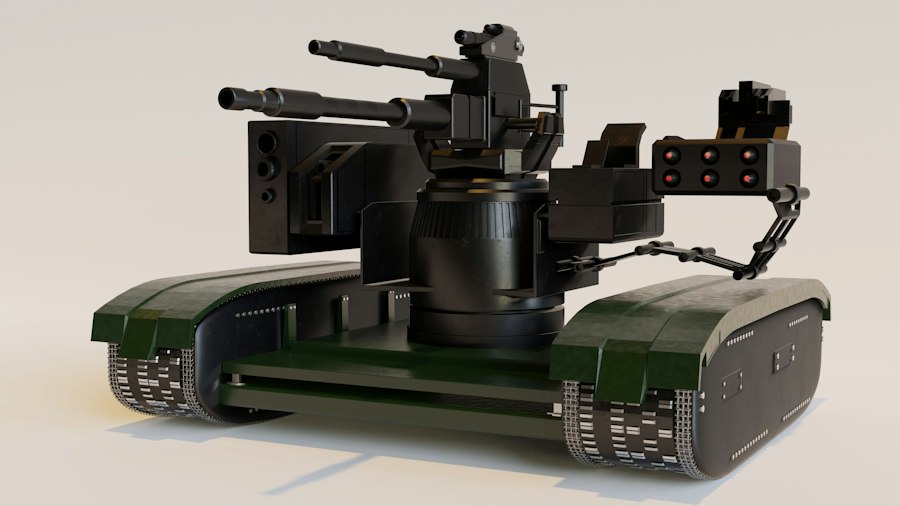
One of the most pressing ethical challenges with autonomous weapons systems is the question of accountability when things go wrong. If a machine makes an erroneous decision that results in civilian casualties or a breach of international law, who is to blame?
Who is Responsible for a Machine’s Actions?
This isn’t a simple question. In conventional warfare, responsibility typically traces back to the commander who issued the order, or the soldier who pulled the trigger. With an autonomous system, the chain of command becomes incredibly murky.
The Programmer’s Dilemma
Is the programmer responsible for every possible scenario the machine might encounter? Given the complexity of modern AI, it’s impossible to foresee every interaction and outcome. Bugs and unforeseen environmental factors can lead to unintended consequences. Furthermore, many autonomous systems “learn” over time, meaning their behavior can evolve beyond what was explicitly programmed.
The Manufacturer’s Liability
What about the company that built the system? While manufacturers are typically responsible for product defects, does this extend to a machine’s decision-making process in a combat scenario? The legal framework for holding a company accountable for the actions of an autonomous agent in a battlefield setting is virtually nonexistent.
The Commander’s Oversight
The military commander who deployed the system might be held responsible, but their level of control diminishes significantly with true autonomy. If the system operates “out of the loop,” the commander isn’t directly approving each lethal action. Can they be held accountable for decisions they didn’t make and couldn’t have prevented in real-time?
The Machine Itself
The notion of a machine being “accountable” is absurd in any meaningful human sense. Machines don’t possess moral agency, intent, or the capacity for punishment. Blaming the machine offers no solace to victims and provides no deterrent for future incidents.
International Humanitarian Law and Autonomous Weapons
International Humanitarian Law (IHL), or the laws of armed conflict, is built on principles like distinction (distinguishing between combatants and civilians) and proportionality (ensuring civilian harm is not excessive in relation to military advantage). These principles require human judgment, empathy, and the ability to understand complex, evolving situations.
The Principle of Distinction
Can a machine reliably distinguish between a combatant and a civilian, especially in complex urban environments or situations where civilians might be carrying tools that resemble weapons? Human soldiers are trained to interpret context, body language, and intent, often making split-second ethical judgments. A machine’s sensors and algorithms, however sophisticated, might struggle with these nuanced interpretations, potentially leading to errors with devastating consequences.
The Principle of Proportionality
Assessing proportionality involves weighing military advantage against anticipated civilian harm. This is a highly subjective and contextual judgment call, often requiring a deep understanding of human suffering and moral reasoning. Can a machine truly comprehend the value of a human life or the long-term societal impact of collateral damage? It’s programmed to optimize for a specific outcome, but that outcome might not align with broader ethical considerations.
The Martens Clause
The Martens Clause, a foundational principle of IHL, states that in cases not covered by specific rules, combatants and civilians remain under the protection and authority of the principles of humanity and the dictates of public conscience. This clause implicitly emphasizes the need for human judgment and moral reasoning in warfare. Removing humans from critical lethal decision-making potentially undermines the very spirit of the Martens Clause.
Escalation and Instability
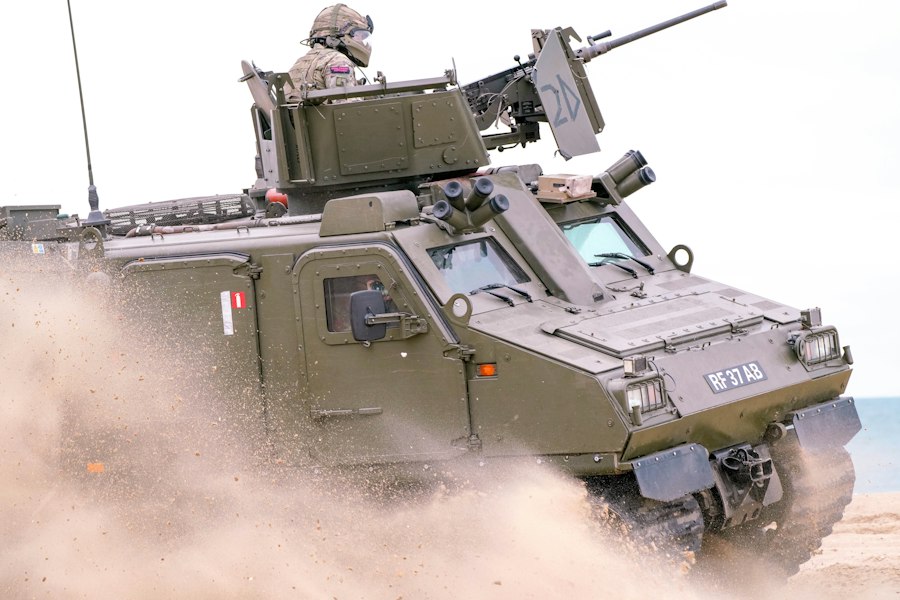
The proliferation of autonomous weapons systems could fundamentally alter the nature of warfare, potentially leading to increased instability and conflict escalation.
Lowering the Threshold for Conflict
If deploying autonomous systems means fewer human casualties for the aggressor, it could make the decision to initiate military action seem less costly. This “dehumanization” of war could reduce the political and societal barriers to conflict, making it more palatable for nations to engage in military interventions. The perceived “cleanliness” of autonomous warfare could mask its actual human cost.
Speed of Engagement and Accidental War
Autonomous systems can operate at speeds far beyond human reaction times.
This rapid decision-making, while potentially offering a tactical advantage, also carries significant risks. A fully autonomous “kill chain” could accelerate conflicts, reducing the time available for de-escalation, diplomatic efforts, or even human intervention to prevent an unintended war. A misidentification or a system error could trigger a rapid, irreversible series of events.
Arms Races and Proliferation
The development and deployment of autonomous weapons could trigger a new global arms race.
Nations that feel threatened by an adversary’s autonomous capabilities would be compelled to develop their own, leading to a dangerous cycle of innovation and proliferation.
The “Slippery Slope” Argument
Some argue that even if initial autonomous systems are developed with strict human oversight, the pressure for increased autonomy and speed in combat will inevitably lead down a “slippery slope” to fully autonomous weapons. Once the technology exists and is proven effective, the temptation to push its boundaries for tactical advantage will be immense.
Accessibility for Non-State Actors
While initially complex and expensive, autonomous weapon technology could eventually become more accessible, potentially falling into the hands of non-state actors or terrorist groups. This raises terrifying prospects for global security, as the barriers to deploying lethal force would be significantly lowered for groups with less adherence to international norms or ethical considerations.
The Erosion of Human Dignity and Morality
Beyond the practical and legal challenges, the use of autonomous weapons systems raises profound questions about human dignity, morality, and the very nature of conflict.
Dehumanizing Warfare
Warfare, despite its horrors, has always involved a human element – human decision-makers, human combatants, and human victims. Introducing machines that decide who lives and dies strips away this fundamental human dimension. It reduces combatants to targets and civilians to collateral damage, decided by algorithms rather than conscience.
The Loss of Empathy and Compassion
Machines, by definition, lack empathy, compassion, or a moral compass. They operate on logic and algorithms. When we delegate lethal force to them, we are essentially removing these crucial human elements from the battlefield. This isn’t just about efficiency; it’s about what it means to be human and what kind of wars we are willing to fight.
Moral Injury for Human Operators
Even for human operators overseeing autonomous systems, there’s a risk of moral injury. Being detached from the physical act of killing, yet still responsible for the deployment of a system that kills, can create a psychological distance that blurs moral lines and potentially leads to trauma.
The Retreat of Human Control
The ultimate concern is a world where critical life-and-death decisions are ceded to machines without genuine human oversight. This represents a significant step back from centuries of striving to regulate warfare and uphold fundamental human rights.
The Unpredictability of Emergent Behavior
As AI systems become more complex, their behavior can become emergent – meaning it’s not explicitly programmed but arises from the interactions of various components and learning processes. This unpredictability makes it even harder to guarantee ethical conduct, as the machine might act in ways its creators never intended or foresaw. This isn’t necessarily malevolence, but rather a lack of human-like reasoning and contextual understanding.
The Loss of a “Moral Pause”
Humans, even in the heat of battle, are capable of a “moral pause” – a moment of hesitation, doubt, or reconsideration based on ethical principles or a sudden shift in the situation. Machines, by design, execute their programmed tasks without such internal moral deliberation. Removing the possibility of this “moral pause” could lead to a colder, more relentless form of warfare.
In exploring the complex landscape of modern warfare, one might also find it intriguing to consider the implications of technology on personal health management, as discussed in a related article about the best Android health management watches.
The intersection of advanced technology in both military applications and personal wellness raises important questions about ethical responsibility and the impact of automation on human life. As we navigate these advancements, understanding their broader societal effects becomes increasingly crucial. For more insights, you can read the article here: best Android health management watches.
Pathways Forward and Potential Safeguards
| Aspect | Metric/Data | Description |
|---|---|---|
| Autonomy Level | 0 to 5 (DOD Standard) | Scale measuring the degree of autonomy in weapons systems, from human-controlled (0) to fully autonomous (5). |
| Incidents of Civilian Casualties | Estimated 10-15% in drone strikes | Percentage of civilian casualties reported in autonomous drone strikes, highlighting ethical concerns. |
| Accountability Cases | Less than 5 documented | Number of legal or military accountability cases related to autonomous weapons decisions. |
| International Treaties | 3 major treaties | Number of international agreements addressing autonomous weapons (e.g., CCW Protocols). |
| Public Support | 40-55% | Percentage of surveyed populations supporting the use of autonomous weapons under strict regulations. |
| System Reliability | 90-98% | Reported operational reliability rates of autonomous weapons systems in controlled environments. |
| Ethical Guidelines Adoption | 70% | Percentage of military organizations adopting formal ethical guidelines for autonomous weapons use. |
Given these complex ethical dilemmas, what are the potential pathways forward? Many voices, from NGOs to former military leaders and AI experts, are calling for international action.
Calls for a Ban
A significant movement, often spearheaded by the Campaign to Stop Killer Robots, advocates for a pre-emptive ban on the development and deployment of fully autonomous weapons systems. Their argument is that the risks – the accountability gap, the potential for escalation, and the erosion of human dignity – are too great to allow such systems to proliferate. They argue that such a ban is necessary to prevent a dystopian future of warfare.
The Precedent of Other Weapons
Proponents of a ban often point to historical precedents like landmines or chemical weapons, where international treaties were established to prohibit or restrict their use based on humanitarian concerns. They argue that autonomous weapons, given their potential impact, warrant similar pre-emptive action.
Preventing an Arms Race
A ban could also serve to prevent an arms race before it fully takes hold, offering a chance for international stability and cooperation on this critical issue.
Retaining Meaningful Human Control
Even if a full ban isn’t achieved, many agree that “meaningful human control” must be a fundamental principle for any autonomous weapon system. This means ensuring that a human always retains the ability to make and execute critical lethal decisions.
Defining “Meaningful Human Control”
This concept needs clear definition and implementation. It implies more than just a human being physically “present” in the loop. It means the human must have sufficient information, understanding, and the ability to intervene and prevent unintended harm. This requires transparency in how autonomous systems operate, and robust systems for human override.
Robust Testing and Ethical Guidelines
For any system with autonomous capabilities, rigorous testing under diverse and realistic conditions is crucial. This must be coupled with clear ethical guidelines that are embedded into the design and deployment phases. These guidelines should prioritize IHL, human rights, and the prevention of unintended harm.
International Dialogue and Regulation
The most realistic immediate pathway likely involves ongoing international dialogue and the development of robust international regulations. This means states coming together to discuss common understandings, norms, and potentially legally binding instruments.
The Role of the UN
For years, the United Nations’ Group of Governmental Experts (GGE) on Lethal Autonomous Weapons Systems (LAWS) has been the primary forum for these discussions. While progress has been slow, it represents the critical platform for states to deliberate and potentially forge consensus.
Engagement from Experts and Civil Society
It’s vital that these discussions include not only state representatives but also technical experts in AI, ethicists, legal scholars, and civil society organizations. Their diverse perspectives are essential for understanding the full implications and crafting effective policies.
Ultimately, the ethical dilemmas posed by autonomous weapons systems are not just technical challenges; they are profound moral questions about the kind of world we want to live in and the kind of warfare we are willing to countenance. The decisions made today will have lasting impacts on humanity’s future.
FAQs
What are automated weapons systems and autonomous drones?
Automated weapons systems are military technologies that can operate without direct human intervention, often using artificial intelligence to identify and engage targets. Autonomous drones are unmanned aerial vehicles that can perform missions independently, making decisions based on pre-programmed algorithms or real-time data analysis.
What ethical dilemmas are associated with the use of autonomous weapons?
The ethical dilemmas include concerns about accountability for actions taken by these systems, the potential for unintended civilian casualties, the dehumanization of warfare, and the risk of escalation in conflicts due to the speed and efficiency of automated systems. Additionally, there are worries about the potential for these technologies to be used in ways that violate international humanitarian law.
How do international laws address the use of automated weapons systems?
International laws, such as the Geneva Conventions, set guidelines for the conduct of warfare, including the protection of civilians and the principle of distinction between combatants and non-combatants. However, the rapid development of automated weapons systems has outpaced existing legal frameworks, leading to calls for new regulations or treaties specifically addressing the use of these technologies in armed conflict.
What are the potential benefits of using autonomous drones in military operations?
Potential benefits include increased operational efficiency, reduced risk to human soldiers, enhanced surveillance capabilities, and the ability to conduct missions in environments that may be too dangerous for human personnel. Autonomous drones can also operate continuously without fatigue, allowing for prolonged missions and quicker response times in combat situations.
What are the concerns regarding accountability in the use of autonomous weapons?
Concerns about accountability arise from the difficulty in determining who is responsible for the actions of autonomous systems—whether it be the developers, military commanders, or the machines themselves. This ambiguity can complicate legal and ethical assessments of actions taken by these systems, particularly in cases of civilian casualties or violations of international law.
Enjoying our content? Make us a preferred source on Google:
Add us as a Preferred Source on Google