

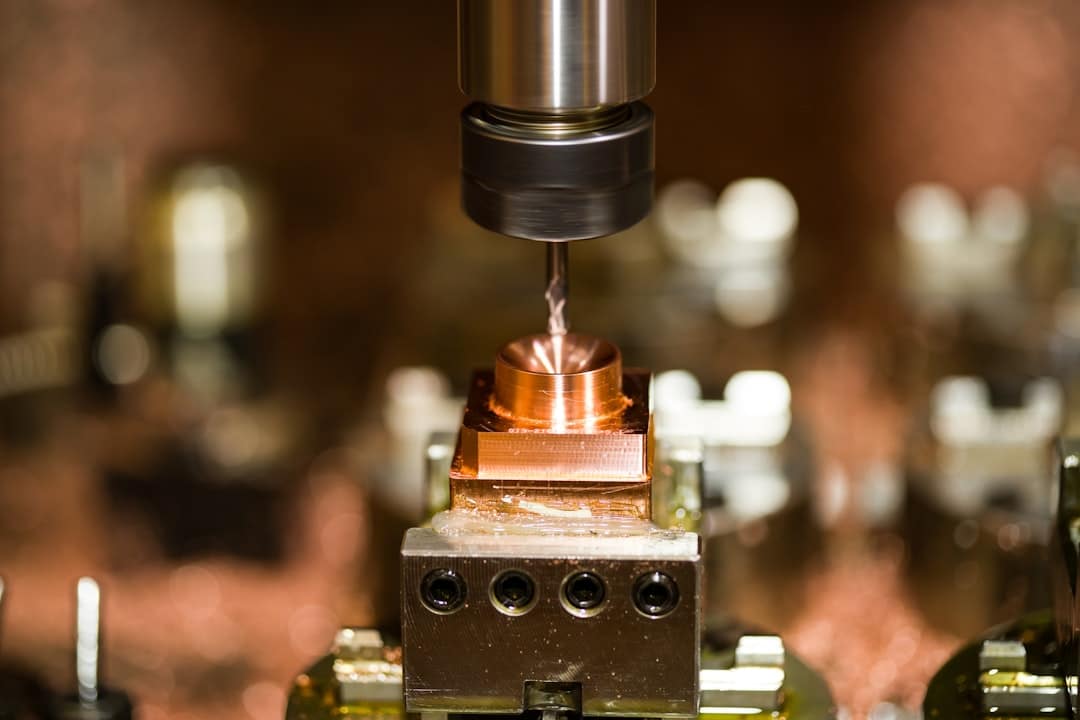
Virtual reality (VR) technology has gained significant traction in recent years, leading to a burgeoning industry focused on the manufacturing of VR hardware. This sector encompasses a wide range of devices, including headsets, motion controllers, and tracking systems, all designed to create immersive experiences for users. The rapid growth of VR has been fueled by advancements in technology, increased consumer interest, and applications across various fields such as gaming, education, healthcare, and training simulations. As the demand for VR hardware continues to rise, it is essential to examine the environmental implications associated with its production.
The manufacturing of VR hardware involves complex processes that require various materials and energy inputs. These processes can have substantial environmental impacts, from resource extraction to waste generation. Understanding these impacts is crucial for developing strategies that minimize harm to the environment while still meeting the growing demand for VR technology. As the industry evolves, stakeholders must consider not only the economic benefits of VR hardware manufacturing but also the ecological footprint it leaves behind.
The environmental impact of manufacturing VR hardware is a growing concern as the demand for immersive technology continues to rise. A related article that explores the broader implications of technology on sustainability is available at Best Laptops for Kids 2023. This article discusses the importance of choosing eco-friendly devices and highlights how the production processes of various electronics, including laptops, can affect the environment. By understanding these impacts, consumers can make more informed choices that contribute to a greener future.
Key Takeaways
- VR hardware manufacturing involves complex processes impacting the environment at multiple stages.
- Significant energy use and carbon emissions occur during production and operation of VR devices.
- Extraction of raw materials leads to resource depletion and considerable electronic waste generation.
- Water consumption and pollution are critical concerns in manufacturing components for VR hardware.
- Sustainable innovations and stricter regulations are essential for reducing the environmental footprint of VR technology.
Energy Consumption and Carbon Emissions
The production of VR hardware is energy-intensive, with significant energy consumption occurring at multiple stages of the manufacturing process. From the extraction of raw materials to the assembly of final products, each step requires substantial energy inputs, often derived from fossil fuels. This reliance on non-renewable energy sources contributes to carbon emissions, which are a major driver of climate change. As manufacturers strive to meet increasing demand, the energy footprint of VR hardware production is likely to grow unless alternative energy sources are adopted.
In addition to direct emissions from manufacturing processes, the lifecycle of VR hardware also includes emissions associated with transportation and distribution. The shipping of components and finished products often involves long-distance transport, which further exacerbates carbon footprints. To address these challenges, manufacturers are exploring ways to reduce energy consumption and transition to renewable energy sources.
Implementing energy-efficient technologies and practices can help mitigate the environmental impact of VR hardware production while also potentially reducing operational costs.
Resource Extraction and Waste Generation
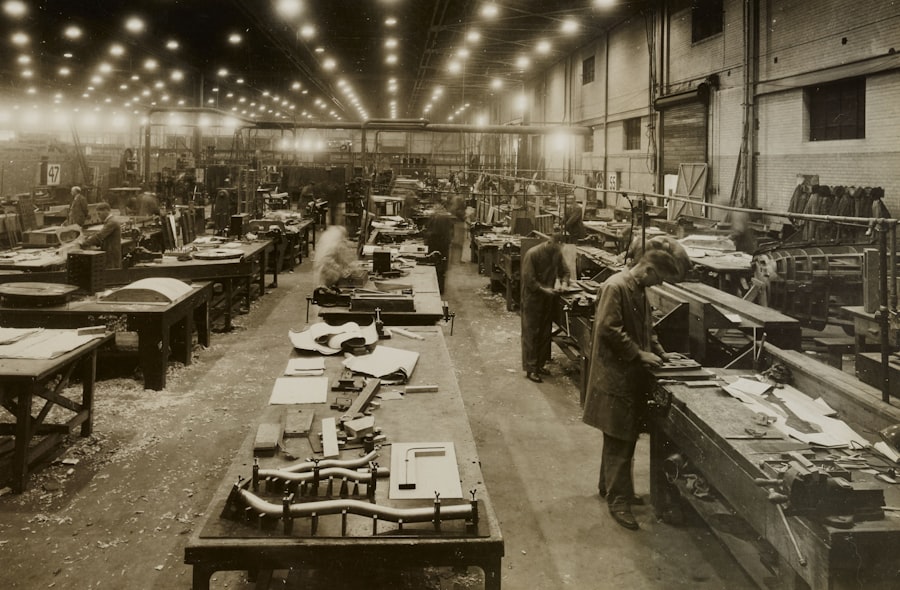
The manufacturing of VR hardware relies heavily on various raw materials, including metals, plastics, and rare earth elements. The extraction of these resources can lead to significant environmental degradation, including habitat destruction, soil erosion, and water contamination. Mining operations often generate large amounts of waste, which can pose risks to local ecosystems and communities. As demand for VR technology increases, so does the pressure on natural resources, raising concerns about sustainability and responsible sourcing.
Waste generation is another critical issue associated with VR hardware manufacturing. The production process can result in substantial amounts of scrap material and defective products that ultimately end up in landfills. Additionally, the rapid pace of technological advancement in the VR industry can lead to obsolescence, where older devices are discarded in favor of newer models. This cycle contributes to electronic waste (e-waste), which poses significant environmental challenges due to the hazardous materials often found in electronic components. Addressing these issues requires a concerted effort from manufacturers to adopt more sustainable practices throughout the supply chain.
Water Usage and Pollution
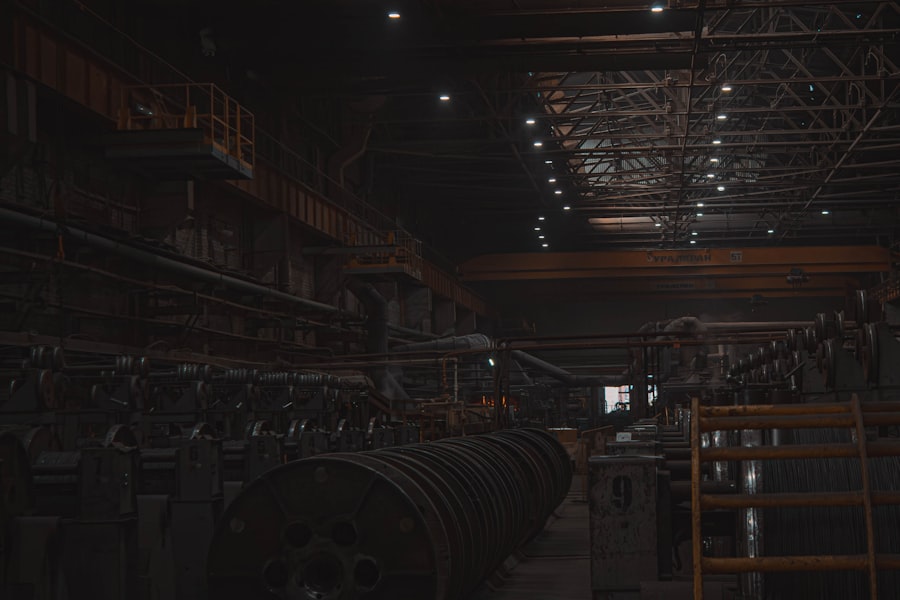
Water is an essential resource in the manufacturing of VR hardware, used in various processes such as cooling systems, cleaning components, and producing certain materials. However, the water-intensive nature of these processes raises concerns about water scarcity and pollution. In regions where water resources are already strained, the additional demand from manufacturing can exacerbate existing challenges. Furthermore, wastewater generated during production can contain harmful chemicals that pose risks to local water bodies if not properly treated.
Pollution resulting from water usage in VR hardware manufacturing can have far-reaching consequences for ecosystems and human health. Contaminated water can affect aquatic life and disrupt local food chains, while also posing risks to communities relying on these water sources for drinking and agriculture. To mitigate these impacts, manufacturers must implement effective water management strategies that prioritize conservation and pollution prevention. This includes investing in technologies that reduce water usage and improve wastewater treatment processes.
The environmental impact of manufacturing VR hardware is a growing concern as the demand for immersive technology increases. A related article discusses the best free software for 3D modeling in 2023, which can play a significant role in designing more sustainable products. By utilizing innovative design tools, manufacturers can create VR hardware that minimizes waste and optimizes resource use. For more insights on this topic, you can read the article on 3D modeling software.
Transportation and Distribution
| Metric | Value | Unit | Description |
|---|---|---|---|
| CO2 Emissions per VR Headset | 150 | kg CO2e | Estimated greenhouse gas emissions from manufacturing one VR headset |
| Energy Consumption in Manufacturing | 200 | kWh | Average energy used to produce one VR headset |
| Water Usage per Unit | 120 | Liters | Water consumed during the production process of one VR headset |
| Electronic Waste Generated | 0.5 | kg | Waste generated from manufacturing one VR headset |
| Percentage of Recycled Materials Used | 30 | % | Proportion of recycled components in VR hardware |
| Average Product Lifespan | 3 | Years | Typical usable life of a VR headset before replacement |
| Packaging Waste per Unit | 0.2 | kg | Waste generated from packaging materials per headset |
The transportation and distribution of VR hardware play a significant role in its overall environmental impact. The logistics involved in moving raw materials to manufacturing facilities and distributing finished products to consumers contribute to greenhouse gas emissions and resource consumption. The reliance on fossil fuel-powered transportation methods further exacerbates these issues, as shipping by air or road generates substantial carbon footprints.
To address the environmental challenges associated with transportation, manufacturers are exploring more sustainable logistics solutions. This includes optimizing supply chains to reduce transportation distances and utilizing more efficient shipping methods. Additionally, some companies are beginning to invest in electric or hybrid vehicles for their distribution fleets, which can help lower emissions over time. By prioritizing sustainable transportation practices, the VR hardware industry can work towards minimizing its environmental impact while still meeting consumer demand.
The environmental implications of producing virtual reality hardware are becoming increasingly significant as the demand for immersive experiences grows. A related article discusses the best software for conducting literature reviews, which can be a valuable resource for researchers examining the sustainability of technology manufacturing. By utilizing effective tools, scholars can better analyze the environmental impact of VR hardware and contribute to more sustainable practices in the industry. For more insights on this topic, you can read the article