

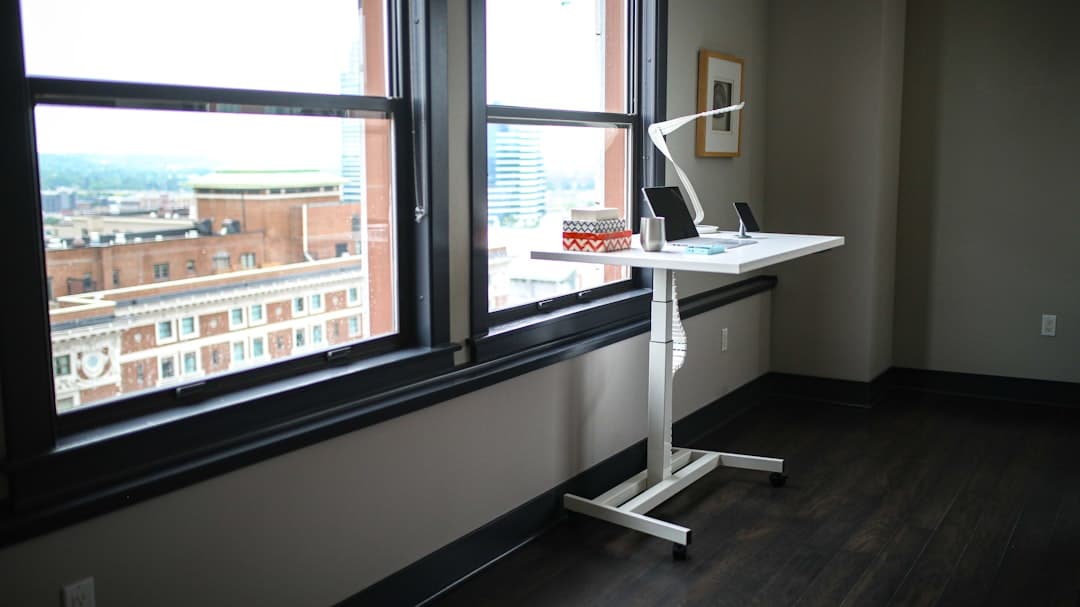
In recent years, standing desks have gained popularity as a viable alternative to traditional seated workstations. This shift is largely driven by a growing awareness of the health implications associated with prolonged sitting. As more individuals spend significant portions of their day at desks, the demand for ergonomic solutions has surged. Standing desks, often adjustable to accommodate both sitting and standing positions, are designed to promote better posture and reduce discomfort. Alongside these desks, various ergonomic technologies have emerged, including keyboard trays, monitor stands, and anti-fatigue mats, all aimed at enhancing the workspace experience.
The concept of ergonomic technology extends beyond just standing desks. It encompasses a range of tools and practices that prioritize the user’s comfort and health. By integrating these technologies into daily routines, individuals can create a more supportive work environment. The combination of standing desks and ergonomic tech not only addresses physical discomfort but also encourages a more active lifestyle. As the workplace evolves, understanding the benefits and proper use of these tools becomes essential for maintaining overall well-being.
In addition to exploring the benefits of standing desks and ergonomic technology, you might find it interesting to read about how wearable devices can enhance your productivity and health. A related article titled “The Best Smartwatch Apps of 2023” discusses various applications that can help you monitor your activity levels, manage stress, and stay organized throughout your day. You can check it out here: The Best Smartwatch Apps of 2023.
Key Takeaways
- Standing desks and ergonomic technology promote better posture and reduce sedentary behavior.
- Using standing desks can improve health by decreasing risks associated with prolonged sitting.
- Ergonomic tech enhances comfort and focus, leading to increased productivity.
- Standing desks aid in weight management and help lower the risk of chronic diseases.
- Proper use and adjustment of ergonomic tools are essential for maximizing benefits and preventing strain.
Health Benefits of Using Standing Desks
One of the primary health benefits associated with standing desks is the potential reduction in musculoskeletal disorders.
Prolonged sitting can lead to issues such as back pain, neck strain, and poor circulation.
By alternating between sitting and standing, users can alleviate some of the pressure on their spine and joints. This change in posture can lead to improved alignment and reduced discomfort over time. Additionally, standing desks can encourage more natural movement throughout the day, which may further contribute to musculoskeletal health.
Another significant health benefit is the potential for improved cardiovascular health. Research suggests that extended periods of sitting may be linked to an increased risk of heart disease. Standing more frequently can help promote better blood circulation and may even contribute to lower blood pressure levels. Furthermore, standing desks can encourage users to engage in light physical activity, such as stretching or walking, which can further enhance cardiovascular fitness. By incorporating standing desks into daily routines, individuals may experience a range of health improvements that extend beyond mere comfort.
Increased Productivity and Focus

The impact of standing desks on productivity is a topic of considerable interest among researchers and employers alike. Many users report feeling more energized and focused when working at a standing desk compared to a traditional seated setup. This increase in energy can be attributed to improved circulation and reduced fatigue associated with prolonged sitting. As individuals feel more alert, they may find it easier to concentrate on tasks and maintain their productivity throughout the day.
Moreover, standing desks can facilitate a more dynamic work environment. The ability to adjust height allows users to switch between sitting and standing as needed, which can help combat monotony and maintain engagement. This flexibility can lead to enhanced creativity and problem-solving abilities, as individuals are less likely to feel constrained by their workspace. By fostering a more active approach to work, standing desks may contribute to higher levels of productivity and overall job satisfaction.
Ergonomic Technology and its Impact on Posture

Ergonomic technology plays a crucial role in promoting good posture while using standing desks. Proper alignment is essential for preventing discomfort and long-term health issues. Tools such as monitor stands ensure that screens are at eye level, reducing strain on the neck and shoulders. Similarly, keyboard trays can help position hands at a comfortable height, minimizing wrist strain during typing. By utilizing these ergonomic tools in conjunction with standing desks, users can create a workspace that supports healthy posture.
The impact of ergonomic technology extends beyond immediate comfort; it can also influence long-term musculoskeletal health. Poor posture over time can lead to chronic pain and other complications. By prioritizing ergonomic design in the workspace, individuals can mitigate these risks. Regularly assessing and adjusting workstation setups is essential for maintaining optimal posture throughout the day. As awareness of the importance of ergonomics grows, more individuals are likely to adopt these technologies to enhance their overall well-being.
In exploring the advantages of standing desks and ergonomic technology, it’s interesting to consider how wearable devices can complement these setups. For instance, smartwatches can help monitor your posture and remind you to take breaks, enhancing your overall productivity and well-being. A related article that delves into the features and benefits of such devices is available here: smartwatches. By integrating these technologies, you can create a more dynamic and health-conscious workspace.
Standing Desks and Weight Management
| Benefit | Metric/Statistic | Description |
|---|---|---|
| Reduced Back Pain | 32% decrease | Users of standing desks report a 32% reduction in lower back pain after 4 weeks. |
| Increased Energy Levels | 45% improvement | Standing desk users experience a 45% increase in energy and alertness during work hours. |
| Improved Posture | 60% better posture | Ergonomic tech helps users maintain correct posture 60% more effectively than traditional setups. |
| Calorie Burn | 88 calories/hour | Standing burns approximately 88 more calories per hour compared to sitting. |
| Productivity Boost | 12% increase | Employees using ergonomic desks report a 12% increase in productivity. |
| Reduced Risk of Cardiovascular Disease | Up to 35% lower risk | Standing more during the day is linked to up to 35% reduced risk of heart disease. |
| Decreased Fatigue | 40% reduction | Ergonomic setups reduce feelings of fatigue by 40% during work hours. |
Weight management is another area where standing desks may have a positive impact. Research indicates that sedentary behavior is linked to weight gain and obesity. By incorporating standing into daily routines, individuals may burn more calories compared to sitting for extended periods. While the difference in calorie expenditure may not be substantial on its own, it can contribute to a more active lifestyle when combined with other healthy habits.
Additionally, standing desks can encourage movement throughout the day. Users may find themselves more inclined to take short breaks for stretching or walking when they are already on their feet. This increased activity can further support weight management efforts by promoting calorie burning and improving metabolic health. As part of a comprehensive approach to weight management, standing desks can serve as a valuable tool for those looking to maintain or achieve a healthy weight.
In exploring the advantages of standing desks and ergonomic technology, it’s interesting to consider how workplace environments are evolving to promote inclusivity and comfort for all employees. A related article discusses how Instagram has added a dedicated spot for users to display their pronouns, reflecting a broader trend towards creating more accommodating spaces in both digital and physical realms. You can read more about this initiative in the article here, which highlights the importance of fostering an inclusive atmosphere that complements the ergonomic benefits of modern office setups.
Reducing the Risk of Chronic Diseases
The relationship between sedentary behavior and chronic diseases has been well-documented in recent studies. Prolonged sitting has been associated with an increased risk of conditions such as diabetes, heart disease, and certain types of cancer. By using standing desks as part of a broader strategy to reduce sedentary time, individuals may lower their risk of developing these chronic diseases. The act of standing itself promotes better circulation and metabolic function, which are critical factors in disease prevention.
Moreover, integrating standing desks into daily routines can encourage healthier lifestyle choices overall. Individuals who are more active during the day may be more likely to engage in regular exercise outside of work hours or make healthier dietary choices. This holistic approach to health can significantly impact long-term well-being and reduce the likelihood of chronic disease development. As awareness of these risks continues to grow, standing desks may become an essential component of workplace wellness initiatives.
Tips for Using Standing Desks and Ergonomic Tech Effectively
To maximize the benefits of standing desks and ergonomic technology, users should consider several practical tips. First, it is essential to alternate between sitting and standing throughout the day. Experts recommend starting with short intervals of standing—around 15 to 30 minutes—and gradually increasing this time as comfort levels improve.
This approach helps prevent fatigue and allows the body to adjust to the new working position.
Another important consideration is the setup of the workstation itself. Users should ensure that their monitor is at eye level to avoid straining the neck and that their keyboard is positioned so that elbows remain at a 90-degree angle while typing. Anti-fatigue mats can also provide additional support for those who stand for extended periods, reducing discomfort in the feet and legs. Regular movement breaks are crucial; users should take time to stretch or walk around every hour to promote circulation and prevent stiffness.
Conclusion and Recommendations for Incorporating Standing Desks and Ergonomic Tech into Daily Routine
In conclusion, standing desks and ergonomic technology offer numerous benefits that extend beyond mere comfort. From improving posture and reducing the risk of chronic diseases to enhancing productivity and supporting weight management, these tools play a vital role in promoting overall health in the workplace. As more individuals recognize the importance of an active work environment, incorporating standing desks into daily routines becomes increasingly relevant.
For those looking to adopt this approach, it is advisable to start gradually by integrating standing periods into their workday while ensuring proper ergonomic setup. Regular assessments of workstation ergonomics will help maintain comfort and support long-term health goals. Ultimately, by embracing standing desks and ergonomic technology, individuals can take proactive steps toward improving their well-being in an increasingly sedentary world.
FAQs
What are the primary health benefits of using standing desks?
Standing desks help reduce the risk of obesity, lower blood sugar levels, decrease the risk of heart disease, and reduce back pain by promoting better posture and encouraging movement throughout the day.
How does ergonomic technology improve workplace comfort?
Ergonomic technology, such as adjustable chairs, keyboard trays, and monitor stands, is designed to support the natural posture of the body, reduce strain on muscles and joints, and prevent repetitive stress injuries, leading to increased comfort and productivity.
Can standing desks help improve focus and productivity?
Yes, standing desks can enhance focus and productivity by increasing blood flow and energy levels, reducing fatigue, and encouraging more frequent movement, which can help maintain alertness during work hours.
Are there any risks associated with using standing desks?
While standing desks offer many benefits, prolonged standing without breaks can lead to discomfort or issues such as leg swelling and varicose veins. It is recommended to alternate between sitting and standing and use anti-fatigue mats to minimize risks.
What features should I look for in ergonomic tech to complement a standing desk?
Look for adjustable height desks, supportive anti-fatigue mats, ergonomic chairs with lumbar support, monitor arms for proper screen positioning, and ergonomic keyboards and mice to reduce strain on wrists and hands.