


So, can we really use living cells to perform computations, like tiny biological computers? The short answer is yes, synthetic biology is making significant strides in programming living cells to execute logic operations, effectively turning them into a novel computing substrate. It’s not science fiction anymore; researchers are actively designing and building biological circuits within cells that can process information and make decisions, opening up entirely new possibilities beyond traditional silicon-based electronics.
The Core Idea: What Makes Cells “Computable”?
At its heart, synthetic biology aims to engineer biological systems with predictable and controllable behaviors. When we talk about computing with cells, we’re essentially leveraging the inherent molecular machinery of life – DNA, RNA, proteins, and metabolic pathways – as the building blocks for logic gates. Think of it this way: just as electronic computers use switches (transistors) to represent binary 0s and 1s, biological computers use molecular components that can exist in “on” or “off” states to represent information.
Molecular Switches and Information Flow
Cells are already incredibly sophisticated information processors. They sense their environment, integrate multiple signals, and respond appropriately. This natural capability provides the foundation for synthetic biology. The “switches” in this context are often genes whose expression can be turned on or off. For example, a specific protein might act as an input, binding to a regulatory region of DNA and either activating or repressing the transcription of another gene, which then produces an output protein. This input-output relationship forms the basis of a biological logic gate.
Beyond Simple Switches: Building Complexity
While a single genetic switch is useful, true computation requires combining these switches into more complex circuits. Just like we connect transistors to form logic gates (AND, OR, NOT) and then combine those gates to build microprocessors, synthetic biologists design and assemble multiple genetic elements to create more intricate cellular computations. This often involves engineering promoters, ribosomal binding sites, coding sequences, and terminators in specific configurations to control gene expression precisely.
In exploring the fascinating intersection of synthetic biology and computing, a related article that delves into the potential of programming living cells for logic operations can be found at this link. This article discusses how advancements in synthetic biology can pave the way for innovative applications in various fields, including medicine and environmental science, by harnessing the computational capabilities of biological systems. The implications of such technologies are vast, offering new avenues for research and practical solutions to complex problems.
Key Takeaways
- The training data includes information and events up to October 2023.
- Insights and knowledge are based on a wide range of sources available until the cutoff date.
- No updates or developments occurring after October 2023 are included in the training.
- Users should verify current information from reliable sources for the latest updates.
- The model’s responses reflect the context and knowledge available up to the specified date.
Designing Logic Gates in Living Cells
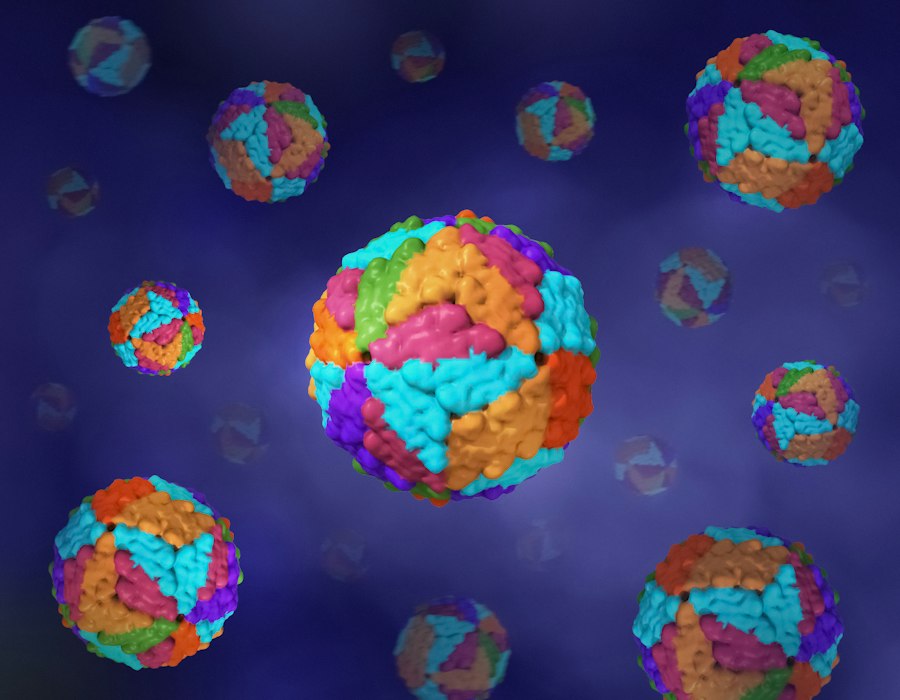
The ability to create basic logic gates is fundamental to any computing system. In synthetic biology, these gates are typically implemented by manipulating gene regulatory networks. The goal is to design a system where specific molecular inputs (e.g., the presence of a chemical, light, or another protein) trigger a defined molecular output (e.g., the production of a fluorescent protein, an enzyme, or a therapeutic molecule).
AND Gates: Requiring Multiple Inputs
An “AND” gate in a cell means that an output is only produced if all specified inputs are present simultaneously. A common way to implement this involves using multiple transcriptional activators. Imagine two different input molecules, Input A and Input B. We can design a gene that requires both an activator protein induced by Input A and another activator protein induced by Input B to bind to its promoter region before transcription can occur. If only A is present, or only B, or neither, there’s no output. Only when both A and B are present does the gene get transcribed, leading to an output.
OR Gates: Any Input Triggers Output
An “OR” gate, conversely, produces an output if any of its specified inputs are present. This can be achieved by having multiple, independent pathways that lead to the activation of the same output gene. For instance, Input A could activate a transcription factor that turns on the output gene, or Input B could activate a different transcription factor that also turns on the same output gene. As long as at least one input is present, the output gene is expressed.
NOT Gates: Inversion of Input
The “NOT” gate is crucial for creating more complex logic, as it inverts the input. If the input is present, the output is absent, and vice-versa. In synthetic biology, this is often implemented using repressors. If an input molecule leads to the production of a repressor protein, and that repressor protein binds to the promoter of the output gene, it will prevent the output gene from being expressed. So, when the input is “on,” the repressor is produced, and the output is “off.” When the input is “off,” no repressor is produced, and the output gene is constitutively “on” (assuming no other repression).
More Complex Gates: NAND, NOR, XOR
Once AND, OR, and NOT gates can be reliably implemented, more complex logic gates like NAND (NOT AND), NOR (NOT OR), and XOR (exclusive OR) can be constructed by combining these basic gates in series or parallel. For example, a NAND gate can be formed by coupling an AND gate with a NOT gate. Building these more sophisticated circuits allows cells to perform more intricate computations and respond to more nuanced environmental cues.
Tools and Techniques for Cellular Programming
The field of synthetic biology has developed an impressive toolkit over the past couple of decades to enable the programming of living cells. These tools range from sophisticated DNA assembly methods to advanced measurement techniques.
Genetic Circuit Design Platforms
Designing complex genetic circuits often involves specialized software platforms. These tools allow researchers to virtually assemble DNA parts, predict their interactions, and simulate the behavior of the circuit before actually building it in the lab.
This “design-build-test-learn” cycle is fundamental to synthetic biology. Examples include tools that help select optimal promoters, ribosome binding sites, and gene sequences to achieve desired expression levels and kinetic profiles.
DNA Assembly Methods
The physical construction of these genetic circuits requires highly efficient and precise DNA assembly techniques. Traditional cloning methods can be cumbersome for large, multi-part circuits.
Therefore, methods like Gibson Assembly, Golden Gate Assembly, and BioBrick standard assembly have become indispensable. These techniques allow for the seamless ligation of multiple DNA fragments encoding different genetic parts (e.g., promoters, coding sequences, terminators) into a single, functional genetic circuit, often in a single reaction.
CRISPR-Cas Systems for Gene Editing and Regulation
The advent of CRISPR-Cas systems has revolutionized synthetic biology. While widely known for gene editing, deactivated Cas9 (dCas9) can be engineered to specifically bind to DNA without cutting it.
By fusing dCas9 with transcriptional activators or repressors, researchers can precisely control gene expression. This allows for fine-tuning of gene circuits, creating inducible repression or activation simply by guiding dCas9 to specific promoter regions with guide RNAs. This provides an incredibly versatile and modular platform for building complex logic.
Optogenetics and Chemical Inducers
To control these genetic circuits with external signals, synthetic biologists employ various input mechanisms.
Optogenetics uses light to trigger or inhibit gene expression, offering precise spatial and temporal control. For instance, a light-sensitive protein can be engineered to activate a transcription factor only when exposed to specific wavelengths of light. Chemical inducers, such as small molecules or antibiotics, are also widely used.
These molecules can bind to engineered receptors or repressors, thereby activating or deactivating gene expression in a dose-dependent manner.
Both methods provide crucial ways to program and interact with the cellular computations.
Applications and Potential of Cellular Computing
The ability to program living cells for logic operations opens up a vast array of potential applications across medicine, biotechnology, and even environmental remediation. These “biological computers” could offer advantages that traditional electronics cannot, particularly in biological environments.
Smart Therapeutics: Sensing and Responding to Disease
One of the most exciting applications is in “smart” therapeutics. Imagine engineered cells, perhaps probiotics or human stem cells, that can detect specific disease markers (e.g., elevated inflammatory cytokines, cancer biomarkers) within the body and, in response, produce and deliver a therapeutic agent precisely where and when it’s needed. For example, a cell could be programmed with an “AND” gate: if both biomarker X and biomarker Y are present (indicating a specific type of cancer), then the cell produces an anti-cancer drug. This targeted approach could minimize side effects and improve treatment efficacy.
Biomanufacturing with Enhanced Control
In industrial biotechnology, synthetic biology is already used to engineer microbes for producing biofuels, pharmaceuticals, and industrial chemicals. Cellular computing can enhance this by introducing sophisticated control mechanisms. For instance, a microbial factory could be programmed to sense the concentration of a desired product and, if it falls below a certain threshold, upregulate the metabolic pathway responsible for its production, or if it reaches toxic levels, divert resources to protective mechanisms. This dynamic control could optimize yields and prevent cellular stress, making biomanufacturing processes more efficient and robust.
Environmental Monitoring and Remediation
Cells programmed with logic gates could act as biosensors for environmental monitoring. They could detect specific pollutants (e.g., heavy metals, pesticides) in water or soil and provide a clear, visible output (e.g., a color change, fluorescence). Furthermore, these cells could be engineered not just to detect but also to remediate the pollution. For example, a cell could be programmed to detect a specific pollutant, and if the concentration is above a certain threshold, activate genes that produce enzymes capable of degrading that pollutant. This provides a living, self-replicating, and potentially self-regulating system for environmental cleanup.
Fundamental Research and Understanding Biology
Beyond direct applications, developing cellular computing substrates pushes our understanding of biological systems. The act of designing and building synthetic circuits often reveals gaps in our knowledge of how natural gene regulatory networks function. By attempting to engineer predictable behaviors, researchers gain deeper insights into the complex, interconnected nature of biological processes, ultimately aiding in our understanding of disease and basic life functions. It’s a powerful feedback loop: understanding biology enables better synthetic design, and synthetic design helps us understand biology better.
In the rapidly evolving field of synthetic biology, researchers are exploring innovative ways to utilize living cells as a computing substrate for logic operations. This fascinating intersection of biology and technology opens up new possibilities for programming cellular functions, leading to advancements in areas such as medicine and environmental science. For those interested in the broader implications of technology trends, a related article discusses the impact of social media platforms like TikTok on contemporary culture and communication. You can read more about these trends in the article here.
Challenges and Future Directions
| Metric | Description | Typical Values / Examples | Unit |
|---|---|---|---|
| Logic Gate Types | Types of logic gates implemented in living cells | AND, OR, NOT, NAND, NOR, XOR | – |
| Response Time | Time taken for the cell to produce output after input stimulus | 30 min – 4 hours | minutes / hours |
| Signal Molecules | Types of molecules used as inputs or outputs in logic circuits | Inducers (IPTG, arabinose), repressors, fluorescent proteins | – |
| Output Measurement | Method to detect logic output | Fluorescence intensity, colorimetric change, growth rate | Arbitrary units / OD600 |
| Memory Capacity | Ability of cells to store logic states | Single-bit (toggle switches), multi-bit (recombinase-based) | bits |
| Cell Types Used | Organisms engineered for logic operations | Escherichia coli, Saccharomyces cerevisiae, mammalian cells | – |
| Noise Level | Variability in output signal due to biological fluctuations | Coefficient of variation ~10-30% | % |
| Scalability | Number of logic gates combined in a single cell | Up to 5-7 gates demonstrated | count |
| Energy Consumption | Metabolic cost of maintaining logic circuits | Increased ATP usage, variable by circuit complexity | Relative units |
While the progress in synthetic biology for cellular computing has been remarkable, several significant challenges remain. Addressing these challenges is crucial for moving from proof-of-concept demonstrations to widespread, reliable applications.
Reliability and Predictability
Biological systems are inherently noisy and complex. Achieving reliable and predictable computation in living cells is a major hurdle. Gene expression levels can fluctuate, protein interactions can be non-specific, and metabolic loads can vary, all of which can affect the performance of a genetic circuit. Future work needs to focus on designing more robust circuits that are less susceptible to biological noise, perhaps through redundancy or feedback control mechanisms that self-correct deviations. Better modeling tools that can accurately predict in-vivo behavior are also critical.
Scalability and Integration
Currently, most synthetic biological circuits demonstrate relatively simple logic operations with a limited number of inputs and outputs. Scaling up to perform complex computations comparable to electronic microprocessors is a monumental challenge. Integrating multiple complex circuits within a single cell or across populations of cells without unwanted interference is difficult. Developing modular and orthogonal genetic parts (parts that don’t interfere with each other) is essential for building larger, more sophisticated cellular computers. New strategies for compartmentalizing circuits within cells or using multicellular systems to distribute computational tasks are active areas of research.
Standardization and Portability
Unlike electronics, where components adhere to strict standards, biological parts can behave differently in different cellular hosts or even under slightly varying environmental conditions. Achieving standardization of biological parts (e.g., standardizing promoter strengths or reporter protein characteristics) is crucial for enabling easier design, sharing, and reproduction of synthetic circuits across different labs and applications. Making circuits “portable” – meaning they can function reliably in various cell types (e.g., E. coli, yeast, mammalian cells) – is also a key goal.
Biosafety and Ethical Considerations
As we gain the ability to engineer living systems with greater sophistication, biosafety and ethical considerations become paramount. Ensuring that engineered organisms are safely contained and do not pose risks to human health or the environment is a top priority. This includes developing “kill switches” or other containment strategies to prevent unintended proliferation. Ethical discussions around the creation of novel life forms and the implications of programming biological systems will continue to evolve alongside the technology itself, requiring careful consideration and public engagement.
Towards Real-World Deployment
Ultimately, the future of synthetic biology as a computing substrate lies in overcoming these challenges to enable real-world deployment. This involves not only further scientific and engineering breakthroughs but also developing streamlined manufacturing processes, robust quality control, and rigorous testing protocols for engineered biological systems. While still in its early stages for complex computations, the field is rapidly advancing, promising a future where living cells are not just biological factories but also dynamic, intelligent computational engines.
FAQs
What is synthetic biology?
Synthetic biology is an interdisciplinary field that combines biology, engineering, and computer science to design and construct new biological parts, devices, and systems. It aims to create organisms with novel functions or to redesign existing biological systems for useful purposes, such as producing biofuels, pharmaceuticals, or performing logic operations.
How can living cells be programmed for logic operations?
Living cells can be programmed for logic operations by engineering genetic circuits that mimic electronic logic gates. These circuits use biological components, such as promoters, ribosome binding sites, and enzymes, to create responses to specific inputs, allowing cells to perform computations similar to those done by traditional computers.
What are the potential applications of programming living cells?
Potential applications of programming living cells include biosensing, where engineered cells can detect environmental changes or pathogens; biomanufacturing, where cells produce valuable compounds; and therapeutic applications, such as targeted drug delivery or cancer treatment, where cells can respond to specific signals in the body.
What are the challenges associated with synthetic biology as a computing substrate?
Challenges include ensuring the reliability and predictability of engineered biological systems, managing the complexity of genetic interactions, and addressing ethical concerns related to genetic modification. Additionally, there are technical hurdles in scaling up the production of engineered cells and integrating them into existing biological systems.
How does synthetic biology differ from traditional computing?
Synthetic biology differs from traditional computing in that it operates within the realm of living systems, utilizing biological processes and materials. While traditional computing relies on electronic circuits and binary logic, synthetic biology leverages biochemical pathways and genetic information to perform computations, often resulting in more complex and adaptive systems.
Enjoying our content? Make us a preferred source on Google:
Add us as a Preferred Source on Google