

Swarm robotics, the field of study concerning the coordination of multiple robots to perform collective tasks, has seen remarkable advancements. One compelling application of this technology is in the creation of aerial light shows using swarms of drones. These choreographed displays, often seen at public events and celebrations, represent a sophisticated integration of robotics, artificial intelligence, and visual art. This article will explore the principles behind swarm robotics, the specific hardware and software involved in light show drones, the algorithms that enable their coordinated flight, and the challenges and future prospects of this emerging field.
At its core, swarm robotics draws inspiration from natural systems where large numbers of relatively simple agents cooperate to achieve complex behaviors. Think of an ant colony building a nest or a flock of birds navigating the sky. These natural swarms operate with decentralized control; individual agents follow simple rules, and their collective interaction gives rise to emergent intelligence. This contrasts with traditional robotic systems that often rely on a single, central controller for all operations.
Decentralized Control and Emergent Behavior
In a swarm robotic system, each drone, or agent, is equipped with basic sensors and processing capabilities. It doesn’t need to possess the intelligence of a single, highly sophisticated robot. Instead, individual robots communicate with their neighbors, sharing information about their position, velocity, and intended actions. These local interactions, governed by predefined rules and algorithms, lead to emergent behavior – complex patterns and actions that arise organically from the collective. The analogy here is like a single droplet of water: seemingly insignificant on its own, but a multitude of droplets can form a powerful wave or carve canyons over time.
Local Interaction and Global Coordination
The key to successful swarm coordination lies in local interaction. Each drone primarily interacts with its immediate neighbors. This limits the complexity of individual decision-making and reduces the communication burden. However, these local interactions, when propagated throughout the swarm, result in global coordination. Imagine a chain reaction; a single spark can ignite a much larger fire through a series of interconnected events. Similarly, a drone nudging its neighbor can, through a cascade of such nudges, guide the entire swarm to form a specific shape or pattern.
Simple Rules, Complex Outcomes
The algorithms that govern swarm behavior are often based on simple rules. Common algorithms include:
Stigmergy
Stigmergy is a mechanism of indirect coordination through the environment. In natural systems, this might involve ants leaving pheromone trails that guide other ants. In drone swarms, this can be simulated by drones leaving virtual “trails” of information or by altering the drone’s own programmed behavior based on the detected positions of other drones. This allows for a form of communication without direct, explicit messaging between all agents.
Boids Algorithm
The Boids algorithm, developed by Craig Reynolds, is a classic example. It simulates the flocking behavior of birds and is based on three simple rules:
- Separation: Each flockmate steers to avoid crowding local flockmates.
- Alignment: Each flockmate steers towards the average heading of local flockmates.
- Cohesion: Each flockmate steers to move towards the average position (center of mass) of local flockmates.
Applying these rules to drones can create realistic-looking, fluid movements and allow the swarm to maintain formation and avoid collisions.
Modularity and Scalability
A significant advantage of swarm robotics is its modularity and scalability. The system can be expanded by simply adding more robots without fundamentally redesigning the control architecture. This is akin to adding more bricks to build a larger wall; the fundamental building block remains the same. This makes it practical for large-scale light shows, where hundreds or even thousands of drones might be deployed.
In exploring the fascinating world of swarm robotics, particularly how collaborative drones perform light shows, it is interesting to consider the broader implications of technology in enhancing user experiences. For those looking to improve their online presence and understand the intersection of technology and digital marketing, an insightful article can be found at Free SEO Tools for Beginners 2023. This resource provides valuable information on optimizing websites, which can be crucial for businesses looking to showcase innovative technologies like swarm robotics.
Drone Hardware for Light Shows
The drones used in light shows are specialized aerial platforms designed for precision flight, illumination, and communication. While they might appear simple from a distance, they incorporate a range of sophisticated components.
Airframe and Propulsion
These drones typically feature lightweight yet robust airframes, often constructed from carbon fiber or advanced plastics. Their compact design minimizes wind resistance and allows for agile maneuvering. Propulsion is usually provided by multiple electric motors connected to propellers. The number of motors (typically four for quadcopters, six for hexacopters, etc.) influences stability and payload capacity. Redundancy is often built in; if one motor fails, the drone can often maintain stable flight, preventing a catastrophic crash.
Onboard Computing and Communication
Each drone possesses an onboard computer for processing flight control commands, sensor data, and communication signals. This computer runs the algorithms that dictate the drone’s individual behavior within the swarm. Communication between drones and with the ground control station is crucial. This is typically achieved through wireless technologies such as Wi-Fi or specialized radio frequency (RF) protocols, enabling real-time data exchange for synchronized movements and light patterns. A robust communication network is the circulatory system of the swarm, vital for its health and functioning.
Lighting Systems
The defining feature of light show drones is their integrated lighting system. These are typically high-brightness, color-changing LED modules.
LED Technology
Modern LEDs offer a wide spectrum of colors, variable intensity, and low power consumption, making them ideal for aerial displays. The LEDs are often mounted in clusters or arrays on the drone’s body, allowing for a variety of visual effects. The ability to precisely control the color and brightness of each individual LED on each drone is what enables the creation of dynamic and intricate patterns.
Power Management
Illuminating a dense swarm of drones for an extended period requires efficient power management. The LEDs are designed to be energy-efficient, and the flight batteries are optimized for both flight duration and powering the lighting system. The duration of the show is often a direct trade-off against the power capacity of the batteries.
Navigation and Sensing
Accurate navigation is paramount for synchronized aerial performances. Drones are equipped with a suite of sensors:
Global Navigation Satellite Systems (GNSS)
GNSS receivers (such as GPS) provide the drone with its absolute position in space. This is the foundation for all subsequent positional calculations and maneuvers.
Inertial Measurement Units (IMUs)
IMUs, consisting of accelerometers and gyroscopes, measure the drone’s acceleration and angular velocity. This data is critical for maintaining stability, determining orientation, and compensating for external disturbances like wind gusts. Imagine an IMU as the drone’s inner ear, constantly sensing its orientation and movement.
Obstacle Avoidance Sensors
To prevent collisions with other drones or the environment, many light show drones are equipped with obstacle avoidance sensors, such as ultrasonic sensors or lidar. These sensors provide real-time data about nearby objects, allowing the drone’s control system to react and adjust its trajectory accordingly.
Algorithms for Choreographed Flight
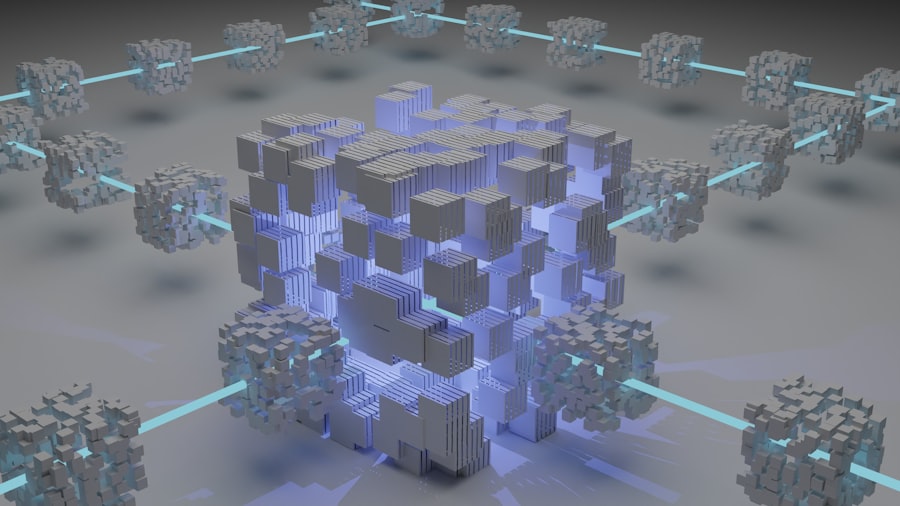
The magic of a light show lies not just in the drones themselves, but in the sophisticated algorithms that orchestrate their movements and light emissions. These algorithms translate artistic designs into precise robotic actions.
Path Planning and Generation
Creating complex aerial choreography involves planning intricate flight paths for each individual drone. This often starts with defining the desired visual formations or animations as a sequence of points in 3D space.
Vector Graphics and 3D Modeling
Artistic designs for light shows are frequently created using vector graphics software or 3D modeling tools. These designs are then converted into mathematical representations that describe the desired positions and orientations of the drones over time. Think of it as creating a digital blueprint for the aerial ballet.
Interpolation and Smooth Trajectories
Once the key points are defined, interpolation algorithms are used to generate smooth, continuous flight paths between them. This ensures that the drones move fluidly and avoid jerky, unnatural movements. The goal is to produce an appearance that is less like a collection of individual robots and more like a unified, flowing entity.
Formation Control
Maintaining precise formations is essential for creating recognizable shapes and patterns. Formation control algorithms ensure that drones maintain their relative positions within a swarm.
Leader-Follower vs. Distributed Formation
In a leader-follower approach, one drone is designated as the leader, and the others follow its movements. In a distributed approach, each drone relies on information from its neighbors to maintain its position within the formation. For large-scale shows, distributed methods are often more robust and scalable.
Virtual Structure and Behavior-Based Formation
Virtual structures can be used to define the desired shape of the formation. Each drone is assigned a virtual “anchor point” within this structure, and its control system works to keep it at that point, relative to its neighbors. Behavior-based methods, on the other hand, use simple rules for agents to maintain desired spatial relationships, similar to flocking.
Synchronization and Timing
Precise synchronization of movements and light changes is critical for the visual impact of the show. This involves ensuring that all drones perform their actions at the exact same time, or in a precisely timed sequence.
Real-time Clock Synchronization
Protocols such as Network Time Protocol (NTP) or Precision Time Protocol (PTP) are used to synchronize the internal clocks of the drones. This ensures that commands executed on different drones are timed with high accuracy. Without accurate timing, a formation could appear blurred, or animations would lose their intended effect.
Event-Driven Sequencing
Light show choreography is often structured as a series of events. These events, such as changing color or moving to a new position, are triggered at specific times, ensuring that the entire swarm acts in concert. The sequence of these events creates the narrative and visual flow of the performance.
Challenges in Swarm Light Shows
Despite the impressive capabilities of swarm robotics in light shows, several challenges must be addressed to ensure safe, reliable, and visually stunning performances.
Environmental Factors
Weather conditions pose a significant obstacle.
Wind and Turbulence
Wind can exert forces on the drones, altering their intended flight paths and potentially causing collisions. Drones must be equipped with sophisticated stabilization systems to counteract these disturbances. High winds can make flight impossible, effectively grounding the theatrical spectacular.
Precipitation and Temperature
Rain, snow, and extreme temperatures can affect the performance and longevity of the drones’ electronic components and batteries. Many drone systems are designed with some degree of weather resistance, but severe conditions can still lead to cancellations.
Safety and Collision Avoidance
Ensuring the safety of the audience, the drone operators, and the drones themselves is paramount.
Redundancy and Failsafes
Multiple layers of safety measures are implemented. This includes redundant communication links, onboard failsafe mechanisms (e.g., automatic landing procedures in case of critical failure), and strict flight path limitations.
Dynamic Collision Detection and Response
While static collision avoidance for predefined paths is important, the ability of drones to detect and react to unexpected obstacles or the unexpected movements of other drones in real-time is crucial. This requires sophisticated sensor fusion and rapid decision-making algorithms. A sudden, unexpected maneuver by one drone could trigger a chain reaction of evasive actions throughout the swarm, like a flock of birds artfully avoiding a predator.
Battery Management and Flight Duration
The energy demands of running thousands of LEDs and maintaining flight for hundreds of drones present a considerable challenge.
Battery Technology and Swapping Systems
Advances in battery technology, such as higher energy density lithium-polymer (LiPo) batteries, are continuously improving flight times. For longer shows, automated battery swapping systems or tethered power solutions might be employed, though the latter significantly reduces maneuverability.
Power Optimization Algorithms
Sophisticated algorithms are used to optimize power consumption. This can involve adjusting LED brightness based on ambient light conditions or dynamically managing motor power to conserve energy when possible.
Regulatory and Airspace Management
| Metric | Description | Typical Value | Unit |
|---|---|---|---|
| Number of Drones | Total drones used in a single light show | 100 – 1000+ | Units |
| Flight Time | Average operational time per drone per show | 15 – 30 | Minutes |
| Communication Range | Maximum distance drones can communicate with each other | 500 – 1000 | Meters |
| Positioning Accuracy | Precision of drone location during the show | ±0.1 – 0.3 | Meters |
| Light Intensity | Brightness of individual drone lights | 1000 – 3000 | Lux |
| Synchronization Latency | Delay in coordinated drone movements | 10 – 50 | Milliseconds |
| Battery Capacity | Energy storage per drone | 2000 – 4000 | mAh |
| Show Duration | Length of the entire light show | 5 – 20 | Minutes |
Operating large swarms of drones, especially over populated areas, is subject to strict regulations.
Airspace Authorization and Compliance
Obtaining permission to fly in controlled airspace, especially near airports or during other events, requires extensive planning, coordination with aviation authorities, and adherence to specific operational procedures.
Public Liability and Risk Assessment
Companies operating drone light shows must demonstrate rigorous risk assessment protocols and possess adequate insurance to cover potential liabilities. The potential for a drone to fall from the sky, however remote, necessitates thorough safety planning.
In the fascinating realm of swarm robotics, the innovative use of collaborative drones to create mesmerizing light shows has captured the attention of many technology enthusiasts. These drones work in unison, showcasing the potential of coordinated systems in entertainment and beyond. For those interested in exploring other technological advancements, a related article on the latest Samsung smartwatches offers insights into how wearable technology is evolving to enhance our daily lives. You can read more about it here.
Future Prospects of Swarm Light Shows
The field of swarm robotics for light shows is rapidly evolving, with ongoing research and development promising even more impressive and diverse applications.
Enhanced Visual Fidelity and Complexity
Future shows are likely to feature higher resolution patterns, more intricate animations, and a greater range of visual effects.
Higher Drone Density and Payload
As drone technology advances, we can expect to see drones with higher payload capacities, allowing for more powerful lights or additional sensory equipment. Increased drone density will enable finer detail in the projected images.
Integration of Multimedia Elements
Beyond visual displays, future swarm shows might integrate sound, laser projections, or even synchronized pyrotechnics, creating multi-sensory immersive experiences. Imagine a symphony of light and sound, with drones painting visual melodies in the night sky.
Autonomous Choreography and Design Tools
The process of designing and programming drone light shows is becoming increasingly automated.
AI-Powered Design Assistants
Artificial intelligence could assist in generating choreographies based on desired themes or music, freeing up human designers to focus on artistic direction. AI could learn to interpret musical scores and translate them into breathtaking aerial ballets.
Real-time Adaptive Choreography
Future drones might be able to adapt their choreography in real-time based on audience feedback, environmental conditions, or even pre-programmed narrative branching, creating unique and dynamic performances every time.
Beyond Entertainment: Practical Applications
While entertainment is a primary driver, the technologies developed for swarm light shows have potential applications in other domains.
Environmental Monitoring and Mapping
Swarms of drones equipped with sensors could be used for large-scale environmental monitoring, mapping complex terrain, or even conducting search and rescue operations in hazardous areas.
Industrial Inspection and Construction
For inspecting large structures like bridges, wind turbines, or power grids, swarms of drones could perform tasks more efficiently and safely than human inspectors. In construction, they could assist in surveying and logistics.
The evolution of swarm robotics in light shows represents a fusion of technology and art. As these systems become more sophisticated, they will continue to push the boundaries of what is possible in aerial performance, captivating audiences and inspiring future innovation. The night sky is becoming a canvas for a new breed of digital artists, and the drones are their brushes, guided by the silent, intricate conversations of a digital swarm.
FAQs
What is swarm robotics in the context of drone light shows?
Swarm robotics refers to the coordinated control of multiple drones working together as a group to perform complex tasks. In drone light shows, swarm robotics enables hundreds or thousands of drones to fly in precise formations, creating dynamic and synchronized visual displays.
How do drones communicate and coordinate during a swarm light show?
Drones in a swarm use wireless communication protocols to share their positions, velocities, and commands in real-time. This communication allows them to maintain formation, avoid collisions, and execute choreographed movements simultaneously.
What technologies enable drones to perform synchronized light displays?
Key technologies include GPS for positioning, onboard sensors for obstacle detection, wireless communication for coordination, and programmable LED lights for visual effects. Advanced algorithms process flight paths and timing to ensure precise synchronization.
What are the advantages of using swarm robotics for light shows compared to traditional fireworks?
Swarm robotics offers greater control, repeatability, and safety. Drone light shows produce less pollution and noise, can be customized with intricate patterns and colors, and reduce fire hazards associated with fireworks.
What challenges do engineers face when designing swarm robotic systems for drone light shows?
Challenges include ensuring reliable communication among many drones, preventing collisions, managing battery life, handling environmental factors like wind, and developing algorithms that can scale to large numbers of drones while maintaining precise coordination.