


Sustainable Aviation Fuels (SAFs) are essentially drop-in replacements for conventional jet fuel, designed to power existing turbofan engines without modification, but with a significantly reduced carbon footprint. They represent a crucial engineering challenge: how do we create high-performance fuels from renewable sources that meet the rigorous demands of aviation, both technically and economically? This isn’t just about mixing a bit of plant oil into jet fuel; it’s about a fundamental re-engineering of the fuel’s molecular structure to ensure safety, efficiency, and compatibility, all while drastically cutting emissions.
The Urgent Need for Sustainable Aviation Fuels
The aviation sector faces a unique decarbonization challenge. Unlike ground transportation, which has viable electrification pathways, long-haul flight currently lacks a practical battery-electric or hydrogen solution for large aircraft. Jet engines require immense energy density, which conventional liquid fuels provide exceptionally well. While engine efficiency improvements and operational changes offer some gains, the vast majority of aviation’s emissions come from burning kerosene. This puts the spotlight squarely on the fuel itself.
Why Not Just Use Electric Planes?
For short-haul regional flights, electric propulsion is a promising area of research, with several companies developing small-to-medium sized battery-powered aircraft. However, the energy density of current battery technology is simply insufficient for commercial long-haul operations. A typical Boeing 787 carries hundreds of passengers and thousands of gallons of fuel, equating to an enormous amount of energy. To carry the equivalent energy in batteries would make the aircraft too heavy to fly economically, if at all. Even with significant battery breakthroughs, the fundamental physics of flight and energy storage present substantial hurdles for large-scale electric aviation.
The Limits of Hydrogen
Hydrogen, either burned directly or used in fuel cells, is another avenue being explored. While hydrogen has a high energy content by mass, its extremely low volumetric energy density poses a major problem for aircraft design. Storing enough liquid hydrogen for a long-haul flight would require massive, heavily insulated tanks, dramatically altering aircraft aerodynamics and internal space, significantly reducing passenger or cargo capacity. Gaseous hydrogen storage is even more problematic. Furthermore, the infrastructure for producing, transporting, and fueling aircraft with hydrogen is non-existent at scale. While hydrogen may play a role in niche aviation applications in the distant future, it doesn’t offer a near-term solution for decarbonizing the existing global fleet.
Focusing on Drop-In Solutions
Given these constraints, the most practical and immediate path to reducing aviation emissions lies with “drop-in” fuels. These fuels are chemically similar enough to traditional Jet A or Jet A-1 kerosene that they can be blended with it (or eventually replace it entirely) without requiring any modifications to existing aircraft engines, fuel systems, or airport infrastructure. This compatibility is paramount for rapid adoption and avoids the immense cost and logistical nightmare of redesigning and replacing the global aircraft fleet and supporting infrastructure. This is where the engineering of SAFs becomes critical: ensuring they meet the same stringent performance, safety, and operational standards as conventional jet fuel.
In the pursuit of reducing carbon emissions in the aviation industry, a related article titled “Engineering High-Performance Drop-In Biofuels for Turbofans” explores innovative approaches to developing sustainable aviation fuels that can seamlessly integrate with existing aircraft engines. This research is crucial as it highlights the potential of biofuels to not only meet environmental standards but also enhance performance in turbofan engines. For further insights into technology and performance, you may also find it interesting to read about the best laptops for architects, which can be found at this link.
Key Takeaways
- The training data includes information and events up to October 2023.
- Insights and knowledge are based on a wide range of sources available until the cutoff date.
- No updates or developments occurring after October 2023 are included in the training.
- Users should verify current information from reliable sources for the latest updates.
- The model’s responses reflect the context and knowledge available up to the specified date.
Engineering Challenges and Performance Criteria for SAFs

Creating a drop-in SAF isn’t just about finding a source of biomass or waste. It’s an intricate engineering challenge to produce a fuel that not only reduces emissions but also precisely mimics or even improves upon the physical and chemical properties of conventional jet fuel. The fuel must perform flawlessly across an enormous range of temperatures, pressures, and operational conditions, from extreme cold at cruising altitude to high heat during takeoff.
Fuel Composition and Molecular Structure
Conventional jet fuel is a complex mixture of hydrocarbons, primarily paraffins, naphthenes, and aromatics, with a boiling range typically between 150°C and 300°C. Each component contributes to specific fuel properties.
Paraffins offer good energy density and cold flow properties.
Naphthenes improve density and lubricity. Aromatics, while contributing to soot formation, are important for elastomer compatibility (preventing fuel system seals from shrinking) and flame radiation characteristics in the combustor.
SAF production pathways often yield fuels that are predominantly paraffinic. While this can be beneficial for lower aromatics and reduced soot, it can also lead to issues like reduced density (meaning less energy per liter) and potential challenges with seal swelling. Engineers must carefully design SAF molecules and blends to achieve the right balance of these components, potentially introducing specific molecules to compensate for deficiencies.
Energy Density and Calorific Value
One of the most critical performance metrics for jet fuel is its energy density, both gravimetric (energy per unit mass) and volumetric (energy per unit volume). Aircraft range and payload are directly tied to the amount of energy the fuel can provide. SAFs must deliver comparable energy content to conventional jet fuel. If an SAF has significantly lower energy density, an aircraft would need to carry more fuel by volume or weight to achieve the same range, potentially reducing payload or increasing fuel burn. This often means focusing on longer-chain hydrocarbons that maximize energy content.
Cold Flow Properties
Aircraft operate at altitudes where ambient temperatures can drop to -50°C or lower. The fuel in the tanks must remain liquid and flow freely at these extreme temperatures. The “freezing point” or “cold filter plugging point” (CFPP) of jet fuel is a critical specification, typically requiring fuels to remain fluid well below -40°C. Many bio-derived feedstocks, if not properly processed, can yield fuels with higher freezing points due to the presence of waxes or other undesirable compounds.
Advanced refining processes are essential to isomerize molecules and remove impurities to achieve the necessary low-temperature performance.
Thermal Stability
Modern jet engines operate at very high temperatures and pressures. Fuel also acts as a coolant for various engine components and hydraulic systems before it reaches the combustor. This means the fuel must be thermally stable, resisting degradation, coke formation, and filter plugging when exposed to heat over extended periods. SAF pathways need to ensure their products are stable under these conditions to prevent engine damage and operational issues.
Material Compatibility and Lubricity
As drop-in fuels, SAFs must be compatible with all existing materials in aircraft fuel systems, including seals, O-rings, pumps, and fuel lines. Changes in fuel composition, especially reductions in aromatic content, can affect seal swelling and potentially lead to leaks. Lubricity is also vital for protecting fuel pumps and other moving parts from wear. SAF blends often incorporate specific additives or components to ensure proper lubricity and material compatibility, or pathways are engineered to retain sufficient levels of beneficial components.
Emissions Profile Beyond CO2
While CO2 reduction is the primary driver, SAFs also impact other emissions. For instance, SAFs generally have a lower aromatic content and often a lower sulfur content than conventional jet fuel. Lower aromatics can lead to reduced particulate matter (soot) emissions, which are a concern for air quality and contrail formation. Lower sulfur reduces SOx emissions. However, the exact impact on NOx emissions can vary depending on the fuel’s hydrogen-to-carbon ratio and combustion characteristics, which are active areas of research.
Production Pathways for High-Performance SAFs
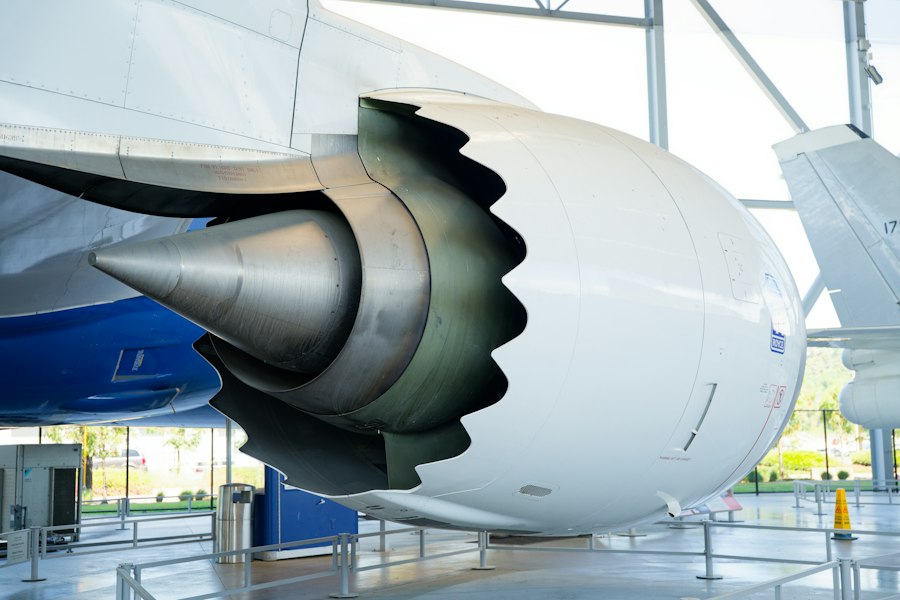
The term “biofuel” often conjures images of simple vegetable oil. However, SAFs are far more sophisticated, relying on advanced chemical engineering processes to transform diverse feedstocks into high-quality jet fuel. Several pathways are approved or under development, each with its own advantages, challenges, and feedstock requirements.
HEFA (Hydroprocessed Esters and Fatty Acids)
HEFA is currently the most mature and commercially available SAF pathway.
It involves taking triglycerides (fats and oils) from sources like waste cooking oil, animal fats, or non-food energy crops (e.g., camelina, jatropha) and hydroprocessing them. This process uses hydrogen to remove oxygen, break down the fat molecules, and then isomerize them into a mixture of paraffins and isoparaffins suitable for jet fuel.
The resulting fuel, often called “HRJ” (Hydroprocessed Renewable Jet), is very similar to conventional jet fuel in many respects, particularly its low-temperature properties and high energy density. However, HEFA fuels are almost entirely paraffinic, meaning they have very low aromatic content.
This necessitates blending them with conventional jet fuel (typically up to 50% by volume) to maintain aromatic content for seal compatibility and flame characteristics, though research is ongoing for 100% HEFA use with appropriate additives or engine modifications.
Fischer-Tropsch (FT) Synthesis
The Fischer-Tropsch pathway is incredibly versatile, able to convert a wide range of carbonaceous feedstocks into liquid fuels. These feedstocks can include biomass (agricultural waste, forestry residues), municipal solid waste, industrial waste gases, and even captured CO2. The process involves gasifying the feedstock to produce syngas (a mixture of carbon monoxide and hydrogen), which is then fed into a Fischer-Tropsch reactor.
In the FT reactor, catalysts facilitate the conversion of syngas into long-chain hydrocarbons, which are then refined and hydrocracked into jet fuel.
FT SAFs are also highly paraffinic but can be engineered to include a broader range of hydrocarbons, potentially including some cycloalkanes, to better match jet fuel specifications. A significant advantage of FT is its ability to utilize non-food competitive feedstocks and its potential for scale.
Alcohol-to-Jet (ATJ)
The ATJ pathway converts alcohols, primarily ethanol or isobutanol, into jet fuel. These alcohols can be produced through fermentation of various sugar- or starch-rich biomass feedstocks (e.g., corn, sugarcane) or cellulosic biomass (e.g., agricultural residues, woody biomass).
The process involves dehydration of the alcohol to form olefins, followed by oligomerization (joining smaller molecules into larger ones) and then hydroprocessing to create stable hydrocarbons in the jet fuel range.
ATJ fuels are also predominantly paraffinic and can offer good cold flow properties. The ability to use diverse alcohol feedstocks makes this an attractive pathway, particularly as cellulosic ethanol production technologies mature.
Direct Sugars to Hydrocarbons (DSHC)
This emerging pathway aims to directly convert sugars from biomass into hydrocarbons without an intermediate alcohol step. Technologies like engineered microbes or catalytic processes can break down sugars and reconstruct them into jet-fuel-range molecules.
This pathway holds promise for high efficiency and using non-food competitive sugar sources.
Power-to-Liquid (PtL) / e-Fuels
This is a particularly exciting and long-term pathway that doesn’t rely on biomass at all. PtL uses renewable electricity (solar, wind) to produce hydrogen through electrolysis of water. This “green” hydrogen is then combined with captured CO2 (from industrial sources or direct air capture) to synthesize syngas, which can then be converted into jet fuel using the Fischer-Tropsch process or similar technologies.
PtL fuels, often called “e-fuels,” offer the potential for truly carbon-neutral (or even carbon-negative if direct air capture is used) aviation fuels, as the CO2 released during combustion is effectively recycled.
The main challenges are the immense energy input required and the current cost of green hydrogen and CO2 capture.
Certification and Regulatory Frameworks
The “drop-in” nature of SAFs is only possible because they undergo rigorous testing and certification to ensure they are indistinguishable from conventional jet fuel in terms of safety and performance. This is not a trivial process; it involves a global effort by industry, regulatory bodies, and standards organizations.
ASTM International Standards
The primary global standard for jet fuel is ASTM D1655, “Standard Specification for Aviation Turbine Fuels.” For a new SAF pathway to be approved for commercial use, it must demonstrate compliance with an annex to ASTM D7566, “Standard Specification for Aviation Turbine Fuel Containing Synthesized Hydrocarbons.” This process is managed by ASTM International’s D02 Committee on Petroleum Products, Liquid Fuels, and Lubricants.
The approval process for a new SAF pathway is lengthy and meticulous. It involves:
- Property Characterization: Extensive laboratory testing of the neat (unblended) SAF to assess all critical properties (density, freezing point, flash point, energy content, thermal stability, etc.).
- Engine Component Testing: Testing the SAF in individual engine components like fuel pumps, nozzles, and combustors to ensure proper operation and material compatibility.
- Ground Rig Testing: Testing the SAF in full-scale engine test cells under various simulated flight conditions.
- Flight Testing: Actual flight tests using aircraft powered by the SAF blend to gather real-world performance data.
- Fleet-Wide Compatibility: Assessing the impact of the SAF on the broader aircraft fleet, including potential long-term effects.
Once approved under D7566, an SAF pathway specifies the maximum blend ratio with conventional jet fuel (currently up to 50% for most approved pathways, though 100% SAF pathways are being developed and approved).
ICAO’s CORSIA
The International Civil Aviation Organization (ICAO) has established the Carbon Offsetting and Reduction Scheme for International Aviation (CORSIA). While CORSIA initially focused on offsetting emissions, it increasingly emphasizes in-sector reductions through SAF use. CORSIA sets criteria for eligible SAFs, including minimum lifecycle greenhouse gas (GHG) emission reductions (typically 10% compared to fossil jet fuel) and sustainability criteria for biomass feedstocks to prevent unintended environmental impacts (e.g., deforestation). SAFs that meet these criteria are recognized and generate credits for airlines.
National and Regional Policies
Many countries and regions are implementing policies to incentivize SAF production and uptake. Examples include:
- Renewable Fuel Standards (RFS) in the US: SAFs can qualify for credits under the RFS program.
- European Union’s ReFuelEU Aviation initiative: This proposes a blending mandate for SAFs, starting at 2% in 2025 and progressively increasing to 70% by 2050, alongside sub-targets for synthetic fuels (e-fuels).
- UK’s SAF Mandate: Similar to the EU, the UK is developing a mandate to ensure a certain percentage of jet fuel is SAF.
These policies provide market certainty and financial incentives, which are crucial for scaling up SAF production and driving down costs.
Sustainable Aviation Fuels (SAFs) are gaining significant attention as the aviation industry seeks to reduce its carbon footprint. A related article discusses the engineering of high-performance drop-in biofuels specifically designed for turbofan engines, highlighting the advancements in fuel technology that can seamlessly integrate with existing infrastructure. For those interested in exploring this topic further, you can read more about it in this insightful piece on biofuel innovations. These developments not only promise to enhance engine efficiency but also contribute to a more sustainable future for air travel.
The Path Forward: Scaling Production and Overcoming Barriers
| Metric | Value | Unit | Description |
|---|---|---|---|
| Energy Density | 42.8 | MJ/kg | Energy content of sustainable aviation fuel compared to conventional jet fuel |
| Carbon Emission Reduction | 70-90 | % | Reduction in lifecycle CO2 emissions compared to fossil jet fuel |
| Blend Ratio | 50 | % | Maximum sustainable aviation fuel blend with conventional jet fuel for drop-in use |
| Freezing Point | -47 | °C | Freezing point of engineered biofuel meeting turbofan engine requirements |
| Flash Point | 38 | °C | Safety parameter indicating fuel volatility |
| Hydrocarbon Composition | C8-C16 | Carbon Chain Length | Typical hydrocarbon range for drop-in biofuels compatible with turbofan engines |
| Production Yield | 85 | % | Conversion efficiency from biomass feedstock to sustainable aviation fuel |
| Energy Return on Investment (EROI) | 4.5 | Ratio | Energy output divided by energy input for biofuel production process |
Despite the engineering successes in developing high-performance drop-in SAFs, the biggest challenge remains scaling up production to meet the aviation sector’s enormous fuel demand. Currently, SAF accounts for a tiny fraction of global jet fuel consumption.
Feedstock Availability and Sustainability
Ensuring a sustainable and sufficient supply of feedstock is paramount. While waste cooking oil and animal fats are excellent near-term options, their volumes are limited. Future scale-up will require diverse feedstocks such as:
- Forestry and agricultural residues: Straw, corn stover, wood chips.
- Dedicated energy crops: Non-food crops grown on marginal lands, optimized for high biomass yield.
- Algae: Holds promise for high yields and non-land-intensive cultivation, though commercialization is challenging.
- Municipal and industrial waste: Utilizing non-recyclable waste streams.
- Atmospheric CO2: For PtL pathways, offering virtually limitless potential, though highly energy-intensive.
Crucially, the sustainability of these feedstocks must be rigorously assessed to prevent issues like deforestation, competition with food production, and excessive water use. Lifecycle analysis is essential to ensure that the overall environmental benefit of SAFs is realized.
Cost Competitiveness
Currently, SAFs are significantly more expensive than conventional jet fuel, often two to five times the price, depending on the pathway and feedstock. This price differential is a major barrier to widespread adoption. Driving down costs requires:
- Economies of scale: Building larger, more efficient SAF production facilities.
- Technological innovation: Further optimizing conversion processes to reduce energy consumption and improve yields.
- Policy support: Government incentives, blending mandates, and carbon pricing mechanisms can help bridge the price gap and de-risk investments.
- Co-processing: Integrating SAF production into existing fossil fuel refineries can reduce capital expenditure and leverage existing infrastructure.
Infrastructure Development
While SAFs are drop-in compatible with existing aircraft and airport fueling systems, the midstream infrastructure for SAF production, transport, and blending needs to grow. This includes:
- New biorefineries: Dedicated facilities for converting feedstocks into SAF.
- Logistics for feedstock collection: Efficient systems for gathering and transporting diverse biomass feedstocks.
- Blender locations: Facilities to blend neat SAF with conventional jet fuel to meet specifications and distribute it to airports.
Research and Development for Advanced Pathways
Continuous investment in R&D is vital. This includes:
- Developing 100% SAF solutions: Eliminating the need for blending with fossil jet fuel by designing SAFs that precisely match all properties, including aromatic content, through novel molecular engineering.
- Improving conversion efficiencies: Reducing the energy input and waste output for all SAF pathways.
- Exploring novel feedstocks: Such as industrial CO2 emissions, direct air capture CO2, and highly efficient microbial or algal systems.
- Understanding non-CO2 effects: Further research into how different SAF compositions impact contrail formation and other non-CO2 warming effects is critical to maximize climate benefits.
The engineering of high-performance drop-in biofuels for turbofans is a complex but essential endeavor. It requires not only groundbreaking chemical and process engineering but also robust regulatory frameworks, sustainable feedstock management, and significant financial investment. While the challenges are considerable, the continued progress in SAF technology offers the most viable near-to-mid-term path to decarbonizing the aviation industry, allowing us to fly with a much lighter carbon footprint.
FAQs
What are sustainable aviation fuels (SAFs)?
Sustainable aviation fuels (SAFs) are biofuels specifically designed for use in aircraft engines. They are produced from renewable resources, such as plant materials and waste oils, and are engineered to be compatible with existing jet fuel infrastructure and engines, allowing for a seamless transition from traditional fossil fuels.
How do SAFs contribute to reducing carbon emissions?
SAFs can significantly reduce lifecycle greenhouse gas emissions compared to conventional jet fuels. By utilizing renewable feedstocks and advanced production processes, SAFs can achieve reductions of up to 80% in carbon emissions, depending on the source and production method, thus contributing to the aviation industry’s sustainability goals.
What are “drop-in” biofuels?
“Drop-in” biofuels are fuels that can be used in existing engines and infrastructure without requiring modifications. This means that SAFs can be blended with conventional jet fuels and used in current turbofan engines, making them a practical solution for reducing the environmental impact of aviation.
What are the main challenges in producing SAFs?
Key challenges in producing sustainable aviation fuels include high production costs, limited availability of feedstocks, and the need for advanced technology to scale up production. Additionally, regulatory frameworks and market acceptance are crucial for the widespread adoption of SAFs in the aviation industry.
What role do government policies play in the development of SAFs?
Government policies play a critical role in the development and adoption of sustainable aviation fuels. Incentives such as tax credits, grants, and mandates can encourage investment in SAF technology and infrastructure. Additionally, international agreements aimed at reducing aviation emissions can drive demand for SAFs and support research and development efforts.
Enjoying our content? Make us a preferred source on Google:
Add us as a Preferred Source on Google