

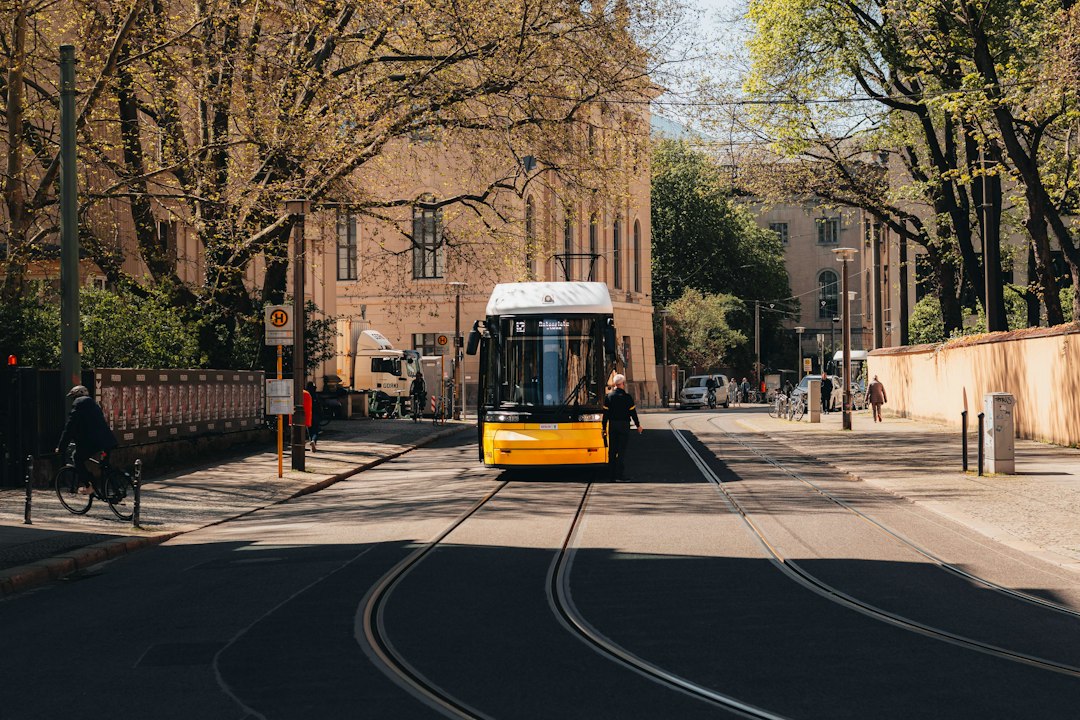
Sodium-ion batteries are emerging as a compelling, cost-effective, and sustainable alternative to traditional lithium-ion batteries, especially for urban transportation. Their abundance of raw materials and lower environmental footprint make them particularly attractive for electric vehicles operating in city environments, offering a practical path towards more accessible and eco-friendly mobility.
Why Sodium-Ion Batteries Are Turning Heads
For years, lithium-ion batteries have been the undisputed champion in electric vehicles (EVs), powering everything from small scooters to large sedans. However, their reliance on finite and often geographically concentrated lithium, cobalt, and nickel presents significant challenges. We’re talking about rising material costs, complex supply chains, and environmental concerns related to mining these specific elements. This is where sodium-ion batteries step in, offering a genuinely promising alternative that addresses many of these pain points directly.
The fundamental appeal of sodium-ion batteries lies in sodium’s incredible abundance. Sodium is literally everywhere – in seawater, in the earth’s crust. This widespread availability translates directly into lower raw material costs and a significantly more stable supply chain, reducing geopolitical risks associated with critical minerals. For urban transportation, where vehicles often travel shorter distances and spend more time charging or parked, the specific energy density trade-offs of sodium-ion batteries become less of a limiting factor and more of an acceptable compromise for the overall economic and environmental benefits.
Another crucial aspect is safety. Sodium-ion batteries tend to be more thermally stable than some lithium-ion chemistries, which can be a real advantage in densely populated urban environments. Reduced fire risk is a major plus for both vehicle manufacturers and consumers. While they might not offer the same range as the highest-performing lithium-ion batteries right now, their attributes make them perfect for applications like electric buses, delivery vans, two-wheelers, and even smaller passenger cars designed for city driving, where robust performance and lower running costs are paramount.
Sodium-ion batteries are gaining attention as a low-cost and sustainable alternative for urban transportation, offering a promising solution to the challenges posed by traditional lithium-ion batteries. For those interested in exploring further innovations in technology that can enhance our daily lives, a related article discusses the best free software for translation, which can be invaluable for communication in our increasingly globalized world. You can read more about it here: Discover the Best Free Software for Translation Today.
Key Takeaways
- The training data includes information and events up to October 2023.
- Insights and knowledge are based on a wide range of sources available until the cutoff date.
- No updates or developments occurring after October 2023 are included in the training.
- Users should verify current information from reliable sources for the latest updates.
- The model’s responses reflect the context and knowledge available up to the specified date.
The Chemistry Behind Sodium-Ion Power

At their core, sodium-ion batteries operate on a similar principle to lithium-ion batteries. They are rechargeable secondary batteries where sodium ions move between a positive electrode (cathode) and a negative electrode (anode) through an electrolyte during charge and discharge cycles. The key difference, of course, is the use of sodium ions instead of lithium ions. While this seems like a simple swap, it profoundly impacts material selection and battery performance characteristics.
Cathode Materials for Sodium-Ion Batteries
The cathode is where much of the innovation and challenge lie for sodium-ion batteries. Sodium ions are larger than lithium ions, which means finding host materials that can effectively intercalate (insert themselves into) and de-intercalate these larger ions without significant structural degradation over many cycles. Researchers are exploring several promising chemistries, each with its own advantages and disadvantages.
One major contender is Prussian blue analogues (PBAs). These materials offer good cycling stability and relatively high capacity, making them attractive for large-scale applications. They are also relatively inexpensive to produce. Another class involves layered transition metal oxides, similar in structure to many lithium-ion cathodes, but modified to accommodate sodium. Examples include NaFeO2 and NaMnO2. These can offer higher energy densities but often face challenges with long-term stability due to phase transitions during cycling. Polyanios, such as sodium metal phosphates (e.g., NaV2(PO4)3), are also being investigated.
These materials typically offer excellent structural stability and long cycle life, making them very safe and reliable, though their energy density might be slightly lower than some oxide-based options.
The choice of cathode material significantly influences the battery’s overall voltage, capacity, and cycle life, which are critical parameters for urban transport applications.
Anode Materials for Sodium-Ion Batteries
For the anode, carbonaceous materials are a common choice, much like in lithium-ion batteries. Hard carbon is currently the most widely researched and commercially viable anode material for sodium-ion batteries. It has a disordered structure with regions that can host sodium ions effectively. Hard carbon offers good cycling stability and a reasonable capacity. Other materials like soft carbon and even metallic sodium (though this brings safety concerns) are also being explored.
Beyond carbon, researchers are looking at alloy-based anodes (e.g., based on tin or antimony) and conversion-type materials. Alloy anodes can offer very high theoretical capacities, but they often suffer from significant volume changes during cycling, leading to pulverization and rapid capacity fade. Conversion-type materials involve a chemical reaction where sodium forms new compounds with the anode material. These can also have high capacities but present challenges in terms of voltage hysteresis and cycle life. For the immediate future of urban transport, hard carbon remains the most practical and cost-effective anode choice, offering a balance of performance, safety, and scalability.
Electrolytes and Separators
The electrolyte in a sodium-ion battery plays the crucial role of transporting sodium ions between the anode and cathode. Typically, this involves a sodium salt (like NaPF6 or NaClO4) dissolved in an organic solvent mixture (e.g., carbonates). The electrolyte needs to be chemically stable, have high ionic conductivity, and be compatible with both electrode materials across a wide temperature range. Research is ongoing to develop safer, more stable, and higher-performing electrolytes, including solid-state electrolytes, which could further enhance safety and energy density in the long run.
The separator physically separates the anode and cathode, preventing short circuits while allowing ions to pass through. Porous polymer membranes (polyethylene or polypropylene) are commonly used, similar to lithium-ion batteries. The selection of a robust and thermally stable separator is vital for battery safety and longevity, especially in demanding urban driving conditions where temperature fluctuations can occur.
Economic Advantages for Urban Fleets
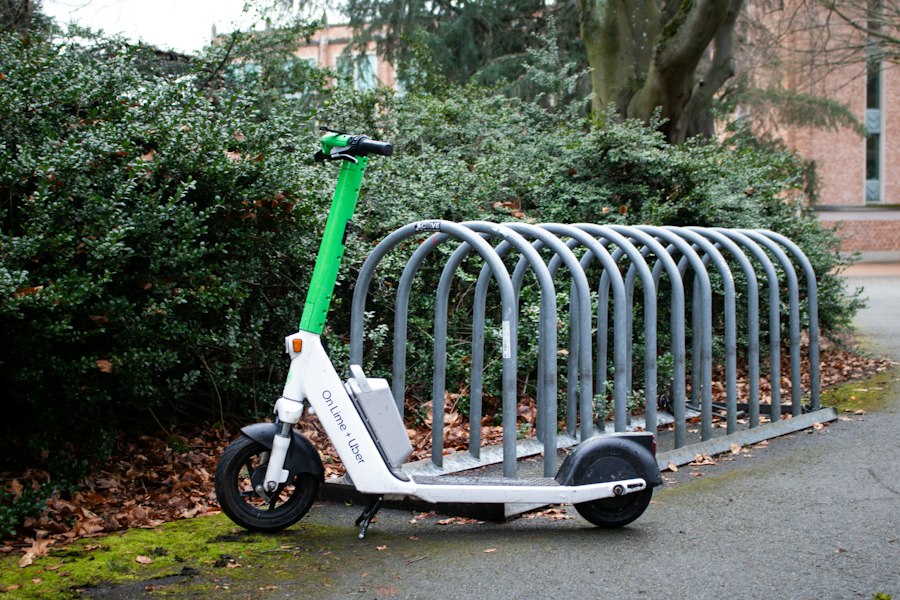
The cost argument for sodium-ion batteries is perhaps their most compelling feature for urban transportation. When we talk about electrifying large fleets of buses, delivery vans, or ride-sharing vehicles, the initial capital expenditure for batteries can be a significant hurdle. Sodium-ion batteries directly tackle this, offering a path to genuinely affordable electric mobility.
Lower Material Costs
The most obvious economic benefit comes from the raw materials.
Lithium, cobalt, and nickel, essential for many high-performance lithium-ion batteries, are expensive and subject to volatile market prices. Sodium, on the other hand, is extremely abundant and cheap. This fundamental difference means that the bill of materials for a sodium-ion battery can be significantly lower.
For instance, instead of costly copper current collectors on the anode side, aluminum can be used for both electrodes in sodium-ion batteries, further reducing costs and weight. This shift away from expensive and geopolitically sensitive materials to more common and widely available ones inherently de-risks the supply chain and provides greater price stability.
Consider a municipal bus fleet: replacing thousands of diesel buses with electric ones involves not just the vehicle cost but the entire energy storage system. A lower-cost battery pack translates directly into a more achievable electrification target, allowing cities to transition faster without breaking their budgets.
This also opens up the possibility of wider adoption for smaller businesses and individuals who might currently be deterred by the high upfront cost of EVs.
Simpler Manufacturing Processes
While sodium-ion battery manufacturing shares many similarities with lithium-ion processes, there are potential simplifications. For example, some sodium-ion chemistries are less sensitive to moisture than their lithium counterparts, which could potentially reduce the stringency and cost of dry room requirements in gigafactories. The ability to use aluminum for both current collectors also streamlines materials handling and potentially reduces tooling costs.
As the technology matures and scales, these manufacturing efficiencies are expected to further drive down the per-kilowatt-hour cost of sodium-ion batteries.
Moreover, the existing lithium-ion battery manufacturing infrastructure can often be adapted with relatively minor modifications to produce sodium-ion batteries. This reduces the need for entirely new capital investments, accelerating the pace at which these batteries can be brought to market and scaled up for mass production. This “plug-and-play” aspect of manufacturing capability is a huge advantage for rapid commercialization.
Total Cost of Ownership (TCO)
For fleet operators, the total cost of ownership is far more important than just the upfront purchase price. Sodium-ion batteries contribute positively to TCO in several ways. Lower initial battery costs mean lower financing costs.
Their potential for longer cycle life (due to inherent material stability in some chemistries) and robust performance in varying urban conditions could lead to fewer battery replacements over the vehicle’s lifespan.
Furthermore, lower energy density for urban applications isn’t necessarily a drawback. If a city bus only needs 150-200 km of range per charge, and a sodium-ion battery can provide that at a much lower cost, then the trade-off is more than acceptable. The charging infrastructure for urban fleets is often well-developed, allowing for opportunity charging during layovers or overnight, effectively mitigating any range limitations. When these factors are combined, sodium-ion batteries present a very attractive financial proposition for electrifying urban transportation, making the transition to sustainable mobility economically viable on a large scale.
Environmental and Sustainability Benefits
Beyond economics, the environmental benefits of sodium-ion batteries are a major draw, aligning perfectly with the sustainability goals of urban planning and climate action. Reducing reliance on critical and environmentally impactful minerals is a significant step forward.
Abundant and Earth-Friendly Materials
The primary advantage here is the sheer abundance of sodium. As mentioned, it’s globally distributed in seawater and the Earth’s crust, meaning less intensive and localized mining compared to lithium, cobalt, and nickel. This drastically reduces the environmental footprint associated with raw material extraction. Lithium mining, especially from brine sources, can be water-intensive, while hard rock mining often involves significant land disturbance. Cobalt and nickel mining, frequently concentrated in specific regions, are often linked to complex social and environmental issues. By shifting to sodium, we mitigate many of these concerns.
Furthermore, the materials typically used in sodium-ion cathodes (iron, manganese) are also widely available and less toxic than cobalt or nickel. This makes the entire lifecycle, from extraction to end-of-life, potentially more environmentally benign. A more distributed sourcing network also means reduced transportation emissions associated with bringing raw materials to manufacturing plants.
Reduced Geopolitical Risks
The concentration of lithium, cobalt, and nickel reserves in a few countries creates significant geopolitical risks and supply chain vulnerabilities. Disruptions in these regions can cause massive price spikes and shortages, impacting the global transition to EVs. Sodium-ion batteries offer a way to decentralize battery production and reduce dependence on specific countries, fostering greater energy independence and stability for nations. This is a strategic advantage for governments and industries alike, ensuring a more resilient path towards electrification.
For urban transportation, this means cities can plan their fleet electrification with greater confidence in the long-term availability and price stability of battery raw materials. It removes a major uncertainty from long-term infrastructure and procurement decisions, allowing for more consistent and predictable progress towards climate goals.
Lifecycle Considerations and Recycling
While sodium-ion battery recycling infrastructure is still nascent compared to lithium-ion, the fundamental chemistry suggests that it could be simpler and more cost-effective in the long run. The materials used (sodium, iron, manganese, carbon) are generally less valuable and less hazardous than lithium-ion components like cobalt. This potentially lowers the economic threshold for profitable recycling, encouraging a more circular economy approach.
Even if the individual components don’t command high prices for recycling, the ability to safely and easily process spent batteries to recover materials or render them inert is a major environmental win. As the technology scales, developing efficient and sustainable recycling processes will be crucial to truly realize the full environmental benefits of sodium-ion batteries throughout their entire lifecycle, ensuring they don’t simply shift one environmental burden for another. The lower toxicity of materials also makes handling and processing safer for workers and the environment.
Sodium-ion batteries are gaining attention as a promising low-cost and sustainable alternative for urban transportation, offering a viable solution to the challenges posed by traditional lithium-ion batteries. For those interested in exploring more about innovative technologies that enhance performance and efficiency, you might find this article on the best tablet for on-stage lyrics quite insightful. It highlights how advancements in technology can significantly impact various fields, including transportation. You can read it here.
Applications and Future Prospects in Urban Transport
| Metric | Sodium-Ion Batteries | Lithium-Ion Batteries | Notes |
|---|---|---|---|
| Cost per kWh | 50 – 70 | 100 – 150 | Sodium-ion batteries are generally cheaper due to abundant raw materials |
| Energy Density (Wh/kg) | 90 – 160 | 150 – 250 | Lithium-ion batteries have higher energy density but sodium-ion is improving |
| Cycle Life (cycles) | 1000 – 2000 | 1000 – 3000 | Comparable cycle life, depending on chemistry and usage |
| Operating Temperature Range (°C) | -20 to 60 | -20 to 60 | Both suitable for urban transportation environments |
| Raw Material Availability | High (Sodium abundant) | Moderate (Lithium limited) | Sodium is more sustainable and widely available |
| Environmental Impact | Lower | Higher | Sodium-ion batteries have less environmental impact in mining and disposal |
| Charging Time | 1 – 2 hours | 0.5 – 1.5 hours | Charging times are similar, with ongoing improvements |
Sodium-ion batteries are not just a theoretical concept; they are rapidly moving into commercial deployment, especially in applications perfectly suited for urban environments. Their characteristics make them ideal for a range of vehicles and infrastructure needs within cities.
Electric Buses and Commercial Vehicles
Perhaps the most immediate and impactful application for sodium-ion batteries is in electric buses and commercial delivery vehicles. These vehicles typically operate on fixed routes, often within city limits, and have predictable charging schedules. They also prioritize cost-effectiveness, safety, and robustness over extreme range. Sodium-ion batteries fit this profile perfectly.
Lower battery costs can significantly reduce the acquisition cost of electric buses, making fleet electrification more accessible for municipal transit authorities. The robust performance and thermal stability are crucial for vehicles that see heavy daily use in varying urban temperatures. Several companies are already developing and deploying sodium-ion powered electric buses, demonstrating their viability. Similarly, delivery vans, last-mile logistics vehicles, and even garbage trucks can greatly benefit from the economic and environmental advantages of sodium-ion technology. Their operational patterns mean that occasional opportunity charging can easily compensate for the lower energy density compared to lithium-ion, without impacting service.
Two-Wheelers and Small Passenger EVs
In many urban centers, two-wheelers (electric scooters and motorcycles) are a dominant mode of transport. For these vehicles, space and weight are important, but absolute maximum range is often secondary to affordability and safety.
Sodium-ion batteries are an excellent fit here.
Their lower cost makes electric two-wheelers more accessible to a wider population, accelerating the transition away from polluting internal combustion engines. India, for example, a major market for two-wheelers, is seeing significant interest in sodium-ion solutions for this segment.
For small, urban-focused passenger EVs – think compact cars designed for city commuting and short trips – sodium-ion batteries can provide sufficient range at a significantly lower price point. This could open up a new segment of ultra-affordable electric cars, making EV ownership a reality for more people and helping to decarbonize urban transportation on a larger scale. These vehicles might not offer cross-country range, but for daily commutes and city errands, they would be perfectly adequate and much cheaper to buy and run.
Stationary Storage and Grid Support
While the focus here is urban transportation, it’s worth noting that the advantages of sodium-ion batteries also extend to stationary energy storage. In urban environments, supporting EV charging infrastructure is critical. Sodium-ion batteries can be deployed as local grid buffers, storing renewable energy or off-peak power to support rapid charging during peak hours, easing the strain on the grid.
These stationary storage systems can be located at bus depots, charging hubs, or commercial parking lots, providing reliable and cost-effective energy management. Their lower cost and excellent cycle life make them ideal for these applications, which in turn indirectly supports urban transportation by making the overall charging ecosystem more resilient and efficient. This interplay between stationary storage and mobile applications creates a powerful synergy for sustainable urban development.
The Path Forward
The future of sodium-ion batteries in urban transportation looks bright, but challenges remain. Continued research and development are needed to further increase energy density, improve cycling stability, and optimize manufacturing processes. Scaling up production will be key to bringing costs down further and meeting demand. However, the foundational advantages – abundance, cost-effectiveness, and sustainability – are so compelling that significant investment and progress are almost certainly guaranteed. As cities worldwide strive for cleaner air and more sustainable mobility, sodium-ion batteries are poised to play a pivotal role, democratizing access to electric vehicles and accelerating the transition to a greener urban future.
FAQs
What are sodium-ion batteries?
Sodium-ion batteries are energy storage devices that use sodium ions as the primary charge carriers, similar to how lithium-ion batteries use lithium ions. They consist of an anode, cathode, and electrolyte, and are designed to store and release electrical energy efficiently.
How do sodium-ion batteries compare to lithium-ion batteries in terms of cost?
Sodium-ion batteries are generally considered to be a more cost-effective alternative to lithium-ion batteries. Sodium is more abundant and less expensive than lithium, which can significantly reduce the overall production costs of sodium-ion batteries, making them an attractive option for large-scale applications like urban transportation.
What are the environmental benefits of using sodium-ion batteries?
Sodium-ion batteries offer several environmental benefits, including the use of more abundant and less toxic materials compared to lithium-ion batteries. Additionally, they have the potential for better recyclability and lower carbon footprints during production, contributing to more sustainable energy solutions for urban transportation.
What are the current limitations of sodium-ion batteries?
Despite their advantages, sodium-ion batteries currently face limitations such as lower energy density compared to lithium-ion batteries, which can affect their performance in applications requiring high energy output. Additionally, ongoing research is needed to improve their cycle life and efficiency to make them more competitive in the market.
How are sodium-ion batteries being integrated into urban transportation systems?
Sodium-ion batteries are being explored for use in various urban transportation systems, including electric buses, bikes, and scooters. Their lower cost and environmental benefits make them suitable for public transport solutions, and pilot projects are underway in several cities to assess their performance and viability in real-world applications.
Enjoying our content? Make us a preferred source on Google:
Add us as a Preferred Source on Google