

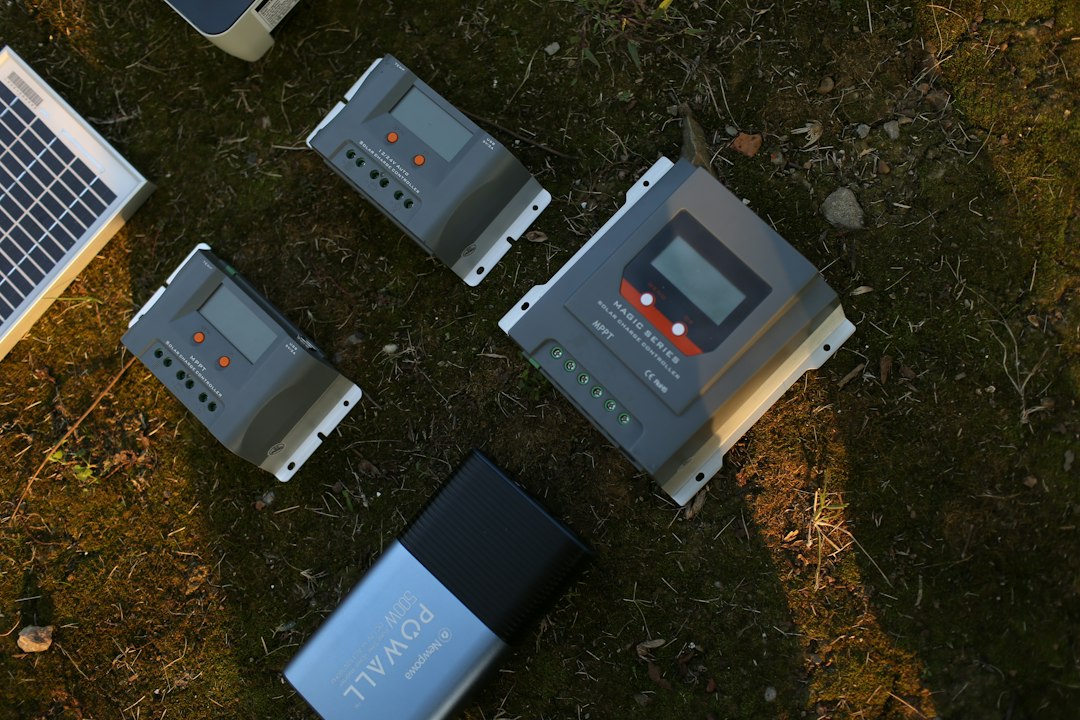
Smart solar inverters, when paired with dynamic grid tariffs, essentially allow your solar energy system to play a smarter game with your electricity provider. Instead of just generating power whenever the sun shines, these inverters can intelligently decide when to use your solar power, when to store it, and when to sell it back to the grid, all based on the fluctuating price of electricity. This means you can save more money and even earn more from your solar panels by optimizing how your energy is managed throughout the day.
Understanding Dynamic Grid Tariffs
Let’s start with what dynamic grid tariffs actually are, because they’re the key ingredient here. Traditionally, most of us have paid a flat rate for electricity, or maybe a simple time-of-use (TOU) rate where electricity is more expensive during peak hours (like evenings) and cheaper overnight. Dynamic tariffs take this a step further. They’re essentially real-time pricing for electricity, meaning the price you pay (or get paid) for electricity can change every hour, or even every 15 minutes, based on supply and demand on the grid.
How Dynamic Tariffs Work
Imagine the electricity grid as a giant marketplace. When there’s lots of cheap power available (like from abundant solar during midday or wind overnight) and demand is low, the price drops. When demand is high (everyone’s cooking dinner and running AC) and supply is tight, the price goes up. Dynamic tariffs reflect these fluctuations directly to consumers. This isn’t just about making you pay more; it’s about incentivizing you to use electricity when it’s cheaper and less carbon-intensive, and to reduce consumption or even feed power back when it’s expensive and the grid is stressed.
The Shift from Fixed Rates
For decades, fixed rates were the norm. They were simple, predictable, but also inefficient. They didn’t encourage consumers to shift their energy use, leading to strain on the grid during peak times and wasted renewable energy potential during off-peak times. TOU rates were the first step, nudging people to use less during specific hours. Dynamic tariffs are the natural evolution, providing much finer-grained control and a stronger financial incentive to participate in grid balancing. This shift is happening as grids integrate more renewables, which are inherently intermittent, making real-time management much more critical.
Benefits for the Grid
From the grid’s perspective, dynamic tariffs are a powerful tool. They help manage peak demand, reducing the need for expensive and often polluting “peaker plants” that only run a few hours a day.
They also encourage distributed energy resources, like your solar panels and batteries, to act as active participants in grid stability.
When prices are high, it signals a need for more power, and if your inverter can respond by discharging your battery or reducing your home’s consumption, you’re directly helping the grid stay balanced.
In the evolving landscape of renewable energy, the integration of Smart Solar Inverters and Dynamic Grid Tariff Automation plays a crucial role in optimizing energy consumption and cost savings for consumers. For those interested in understanding how technology can enhance daily life, a related article on choosing the right technology for children can be found here: How to Choose Your Child’s First Tablet. This article provides insights into selecting the best devices for young learners, paralleling the importance of making informed decisions in both energy management and technology use.
Key Takeaways
- The training data includes information and events up to October 2023.
- Insights and knowledge are based on a wide range of sources available until the cutoff date.
- No updates or developments occurring after October 2023 are included in the training.
- Users should verify current information from reliable sources for the latest updates.
- The model’s responses reflect the context and knowledge available up to the specified date.
The Role of Smart Solar Inverters
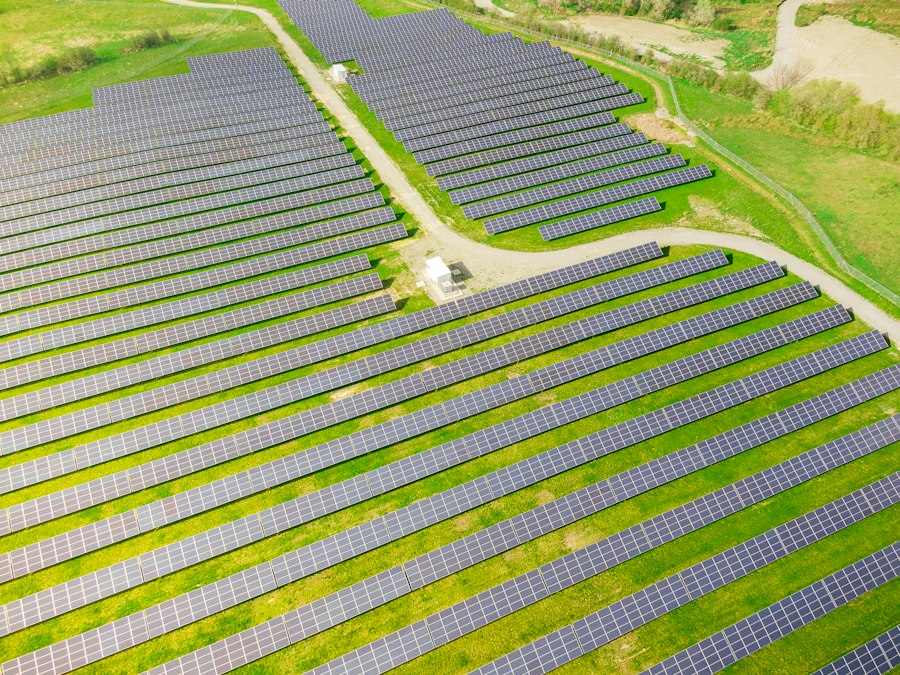
Now, let’s bring smart solar inverters into the picture. A traditional solar inverter converts the DC power from your panels into AC power for your home, and that’s pretty much it. A smart inverter, however, is a much more sophisticated piece of kit. It’s essentially the brain of your solar system, capable of much more than just power conversion.
Beyond Basic Inversion
Smart inverters are equipped with advanced communication capabilities, often connecting to the internet. This allows them to receive real-time data, including weather forecasts (which impacts solar generation), your home’s energy consumption patterns, and, crucially, those dynamic grid tariff prices. They also have built-in algorithms and processing power to make decisions based on this information. Think of it like giving your solar system a mini-computer that can strategize.
Communication and Data Exchange
The ‘smart’ part really shines in its ability to communicate. It can talk to your solar panels, your battery storage system (if you have one), your smart home devices (like smart thermostats), and even directly with the utility grid or a third-party energy management platform. This constant flow of data is what enables intelligent decision-making. It’s not just about pushing power to your home; it’s about understanding the entire energy ecosystem in and around your house.
Key Smart Inverter Features for Automation
Several features make smart inverters ideal for dynamic tariff automation. They often include:
- Advanced Metering Infrastructure (AMI) Integration: This allows them to receive real-time pricing signals directly from your utility.
- Load Management Capabilities: Some smart inverters can communicate with and even control certain smart appliances in your home, automatically shifting their operation to cheaper times.
- Battery Management Systems (BMS) Integration: If you have a battery, the smart inverter is key to deciding when to charge it from solar, when to discharge it to power your home, and when to discharge it to sell power back to the grid.
- Forecasting Algorithms: They can often integrate with weather data to predict solar production and adjust strategies accordingly.
- Over-the-Air (OTA) Updates: Like your smartphone, smart inverters can receive software updates, allowing them to adapt to new tariffs or optimize their algorithms over time without needing a physical upgrade.
Dynamic Grid Tariff Automation in Action
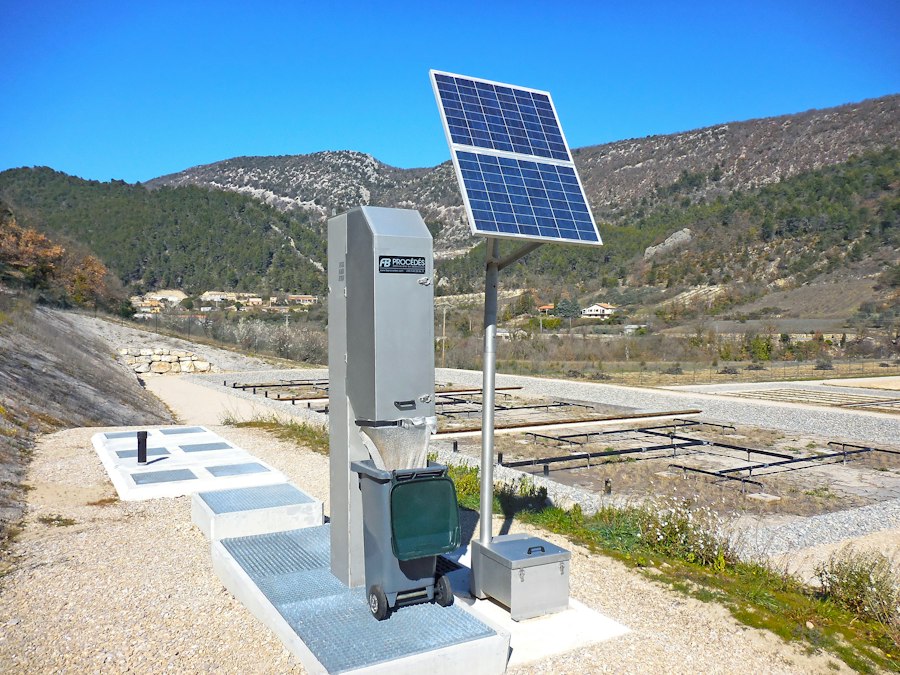
This is where the magic happens. Combining dynamic tariffs with smart inverters allows your solar system to become a proactive participant in managing your home’s energy costs and even contributing to grid stability. It’s no longer just a passive electricity generator.
Optimizing Self-Consumption
One of the primary goals is to maximize your own use of the solar power you generate.
When electricity prices from the grid are high (during peak hours, for instance), your smart inverter will prioritize powering your home directly from your solar panels or discharging your battery. This means you avoid buying expensive electricity. Conversely, when grid prices are low, and you’re generating more solar than you need, the inverter might choose to store that excess in your battery rather than selling it back cheaply, saving it for when grid prices inevitably rise.
Smart Battery Charging and Discharging
This is perhaps the most significant area of automation. Your battery becomes a dynamic asset.
- Charging: The inverter will decide when to charge your battery.
If solar production is high and grid prices are low, it might charge the battery from solar. If solar production is low and grid prices are very low (perhaps overnight), some systems can even charge the battery from the grid to use that stored energy later when prices are high (this is called arbitrage).
- Discharging: The inverter will decide when to discharge your battery. This will typically happen when grid prices are high, powering your home from the battery instead of the grid. In some advanced setups, the inverter might even discharge the battery back to the grid when export prices are very high, effectively selling stored energy for a profit.
Grid Export Optimization
When you produce more solar energy than your home needs and your battery is full, that excess power gets exported to the grid. With dynamic tariffs, the price you get paid for this export can also fluctuate.
A smart inverter will monitor these export prices. If the price is very low, it might encourage self-consumption or even curtail generation slightly (though this is less common for residential systems unless there’s a grid constraint). If export prices are high, it will prioritize sending that excess power to the grid to maximize your credit or payment.
Peak Shaving and Load Shifting
This refers to reducing your reliance on the grid during periods of high demand (and thus high prices).
Your smart inverter can coordinate with smart home devices. For example, if it detects grid prices are about to spike, it might signal your smart thermostat to pre-cool your house, or delay charging your electric vehicle until prices drop. This effectively “shaves” off your peak demand, reducing your overall electricity bill.
Example Scenario
Let’s walk through a typical day.
- Morning (7 AM – 9 AM): Sun rising, solar production increasing.
Grid prices might be rising as people wake up. Your inverter powers your home directly from solar. If you have a battery and it’s depleted, it starts charging from solar.
- Midday (10 AM – 3 PM): Sun is strong, high solar production. Grid prices might drop as more solar energy comes online (unless it’s a very hot day and AC demand is high). Your inverter ensures your home is powered, tops off your battery.
If you’re producing a lot of excess and export prices are good, it sells to the grid. If export prices are very low, it might prioritize ensuring the battery is 100% full.
- Late Afternoon/Evening (4 PM – 8 PM): Sun setting, solar production declining. Grid prices are usually highest during this peak demand period.
Your smart inverter automatically switches to powering your home from your battery, avoiding expensive grid electricity. If your battery runs low, it seamlessly switches to drawing power from the grid.
- Night (9 PM – 6 AM): No solar production. Grid prices are low.
Your home draws power from the grid. If your dynamic tariff offers extremely low overnight rates, your inverter might even charge your battery from the grid to prepare for the next day’s peak.
Benefits and Considerations
Implementing smart solar inverters with dynamic grid tariff automation offers a range of compelling benefits, but it also comes with a few things to consider.
Financial Savings and Earnings
The most direct benefit is financial. By intelligently managing your energy flow, you can significantly reduce your electricity bills. You’ll buy less expensive electricity from the grid and potentially earn more from selling your excess solar power when prices are high. This can lead to a faster payback period for your solar and battery investment. Some advanced systems even allow you to participate in demand response programs, where you get paid to reduce your consumption during grid emergencies.
Increased Energy Independence
With smart automation, you become less reliant on the grid’s fluctuating prices and more self-sufficient. You’re effectively taking more control over your home’s energy supply and demand, reducing your vulnerability to price spikes.
Environmental Impact
By optimizing your energy usage in response to grid signals, you’re contributing to a more sustainable energy system. You’re using more renewable energy when it’s available and reducing demand during periods when the grid might rely on dirtier, more expensive power sources. This helps integrate more renewables into the grid and reduces overall carbon emissions.
Grid Stability and Resilience
Your smart solar system isn’t just a consumer; it becomes a grid asset. By intelligently feeding power back when needed or reducing demand during peaks, you help stabilize the grid. This collective action from many homes can make the entire electricity infrastructure more resilient, especially as more intermittent renewable energy sources come online.
Complexity and Setup
One consideration is the initial complexity. Setting up a smart inverter with dynamic tariff automation often requires a bit more technical know-how than a traditional solar installation. You’ll need to ensure compatibility between your inverter, battery (if any), and your utility’s tariff structure. While many systems are becoming more user-friendly, it’s not always a plug-and-play solution.
Data Privacy and Cybersecurity
Since smart inverters are connected to the internet and exchange data, there are considerations around data privacy and cybersecurity. It’s important to choose reputable manufacturers with strong security protocols. The data collected about your energy usage can be quite detailed, so understanding how it’s used and protected is essential.
Evolving Tariffs and Technology
Dynamic tariffs themselves are still evolving in many regions. What’s available today might change tomorrow. Similarly, smart inverter technology is constantly advancing. While this means better features over time, it also means staying informed about updates and ensuring your system remains compatible with the latest utility offerings.
Smart solar inverters and dynamic grid tariff automation are becoming increasingly important in the renewable energy sector, as they enable more efficient energy management and cost savings for consumers. For those interested in exploring how technology is transforming various industries, a related article discusses the latest trends in e-commerce and their implications for business strategies. You can read more about it in this insightful piece on top trends in e-commerce business. This connection highlights the broader impact of technology on both energy and retail sectors, emphasizing the need for innovation in adapting to changing market demands.
Getting Started with Smart Solar and Dynamic Tariffs
| Metric | Description | Typical Value / Range | Unit |
|---|---|---|---|
| Inverter Efficiency | Ratio of output AC power to input DC power | 95 – 99 | % |
| Maximum Power Point Tracking (MPPT) Accuracy | Effectiveness of tracking the optimal power point | 99 – 99.9 | % |
| Response Time to Grid Tariff Signals | Time taken for inverter to adjust output based on tariff changes | 1 – 5 | seconds |
| Dynamic Tariff Update Frequency | How often grid tariff rates are updated and communicated | 15 – 60 | minutes |
| Energy Export Reduction | Percentage reduction in energy exported to grid during peak tariff | 10 – 40 | % |
| Load Shifting Capability | Ability to shift energy consumption to lower tariff periods | Up to 30 | % of daily load |
| Communication Protocols Supported | Protocols used for tariff and grid data exchange | Modbus, MQTT, IEC 61850 | N/A |
| Grid Voltage Regulation Range | Voltage range within which inverter can regulate output | 210 – 250 | Volts (V) |
| Peak Power Output | Maximum AC power output of the inverter | 3 – 10 | kW |
| Automation Accuracy | Accuracy of inverter automation in response to tariff signals | 95 – 99 | % |
If you’re considering a new solar installation or upgrading an existing one, embracing smart inverter technology and understanding dynamic tariffs is a forward-looking step.
Research Your Utility’s Offerings
The very first step is to find out if your electricity provider offers dynamic grid tariffs, real-time pricing, or advanced time-of-use rates. Not all utilities do, and the specifics vary widely. Some might offer specific incentives for integrating batteries or participating in demand response programs. This information will dictate how much you can benefit from automation.
Choose a Smart Inverter System
When selecting a solar inverter, look for one explicitly marketed as “smart” or “hybrid.” Key features to consider include:
- Communication Protocols: Does it support common smart home standards or direct utility communication?
- Battery Compatibility: If you plan on adding a battery now or in the future, ensure the inverter is compatible.
- Software and User Interface: How intuitive is the accompanying app or web portal for monitoring and controlling your system?
- Reputation and Support: Choose a manufacturer with a good track record for reliability and customer service.
- Firmware Update Capabilities: Can it receive over-the-air updates to adapt to new features or tariffs?
Consider Battery Storage
While not strictly necessary, battery storage significantly amplifies the benefits of dynamic tariff automation. It gives your system the flexibility to store cheap energy and use or sell it when prices are high, acting as a buffer against price volatility. Without a battery, your ability to optimize is limited to real-time solar generation and consumption.
Professional Installation and Configuration
Due to the complexities of integrating these systems, especially with utility connections and local regulations, it’s highly recommended to work with a certified and experienced solar installer. They can ensure your system is correctly sized, safely installed, and properly configured to take advantage of your utility’s specific tariffs. They can also help you navigate any necessary permits or interconnection agreements.
Monitor and Adjust
Once your system is up and running, don’t just set it and forget it. Keep an eye on your energy consumption patterns, solar production, and how your inverter is responding to dynamic prices. Most smart inverter apps provide detailed insights. You might find opportunities to further optimize your settings or adjust your habits to maximize savings. As dynamic tariffs can change, staying informed and making minor adjustments can keep your system performing at its best.
FAQs
What is a smart solar inverter?
A smart solar inverter is a device that converts the direct current (DC) electricity generated by solar panels into alternating current (AC) electricity that can be used to power homes and businesses. It also includes advanced features such as monitoring energy production, optimizing performance, and communicating with other smart devices.
How does dynamic grid tariff automation work with smart solar inverters?
Dynamic grid tariff automation involves adjusting electricity prices based on real-time supply and demand on the grid. Smart solar inverters can communicate with the grid to receive signals about when electricity prices are high or low, allowing them to adjust their energy production accordingly to maximize savings for the user.
What are the benefits of using smart solar inverters in conjunction with dynamic grid tariff automation?
By combining smart solar inverters with dynamic grid tariff automation, users can take advantage of lower electricity prices during off-peak hours and reduce their energy costs. This setup also helps to balance the grid by shifting energy consumption to times when renewable energy sources are more abundant.
Can smart solar inverters help with grid stability and reliability?
Yes, smart solar inverters can contribute to grid stability and reliability by providing grid operators with real-time data on energy production and consumption. This information allows for better management of the grid, reducing the risk of blackouts and ensuring a more efficient distribution of electricity.
Are there any potential challenges or drawbacks to using smart solar inverters and dynamic grid tariff automation?
Some challenges include the need for compatible infrastructure and communication protocols between smart devices and the grid. Additionally, there may be regulatory hurdles or technical limitations that need to be addressed to fully realize the benefits of these technologies. It is important to carefully plan and implement these systems to ensure their effectiveness and reliability.
Enjoying our content? Make us a preferred source on Google:
Add us as a Preferred Source on Google