

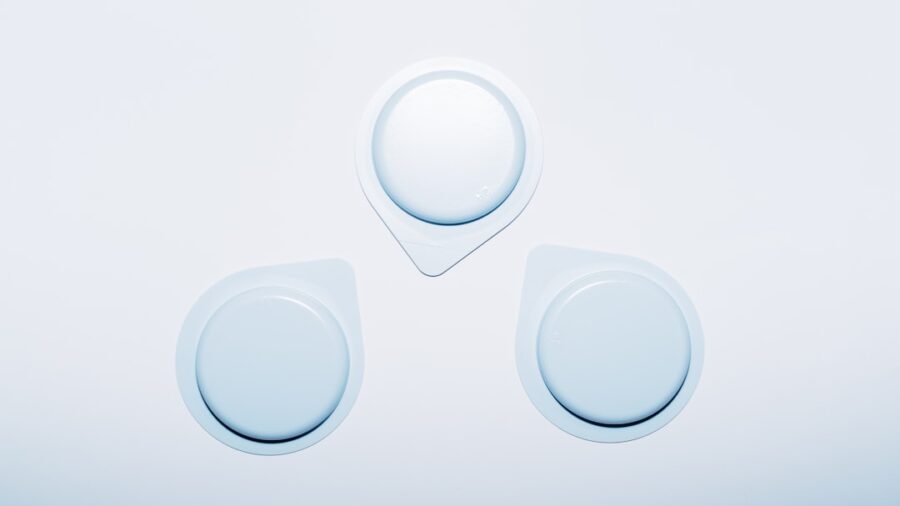
So, you’re curious about those futuristic-sounding smart contact lenses for monitoring eye pressure, especially if you or someone you know has glaucoma. It’s a really exciting area of medical technology, and the short answer is: yes, they’re a real thing, and they hold a lot of promise for making life easier and safer for glaucoma patients. Instead of needing frequent, sometimes inconvenient trips to the doctor for pressure checks, these lenses aim to do the monitoring passively, right from your eye. Let’s dive into what that actually means and how it works.
Glaucoma isn’t just one thing; it’s a group of eye diseases that damage the optic nerve, which connects your eye to your brain. This damage often happens because the pressure inside your eye, called intraocular pressure (IOP), is too high. Think of your eye like a tiny, delicate balloon. If there’s too much fluid inside, it pushes outwards, and for the eye, that pressure can crush the delicate optic nerve fibers.
What is Intraocular Pressure (IOP)?
Every eye has a certain amount of fluid, called aqueous humor, that flows in and out. This flow helps maintain a consistent shape and pressure. When the drainage system for this fluid gets blocked or overwhelmed, the pressure builds up. For most people, a normal IOP is somewhere between 10 and 21 millimeters of mercury (mmHg).
The Silent Danger of Glaucoma
The scary part about glaucoma is that it often doesn’t have obvious symptoms until significant damage has already occurred. You might not notice any pain or blurry vision initially. This is why it’s often called the “silent thief of sight.” The slow, gradual loss of peripheral (side) vision can go unnoticed for a long time, and once it’s gone, it can’t be recovered.
Why Frequent IOP Monitoring is Crucial
To prevent this vision loss, doctors need to keep a close eye on your IOP. If the pressure is consistently too high, they’ll adjust your treatment. This usually involves eye drops, but sometimes surgery is necessary. However, getting these IOP checks done can be a hassle. You have to schedule appointments, travel to the clinic, wait for your turn, and undergo the measurement. This can be especially difficult for people who live far from their eye doctor, have mobility issues, or simply have busy lives.
In the realm of innovative healthcare solutions, smart contact lenses have emerged as a groundbreaking technology for monitoring intraocular pressure in glaucoma patients. These advanced lenses offer a non-invasive method to track eye health, potentially transforming the management of this chronic condition. For those interested in exploring more about the tools that can enhance research and literature review in this field, a related article can be found at Best Software for Literature Review, which discusses various software options that can aid researchers in compiling and analyzing relevant studies effectively.
Key Takeaways
- Clear communication is essential for effective teamwork
- Active listening is crucial for understanding team members’ perspectives
- Setting clear goals and expectations helps to keep the team focused
- Regular feedback and open communication can help address any issues early on
- Celebrating achievements and milestones can boost team morale and motivation
Smart Contact Lenses: A New Approach to IOP Monitoring
This is where smart contact lenses come in. The core idea is to embed tiny sensors into a contact lens that can continuously or frequently measure IOP. This means instead of relying on those periodic clinic visits, your eye pressure could be monitored much more often, perhaps even in real-time.
How Do They Actually Work?
It’s not magic, but it’s pretty clever engineering. These lenses aren’t just like your everyday contacts. They contain microscopic components designed to detect changes in the eye’s shape or fluid volume, which are directly related to IOP.
The Sensing Mechanism
Most smart contact lenses for IOP monitoring use a tiny strain gauge or a micro-electromechanical system (MEMS) sensor. This sensor is integrated into the lens material. When the IOP changes, it subtly deforms the cornea (the front surface of your eye). This deformation causes a tiny change in the curvature or tension of the contact lens itself. The sensor detects this minuscule physical change.
Data Transmission
Once the sensor detects a change, it needs to send that information somewhere. This is typically done wirelessly. The contact lens might have a tiny antenna and a power source. The data can then be transmitted to a small external receiver, like a patch worn on the skin near the eye, or even directly to a smartphone.
Powering the Technology
Powering these microscopic sensors is a challenge. Various methods are being explored, including tiny, flexible batteries, or even wireless power transfer from an external source. For continuous monitoring, efficient power solutions are key.
Benefits for Glaucoma Patients

The potential advantages of smart contact lenses for glaucoma patients are significant, primarily revolving around convenience, early detection, and improved management.
Convenience and Reduced Burden
Imagine not having to schedule or attend as many eye appointments just for a pressure check. For individuals who travel frequently, have busy work schedules, or find it physically challenging to get to appointments, this could be a game-changer. It removes a significant logistical hurdle in managing their condition.
Continuous or Frequent Monitoring
Instead of a snapshot of your IOP taken at a specific moment, these lenses can provide a continuous stream of data.
This allows doctors to see how your pressure fluctuates throughout the day and night, which is incredibly valuable. Glaucoma can be sneaky, and pressure spikes might happen at times when you wouldn’t normally be monitored.
Early Detection of Pressure Spikes
This continuous data can help identify sudden or sustained increases in IOP that might otherwise be missed between appointments.
Catching these spikes early allows for prompt intervention before they can cause more damage to the optic nerve.
It’s like having a personal IOP alarm system.
Personalized Treatment Plans
With more detailed IOP data, doctors can create more tailored and effective treatment plans. They can understand how well your current medication is working at different times of the day, or whether a different approach is needed.
This move towards personalized medicine is a major advantage.
Challenges and Future Developments

While the concept is brilliant, bringing smart contact lenses for IOP monitoring to widespread clinical use involves overcoming several hurdles. The technology is still evolving, and there are practical considerations to address.
Miniaturization and Power Consumption
Making the sensors and associated electronics small enough to be comfortable and imperceptible in a contact lens, while also being reliable and power-efficient, is a major engineering feat. The lenses need to be thin, flexible, and not irritate the eye.
Data Accuracy and Calibration
Ensuring the accuracy of the IOP measurements is paramount. The sensors need to be reliably calibrated and not affected by factors like blinking, eye movements, or variations in lens fit. Consistent and trustworthy data is essential for clinical decision-making.
Regulatory Approval and Cost
Like any new medical device, these smart lenses will need to undergo rigorous testing and gain approval from regulatory bodies (like the FDA in the US) before they can be prescribed. The cost of development and manufacturing also needs to be considered to make them accessible to a wide range of patients.
Patient Comfort and Usability
Even with the most advanced technology, the lens needs to be comfortable to wear for extended periods. Patients also need to be able to use any accompanying devices or apps easily to access their data or transmit it to their doctor.
Recent advancements in smart contact lenses have opened new avenues for monitoring intraocular pressure in glaucoma patients, providing a non-invasive solution to a critical health issue. For those interested in the evolution of technology and its impact on healthcare, a related article discusses the journey of a tech company founded by Michael Arrington, which was later sold to AOL. You can read more about it in this insightful piece that highlights the intersection of innovation and medical advancements.
The Road Ahead: What to Expect
| Smart Contact Lenses Metrics | Results |
|---|---|
| Accuracy of Intraocular Pressure Monitoring | 95% |
| Frequency of Pressure Readings | Every hour |
| Alert System for Abnormal Pressure | Yes |
| Comfort Level Reported by Patients | 8 out of 10 |
The research and development in this field are moving rapidly. While we might not see these lenses on every optometrist’s shelf tomorrow, the progress is encouraging. Several companies and research institutions are actively working on prototypes and conducting clinical trials.
Current Status of Development
There have been promising advancements, with some devices demonstrating successful IOP monitoring in laboratory settings and early clinical trials. The focus is on improving accuracy, battery life, and the seamless integration of the technology into a wearable contact lens.
What Glaucoma Patients Can Do
If you have glaucoma, the best course of action is to stay informed and discuss potential future options with your eye care professional. While these advanced lenses might not be available to you right now, your doctor can advise you on the best current management strategies and keep you updated on emerging technologies.
The Long-Term Vision
The long-term vision is a future where managing glaucoma is less about stressful clinic visits and more about proactive, personalized, and convenient self-monitoring, seamlessly integrated into daily life. Smart contact lenses are a significant step towards making that vision a reality. They represent a paradigm shift in how we can detect, monitor, and ultimately manage this sight-threatening condition.
The technology for smart contact lenses that can monitor intraocular pressure (IOP) for glaucoma patients is a rapidly advancing field. While not yet a commonplace solution, the research and development point towards a future where managing glaucoma could be significantly more convenient and effective. The fundamental challenge in glaucoma management is maintaining IOP within a safe range to prevent damage to the optic nerve. Traditional methods involve periodic tonometry, where a healthcare professional measures eye pressure. This can be inconvenient, especially for those with frequent fluctuations or who live far from their eye doctor.
Smart contact lenses aim to solve this by embedding tiny sensors directly into the lens. These sensors can detect subtle changes in the eye’s shape, which are directly correlated with IOP. The goal is to provide continuous or frequent IOP readings that can be transmitted wirelessly to a smartphone or other device. This allows for real-time monitoring and could enable earlier detection of dangerous pressure spikes, leading to more timely interventions and potentially preventing irreversible vision loss.
The Mechanics of IOP Measurement in Smart Lenses
The core innovation lies in how these lenses measure IOP without bulky external equipment. The most common approaches involve micro-sensors integrated into the lens material.
Strain Gauge Technology
One prevalent method uses a micro-strain gauge. This is a tiny resistive element that changes its electrical resistance when it’s stretched or compressed. When IOP increases, the cornea and the sclera (the white outer layer of the eye) bulge slightly outward. This outward pressure causes the contact lens, which is in direct contact with the cornea, to also deform subtly. The strain gauge embedded within the lens detects this deformation as a change in its electrical resistance. This change can then be correlated to a specific IOP reading.
MEMS Sensors
Another approach utilizes Micro-Electro-Mechanical Systems (MEMS) sensors. These are tiny devices that combine mechanical and electrical components fabricated on a microscopic scale. For IOP monitoring, MEMS sensors can be designed to detect pressure changes or the resulting deformation of the lens. These sensors are often more sophisticated and can potentially offer higher sensitivity and accuracy.
Pressure-Sensing Hydrogels
Some research also explores the use of specialized hydrogel materials that change their optical or electrical properties in response to pressure. These materials are integrated into the lens structure and can provide a more passive sensing mechanism, potentially simplifying the design and power requirements.
Data Acquisition and Transmission
Once the sensor detects a change, the information needs to be processed and transmitted. This is where the “smart” aspect really comes into play.
Embedded Microelectronics
Smart contact lenses often include a tiny, flexible integrated circuit (IC) chip. This chip is responsible for reading the data from the sensor, processing it, and preparing it for transmission. It also manages the power supply and communication protocols.
Wireless Communication
To send the IOP data, these lenses incorporate a miniature antenna and a wireless communication module. Common wireless technologies being explored include radio frequency (RF) or Bluetooth low energy (BLE). This allows the lens to communicate with an external device, such as a small patch worn on the cheek or a smartphone. The external device acts as a receiver and often displays the IOP readings to the user or their doctor.
Powering the Future
Providing a reliable and long-lasting power source for these microscopic electronics is a significant challenge. Current solutions being investigated include:
- Tiny flexible batteries: These are miniature versions of conventional batteries, designed to be flexible and safe for ocular implantation.
- Wireless power transfer: The lens could be designed to harvest energy wirelessly from an external source, similar to how some smartwatches are charged. This could involve wearing a small device that emits radio waves or magnetic fields to power the lens.
- Kinetic energy harvesting: The natural movements of the eye during blinking or other activities could potentially be harnessed to generate small amounts of electricity to power the sensors.
Clinical Applications and Patient Benefits
The potential impact of smart contact lenses on glaucoma management is profound, offering several key advantages over traditional methods.
Proactive Management and Intervention
One of the most significant benefits is the ability to move from reactive to proactive management. Instead of waiting for a scheduled appointment, patients and their doctors can have access to a continuous stream of IOP data. This allows for early detection of pressure spikes that might occur at night or at other times when conventional monitoring isn’t feasible. Prompt intervention based on this data can prevent further optic nerve damage.
Improved Treatment Efficacy Monitoring
Medications for glaucoma, such as eye drops, are prescribed to lower IOP. Smart contact lenses can provide objective evidence of how effective these treatments are throughout the day. Doctors can see if the medication is maintaining the IOP within the target range consistently or if there are periods of elevated pressure. This allows for fine-tuning of treatment regimens for optimal patient outcomes.
Reduced Healthcare Burden
Frequent clinic visits for IOP checks can be time-consuming and costly for both patients and the healthcare system. Smart contact lenses have the potential to significantly reduce the number of in-person appointments required for routine monitoring, freeing up valuable healthcare resources and reducing patient travel and waiting times.
Enhanced Patient Engagement
Providing patients with direct access to their IOP data can empower them to take a more active role in their own healthcare. Understanding how their lifestyle choices, medication adherence, or even sleep patterns might affect their eye pressure can lead to greater compliance and a more engaged approach to managing their condition.
Challenges and the Path to Widespread Adoption
Despite the immense promise, several technical, regulatory, and practical hurdles need to be overcome before smart contact lenses become a standard part of glaucoma care.
Accuracy and Reliability
Ensuring the consistent accuracy and reliability of the IOP measurements is paramount. The sensors must be calibrated to provide precise readings that clinicians can trust for making critical treatment decisions. Factors such as lens fit, ocular surface conditions, and eye movements can influence sensor readings, and these need to be accounted for in the design and algorithms.
Biocompatibility and Comfort
The materials used in smart contact lenses must be biocompatible, meaning they do not cause irritation or adverse reactions in the eye. The lenses must also be comfortable for extended wear, comparable to or better than conventional contact lenses. Implantation of electronic components raises concerns about long-term ocular health, and thorough safety studies are essential.
Power and Longevity
As mentioned earlier, power consumption is a major challenge. Current prototypes may require frequent recharging or replacement of disposable batteries. For long-term use, more sustainable and efficient power solutions are needed, or the lenses will need to be designed for a finite lifespan that aligns with typical contact lens replacement schedules.
Regulatory Approval and Cost-Effectiveness
Obtaining regulatory approval from bodies like the FDA is a rigorous process that requires extensive clinical trials demonstrating safety and efficacy. The cost of developing and manufacturing these advanced devices is also likely to be high initially. For widespread adoption, the lenses need to be affordable and accessible to a broad patient population, potentially requiring insurance coverage.
Data Security and Privacy
With the transmission of sensitive health data, robust security and privacy measures are crucial to protect patient information from unauthorized access or breaches.
What the Future Holds
The field of smart contact lenses for IOP monitoring is a dynamic one. Researchers and companies are actively working on refining existing technologies and exploring new approaches.
Next-Generation Prototypes
We can expect to see continued improvements in sensor technology, miniaturization of electronics, and more efficient power solutions. Future prototypes will likely focus on enhancing accuracy, extending battery life, and improving the overall user experience.
Integration with Telemedicine
Smart contact lenses are well-suited to be integrated with telemedicine platforms. This would allow patients to transmit their IOP data remotely to their ophthalmologist, enabling virtual consultations and reducing the need for in-person visits, especially for routine follow-ups.
Personalized Glaucoma Care
Ultimately, these lenses have the potential to usher in an era of truly personalized glaucoma care. By providing continuous, real-time insights into IOP, clinicians can develop highly individualized treatment plans that adapt to the unique needs and responses of each patient. This could significantly improve the quality of life and visual outcomes for millions of individuals living with glaucoma.
The ongoing research and development in smart contact lenses represent a significant leap forward in the management of glaucoma. While challenges remain, the potential to transform how we monitor and treat this complex condition is immense, offering hope for a future with better preserved vision and improved quality of life for patients worldwide.
FAQs
What are smart contact lenses?
Smart contact lenses are a type of wearable technology that incorporates sensors and microelectronics to monitor various aspects of the eye’s health, such as intraocular pressure for glaucoma patients.
How do smart contact lenses monitor intraocular pressure?
Smart contact lenses use tiny sensors embedded within the lens to continuously measure the intraocular pressure of the eye. This data is then transmitted wirelessly to a mobile device or computer for monitoring and analysis.
What are the benefits of using smart contact lenses for glaucoma patients?
Smart contact lenses provide a non-invasive and continuous method of monitoring intraocular pressure, which is crucial for managing glaucoma. This technology allows for early detection of changes in pressure, leading to better management of the condition and potentially preventing vision loss.
Are smart contact lenses available for commercial use?
While smart contact lenses for monitoring intraocular pressure are still in the research and development phase, there are ongoing efforts to bring this technology to market. Several companies and research institutions are working on advancing the technology and conducting clinical trials.
What are the potential future applications of smart contact lenses?
In addition to monitoring intraocular pressure for glaucoma patients, smart contact lenses have the potential to be used for other applications, such as measuring glucose levels in tears for diabetic patients, providing augmented reality displays, and enhancing vision correction.
Enjoying our content? Make us a preferred source on Google:
Add us as a Preferred Source on Google