


For glaucoma patients, smart contact lenses offer a game-changing way to monitor intraocular pressure (IOP) continuously. Instead of sporadic clinic visits, these innovative lenses can provide a steady stream of data, allowing for earlier detection of pressure spikes and a more personalized approach to managing this potentially blinding condition. It’s about getting a clearer picture of what’s happening inside the eye, all day and night, which traditional methods just can’t provide.
Understanding Glaucoma and the Need for Better IOP Monitoring
Glaucoma is a group of eye conditions that damage the optic nerve, often caused by abnormally high pressure inside the eye. If left untreated, it can lead to irreversible vision loss and blindness. The tricky part is that glaucoma often progresses without noticeable symptoms in its early stages. This makes early detection and continuous monitoring of intraocular pressure (IOP) absolutely critical.
The Limitations of Current IOP Measurement
Right now, the gold standard for measuring IOP is typically performed in a clinic using a tonometer. While accurate at the moment of measurement, these readings are snapshots. Think about it: you go to the doctor, they measure your pressure, and it might be fine then. But what happens overnight? Or during periods of stress? Or after certain activities? We know that IOP can fluctuate significantly throughout the day and night, and these fluctuations, particularly nocturnal spikes, are increasingly recognized as important factors in glaucoma progression.
The problem is, these brief clinic visits miss a vast amount of crucial data. A patient might have normal pressure during their appointment but experience dangerous spikes at other times, which remain undetected. This intermittent data makes it challenging for ophthalmologists to fully understand a patient’s individual IOP profile and, consequently, to optimize their treatment plan. It’s like trying to understand a full day’s weather patterns by only looking out the window for five minutes at noon.
Why Continuous Monitoring Matters So Much
Continuous intraocular pressure monitoring for glaucoma patients provides a much more complete picture. Instead of isolated data points, we get a trend – a curve showing how IOP changes hour by hour. This level of detail can reveal patterns, identify triggers for pressure spikes, and ultimately help doctors make more informed decisions about medication dosages, surgical interventions, or lifestyle adjustments. For instance, if a patient consistently experiences elevated IOP during certain hours of sleep, this information could lead to a different treatment strategy than if the pressure consistently peaked in the late afternoon. This is where smart contact lenses step in, offering a non-invasive, patient-friendly solution to bridge this monitoring gap.
In exploring innovative technologies for health monitoring, the article on Smart Contact Lenses for Ocular Health: Continuous Intraocular Pressure Monitoring for Glaucoma Patients highlights the potential of advanced wearable devices in managing chronic conditions. For those interested in how cutting-edge technology is transforming everyday devices, a related article discussing the capabilities of the Samsung S22 Ultra can be found here: Unlock the Power of the Galaxy with the Samsung S22 Ultra. This article delves into the features of the smartphone that enhance user experience, paralleling the advancements in ocular health technology.
Key Takeaways
- The training data includes information and events up to October 2023.
- Insights and knowledge are based on a wide range of sources available until the cutoff date.
- No updates or developments occurring after October 2023 are included in the training.
- Users should verify current information from reliable sources for the latest updates.
- The model’s responses reflect the context and knowledge available up to the specified date.
How Smart Contact Lenses Monitor IOP
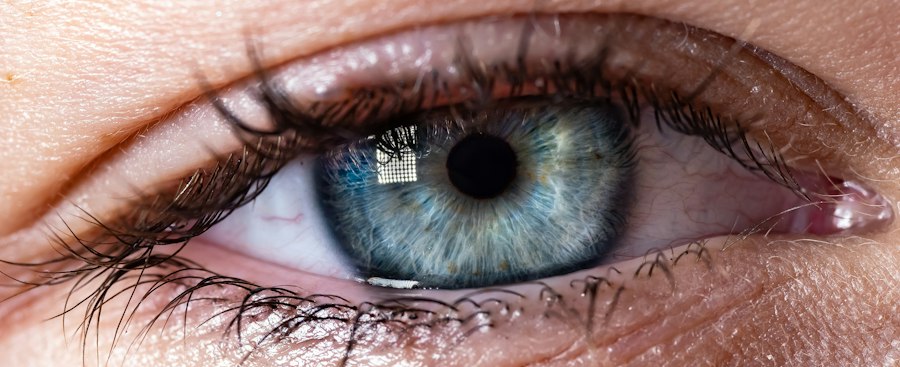
Smart contact lenses designed for glaucoma monitoring are essentially miniature, wearable medical devices. They integrate tiny sensors and electronics directly into a standard-looking contact lens, allowing them to sit comfortably on the eye and continuously gather data on intraocular pressure.
The Technology Behind the Lens
The core of these smart contact lenses lies in their ability to detect subtle changes in the eye’s shape, which are directly related to IOP. The most common approach involves a strain gauge or a piezoresistive sensor embedded within the lens material. When the intraocular pressure changes, it causes a minute deformation in the cornea. This deformation, in turn, subtly stretches or compresses the contact lens resting on its surface.
The embedded sensor is designed to detect these tiny mechanical changes. As the lens deforms, the electrical resistance of the sensor changes proportionally. This change in resistance is then converted into an electrical signal, which correlates directly with the intraocular pressure. It’s a remarkably clever way to translate a physical pressure measurement into something quantifiable and transmittable.
Powering and Data Transmission
Given the tiny size, powering these devices is a significant engineering challenge. Most smart contact lenses for IOP monitoring currently utilize a combination of ultra-small, thin-film batteries or inductive charging mechanisms. Inductive charging allows the lens to be powered wirelessly, often by an external device worn near the eye or by placing the lens in a special charging case when not in use. This avoids the need for bulky batteries that would make the lens uncomfortable or impractical.
Once the IOP data is collected by the sensor, it needs to be transmitted for analysis. This is typically done wirelessly, often via Bluetooth Low Energy (BLE) to a nearby smartphone or a dedicated handheld reader. The data can then be stored on the connected device, uploaded to a cloud-based platform, or directly transmitted to the patient’s ophthalmologist for review. This seamless data transmission is crucial for enabling continuous monitoring and timely intervention.
Integration and User Experience
From a user perspective, the goal is for these smart contact lenses to be as similar as possible to conventional contact lenses. They are designed to be comfortable for extended wear, typically for a full day or overnight, depending on the specific model and its battery life. The embedded electronics are virtually imperceptible to the wearer. The patient simply wears the lens as they would any other contact, and the lens does its work passively.
The data collection and transmission are generally automated. Patients don’t need to manually take readings; the lens continuously gathers the information. This ease of use is critical for adherence, especially for elderly patients or those with dexterity issues. The focus is on making the experience unobtrusive, allowing patients to go about their daily lives while the lens provides vital health insights.
Benefits for Glaucoma Patients

The potential benefits of smart contact lenses for ocular health, specifically for continuous intraocular pressure monitoring for glaucoma patients, are quite profound. These devices are poised to transform how glaucoma is managed, moving from reactive treatment to a more proactive and personalized approach.
Real-Time Data and Personalized Treatment
The most significant advantage is the availability of real-time or near-real-time intraocular pressure data. Instead of isolated snapshots, doctors gain access to a continuous stream of information, revealing the full diurnal and nocturnal IOP fluctuations.
This allows for a truly personalized understanding of each patient’s glaucoma progression. For example, an ophthalmologist might discover that a patient’s IOP consistently peaks overnight, a period traditionally difficult to monitor. This insight could prompt a change in medication timing or type, potentially preventing further optic nerve damage.
With continuous data, doctors can precisely assess how effective a particular medication or treatment regimen is throughout a 24-hour cycle, not just at a single point in time.
If a medication isn’t adequately controlling pressure during certain hours, adjustments can be made much more quickly and accurately. This level of granular information means treatment can be tailored to the individual’s specific IOP profile, leading to more effective disease management and potentially slowing or halting vision loss.
Early Detection of Pressure Spikes and Progression
Many glaucoma patients experience pressure spikes that are missed during routine clinic visits. These transient elevations, even if short-lived, can contribute significantly to optic nerve damage over time.
Smart contact lenses can detect these spikes as they happen, providing crucial evidence that the current treatment might not be sufficient.
By identifying patterns of high pressure or increasing fluctuations, these lenses can signal potential disease progression earlier than traditional methods. This early warning allows for timely intervention, whether it’s adjusting medication, considering laser treatment, or even surgical options, before irreversible damage occurs. The ability to catch subtle changes quickly is a powerful tool in preserving vision.
Improved Patient Adherence and Empowerment
Patients often struggle with adhering to complex medication schedules, especially when they don’t feel any immediate symptoms.
Smart contact lenses, by providing tangible data, can empower patients by making their condition more concrete.
When patients see that their IOP is well-controlled with their medication, or conversely, when they see spikes that indicate non-adherence, it can reinforce the importance of their treatment plan.
Furthermore, the passive nature of monitoring with a contact lens simplifies the process for patients.
They don’t need to perform manual measurements or remember specific times for readings. This ease of use can significantly improve long-term adherence to monitoring, providing doctors with more consistent data. Patients become more active participants in their own care, armed with a better understanding of their condition.
Reduced Clinic Visits and Healthcare Costs
While regular follow-ups will always be necessary, continuous home monitoring could potentially reduce the frequency of routine IOP checks in the clinic for stable patients.
This can be a significant convenience for patients, especially those living in rural areas or with mobility challenges. Fewer trips to the ophthalmologist mean less time off work, reduced travel expenses, and overall less burden on the patient.
For the healthcare system, this could translate into more efficient allocation of resources. Ophthalmologists can focus their in-clinic time on patients who genuinely require more intensive assessment or intervention, rather than spending time on routine pressure checks for stable individuals.
Over the long term, by preventing vision loss through better management, smart contact lenses could also lead to a reduction in the societal costs associated with blindness and low vision.
Challenges and Future Outlook
While smart contact lenses for continuous intraocular pressure monitoring hold immense promise, there are still several hurdles to overcome before they become a widespread reality. These challenges span technological, regulatory, and economic aspects.
Current Technical Limitations and Refinements
One of the primary technical challenges is battery life and power management. While significant advancements have been made in miniaturization, achieving comfortable, all-day wear with sufficient power for continuous sensing and data transmission remains an area of active research. Most current prototypes or early models require daily charging or have limited operational periods. Future developments are focusing on more efficient power harvesting (e.g., from ambient light or even tears) or longer-lasting, safer micro-batteries.
Another area for refinement is the accuracy and stability of the sensor over extended wear. The ocular environment is harsh, with tear film, blinking, and protein deposition potentially affecting sensor performance. Ensuring long-term calibration and preventing signal drift are critical for reliable data. Researchers are exploring new biocompatible materials and self-cleaning mechanisms to mitigate these issues.
Data storage and processing within the tiny lens itself also present challenges. While most data is transmitted to an external device, improving on-lens processing could potentially allow for more sophisticated analysis before transmission, reducing power consumption for communication.
Regulatory Approval and Clinical Trials
Before smart contact lenses can be widely prescribed, they must undergo rigorous clinical trials to demonstrate their safety, efficacy, and accuracy. This involves extensive testing on human subjects to ensure they are well-tolerated, do not cause adverse ocular effects, and provide reliable IOP measurements comparable to or surpassing current clinical standards.
Obtaining regulatory approval from bodies like the FDA (U.S.) or EMA (Europe) is a long and complex process. Manufacturers must provide comprehensive data on manufacturing quality, device performance, cybersecurity of data, and patient safety. This process ensures that only safe and effective devices reach the market. As of late 2026, several companies are in various stages of clinical trials, but broad commercial availability is still some years away for most advanced models.
Cost and Accessibility
The initial cost of smart contact lenses is likely to be a significant barrier. The advanced technology, specialized manufacturing processes, and extensive research and development expenses will undoubtedly translate into a higher price point compared to conventional contact lenses. For widespread adoption, it will be crucial to demonstrate a clear cost-benefit analysis, showing that the investment in these lenses ultimately leads to better patient outcomes and potentially reduces long-term healthcare costs associated with glaucoma progression.
Accessibility also involves insurance coverage. Convincing insurance providers that these devices are medically necessary and cost-effective will be vital. Without adequate reimbursement, many patients, especially those in lower socioeconomic brackets, may be unable to afford them, exacerbating existing health disparities.
Integration with Existing Healthcare Systems
Seamless integration into existing ophthalmological workflows is another practical challenge. How will the vast amounts of data generated by these lenses be managed, analyzed, and presented to doctors in a meaningful way? User-friendly dashboards and artificial intelligence (AI) tools will likely be necessary to help ophthalmologists interpret trends and identify concerning patterns efficiently, without being overwhelmed by raw data. Establishing secure and compliant data transmission and storage pathways (e.g., HIPAA-compliant) is also paramount. Training for both patients and healthcare providers will be essential for proper use and interpretation.
The Vision for the Future
Despite these challenges, the future of smart contact lenses for ocular health looks incredibly promising.
We can envision a future where these lenses become a routine part of glaucoma management, allowing for proactive, precision medicine.
Beyond IOP monitoring, future iterations could potentially incorporate sensors for other biomarkers, such as glucose levels for diabetic retinopathy patients, or even integrate drug delivery systems. Imagine a lens that not only monitors pressure but also releases glaucoma medication directly into the eye when a spike is detected.
The convergence of nanotechnology, flexible electronics, and AI is rapidly accelerating the development in this field. As manufacturing processes mature and economies of scale are achieved, the cost is expected to decrease, making these life-changing devices more accessible. Ultimately, smart contact lenses have the potential to significantly reduce vision loss from glaucoma and improve the quality of life for millions worldwide.
In exploring innovative solutions for ocular health, the concept of Smart Contact Lenses for Continuous Intraocular Pressure Monitoring for Glaucoma Patients has gained significant attention. This technology not only aims to enhance patient care but also aligns with broader advancements in health monitoring devices. For those interested in understanding how marketing technologies are evolving alongside such innovations, a related article discusses the latest trends in the field. You can read more about it in this insightful piece on marketing technologies for 2023.
Ethical Considerations and Patient Data Privacy
| Metric | Description | Typical Range/Value | Unit | Relevance to Glaucoma Monitoring |
|---|---|---|---|---|
| Intraocular Pressure (IOP) | Pressure inside the eye measured continuously | 10 – 21 | mmHg | Primary indicator for glaucoma risk and progression |
| Measurement Frequency | How often IOP is recorded by the lens | Every 5 minutes | Minutes | Enables detection of pressure fluctuations throughout the day |
| Battery Life | Duration the lens can operate without recharge | 24 – 48 | Hours | Determines usability and convenience for continuous monitoring |
| Data Transmission Range | Distance over which data can be wirelessly sent | 1 – 2 | meters | Allows real-time data transfer to external devices |
| Sensor Accuracy | Precision of IOP measurement | ±1.5 | mmHg | Ensures reliable monitoring for clinical decisions |
| Lens Material | Type of material used for comfort and biocompatibility | Silicone Hydrogel | N/A | Supports extended wear and reduces irritation |
| Wear Duration | Maximum recommended continuous wear time | 24 | Hours | Limits risk of infection and maintains eye health |
| Data Storage Capacity | Amount of data that can be stored on the device | Up to 7 days | Days | Allows offline monitoring and later data upload |
As with any advanced medical technology that collects personal health data, smart contact lenses for continuous intraocular pressure monitoring introduce a unique set of ethical considerations, especially concerning patient data privacy and security. These issues must be thoroughly addressed to build trust and ensure responsible deployment.
Data Ownership and Consent
A fundamental question arises about who owns the data collected by these smart contact lenses. Is it the patient, the device manufacturer, the healthcare provider, or a combination? Clear guidelines regarding data ownership must be established from the outset. Patients should have full transparency about what data is being collected, how it’s being used, and who has access to it.
Informed consent is paramount. Patients need to understand not only the medical benefits but also the implications of continuous data collection. This includes explaining the potential for data sharing (e.g., with researchers for aggregated, anonymized studies) and the options for data retention or deletion. The language used in consent forms must be clear, concise, and understandable, avoiding overly technical jargon.
Privacy and Security of Health Information
The continuous stream of IOP data, combined with potential links to other health information, constitutes highly sensitive personal health information (PHI). Protecting this data from unauthorized access, breaches, and misuse is critically important. Manufacturers and healthcare providers must implement robust cybersecurity measures, including encryption, secure data transmission protocols, and multi-factor authentication for access.
The risk of data breaches, though rare, is always present. In the event of a breach, clear protocols for notification, mitigation, and support for affected patients must be in place. Furthermore, considerations around de-identification and anonymization of data for research purposes are crucial to protect individual privacy while still allowing for valuable scientific advancement.
Potential for Discrimination and Bias
The availability of continuous health data, while beneficial, also carries the theoretical risk of discrimination. For example, could insurance companies use this data to deny coverage or adjust premiums based on perceived risk factors revealed by IOP fluctuations? Strong legal and ethical frameworks, such as those provided by laws like HIPAA in the U.S., are necessary to prevent such misuse of health data.
There’s also a concern about algorithmic bias if AI is used to analyze the data. If the algorithms are trained on biased datasets, they could lead to inaccurate diagnoses or recommendations for certain demographic groups. Regular auditing of algorithms for fairness and equity will be essential to ensure that smart contact lenses benefit all patients equally.
Autonomy and Medical Decision-Making
While these lenses provide valuable data, it’s important to ensure they augment, rather than replace, human medical decision-making. Patients and their doctors should remain in control of treatment decisions. The data should serve as a tool to inform and guide, not dictate. There’s a fine line between empowering patients with information and overwhelming them, or creating undue anxiety over every minor fluctuation.
Discussions around potential over-reliance on technology are also relevant. What if a device malfunctions or provides inaccurate readings? How are these discrepancies managed? Ensuring that patients and clinicians understand the limitations of the technology, and maintaining the role of clinical judgment, will be vital for responsible use.
Ethical Implications for Research and Development
The development of these smart lenses also raises ethical questions in research. Ensuring ethical conduct in clinical trials, including patient selection, informed consent processes, and data handling, is paramount. As the technology evolves, future capabilities (e.g., integrating other biosensors or drug delivery) will introduce further ethical dilemmas that researchers and policymakers will need to anticipate and address proactively.
Ultimately, the successful integration of smart contact lenses into glaucoma care depends not only on their technological prowess but also on a strong commitment to ethical principles, robust data protection, and transparent communication with patients.
FAQs
What are smart contact lenses?
Smart contact lenses are advanced optical devices that incorporate technology to monitor various health parameters, such as intraocular pressure (IOP) in glaucoma patients. These lenses can provide real-time data to both patients and healthcare providers, enhancing the management of ocular health.
How do smart contact lenses monitor intraocular pressure?
Smart contact lenses utilize embedded sensors that measure the pressure within the eye. These sensors can detect changes in IOP and transmit the data wirelessly to a connected device, allowing for continuous monitoring and timely intervention if necessary.
What are the benefits of using smart contact lenses for glaucoma patients?
The primary benefits include continuous monitoring of intraocular pressure, which can lead to earlier detection of potential issues, improved adherence to treatment plans, and reduced need for frequent office visits. This technology can help in personalizing treatment and improving overall ocular health.
Are smart contact lenses safe to use?
Smart contact lenses are designed to be safe for use, similar to traditional contact lenses. However, as with any medical device, there may be risks involved, such as irritation or infection. It is essential for users to follow proper hygiene practices and consult with their eye care professionals for personalized advice.
When are smart contact lenses expected to be widely available?
While smart contact lenses are currently in various stages of research and development, some prototypes have already been tested in clinical trials. The timeline for widespread availability will depend on regulatory approvals and advancements in technology, but experts anticipate that they could become more accessible within the next few years.
Enjoying our content? Make us a preferred source on Google:
Add us as a Preferred Source on Google