

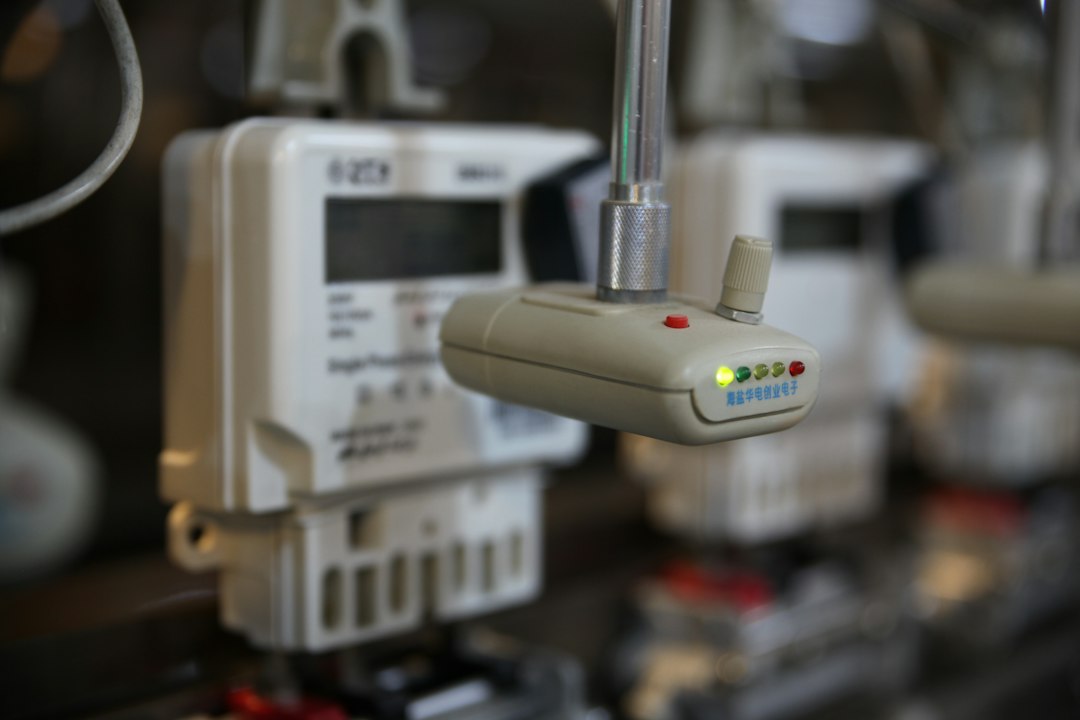
Smart circuit breakers are essentially regular circuit breakers that have been upgraded with some serious tech. They can do a lot more than just trip when there’s an overload. Think of them as the brains of your home’s electrical system, constantly watching what’s going on and giving you real-time data about how much power your appliances are using. This means you can see exactly which devices are gobbling up electricity, when they’re doing it, and even get alerts if something’s not quite right. It’s about giving you more control and insight into your energy consumption than ever before.
What Makes Them “Smart”?
The “smart” part of these circuit breakers comes from a combination of sensors, microprocessors, and connectivity. Unlike traditional breakers that are purely mechanical or electromechanical, smart breakers integrate electronics that allow them to monitor, analyze, and communicate.
Core Components and How They Work
At their heart, smart circuit breakers have current and voltage sensors that continuously measure the electricity flowing through each circuit. This data is then fed to a tiny onboard computer, or microprocessor, which crunches the numbers. This processor can detect anomalies like overloads, short circuits, and even subtle changes in power draw that might indicate an issue with an appliance.
Communication Capabilities
Crucially, smart breakers can communicate this information.
Most models use Wi-Fi or other wireless protocols to send data to a central hub, a smartphone app, or a cloud-based platform.
This is what allows you to see real-time usage, receive alerts, and even control certain aspects remotely. Some advanced systems might also integrate with smart home platforms, letting them work alongside other connected devices.
Beyond Basic Protection
While they still perform the critical safety function of tripping when necessary, their intelligence extends far beyond that. They provide a level of granularity and insight into your electrical system that was previously only available with specialized industrial equipment. This shift from reactive protection to proactive monitoring and management is what truly defines them.
Smart circuit breakers are revolutionizing the way we manage energy consumption in our homes by providing real-time appliance load monitoring and management. These advanced devices not only enhance energy efficiency but also contribute to smarter energy usage patterns. For those interested in exploring how technology can optimize various aspects of finance and trading, a related article on trading software can be found here: Uncovering the Best Order Flow Trading Software: In-Depth Reviews and Analysis. This article delves into the latest innovations in trading technology, paralleling the advancements seen in smart circuit breakers.
Key Takeaways
- The training data includes information and events up to October 2023.
- Insights and knowledge are based on a wide range of sources available until the cutoff date.
- No updates or developments occurring after October 2023 are included in the training.
- Users should verify current information from reliable sources for the latest updates.
- The model’s responses reflect the context and knowledge available up to the specified date.
Real-Time Appliance Load Monitoring
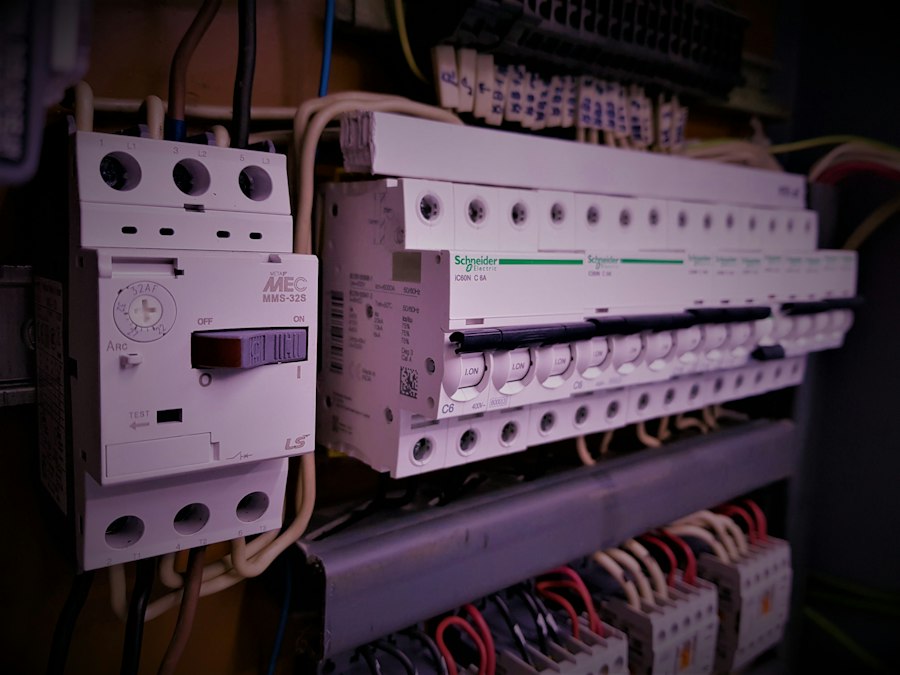
One of the most compelling features of smart circuit breakers is their ability to monitor individual appliance loads in real time. This isn’t just about total household consumption; it’s about getting down to the nitty-gritty of what each device is drawing.
Granular Data Collection
Instead of just knowing your entire home used 50 kWh yesterday, smart breakers can tell you that your refrigerator used 10 kWh, your washing machine used 2 kWh during its cycle, and your television was drawing 0.5 kWh even when turned off (phantom load). This level of detail is invaluable for understanding your energy footprint.
Identifying Energy Hogs
With real-time monitoring, you can quickly spot the appliances that are consuming the most power. Perhaps your old freezer in the garage is running constantly, or your kids’ gaming console is left on standby more often than not. These insights can highlight areas where you can make significant energy savings without guessing. The data provides concrete evidence of consumption patterns.
Detecting Malfunctions and Inefficiencies
A sudden, sustained increase in a specific appliance’s power draw could signal a problem. For example, if your air conditioner suddenly starts using significantly more power than usual to cool the same area, it might indicate a failing compressor or a dirty filter. Smart breakers can flag these anomalies, allowing you to address them before they lead to a complete breakdown or higher electricity bills.
Understanding Usage Patterns
Monitoring over time reveals patterns. You can see when certain appliances are used most frequently, how long they run, and their peak consumption times. This information can help you schedule tasks more efficiently, for example, running the dishwasher during off-peak electricity hours if your utility offers time-of-use rates.
Advanced Energy Management Capabilities
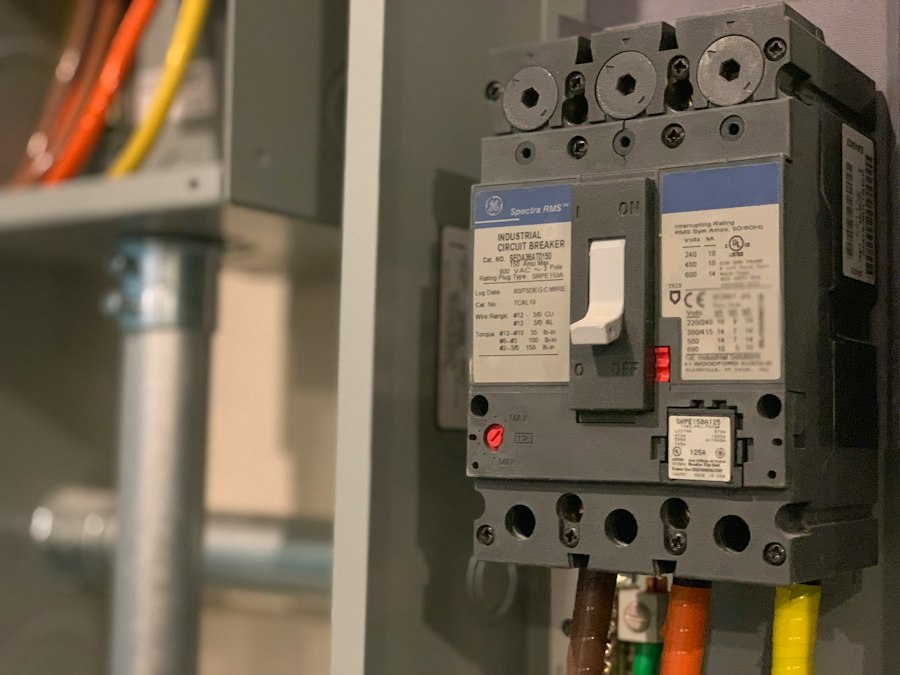
Beyond just monitoring, smart circuit breakers enable proactive management of your home’s electrical system, putting more power (pun intended) in your hands.
Remote Control and Scheduling
Many smart circuit breaker systems allow you to remotely turn off or on specific circuits directly from your smartphone. This means if you forgot to turn off the iron or a specific light, you can do it from anywhere. More advanced systems also support scheduling, letting you set specific times for certain circuits to be active, which is great for controlling outdoor lighting, charging electric vehicles, or even managing heating and cooling.
Load Shedding and Peak Demand Management
This is where things get really smart, especially for those with time-of-use electricity plans or homes with solar panels and battery storage.
Smart breakers can be programmed to automatically shed non-essential loads during peak demand times or when battery levels are low. For instance, if your utility charges significantly more between 4 PM and 9 PM, you could set your system to temporarily reduce power to your electric water heater or clothes dryer during those hours, potentially saving a lot on your bill.
Integration with Smart Home Ecosystems
The real power often comes from integration. When smart circuit breakers connect with other smart home devices like thermostats, smart plugs, and even weather stations, they can create a truly intelligent energy management system.
Imagine your thermostat telling the smart breaker to reduce power to certain zones if no one is home, or your solar panels communicating with the breakers to optimize battery charging and grid interaction.
Predictive Maintenance and Safety Alerts
Because smart breakers continuously monitor electrical parameters, they can often detect subtle changes that might precede a problem. For example, minor current fluctuations or unusual temperature readings within the breaker panel could indicate loose wiring or a failing component. The system can send alerts to your phone, allowing you to investigate or call an electrician before a major issue, like an electrical fire, occurs.
This proactive approach significantly enhances home safety.
Installation Considerations and Compatibility
While the benefits are clear, installing smart circuit breakers isn’t as simple as swapping out a lightbulb. It’s a job for a qualified electrician, and there are some important compatibility factors to consider.
Professional Installation is Essential
Given that you’re dealing with your home’s main electrical panel and high voltage, professional installation by a licensed electrician is non-negotiable. Attempting a DIY installation is dangerous and could void your home insurance or even lead to severe injury or fire. An electrician will ensure the system is correctly wired, safely integrated, and meets all local electrical codes.
Panel Compatibility
Not all smart circuit breakers are universally compatible with every electrical panel.
Different panels use different types of breakers (e.
g., standard, tandem, slimline), and smart breakers need to match the specific panel design and bus bar configuration. Some manufacturers offer entire smart electrical panels designed from the ground up for these capabilities, while others provide individual smart breakers that can replace existing ones in compatible panels. It’s crucial to check compatibility before purchasing.
System Scalability and Coverage
Consider how many circuits you want to monitor and manage. Do you need smart breakers for every single circuit in your home, or just for high-consumption areas like the kitchen, laundry room, and HVAC system? Most systems are modular, allowing you to start with a few key circuits and expand over time. Think about your future needs and if the chosen system can accommodate them.
Network Requirements
Smart circuit breakers rely on a stable internet connection, usually Wi-Fi, to communicate data and receive commands. Ensure your home network is robust enough to support these devices, especially if your electrical panel is located in a basement or garage where Wi-Fi signals might be weaker. Some systems might use other wireless protocols like Zigbee or Z-Wave, requiring a compatible hub.
Software and App Ecosystem
The hardware is only part of the equation; the accompanying software and mobile app are equally important. Look for a user-friendly app that provides clear data visualization, easy control, and reliable alerts. Consider if the system integrates with other smart home platforms you already use (like Apple HomeKit, Google Home, or Amazon Alexa) for a more unified experience.
Smart circuit breakers are revolutionizing the way we manage energy consumption in our homes by providing real-time appliance load monitoring and management. This innovative technology not only enhances energy efficiency but also allows homeowners to identify and reduce unnecessary energy usage. For those interested in exploring how to effectively market such cutting-edge products, a related article on the best niche for affiliate marketing in 2023 can provide valuable insights. You can read more about it here. By understanding the market dynamics, you can better position smart circuit breakers as essential tools for modern energy management.
Benefits and Potential Drawbacks
| Metric | Description | Typical Value / Range | Unit |
|---|---|---|---|
| Real-Time Load Monitoring Frequency | How often the circuit breaker samples appliance load data | 1 – 10 | Hz |
| Load Measurement Accuracy | Precision of current and voltage measurement for load calculation | ±0.5 – 2 | % |
| Maximum Current Rating | Maximum current the smart circuit breaker can handle safely | 15 – 100 | Amperes |
| Response Time to Overload | Time taken to trip the breaker upon detecting overload | 10 – 100 | Milliseconds |
| Communication Protocols Supported | Protocols used for data transmission and remote management | Wi-Fi, Zigbee, Z-Wave, Ethernet | — |
| Energy Consumption Reporting Interval | Frequency of energy usage data reporting to user interface | 1 – 60 | Seconds |
| Number of Appliances Monitored | Number of individual appliance loads that can be monitored simultaneously | 1 – 20 | Units |
| Load Management Capability | Ability to remotely control or schedule appliance power usage | On/Off switching, Load shedding, Scheduling | — |
| Power Consumption of Smart Breaker | Energy used by the smart circuit breaker itself during operation | 1 – 5 | Watts |
| Data Storage Capacity | Amount of load data stored locally before transmission or overwrite | 128 – 1024 | MB |
Like any technology, smart circuit breakers come with a host of advantages, but also a few things to keep in mind before jumping in.
The Upsides: More Than Just Savings
The primary benefit often touted is energy savings, and while true, it’s far from the only one.
Reduced Energy Bills
By providing detailed insights into consumption, smart breakers empower you to identify and address energy waste. This direct knowledge often translates into behavioral changes, appliance upgrades, and better scheduling, all leading to lower monthly electricity bills.
Enhanced Safety
The continuous monitoring for electrical faults, overloads, and unusual current draws means potential hazards can be detected and alerted much faster than with traditional systems. This proactive fault detection can significantly reduce the risk of electrical fires and damage to appliances.
Peace of Mind and Convenience
Knowing exactly what’s happening with your home’s electrical system, even when you’re away, offers significant peace of mind. The ability to remotely control circuits, receive alerts about power outages, or even check if you left a light on contributes to a more convenient and less stressful home life.
Increased Home Value
As smart home technology becomes more mainstream, homes equipped with advanced energy management systems like smart circuit breakers may hold more appeal to potential buyers, potentially increasing property value.
Environmental Impact
By making informed decisions about energy consumption, you’re not only saving money but also reducing your carbon footprint, contributing to a more sustainable lifestyle.
Things to Consider: Not a Perfect Solution (Yet)
While compelling, there are a few aspects to weigh before committing to smart circuit breakers.
Initial Cost
The upfront investment for smart circuit breakers and their installation can be higher than traditional breakers. While the long-term savings can offset this, it’s a significant initial expense.
Complexity and Learning Curve
While apps are designed to be user-friendly, understanding all the features, interpreting data, and setting up schedules or automations might have a slight learning curve for some users.
Dependence on Internet Connectivity
If your internet goes down, many of the “smart” features (remote control, real-time data, alerts) will be unavailable, though the basic safety function of the breaker will still operate. This reliance on connectivity is a common consideration for all smart home devices.
Data Security and Privacy Concerns
Because these systems collect data about your home’s energy consumption, there are legitimate concerns about data security and privacy. It’s important to choose reputable manufacturers with strong encryption and data protection policies.
Lifespan and Obsolescence
Technology evolves rapidly. While smart breakers are built to last, the software and connectivity features might become outdated or unsupported over time, potentially requiring upgrades or replacements down the line.
In conclusion, smart circuit breakers offer a powerful way to transform your home’s electrical system from a passive safety mechanism into an active participant in energy management. They provide unparalleled insight and control, paving the way for smarter, safer, and more efficient energy use in your home.
FAQs
What are smart circuit breakers?
Smart circuit breakers are advanced electrical devices that can monitor and manage the energy consumption of individual appliances in real-time. They offer features such as remote control, energy usage tracking, and overload protection.
How do smart circuit breakers work?
Smart circuit breakers use sensors and communication technology to monitor the energy usage of connected appliances. They can detect the power consumption patterns of each device and provide data to users through a mobile app or a centralized control panel.
What are the benefits of using smart circuit breakers?
Smart circuit breakers offer several benefits, including the ability to track energy usage, identify inefficient appliances, prevent electrical overloads, and remotely control devices. They can help users save energy, reduce electricity bills, and improve overall safety.
Can smart circuit breakers help with home automation?
Yes, smart circuit breakers can integrate with home automation systems to enable users to create schedules, set preferences, and automate energy-saving routines. They can work in conjunction with other smart devices to create a more efficient and convenient home environment.
Are smart circuit breakers easy to install and use?
Smart circuit breakers are designed to be user-friendly and can typically be installed by a qualified electrician. Once installed, users can easily control and monitor their energy usage through a smartphone app or a web interface, making them convenient and intuitive to use.
Enjoying our content? Make us a preferred source on Google:
Add us as a Preferred Source on Google