

Sweat-based diagnostics, leveraging smart biosensors, are quickly moving us toward a future where real-time biomarker tracking happens right on your skin. This isn’t just a sci-fi concept anymore; it’s a rapidly evolving field offering a non-invasive, continuous window into our health, moving beyond traditional blood draws and urine samples. Instead of waiting for lab results, imagine getting immediate insights into everything from hydration levels to stress hormones, right from a wearable device.
The Power of Sweat: Why It Matters
Sweat, often seen as just a cooling mechanism, is actually a remarkably rich biofluid. It contains a treasure trove of biomarkers that mirror what’s circulating in our blood. Think of it as a dilute, but accessible, reflection of our internal chemistry. This makes it an incredibly appealing candidate for diagnostic purposes, especially when compared to more invasive methods. The beauty is that sweat collection is straightforward, painless, and can be done continuously without disrupting daily activities. This opens up possibilities for monitoring health trends and catching subtle changes that might otherwise go unnoticed.
What Makes Sweat So Informative?
Sweat isn’t just water and salt. It carries a surprising variety of molecules, including electrolytes (like sodium, potassium, and chloride), metabolites (such as glucose, lactate, and urea), hormones (like cortisol), and even certain proteins. While their concentrations in sweat are generally lower than in blood, the presence and changes in these biomarkers can provide meaningful physiological information. The key challenge, which smart biosensors are addressing, is accurately detecting and quantifying these analytes at low concentrations.
Limitations and How They’re Being Addressed
Of course, sweat isn’t a perfect substitute for blood in every scenario. Its composition can vary based on factors like sweat rate, skin temperature, and even the specific sweat gland being sampled. There’s also the issue of evaporation and contamination. Researchers are actively working to overcome these limitations. This includes developing advanced sensor designs that minimize interference, incorporating microfluidic channels to ensure consistent sample delivery, and employing sophisticated algorithms to normalize data and account for variability. The goal is to make sweat measurements as reliable and reproducible as possible.
Smart biosensors and sweat-based diagnostics are revolutionizing the way we monitor health by enabling real-time biomarker tracking directly on the skin. This innovative technology allows for continuous health monitoring, providing valuable insights into hydration levels, glucose, and other vital metrics. For those interested in the intersection of wearable technology and health monitoring, a related article discusses how various smartwatches enhance user experience by allowing them to view pictures on their devices. You can read more about this feature in the article found here: Which Smartwatches Allow You to View Pictures on Them?.
Key Takeaways
- The training data includes information and events up to October 2023.
- Insights and knowledge are based on a wide range of sources available until the cutoff date.
- No updates or developments occurring after October 2023 are included in the training.
- Users should verify current information from reliable sources for the latest updates.
- The model’s responses reflect the context and knowledge available up to the specified date.
Smart Biosensors: The Technology Behind the Track
At the heart of sweat-based diagnostics are smart biosensors. These aren’t just simple chemical strips; they are sophisticated miniature laboratories designed to selectively detect and quantify specific molecules in sweat. The “smart” aspect comes from their ability to integrate with electronics for data processing, wireless transmission, and even sometimes, self-calibration. They transform a biochemical event (like a molecule binding to a receptor) into an electrical signal that can be read and interpreted.
Electrochemical Sensors: The Workhorses
Many of the most promising sweat biosensors are electrochemical. These sensors work by measuring changes in electrical properties (like current or voltage) as a result of a specific biochemical reaction. For instance, an enzyme might be immobilized on the sensor surface, which then reacts with a target biomarker in sweat. This reaction generates or consumes electrons, leading to a measurable electrical signal directly proportional to the biomarker’s concentration.
For example, glucose sensors often use glucose oxidase, an enzyme that catalyzes the oxidation of glucose. This process generates hydrogen peroxide, which can then be electrochemically detected. Similarly, lactate sensors use lactate oxidase. The strength of electrochemical sensors lies in their high sensitivity, rapid response time, and potential for miniaturization.
Optical Sensors: Shedding Light on Biomarkers
Another class of smart biosensors utilizes optical detection methods.
These sensors work by measuring changes in light properties – such as absorbance, fluorescence, or refractive index – when biomarkers interact with the sensor.
For instance, some sensors incorporate fluorescent dyes that change their emission intensity in the presence of a specific analyte. When the target biomarker binds to the dye, the resulting light signal can be measured.
While sometimes more complex in terms of hardware, optical sensors can offer very high specificity and sensitivity, particularly for larger molecules or when precise molecular interactions need to be observed. Their non-electrical nature can also be advantageous in certain contexts.
Microfluidics: Guiding the Flow
For any sweat biosensor to work effectively, it needs a consistent and clean sample of sweat. This is where microfluidics plays a crucial role. Microfluidic channels are tiny conduits, often etched into flexible patches, that guide sweat from the skin to the sensor elements. They help to overcome challenges like evaporation, contamination, and inconsistent sweat rates.
Microfluidic designs can actively pump sweat, filter out debris, and even mix reagents with the sweat sample before it reaches the sensor. This ensures that the sensor receives a steady and representative sample, improving the accuracy and reliability of the measurements. Without well-designed microfluidic systems, achieving robust and continuous sweat analysis would be significantly more challenging.
Real-Time Biomarker Tracking: What We Can Monitor
The range of biomarkers that smart biosensors can track in real-time through sweat is expanding rapidly. This isn’t just about general wellness; it’s about providing actionable health insights for various applications, from athletic performance to disease management.
Glucose Monitoring for Diabetes Management
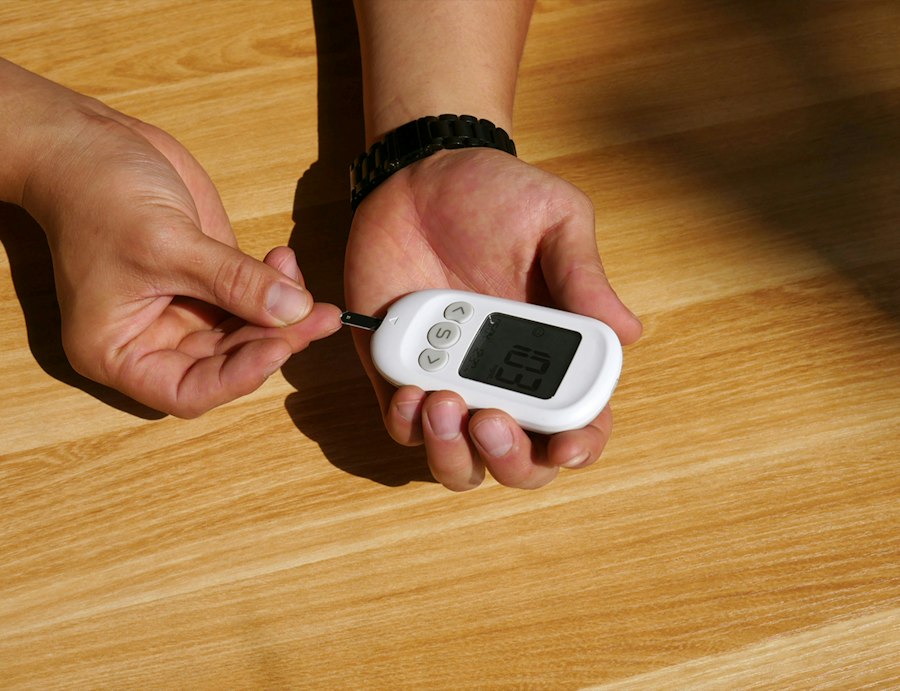
One of the most impactful applications is continuous glucose monitoring (CGM) for people with diabetes. While current CGMs typically use interstitial fluid (fluid just under the skin), sweat-based glucose sensors offer a truly non-invasive alternative.
The challenge lies in the lower concentration of glucose in sweat compared to blood and the need to correlate sweat glucose accurately with blood glucose.
Researchers are making significant strides in this area, developing highly sensitive sensors and sophisticated algorithms that can account for the lag and concentration differences. Imagine a diabetic individual being able to track their glucose levels throughout the day without finger pricks, receiving real-time alerts and insights directly from a patch on their skin. This could revolutionize diabetes management, allowing for more proactive adjustments to diet and medication.
Electrolytes and Hydration Status
For athletes, outdoor workers, or anyone engaged in strenuous activity, monitoring electrolyte levels and hydration status is critical.
Dehydration and electrolyte imbalances can significantly impair performance and lead to serious health issues. Smart biosensors can continuously track sodium, potassium, and chloride levels in sweat, providing immediate feedback on hydration needs.
This real-time data allows individuals to proactively replenish fluids and electrolytes, optimizing performance and preventing heat-related illnesses. Wearable patches can integrate with smartphones, alerting users when they need to drink water or consume an electrolyte-rich beverage, moving beyond subjective thirst cues.
Lactate for Fitness and Fatigue Assessment
Lactate is a key indicator of muscle fatigue and anaerobic metabolism.
During intense exercise, muscles produce lactate, and tracking its accumulation can provide valuable insights into workout intensity, training zones, and recovery needs. Sweat lactate sensors can offer athletes and trainers real-time data to optimize their training regimens.
By continuously monitoring lactate levels, individuals can avoid overtraining, identify their lactate threshold more accurately, and ensure they are training effectively for their specific goals. This kind of data moves beyond subjective feelings of fatigue and provides objective physiological metrics.
Cortisol for Stress Monitoring
Cortisol, often called the “stress hormone,” plays a vital role in our body’s response to stress.
Elevated or dysregulated cortisol levels can be indicative of chronic stress, anxiety, and other health issues. Developing sweat-based cortisol sensors allows for non-invasive, continuous monitoring of stress responses.
This could be particularly beneficial in mental health management, allowing individuals and clinicians to track stress patterns over time, identify triggers, and assess the effectiveness of stress-reduction interventions. Imagine a discreet patch that could provide insights into your daily stress load, helping you manage your well-being more effectively.
Alcohol Levels for Responsible Consumption
Another intriguing application is the real-time monitoring of alcohol levels.
Unlike breathalyzers, which provide an instantaneous snapshot, a sweat-based sensor could continuously track transdermal alcohol concentration, offering a more comprehensive picture of alcohol metabolism over time. This has potential applications in responsible drinking, impaired driving prevention, and even addiction recovery support. While correlations exist, ongoing research aims to improve the accuracy and reliability of these sensors to be on par with or even exceed existing methods for certain use cases.
The Wearable Revolution: Integration and User Experience
The true power of smart biosensors in sweat diagnostics lies in their integration into user-friendly wearable devices. This isn’t just about the sensor technology itself, but how it seamlessly fits into daily life, providing actionable insights without being intrusive. The design and engineering focus heavily on comfort, durability, and data accessibility.
Patches, Bands, and Smart Textiles
The form factors for these devices are diverse. Many early prototypes and commercial products are developed as thin, flexible adhesive patches that can be worn directly on the skin, often on the forearm or bicep. These patches typically contain the microfluidic channels, sensor array, and a small, low-power electronic module for data processing and wireless communication.
Beyond patches, we’re seeing integration into wristbands, similar to fitness trackers, and even smart textiles. Imagine a shirt or a headband with embedded biosensors that can monitor your sweat biomarkers during a workout, with the data seamlessly streamed to your smartphone or a cloud platform. The goal is to make these devices as unobtrusive as possible, allowing for continuous monitoring without disrupting activities.
Data Processing and Machine Learning
Collecting raw biomarker data is only the first step. For it to be truly useful, it needs to be processed, analyzed, and presented in an understandable way. This is where advanced algorithms and machine learning play a crucial role. Data from the biosensors is often corrected for factors like sweat rate and environmental conditions. Machine learning models can then be trained to identify patterns, predict trends, and even correlate sweat biomarker levels with clinical outcomes.
These algorithms can help to overcome some of the inherent variability of sweat, improving the accuracy and reliability of the overall system. They can also personalize insights, learning an individual’s unique physiological responses over time.
Connectivity and App Integration
Modern smart biosensors are almost always connected devices. They typically communicate wirelessly, often via Bluetooth Low Energy (BLE), with a smartphone or a dedicated receiver. Companion mobile applications then serve as the user interface, displaying real-time data, historical trends, alerts, and personalized recommendations.
This integration allows users to visualize their health metrics at a glance, share data with healthcare providers, and receive actionable advice.
For example, a hydration app might tell an athlete not just their electrolyte levels but also suggest specific amounts of water or sports drink to consume based on their current status and activity level. This seamless flow of information empowers individuals to take a more proactive role in managing their health.
Smart biosensors and sweat-based diagnostics are revolutionizing the way we monitor health by enabling real-time biomarker tracking directly on the skin. This innovative technology not only enhances personal health management but also opens up new avenues for remote health monitoring. For those interested in optimizing their work-from-home experience, understanding the intersection of technology and health is crucial. A related article discusses how to choose the best laptop for remote work, which can be found here. By integrating advanced biosensors with efficient technology, individuals can ensure they are both productive and health-conscious in their daily routines.
Challenges and Future Outlook
| Parameter | Typical Range | Measurement Unit | Sensor Type | Response Time | Application |
|---|---|---|---|---|---|
| Glucose | 0.06 – 0.2 | mM (millimolar) | Electrochemical | ~60 seconds | Diabetes monitoring |
| Lactate | 1 – 25 | mM | Electrochemical | ~30 seconds | Exercise physiology |
| pH | 4.5 – 7.0 | pH units | Potentiometric | Instantaneous | Skin health monitoring |
| Sodium (Na+) | 10 – 70 | mM | Ion-selective electrode | ~45 seconds | Hydration status |
| Potassium (K+) | 2 – 8 | mM | Ion-selective electrode | ~45 seconds | Electrolyte balance |
| Uric Acid | 0.2 – 0.6 | mM | Electrochemical | ~60 seconds | Gout monitoring |
| Temperature | 32 – 37 | °C | Thermistor | Instantaneous | Skin condition |
While sweat-based diagnostics hold immense promise, there are still significant challenges to overcome before they become universally adopted. However, the pace of innovation suggests a very bright future for this field.
Regulatory Hurdles and Validation
As with any medical or health-related technology, regulatory approval is a critical step. Demonstrating accuracy, reliability, and clinical utility to bodies like the FDA (in the US) or EMA (in Europe) requires rigorous testing and validation. This process can be lengthy and expensive. For smart biosensors to move beyond wellness devices to true diagnostic tools, they must meet stringent standards for performance and safety. A key aspect is establishing clear correlations between sweat biomarkers and their counterparts in blood, and proving that these correlations are clinically meaningful across diverse populations.
Sensor Stability and Longevity
Biosensors, especially those relying on biological recognition elements like enzymes, can be susceptible to degradation over time. Factors like temperature, humidity, and exposure to other sweat components can affect their performance. Improving the stability and extending the lifespan of these sensors is an ongoing area of research. This includes developing more robust materials, advanced encapsulation techniques, and self-calibrating mechanisms to ensure consistent accuracy over the wear period of the device.
Cost-Effectiveness and Manufacturability
For widespread adoption, sweat-based diagnostic devices need to be affordable and scalable to manufacture. While initial research prototypes can be costly, mass production requires efficient and cost-effective fabrication methods. Advances in printing technologies, micro-manufacturing, and materials science are crucial for bringing down production costs, making these devices accessible to a broader population. The goal is to achieve a balance between advanced functionality and economic viability.
Personalized Health Management and Predictive Analytics
Looking ahead, the future of smart biosensors in sweat diagnostics points towards highly personalized health management and predictive analytics. Imagine a world where your wearable device not only tells you your current hydration level but, based on your historical data, activity patterns, and even weather forecasts, predicts your risk of dehydration hours in advance.
This kind of predictive capability could revolutionize preventative healthcare, allowing for interventions before problems even arise. Furthermore, combining sweat biomarker data with other physiological inputs (like heart rate, sleep patterns, and activity levels) from other wearables, along with genomic data, could create a holistic and unprecedented view of individual health. This rich, continuous data stream will empower individuals to optimize their well-being, manage chronic conditions more effectively, and potentially even detect early signs of disease. The journey is ongoing, but the trajectory is clear: our skin is becoming a powerful interface for understanding and managing our health.
FAQs
What are smart biosensors?
Smart biosensors are advanced devices that can detect and analyze biological markers in real-time. They often integrate microelectronics and nanotechnology to monitor physiological changes, providing valuable health information through non-invasive methods.
How do sweat-based diagnostics work?
Sweat-based diagnostics utilize sensors that can analyze the composition of sweat to detect biomarkers related to various health conditions. These sensors can measure levels of electrolytes, metabolites, and other substances, allowing for real-time monitoring of an individual’s health status.
What are the advantages of using sweat for biomarker tracking?
Using sweat for biomarker tracking offers several advantages, including non-invasiveness, ease of collection, and the ability to provide continuous monitoring. Sweat is readily available and can reflect physiological changes, making it a valuable medium for health assessments.
What types of health conditions can be monitored with sweat-based biosensors?
Sweat-based biosensors can monitor a variety of health conditions, including dehydration, electrolyte imbalances, metabolic disorders, and even stress levels. They can also be used in sports medicine to optimize performance and recovery.
Are there any challenges associated with sweat-based diagnostics?
Yes, there are challenges, including variability in sweat production among individuals, potential contamination of sweat samples, and the need for accurate calibration of sensors. Additionally, ensuring the durability and comfort of wearable biosensors is crucial for widespread adoption.
Enjoying our content? Make us a preferred source on Google:
Add us as a Preferred Source on Google