

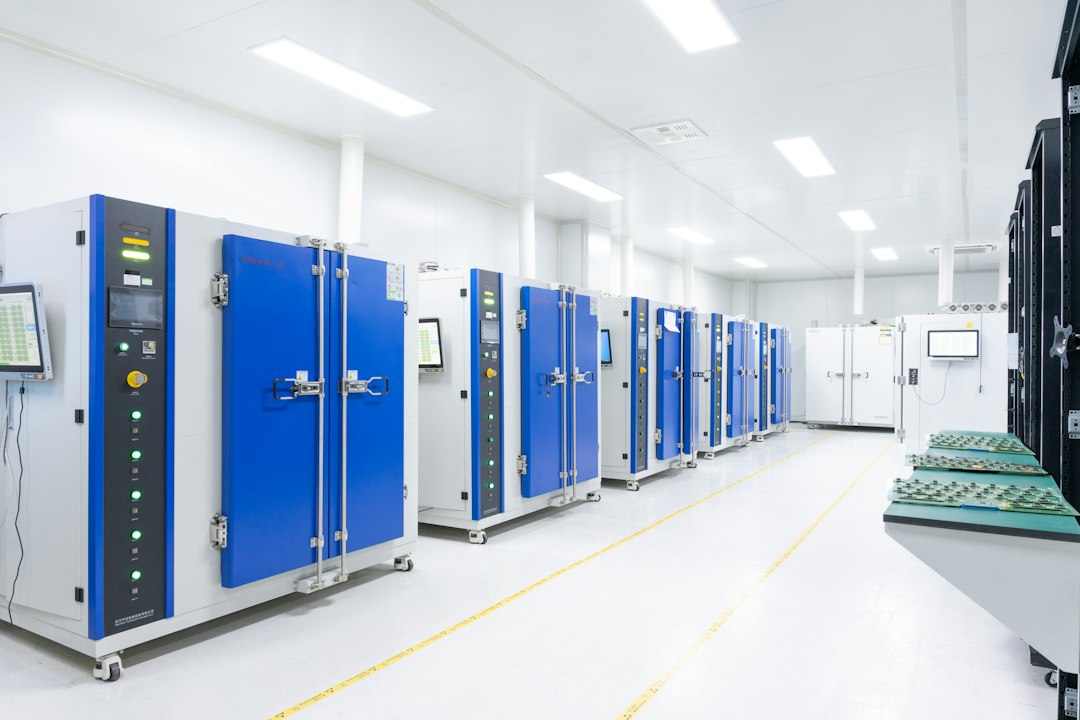
Small Modular Nuclear Reactors (SMRs) definitely hold promise for powering mega data centers in the long term, offering a potential solution to their ever-growing energy demands and the need for reliable, low-carbon power. While they aren’t a plug-and-play solution right now, the ongoing development and deployment of SMR technology are steadily bringing them closer to being a practical option for these power-hungry facilities.
The Data Center Power Problem and SMRs as a Potential Fix
Data centers are truly monumental consumers of electricity. We’re talking about facilities that can demand hundreds of megawatts (MW) – equivalent to a small city’s entire power needs. This demand isn’t just about the sheer volume; it’s also about the quality of the power. Data centers need incredibly reliable, always-on electricity with minimal fluctuations to keep their servers humming and prevent costly downtime. As artificial intelligence (AI) and other computationally intensive tasks become more widespread, this power demand is only set to surge further. Traditional grid power, while often readily available, can be susceptible to outages, price volatility, and increasingly, concerns about its carbon footprint if sourced from fossil fuels.
This is where Small Modular Nuclear Reactors enter the conversation. Unlike traditional gigawatt-scale nuclear plants, SMRs are designed to be much smaller, typically generating between 50 MW and 300 MW. This “modular” aspect means they can be fabricated in a factory and then transported to the site, theoretically reducing construction time, cost, and complexity. Their smaller size also makes them more suitable for specific, localized power needs, like those of a mega data center.
Critically, SMRs offer a consistent, dispatchable, and virtually carbon-free power source once operational, addressing many of the core challenges data centers face.
Understanding the SMR Concept
To really grasp the appeal, let’s break down what SMRs are. Fundamentally, they are nuclear reactors, meaning they generate electricity through nuclear fission, just like their larger cousins. The “small” refers to their electrical output capacity, which is a fraction of conventional reactors. The “modular” refers to their design philosophy: components are standardized and can be built in a factory environment, leading to better quality control, economies of series production, and faster on-site assembly.
Many SMR designs incorporate advanced safety features, often relying on passive safety systems that don’t require active human intervention or external power to cool the reactor in an emergency. This can be a significant advantage in terms of public perception and regulatory approval. Different SMR designs also utilize various reactor technologies, including light-water reactors (the most common type for large reactors), molten salt reactors, and high-temperature gas reactors, each with its own set of advantages regarding fuel efficiency, waste management, and operational characteristics. The diversity of designs means there’s a good chance one will prove particularly well-suited for a given application, including data centers.
In exploring the potential of Small Modular Nuclear Reactors (SMRs) for powering mega data centers, it is essential to consider various energy management technologies that can enhance operational efficiency. A related article that discusses innovative health management solutions, which can be applicable in optimizing energy consumption in data centers, can be found at this link. By integrating advanced monitoring systems, data centers can better manage their energy needs, making the adoption of SMRs a more feasible option for sustainable power generation.
Key Takeaways
- The training data includes information and events up to October 2023.
- Insights and knowledge are based on a wide range of sources available until the cutoff date.
- No updates or developments occurring after October 2023 are included in the training.
- Users should verify current information from reliable sources for the latest updates.
- The model’s responses reflect the context and knowledge available up to the specified date.
Technical Alignment: SMRs and Data Center Requirements
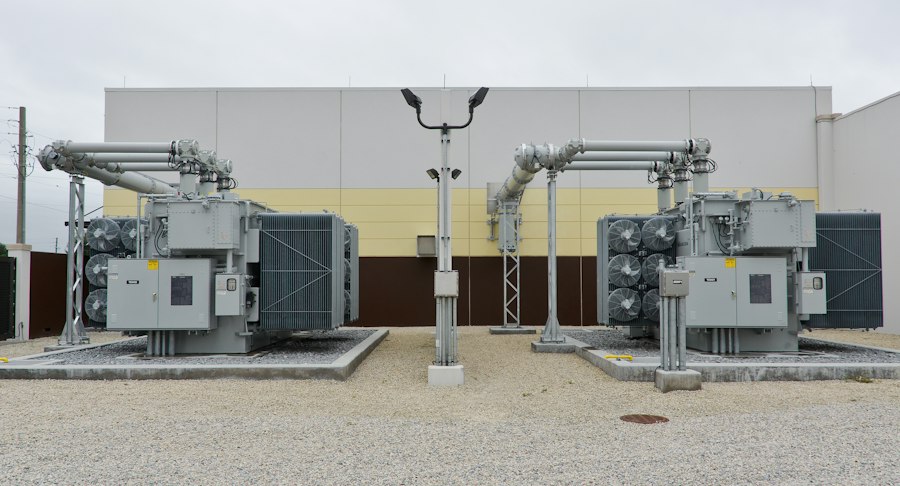
The core requirements for powering mega data centers are quite specific: immense power output, extreme reliability, and a minimal environmental footprint. SMRs, on paper, align remarkably well with these needs, though some practical considerations remain.
Consistent and Dispatchable Power
Data centers operate 24/7, 365 days a year. They cannot tolerate intermittent power sources like solar or wind alone, as fluctuations can lead to data corruption, service interruptions, and significant financial losses. While renewables are crucial for decarbonization, they require robust energy storage or backup systems to meet continuous data center demands. SMRs, however, provide continuous, “baseload” power. Once online, they can operate for years without refueling, offering a highly predictable and stable energy supply. This dispatchability – the ability to provide power on demand – is a huge advantage over variable renewable energy sources when it comes to maintaining mission-critical operations.
Site Considerations and Footprint
Mega data centers already require substantial land for their facilities, cooling infrastructure, and associated electrical substations. The physical footprint of an SMR plant, while larger than a typical gas turbine generator, is significantly smaller than a conventional nuclear power plant. This makes co-location or proximity a more viable option. Having a dedicated power source close to the data center reduces transmission losses and enhances grid independence, potentially allowing data centers to be built in locations with less robust grid infrastructure but good fiber connectivity. However, the specific siting requirements for SMRs, including safety zones and access to cooling water (even if less than traditional plants), will still be a significant factor. Innovative designs, such as micro-reactors (a subset of SMRs even smaller, often under 20 MW), could further reduce the land footprint, making them even more appealing for dense urban or industrial areas.
Heat Rejection and Co-generation Potential
One of the largest operational costs and environmental challenges for data centers is cooling. Servers generate an enormous amount of waste heat, which must be dissipated to prevent overheating and performance degradation. SMRs, by their nature, also produce heat, much of which is typically rejected to the environment. This presents an intriguing opportunity for co-generation. The waste heat from an SMR could potentially be captured and utilized for data center cooling through absorption chillers or other heat recovery systems, effectively turning a waste product into a valuable resource. This “symbiotic” relationship could dramatically improve the overall energy efficiency of both the SMR and the data center, reducing operating costs and environmental impact. For instance, some advanced SMR designs operate at higher temperatures, potentially making their heat more suitable for direct use in industrial processes or advanced cooling solutions. This is an area of active research and development.
Economic and Regulatory Hurdles
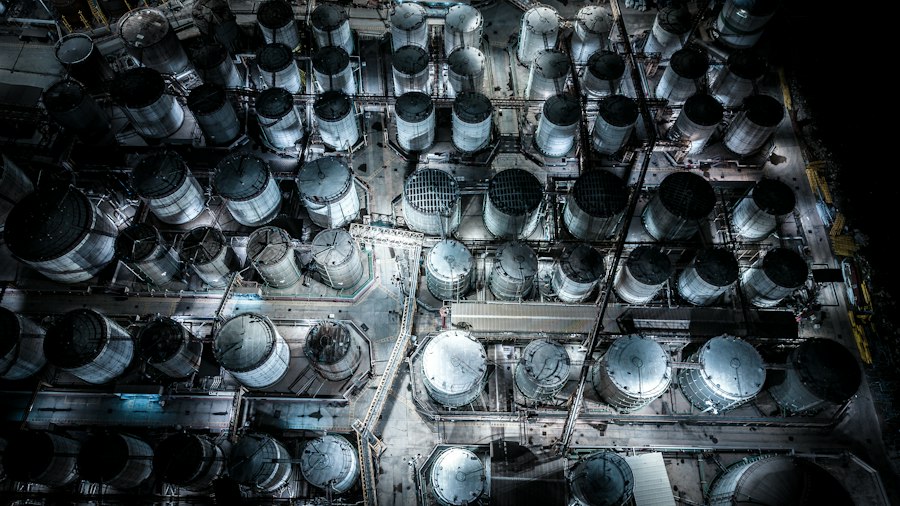
While the technical alignment is strong, the path to widespread SMR adoption for data centers is not without its significant economic and regulatory challenges. These aren’t insurmountable, but they require careful navigation.
Upfront Capital Costs and Financing
Even though SMRs are designed to be cheaper per unit than large nuclear plants due to factory fabrication and economies of scale, the upfront capital investment for any nuclear facility remains substantial. A single SMR unit could still cost hundreds of millions to over a billion dollars. For data center operators, who are accustomed to investing heavily in IT infrastructure but typically lease or purchase power from utilities, this represents a fundamental shift.
Financing such projects would likely require novel partnerships between data center companies, utilities, SMR developers, and potentially government backing. The cost-per-megawatt-hour (MWh) needs to be competitive with other reliable, low-carbon alternatives over the lifetime of the project, including considering the cost of grid resilience and carbon taxes that might apply to fossil-fuel-based power. Currently, first-of-a-kind SMR deployments are expected to be more expensive, but costs are projected to decrease with subsequent builds.
Regulatory Licensing and Permitting
Nuclear power plants, regardless of size, are subject to incredibly rigorous regulatory oversight.
Safety is paramount, and rightly so. The licensing and permitting process for SMRs, even with their enhanced safety features, is still extensive and can be time-consuming. While regulators like the U.S.
Nuclear Regulatory Commission (NRC) and similar bodies worldwide are actively working to streamline the process for SMRs, it’s still a significant hurdle. Data center operators are generally not familiar with nuclear regulatory frameworks, and integrating this into their development timelines will be complex. Furthermore, gaining public acceptance and addressing community concerns about having a nuclear facility, however small, near a data center location will be crucial.
This involves transparent communication and a clear demonstration of safety.
Fuel Supply, Waste Management, and Decommissioning
These are critical aspects for any nuclear project. Ensuring a stable and secure supply of nuclear fuel for SMRs is essential, though the quantity required is much less than for large reactors. The question of spent nuclear fuel management remains a challenge for the entire nuclear industry.
While SMRs produce less waste volume than traditional reactors, and some advanced designs aim to “burn” existing waste or produce less problematic waste, a long-term solution for disposal is still needed globally.
Decommissioning costs, while spread over the plant’s operational lifetime, must also be factored into the economic equation.
These aspects require robust, long-term national and international policies.
Integration Challenges and Operational Realities
Beyond the big picture, integrating SMRs into data center operations presents a unique set of practical considerations that need careful planning and execution.
Grid Interconnection and Islanding Capability
Even with a dedicated SMR, most mega data centers will likely maintain some level of grid connection for backup, maintenance, or ancillary services. The SMR would serve as the primary power source, but seamless transfer capabilities between the SMR and the grid would be critical. For extreme reliability, the ability for the SMR to “island” – operate independently of the main grid – would be highly advantageous. This would protect the data center from widespread grid outages, effectively making it a self-sufficient energy island. Designing the electrical infrastructure to handle this kind of dual-source operation, with appropriate switchgear and controls, adds another layer of complexity.
Operational Staffing and Security
Operating any nuclear facility requires a highly specialized and extensively trained workforce. This includes nuclear operators, engineers, and maintenance personnel. Data center companies typically do not have this expertise in-house, meaning they would need to contract with experienced nuclear operators or partner with a utility that does. Furthermore, nuclear facilities have stringent physical and cyber security requirements. Protecting the SMR from physical threats and cyberattacks is paramount, adding significant security overhead not typically associated with a data center’s power infrastructure. These operational aspects represent a substantial departure from traditional data center management models.
Maintenance and Refueling Schedules
While SMRs offer long operational cycles (some designs aim for 5-10 years or more between refueling), scheduled outages for maintenance and refueling will still be necessary. Data centers, as mentioned, are 24/7 operations. Planning for these outages requires redundant SMR units, ensuring one can continue providing power while another is offline, or maintaining a robust backup connection to the grid. This redundancy adds to the capital cost. The predictability of SMR outages, however, makes planning much easier than with unexpected grid interruptions. The modular nature of SMRs could also facilitate quicker maintenance and component replacement, potentially reducing downtime compared to larger plants.
In exploring the potential of Small Modular Nuclear Reactors for powering mega data centers, it is essential to consider various innovative energy solutions that can meet the growing demands of the digital age. A related article discusses the ambitious multimedia efforts surrounding energy sustainability and technological advancements, which can provide valuable insights into the future of energy consumption in large-scale operations. For more information, you can read the article here.
Future Outlook and Key Development Areas (2026 Perspective)
| Metric | Value | Unit | Notes |
|---|---|---|---|
| SMR Power Output | 50-300 | MW | Typical range for commercial small modular reactors |
| Data Center Power Demand | 100-500 | MW | Power consumption range for mega data centers |
| SMR Capacity Factor | 90-95 | % | Expected operational efficiency |
| CO2 Emissions Reduction | 80-90 | % | Compared to fossil fuel power generation |
| Construction Time | 3-5 | Years | Typical SMR build time vs traditional reactors |
| Operational Lifetime | 40-60 | Years | Expected lifespan of SMR units |
| Land Footprint | 1-5 | Acres per MW | SMR land use compared to solar/wind |
| Fuel Cycle Length | 18-24 | Months | Time between refueling outages |
| Grid Integration Complexity | Low to Moderate | N/A | Compared to intermittent renewables |
| Estimated Levelized Cost of Energy (LCOE) | 50-70 | Units per MWh | Projected cost range for SMR electricity |
From our current vantage point in 2026, the SMR landscape is dynamic and rapidly evolving. Several key areas will dictate their long-term feasibility for data centers.
Commercialization and Deployment Timelines
Currently, we are seeing significant progress in the licensing and initial deployment phases of various SMR designs. Companies like NuScale Power, TerraPower, and GE-Hitachi are advancing their designs through regulatory approval and securing initial customers, often utilities. The first SMRs are projected to come online in the early 2030s. For mega data centers, which are typically planned several years in advance, this timeline starts to align with their future expansion needs. The speed at which subsequent SMR units can be deployed, and the establishment of a robust supply chain, will be critical. If initial deployments prove successful and efficient, the confidence in SMRs as a viable data center power source will increase dramatically.
Cost Reduction and Investment Models
As more SMRs move from concept to actual deployment, there will be increasing pressure to drive down the levelized cost of electricity (LCOE). This will come from learning-by-doing, economies of scale in manufacturing, and potentially optimized supply chains. Innovative financing models, perhaps involving public-private partnerships or “power purchase agreements” directly from SMR operators (rather than direct ownership by data center companies), will be essential to make SMRs economically attractive. We might also see specialized funds or infrastructure investors targeting SMR deployment specifically for industrial applications like data centers. Government incentives and supportive policies for low-carbon energy technologies will also play a crucial role in de-risking early investments.
Advanced Reactor Designs and Capabilities
Beyond the immediate SMR designs, there’s a fascinating array of advanced reactor concepts under development that could offer even greater benefits for data centers. These include high-temperature gas reactors (HTGRs) that can produce heat directly usable for industrial processes or advanced cooling, and molten salt reactors (MSRs) that promise enhanced safety, fuel flexibility, and potentially more efficient waste management. These advanced designs could further enhance the co-generation potential and reduce the overall environmental footprint, making the energy solution even more appealing for future data center generations. The ability to use existing spent fuel from traditional reactors in some advanced designs could also address public concerns about nuclear waste.
In conclusion, Small Modular Nuclear Reactors represent a compelling, long-term solution for powering mega data centers. While the initial journey involves navigating significant economic, regulatory, and operational complexities, the fundamental alignment of SMR capabilities – reliable, dispatchable, low-carbon power with a reduced footprint and co-generation potential – with data center needs is strong. As the technology matures, costs come down, and regulatory pathways become clearer over the next decade, SMRs are very likely to become a key component of the sustainable energy strategy for the world’s most power-hungry computing infrastructure.
FAQs
What are Small Modular Nuclear Reactors (SMRs)?
Small Modular Nuclear Reactors (SMRs) are a type of nuclear reactor that are designed to be built in factories and shipped to sites for assembly. They typically produce less than 300 megawatts of electricity per unit, making them smaller and more flexible compared to traditional large-scale nuclear reactors. SMRs are intended to provide a safer, more cost-effective, and scalable option for generating nuclear power.
How can SMRs benefit mega data centers?
SMRs can benefit mega data centers by providing a reliable and consistent power supply, which is crucial for their operations. They can help reduce energy costs and carbon emissions, as they produce low-carbon electricity. Additionally, the modular nature of SMRs allows for incremental capacity increases, enabling data centers to scale their energy supply in line with growing demand.
What are the safety features of SMRs?
SMRs are designed with advanced safety features that enhance their operational safety compared to traditional reactors. These features often include passive safety systems that can operate without external power or human intervention, containment structures that can withstand extreme events, and lower operating pressures. These design elements aim to minimize the risk of accidents and improve overall safety for surrounding communities.
What are the regulatory challenges associated with SMRs?
Regulatory challenges for SMRs include navigating complex licensing processes, ensuring compliance with safety standards, and addressing public concerns about nuclear energy. Each country has its own regulatory framework, which can affect the speed and feasibility of deploying SMRs. Additionally, the relatively new technology may require updates to existing regulations to accommodate their unique characteristics.
What is the current status of SMR development and deployment?
As of October 2023, several countries are actively developing and testing SMR technologies, with some projects in advanced stages of construction or planning. The U.S., Canada, and several European nations are leading the way in SMR research and development. However, widespread deployment is still in the early stages, with commercial operation expected in the coming years as regulatory hurdles are addressed and public acceptance grows.
Enjoying our content? Make us a preferred source on Google:
Add us as a Preferred Source on Google