

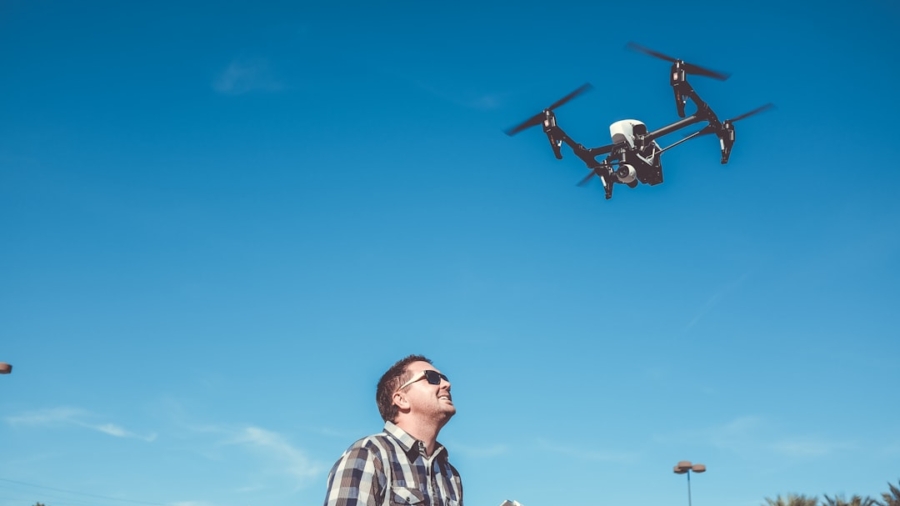
Securing your enterprise perimeter just got a whole lot smarter, and it probably involves AI-powered drones. If you’re wondering how this technology can actually bolster your security, the short answer is: by providing continuous, intelligent, and proactive surveillance that human patrols simply can’t match. Forget the sci-fi imagery; we’re talking about practical tools that can detect anomalies, identify threats, and alert your security teams faster and more effectively.
The Shifting Landscape of Enterprise Security
The traditional way of securing large industrial sites, sprawling campuses, or even remote infrastructure often relied heavily on static guard posts and scheduled human patrols. While these methods have served their purpose, they come with inherent limitations. Human patrolling is inherently intermittent – there are always blind spots between patrols. Moreover, human fatigue, environmental factors (like bad weather) and the sheer scale of some perimeters make it incredibly difficult to maintain constant vigilance.
In today’s world, threats are evolving. From sophisticated physical intrusions and sabotage to the simple need for efficient monitoring of vast areas, relying solely on traditional methods leaves enterprises vulnerable. The need for a more dynamic, efficient, and intelligent approach to perimeter security has never been greater. This is where AI-driven drone patrols step in, offering a significant upgrade to how we safeguard our critical assets.
In the realm of innovative security solutions, the integration of AI-driven drone patrols is gaining traction for securing enterprise perimeters. A related article that explores the intersection of technology and consumer products is the review of smartwatches by Fossil in 2023, which highlights how advancements in wearable technology are influencing various industries. For more insights, you can read the article here: Fossil Smartwatches Review 2023.
Understanding AI-Driven Drone Patrols
At its core, an AI-driven drone patrol system is about leveraging automation and artificial intelligence to extend and enhance traditional security measures. It’s not just about sending a drone up for a quick fly-by; it’s about a coordinated and intelligent approach to monitoring.
What’s Inside the Drone?
The “AI-driven” aspect comes from the sophisticated sensors and software packed onto these aerial vehicles. Think high-resolution cameras, thermal imaging, and sometimes even specialized sensors for detecting specific environmental changes or activities.
Visual Surveillance
High-definition cameras are the most obvious component. These can capture detailed images and video, allowing security personnel to see exactly what’s happening on the ground. But it’s the AI that makes this data actionable.
Thermal Imaging for Detection
Thermal cameras detect heat signatures, making them invaluable for spotting individuals or vehicles in low-light conditions or even concealed by camouflage. This is particularly useful for identifying unauthorized presence in restricted areas.
Beyond Visuals: Specialized Sensors
Depending on the environment and security needs, drones can also be equipped with other sensors. This might include acoustic sensors to detect unusual sounds, or even gas detectors for sites with chemical hazards.
The Brains of the Operation: Artificial Intelligence
The real innovation lies in the AI algorithms that process the data collected by these sensors. This AI isn’t just passively recording; it’s actively analyzing.
Anomaly Detection
AI excels at identifying deviations from normal patterns. This could be anything from an object in an unexpected location to movement in an area that should be clear.
Object Recognition and Classification
The AI can be trained to recognize specific objects like vehicles, people, or even types of equipment. This allows for more targeted alerts and reduces false positives.
Behavior Analysis
More advanced AI can even analyze movement patterns to detect suspicious behavior, such as loitering or attempting to breach a fence.
How AI-Driven Drones Enhance Perimeter Security
The benefits of integrating AI-driven drone patrols into your security strategy are multifaceted. They provide capabilities that are difficult or impossible to achieve with purely human-based security.
Continuous and Comprehensive Coverage
One of the biggest limitations of traditional patrols is their intermittency. Drones can provide near-continuous aerial coverage, filling in the gaps and ensuring that no area is left unwatched for extended periods.
Scheduled Patrols
Drones can be programmed with predictable flight paths to cover key areas at regular intervals, mimicking traditional patrols but with greater efficiency and consistency.
On-Demand Surveillance
When an alert is triggered, drones can be quickly dispatched to the location for real-time visual confirmation and ongoing monitoring. This rapid response capability is crucial.
Wide-Area Monitoring
The aerial perspective allows drones to cover vast perimeters much faster and more efficiently than ground patrols, providing an overview that would be impossible from the ground.
Proactive Threat Identification
Instead of reacting to a breach after it happens, AI-driven drones can identify potential threats before they materialize into incidents. Early detection is key to preventing damage and loss.
Early Intrusion Detection
AI can identify individuals or vehicles approaching the perimeter, especially in areas where they shouldn’t be, allowing security to intercept them before they cross into critical zones.
Identifying Vulnerabilities
Drones can regularly survey the perimeter and identify potential entry points or physical weaknesses, such as damaged fencing or open gates, that might be exploited by intruders.
Monitoring Employee and Vehicle Activity
Beyond external threats, these drones can also monitor internal activity for adherence to security protocols and identify unauthorized access to sensitive areas.
Enhanced Response and Verification
When an alert is triggered, AI-driven drones can provide immediate, visual confirmation, dramatically speeding up response times and ensuring that security teams are dispatched effectively.
Rapid Visual Verification
Instead of relying on a guard’s report alone, security can see the situation for themselves through the drone’s live feed, confirming the nature and severity of the event.
Guiding Ground Teams
The drone can act as an aerial guide for ground security personnel, providing real-time situational awareness and directing them to the most critical areas.
Incident Documentation
The video and data captured by the drone serve as valuable evidence for post-incident analysis, training, and legal proceedings.
Implementing AI-Driven Drone Patrols: Practical Considerations
While the technology is powerful, successful implementation requires careful planning and consideration of various factors. It’s not a simply plug-and-play solution.
Defining Your Surveillance Needs
Before you even look at drone options, you need to understand what you’re trying to protect and what the biggest security risks are.
Site Assessment
Walk your perimeter, identify critical assets, and consider historical security incidents. What are the most likely ways someone might try to breach your security?
Identifying Key Surveillance Zones
Are there specific areas that require more frequent monitoring, such as entry points, sensitive equipment storage, or remote outbuildings?
Understanding Environmental Factors
Consider weather patterns, terrain, and any potential obstacles that might affect drone operations.
Choosing the Right Drone System
The market offers a range of drone platforms and AI capabilities. Selecting the right one depends on your specific needs.
Drone Platform Capabilities
Think about flight time, payload capacity (what sensors it can carry), weather resistance, and autonomous flight capabilities.
AI Software and Analytics
This is where the “intelligence” comes in. Look for AI tools that offer specific detection and analysis features relevant to your security concerns.
Integration with Existing Systems
Can the drone system integrate with your current security management software, alarm systems, or CCTV networks? This is crucial for a cohesive security operation.
Operational Deployment and Management
Once you have the hardware and software, you need a clear plan for how the drones will be used operationally.
Flight Planning and Automation
Utilize software to create efficient flight paths for routine patrols and for rapid deployment during alerts.
Data Management and Storage
How will the vast amounts of data collected by the drones be stored, reviewed, and analyzed? Consider secure cloud storage or on-premise solutions.
Training and Personnel Requirements
Who will operate the drones? What training will they need for flight operations, data analysis, and responding to AI-generated alerts?
Regulatory Compliance
Ensure you are aware of and comply with all local, national, and international regulations regarding drone operation, including airspace restrictions and privacy laws.
In the evolving landscape of security technology, the integration of AI-driven drone patrols is becoming increasingly vital for safeguarding enterprise perimeters. A related article discusses the potential of affiliate marketing strategies on platforms like Instagram, which can be leveraged to promote innovative security solutions.
For more insights on this topic, you can explore the article on the best niche for affiliate marketing in Instagram
5G Innovations (13) Wireless Communication Trends (13) Article (343) Augmented Reality & Virtual Reality (908)
- Metaverse (269)
- Virtual Workplaces (35)
- VR & AR Games (34)
Cybersecurity & Tech Ethics (811)
- Cyber Threats & Solutions (3)
- Ethics in AI (33)
- Privacy Protection (32)
Drones, Robotics & Automation (491)
- Automation in Industry (33)
- Consumer Drones (33)
- Industrial Robotics (33)
EdTech & Educational Innovations (349)
- EdTech Tools (18)
- Online Learning Platforms (4)
- Virtual Classrooms (34)
Emerging Technologies (2,011) FinTech & Digital Finance (454) Frontpage Article (1) Gaming & Interactive Entertainment (388) Health & Biotech Innovations (722)
- AI in Healthcare (3)
- Biotech Trends (4)
- Wearable Health Devices (512)
News (97) Reviews (129) Smart Home & IoT (452)
- Connected Devices (3)
- Home Automation (4)
- Robotics for Home (33)
- SmartPhone (48)
Space & Aerospace Technologies (350)
- Aerospace Innovations (4)
- Commercial Spaceflight (3)
- Space Exploration (62)
Sustainable Technology (792) Tech Careers & Jobs (345) Tech Guides & Tutorials (1,159)
- DIY Tech Projects (3)
- Getting Started with Tech (60)
- Laptop & PC (58)
- Productivity & Everyday Tech Tips (330)
- Social Media (64)
- Software (327)
- Software How-to (3)
Uncategorized (146)