

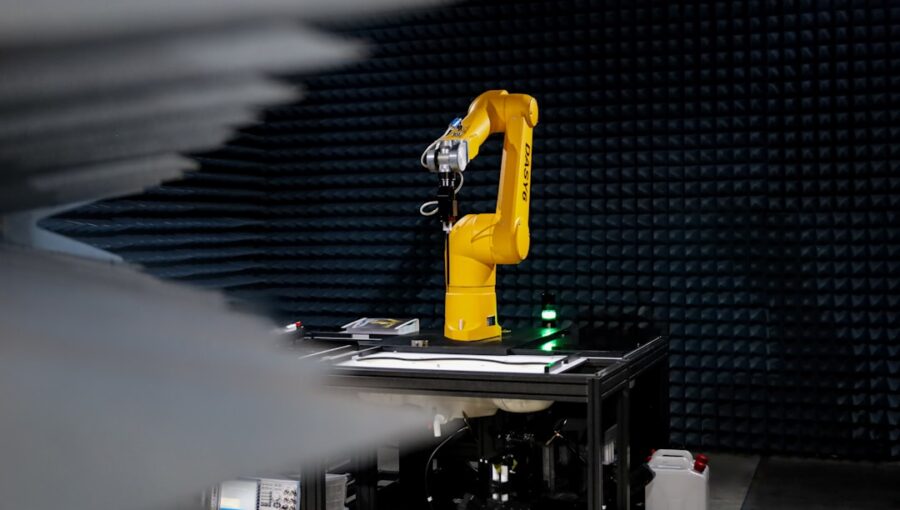
When it comes to robotic grippers in packaging, the choice often boils down to two main players: soft robotics and traditional pneumatics. The short answer? While traditional pneumatic grippers have been the workhorses for a long time, soft robotics is increasingly stepping up, especially for delicate, irregular, or varied products. It’s not a simple case of one being definitively better; it’s about choosing the right tool for the job.
Before we dive into the pros and cons, let’s briefly touch on what these grippers actually do and how they achieve it. Both are designed to pick up, move, and place items, but their underlying mechanisms are quite different.
Traditional Pneumatic Grippers
These grippers rely on compressed air (pneumatics) to actuate their “jaws.” Think of them like a pair of pliers on an automated arm.
- Piston-driven Action: Air pressure pushes a piston, which in turn moves mechanical linkages to open and close the gripper fingers.
- Common Finger Designs: These often include two or three rigid fingers, sometimes with custom inserts for specific product shapes.
- On/Off Control: Typically, they’re either fully open or fully closed, though some more advanced models offer intermediate positions.
Soft Robotic Grippers
These are a newer breed, taking inspiration from biology. Instead of rigid parts, they use deformable materials that can conform to an object’s shape.
- Compliant Materials: Made from silicone, rubber, or other elastomers, these grippers are inherently flexible.
- Air or Fluid Actuation: Similar to pneumatics, air or fluid pressure is often used to inflate internal chambers, causing the gripper to flex and wrap around an object.
- Conformity and Encapsulation: Their key feature is the ability to adapt to irregular shapes, providing a gentle, encompassing grip.
In the ongoing debate between soft robotics and traditional pneumatic systems in packaging, a related article that delves into the nuances of robotic gripper technology can be found at