

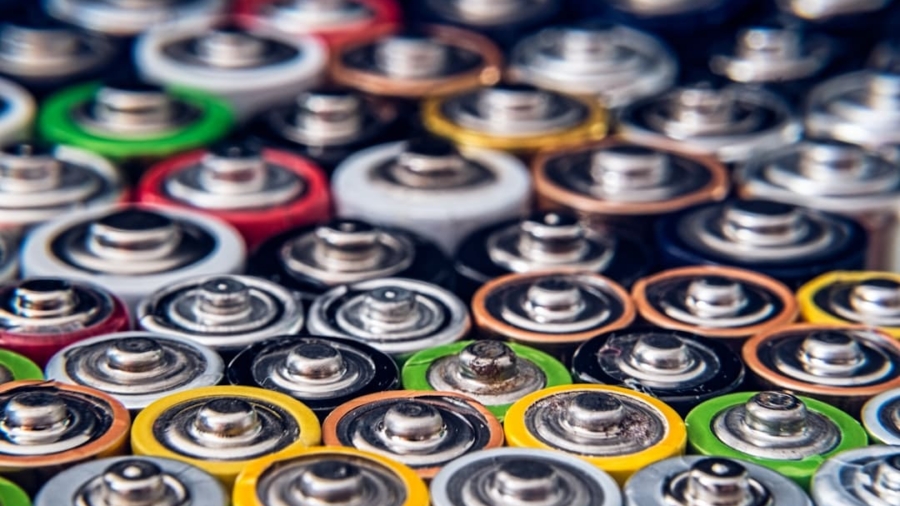
Got an electric vehicle (EV) and wondering what happens to its big, heavy battery when it’s time for a replacement? It’s a really common question, and thankfully, the answer is becoming increasingly positive. While recycling EV batteries is still a developing field, it’s no longer a “what if” scenario. It’s happening now, and it’s crucial for both environmental sustainability and resource recovery. We’re learning how to extract valuable materials like lithium, cobalt, nickel, and copper, giving them a second life and reducing the need to mine for new ones.
We’re seeing more and more electric cars on the road, and that’s fantastic for the environment, cutting down on tailpipe emissions. But these cars have a significant component: the battery. These batteries are packed with valuable and sometimes rare materials. Simply discarding them when they reach their end-of-life wouldn’t be a smart move, environmentally or economically.
The Environmental Imperative
Think about where the raw materials for these batteries come from. Mining for lithium, cobalt, and nickel can have significant environmental impacts, from habitat disruption to water usage. By recycling, we can divert these materials from landfills, preventing potential soil and water contamination. It’s about closing the loop and minimizing our footprint.
Resource Depletion Concerns
The Earth’s supply of certain metals is finite. As demand for EVs and other technologies grows, so does the demand for these critical materials. Recycling provides a vital alternative source, helping to conserve these precious natural resources for future generations. This isn’t just about convenience; it’s about long-term resource security.
Reducing Greenhouse Gas Emissions
The extraction and processing of virgin materials are energy-intensive processes that contribute to greenhouse gas emissions. Recycling, when done efficiently, generally requires less energy than primary production, leading to a lower carbon footprint. This is especially important in the context of electrifying transportation, where the goal is to reduce overall emissions.
The Economic Upside
Beyond the environmental benefits, there’s a strong economic case for EV battery recycling. These batteries are essentially treasure troves of valuable metals.
Recovering Valuable Materials
The materials inside EV batteries – lithium, cobalt, nickel, graphite, and copper – are all valuable commodities. Recycling processes are designed to extract these materials with high purity, making them ready for use in new batteries or other industrial applications. This creates a circular economy and reduces reliance on expensive and sometimes geopolitically sensitive mining operations.
Creating New Industries and Jobs
The growing need for battery recycling is spurring the development of new recycling facilities, logistics networks, and research into more efficient recovery technologies. This, in turn, creates new jobs and economic opportunities in a rapidly evolving sector. It’s a positive cycle of innovation and growth.
Recycling lithium batteries from electric vehicles is becoming increasingly important as the demand for sustainable energy solutions grows. A related article that delves into the broader implications of battery recycling and its impact on the environment can be found at Exploring the Features of the Samsung Galaxy Book Odyssey. This piece highlights the technological advancements that support eco-friendly practices, including the recycling of materials used in electric vehicle batteries, which is crucial for reducing waste and conserving resources.
Key Takeaways
- Clear communication is essential for effective teamwork
- Active listening is crucial for understanding team members’ perspectives
- Setting clear goals and expectations helps to keep the team focused
- Regular feedback and open communication can help address any issues early on
- Celebrating achievements and milestones can boost team morale and motivation
The Recycling Process: How It Works
So, how do we actually get those valuable materials out of a dead EV battery? It’s a multi-step process that’s constantly being refined for efficiency and safety. Broadly, there are two main approaches: hydrometallurgy and pyrometallurgy, though many modern facilities use a combination of both.
Dismantling the Battery Pack
This is the first crucial step. EV battery packs are complex assemblies. Skilled technicians carefully disassemble them to isolate the battery modules and then the individual battery cells. This needs to be done with extreme care due to the high voltage and potential for stored energy, even in a “dead” battery.
Safety First: Handling High-Voltage Systems
Working with EV batteries is not a DIY project. Specialized training and equipment are essential to prevent electrical hazards, thermal runaway (where a battery overheats uncontrollably), and exposure to potentially hazardous chemicals. Certified recycling facilities have stringent safety protocols in place.
Sorting and Pre-treatment
Once the cells are removed, they are often sorted based on their chemistry (e.g., NMC, LFP, LMO). Depending on the recycling method, they might undergo further pre-treatment, like shredding or drying, to prepare them for the main extraction processes.
Hydrometallurgy: The Chemical Clean-Up
Hydrometallurgy uses aqueous solutions (water-based chemicals) to dissolve and selectively extract valuable metals from the battery materials. It’s often considered a more environmentally friendly approach as it typically operates at lower temperatures and can achieve high purity levels.
Leaching the Metals
In this stage, crushed battery materials are mixed with chemical solutions (acids or bases) that selectively dissolve the desired metals. Think of it like using a specific solvent to pull out only the target ingredients from a mixture. Different metals dissolve under different conditions, allowing for separation.
Solvent Extraction and Precipitation
After leaching, the dissolved metals are further processed. Solvent extraction uses organic solvents to selectively extract specific metal ions from the solution. Then, through processes like precipitation, the metals are converted back into solid forms, such as metal salts or oxides, which can then be refined.
Advantages of Hydrometallurgy
This method generally has lower energy requirements compared to high-temperature processes. It’s also known for its ability to recover a wider range of metals with high purity, making the recovered materials readily usable in new battery production. This is a key factor in achieving a truly circular economy.
Pyrometallurgy: The High-Heat Approach
Pyrometallurgy involves using high temperatures to process the battery materials. While it can be energy-intensive, it’s often effective at recovering a significant portion of the valuable metals, particularly nickel and cobalt, and also handles the plastic and aluminum components.
Smelting and Alloying
In pyrometallurgical processes, the battery materials are melted down in furnaces at very high temperatures. During this process, certain metals form alloys (mixtures of metals), making them easier to separate. The high heat also helps to remove organic materials and other impurities.
Refining the Metals
The molten metal alloys then undergo further refining processes to separate individual metals and achieve the desired purity. This can involve electrolysis or other chemical treatments to isolate specific elements like cobalt, nickel, and copper.
Pros and Cons of Pyrometallurgy
A benefit of pyrometallurgy is its ability to handle a mixed stream of battery materials and recover valuable metals robustly. However, it can be more energy-intensive and may not achieve the same level of purity for all materials as hydrometallurgy. It also produces greenhouse gases, though newer technologies are working to mitigate this.
Direct Recycling and Mechanical Separation
Some companies are exploring even more innovative approaches that aim to simplify the process and recover materials more directly.
Mechanical Separation Techniques
These methods often involve shredding the battery cells and then using physical processes like magnets, screens, and density separation to sort the different components (metals, plastics, etc.). This can be a preliminary step before further chemical processing.
Direct Reuse of Components
The holy grail for some is direct recycling, where intact battery components or cathode active materials are refurbished or reused without extensive chemical breakdown. This is a more challenging but potentially very energy-efficient approach.
What Happens to the Recovered Materials?

Once those metals are extracted and purified, they don’t just sit around. They’re fed back into the manufacturing pipeline, creating a closed-loop system.
Back into New Batteries
This is the primary goal and the most impactful use of recycled EV battery materials. The recovered lithium, cobalt, nickel, and graphite can be used to produce new battery cathode and anode materials.
Creating Second-Life Batteries
Before full recycling, many EV batteries can have a “second life” in stationary energy storage applications.
Think of large battery banks that store solar or wind energy for homes or businesses. This extends the useful life of the battery significantly.
Manufacturing New Battery Components
The purified metals are processed into precursor materials for battery cathodes and anodes. This reduces the reliance on newly mined resources, which is critical for scaling up battery production to meet EV demand.
Other Industrial Applications
It’s not just about batteries.
The recovered metals have value in many other industries.
Steel and Aluminum Production
The casings and other components of EV batteries often contain steel and aluminum.
These can be melted down and recycled with other scrap metal, feeding into the production of new vehicles, construction materials, or other manufactured goods.
Other Metal Industries
Copper, for instance, is a highly recyclable metal used in wiring, electronics, and many other applications. The recovered copper from EV batteries can be readily reintegrated into these supply chains.
The Challenges and the Future of EV Battery Recycling

Despite the progress, EV battery recycling isn’t without its hurdles. The industry is still maturing, and continuous innovation is key.
Scaling Up Recycling Infrastructure
The current infrastructure for EV battery recycling is still relatively nascent, especially when compared to the projected growth of EVs. We need more recycling facilities globally to handle the increasing volume of end-of-life batteries.
Global Capacity and Logistics
Transporting large, heavy, and potentially hazardous battery packs from where EVs are retired to specialized recycling facilities presents logistical challenges.
Developing efficient and safe transportation networks is crucial.
Improving Recycling Efficiency and Economics
While recovering valuable metals is the goal, making the process economically viable for all stakeholders is an ongoing effort.
Reducing Costs of Recycling Processes
The cost of recycling needs to be competitive with the cost of extracting virgin materials. Research and development are focused on improving the efficiency of chemical processes, reducing energy consumption, and minimizing waste.
Designing for Recyclability
Battery manufacturers are increasingly considering “design for recycling” principles. This means designing battery packs in a way that makes them easier and safer to disassemble and process at the end of their life.
Technical Hurdles and Research
Even with established methods, there are always technical challenges to overcome.
Handling Different Battery Chemistries
EVs use a variety of battery chemistries, and each might require slightly different recycling approaches. Developing flexible and adaptable recycling technologies is important.
Extracting Lithium Efficiently
Lithium is a key component, but it can be challenging to recover with high efficiency and purity. Advanced methods for lithium extraction are a major area of research.
Dealing with Hazardous Materials
While efforts are made to recover valuable components, batteries also contain electrolytes and other materials that need to be safely managed and disposed of.
Recycling lithium batteries from electric vehicles is becoming increasingly important as the demand for sustainable energy solutions grows. A recent article discusses the best practices for recycling these batteries and highlights the environmental benefits associated with proper disposal methods. For more insights on related technologies and innovations, you can check out this informative piece on Lenovo laptops, which also emphasizes the significance of eco-friendly practices in the tech industry.
What You Can Do: Responsible Disposal of Your EV Battery
| Metrics | Data |
|---|---|
| Number of lithium batteries recycled annually | 10,000 |
| Percentage of lithium battery material that is recyclable | 95% |
| Amount of cobalt recovered from recycled lithium batteries | 500 kg |
| Energy saved from recycling lithium batteries | 50,000 kWh |
As an EV owner, you have a role to play in ensuring your battery is handled responsibly.
Working with Your Dealership or Manufacturer
When your EV battery reaches the end of its life, the most straightforward and responsible approach is to work with your vehicle’s manufacturer or an authorized dealership.
Manufacturer Take-Back Programs
Most major EV manufacturers have established or are developing take-back programs for their batteries. They have partnerships with specialized recyclers and can ensure proper handling.
Authorized Service Centers
Your car dealership’s service center will be equipped to handle end-of-life battery removal and will know the correct disposal or recycling channels. They are your first point of contact.
Understanding Battery Lifespans and Second Lives
It’s worth noting that EV batteries are designed to last a long time, often for the lifetime of the vehicle.
Warranty Periods and Degradation
EV batteries typically come with long warranties, covering a significant number of years or miles. Performance degradation is gradual, and many batteries retain a substantial portion of their capacity for years after leaving the showroom.
Second-Life Applications
As mentioned, many batteries that no longer meet the stringent requirements for automotive use can still be repurposed for less demanding applications, like home energy storage. This significantly extends their usable life before needing to be fully recycled.
The Importance of Certified Recyclers
Not all recycling operations are created equal. It’s important that your battery ends up with facilities that adhere to environmental and safety standards.
Environmental Regulations and Standards
Reputable recyclers operate under strict environmental regulations to ensure that the process is safe and that any byproducts are managed correctly.
Traceability and Transparency
Having a transparent and traceable recycling process provides assurance that your battery is being handled ethically and efficiently, and that the recovered materials are entering responsible supply chains.
The world of EV battery recycling is dynamic and exciting. It’s a vital part of building a truly sustainable transportation future, turning what was once considered waste into valuable resources. As EV adoption continues to soar, so too will the importance of these recycling efforts.
FAQs
What are lithium batteries used for in electric vehicles?
Lithium batteries are used in electric vehicles to store and provide power for the vehicle’s electric motor. They are essential for the operation of electric vehicles and are a key component of their powertrain.
Why is it important to recycle lithium batteries from electric vehicles?
Recycling lithium batteries from electric vehicles is important for several reasons. It helps to recover valuable materials such as lithium, cobalt, and nickel, reduces the environmental impact of battery disposal, and conserves natural resources.
How are lithium batteries from electric vehicles recycled?
Lithium batteries from electric vehicles are typically recycled through a process that involves sorting, shredding, and separating the different components of the battery. The recovered materials can then be used to manufacture new batteries or other products.
What are the environmental benefits of recycling lithium batteries from electric vehicles?
Recycling lithium batteries from electric vehicles helps to reduce the environmental impact of battery disposal by preventing the release of harmful chemicals and reducing the need for new raw materials. It also helps to conserve natural resources and reduce energy consumption.
Are there any challenges or limitations to recycling lithium batteries from electric vehicles?
Challenges and limitations to recycling lithium batteries from electric vehicles include the high cost of recycling, the complexity of the process, and the need for proper infrastructure and regulations to ensure safe and efficient recycling practices.
Enjoying our content? Make us a preferred source on Google:
Add us as a Preferred Source on Google