

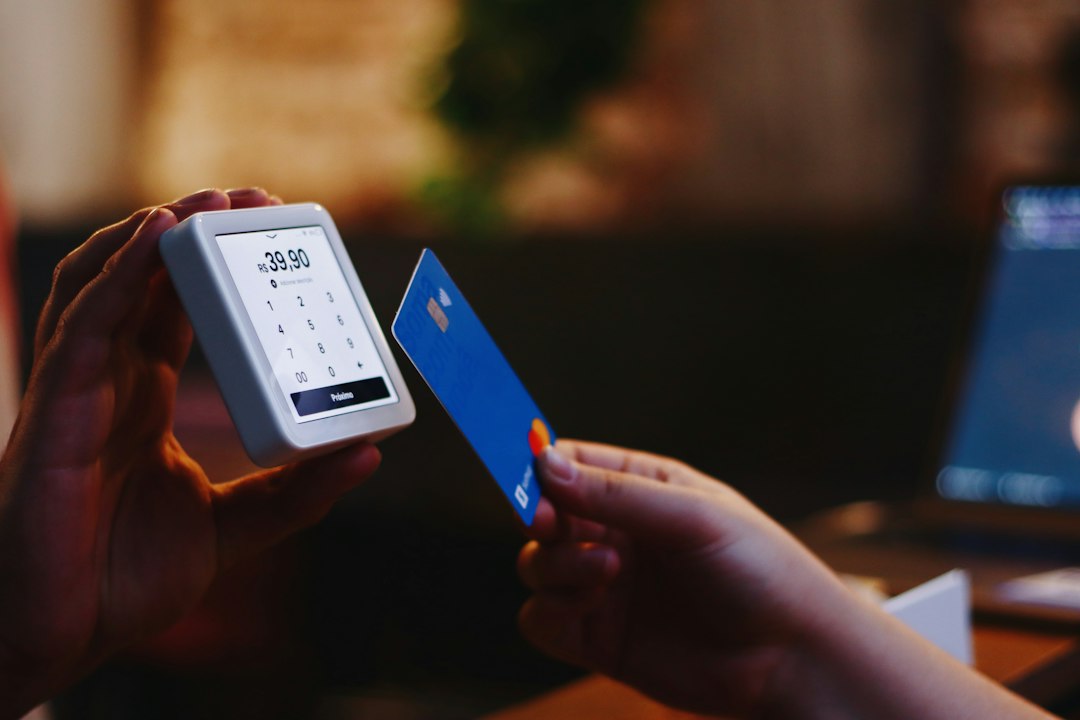
Real-time cross-border payments are becoming a real possibility thanks to the combination of the ISO 20022 messaging standard and modern core banking systems. This isn’t just a fancy idea; it means money can move between countries much faster and more transparently than ever before, cutting down on delays, costs, and the headaches traditionally associated with international transfers. We’re talking about a significant shift from the old, often opaque system to one where you can potentially see payments clear in minutes, not days.
The Foundation: Why Real-Time Cross-Border Matters
Let’s be honest, traditional international payments can be a bit of a black box. You send money, and then you wait. Sometimes you wait a long time, and often you’re not entirely sure where it is or how much it will cost until it finally arrives. This isn’t just inconvenient; it creates real problems for businesses trying to manage cash flow and for individuals sending money to family abroad. The drive for real-time isn’t about chasing the latest fad; it’s about solving these practical pain points.
The Drawbacks of Traditional Methods
Think about the current correspondent banking model. It’s a chain of banks, each taking a cut, each potentially adding a delay. This system, while it works, is clunky.
- Speed: Payments can take days to settle, especially across different time zones or with less common currency corridors. This impacts supply chains and business operations.
- Transparency: Tracking a payment can be difficult. It’s hard to know exactly where it is in the process or why there might be a hold-up.
- Cost: Multiple intermediaries mean multiple fees. This can erode the value of the payment, especially for smaller amounts.
- Reconciliation: For businesses, matching incoming payments to invoices can be a nightmare due to varying settlement times and incomplete data.
- Data Richness: The old SWIFT MT messages, while foundational, simply don’t carry enough detailed information to support the kind of automation and transparency needed today. They are designed for a different era.
The Benefits of a Real-Time Approach
Moving to real-time changes the game. It addresses those drawbacks head-on.
- Instantaneous Settlement (or Near-Instant): Money can move from sender to receiver in seconds or minutes, significantly boosting liquidity and cash flow for businesses.
- Enhanced Transparency: Both the sender and receiver can have a clearer view of the payment status, reducing inquiries and uncertainty.
- Reduced Costs: Fewer intermediaries and more efficient processing can lead to lower transaction fees for everyone involved.
- Improved Customer Experience: For both individuals and businesses, faster, cheaper, and more transparent payments build trust and satisfaction.
- Fraud Reduction: Quicker settlement times can also help in identifying and stopping fraudulent transactions more effectively.
- Efficient Reconciliation: Richer data allows for easier and automated reconciliation, saving businesses significant administrative effort.
This isn’t just an upgrade; it’s a fundamental shift in how financial institutions operate globally, making cross-border transactions as seamless as domestic ones.
In the evolving landscape of financial technology, the integration of ISO 20022 with modern core banking systems is crucial for enabling real-time cross-border payments. A related article that delves into enhancing content strategies for financial services is available at Boost Your Content with NeuronWriter SEO & NLP Optimization. This resource provides insights into optimizing digital content, which can be beneficial for financial institutions looking to improve their online presence and customer engagement in the context of advanced payment solutions.
Key Takeaways
- The training data includes information and events up to October 2023.
- Insights and knowledge are based on a wide range of sources available until the cutoff date.
- No updates or developments occurring after October 2023 are included in the training.
- Users should verify current information from reliable sources for the latest updates.
- The model’s responses reflect the context and knowledge available up to the specified date.
ISO 20022: The Universal Language of Payments
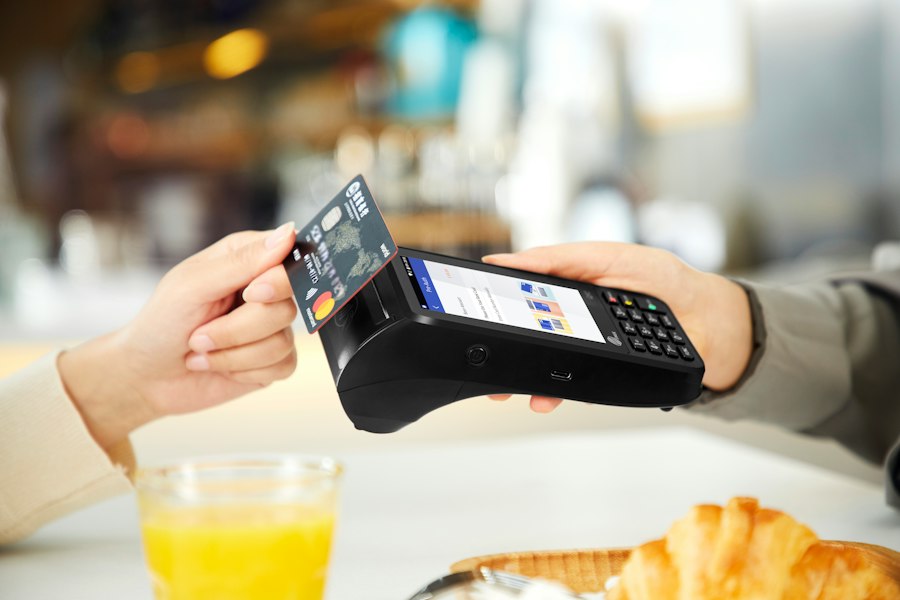
At the heart of making real-time cross-border payments a reality is ISO 20022. If traditional payment messages were like sending a telegram, ISO 20022 is like sending a detailed email with attachments. It’s a global standard for financial messaging, providing a rich, structured, and consistent way to exchange data between financial institutions. Think of it as a common language that all banks can speak and understand, regardless of their internal systems.
What Makes ISO 20022 Different?
The key distinction lies in its data richness and structure.
- Structured Data: Unlike its predecessors (like SWIFT MT messages), ISO 20022 uses XML-based messaging. This means data is organized in a highly structured way, making it machine-readable and easy to process automatically. Every piece of information – sender details, receiver details, purpose of payment, regulatory information – has its designated place.
- Increased Data Capacity: It can carry significantly more information within a single message. This isn’t just about the payment amount; it includes detailed remittance information, invoice details, regulatory compliance data, ultimate sender/receiver information, and much more. This extra data is crucial for things like automated reconciliation and enhanced anti-money laundering (AML) checks.
- Global Standard: It’s designed to be a universal language. This means that a bank in one country can send an ISO 20022 message to a bank in another, and both systems can understand and process the rich data within it, reducing the need for manual intervention or message translation.
- Flexibility and Extensibility: The standard is designed to be adaptable. While there are core messages, it allows for extensions to meet specific market or regulatory requirements, ensuring it can evolve over time.
- Common Terminology: It provides a consistent set of terms and definitions for financial messages, reducing ambiguity and errors.
Why is ISO 20022 Crucial for Cross-Border Payments?
For real-time cross-border payments, the enhanced data in ISO 20022 is a game-changer.
- End-to-End Transparency: With more data, every party in the payment chain can have a clearer picture of the payment’s purpose and origin, enabling better tracking and reconciliation.
- Improved STP (Straight-Through Processing): The structured and rich data allows for a much higher degree of automation. Systems can process payments without human intervention, leading to faster execution and fewer errors. This is vital for real-time.
- Enhanced Compliance (AML/CFT): The ability to embed detailed information about the ultimate originator and beneficiary directly within the payment message significantly improves the effectiveness of AML and Counter-Terrorism Financing (CFT) efforts. This reduces the need for “request for information” (RFI) messages, which can hold up payments for days.
- Richer Customer Experience: Businesses can automatically match payments to invoices, and individuals can get clearer statements. This reduces operational overhead and improves satisfaction.
- Reduced Friction: By providing all necessary information upfront, many common reasons for payment delays or rejections (like missing beneficiary details or incomplete regulatory data) are mitigated.
SWIFT, the primary global financial messaging network, is mandating the adoption of ISO 20022 for cross-border payments (CBPR+) by November 2025. This global push means that compliance isn’t optional; it’s a necessary step for any financial institution wanting to remain connected to the global payment ecosystem.
Modern Core Banking Systems: The Engine Room
While ISO 20022 provides the blueprint for robust payment messages, a modern core banking system is what actually processes and acts upon these messages. Think of it as the central nervous system of a bank, handling accounts, ledgers, customer information, and transactions. An older, legacy core banking system simply isn’t equipped to handle the speed, data volume, and complexity that real-time, ISO 20022-enabled payments demand.
The Limitations of Legacy Core Banking
Many banks still run on systems built decades ago.
These systems, while reliable, were designed for a different era of banking – one with batch processing, less stringent data requirements, and slower transaction speeds.
- Batch Processing Orientation: Legacy systems are often built around processing transactions in batches, not individually and in real-time. This creates inherent delays that are incompatible with real-time payment aspirations.
- Data Model Constraints: Their data structures are typically rigid and not designed to store the vast, granular, and flexible data payloads of ISO 20022 messages. This leads to data truncation or the need for complex, error-prone data mapping layers.
- Scalability Issues: Handling a sudden surge in real-time transactions can overwhelm older systems, leading to performance bottlenecks and service disruptions.
- Integration Challenges: Integrating legacy cores with new payment rails or external APIs is often a costly, time-consuming, and fragile endeavor due to their monolithic architecture.
- Lack of Flexibility: Adapting to new regulations, products, or payment standards (like ISO 20022) requires extensive custom coding and testing, prolonging implementation times and increasing costs.
- High Maintenance Costs: Keeping these older systems running often involves specialized skills and expensive licensing, diverting resources from innovation.
How Modern Core Banking Elevates Payments
A modern core banking system is built from the ground up to support the demands of today’s digital economy.
- Real-Time Processing Capabilities: Designed for instant processing, modern cores can debit and credit accounts in milliseconds, making them ideal for real-time payments.
They operate 24/7/365, without the need for end-of-day batch runs.
- Flexible Data Models: They are built with flexible, object-oriented, or microservices-based data models that can easily accommodate the rich, structured data of ISO 20022 messages without loss or truncation. This allows for native understanding of the extensive remittance and party information.
- API-First Architecture: Modern cores expose their functionalities through robust APIs (Application Programming Interfaces). This makes integration with internal systems (like fraud monitoring, AML, treasury) and external payment networks (like SWIFT CBPR+, domestic instant payment schemes) much smoother and faster.
- Scalability and Resilience: Often cloud-native or cloud-ready, these systems can scale up or down dynamically to handle varying transaction volumes, ensuring high availability and performance even during peak times.
- Configurability and Agility: Instead of rigid code, modern cores offer extensive configuration options, allowing banks to rapidly launch new payment products, adapt to regulatory changes, and implement new standards like ISO 20022 with greater speed and less development effort.
- Integrated Compliance and Fraud Modules: Many modern cores come with integrated modules or seamless integration points for real-time AML, sanctions screening, and fraud detection, which are critical for secure real-time cross-border payments.
In essence, a modern core banking system provides the horsepower and the agility needed to actually do what ISO 20022 messages describe, enabling the swift, data-rich movement of funds across borders.
The Synergy: ISO 20022 and Modern Core Banking United
The real magic happens when ISO 20022 and modern core banking systems work together.
They are two sides of the same coin: ISO 20022 provides the sophisticated language for communication, and the modern core banking system provides the sophisticated infrastructure to understand, process, and act on that language, all in real-time.
How They Intersect for Real-Time Cross-Border Payments
Imagine a cross-border payment initiated through a modern front-end application.
- Initiation and Data Capture: The application captures all necessary payment details, including comprehensive remittance information and ultimate beneficiary details, leveraging the modern core’s flexible data model.
- ISO 20022 Message Creation: The modern core (or an integrated payment hub) generates a fully compliant ISO 20022 message (e.g., pain.001 for payment initiation). All the rich data captured is mapped accurately into the structured fields of the ISO 20022 message.
- Real-Time Validation and Screening: Before sending, the modern core performs immediate validation checks against customer data, account balances, and business rules. Integrated real-time AML/CFT and sanctions screening modules process the rich data within the ISO 20022 message, reducing false positives and accelerating checks.
- Instant Debit and Messaging: Once approved, the sender’s account is debited in real-time by the modern core. Simultaneously, the ISO 20022 message (e.g., pacs.008 for financial institution credit transfer) is sent instantly via the payment network (e.g., SWIFT CBPR+ or a regional instant payment rail like TIPS or FedNow if applicable to the corridor).
- Receiving Bank Processing: The receiving bank, also equipped with a modern core and ISO 20022 capabilities, receives the pacs.008 message. Its system can instantly parse the rich data, perform its own real-time compliance checks, and credit the beneficiary’s account.
- Real-Time Confirmation: An ISO 20022 confirmation message (e.g., pacs.002 for payment status report) is sent back through the network, providing instant feedback on the payment’s success or failure, benefiting both banks and their customers.
This integrated flow means that payments aren’t just faster; they’re also more intelligent, transparent, and secure from end-to-end.
Key Enablers of this Synergy
- API Connectivity: Modern core banking systems use APIs to seamlessly connect with ISO 20022 payment gateways, real-time payment networks, and compliance engines. This ensures that data flows smoothly and quickly between all components.
- Data Transformation Layer: While modern cores can natively handle rich data, a sophisticated data transformation layer (often part of a payment hub or enterprise service bus) ensures that data is accurately mapped between internal bank systems and the specific ISO 20022 message schemas.
- Event-Driven Architecture: Many modern cores are built on event-driven architectures, where every transaction or change triggers an event that can be instantly acted upon by other connected systems (e.g., real-time ledger updates, fraud alerts, customer notifications).
- Cloud Infrastructure: Leveraging cloud platforms provides the elastic scalability and resilience necessary to handle the high throughput and low latency demands of real-time, ISO 20022-enabled transactions.
- Robust Compliance & Fraud Frameworks: The integrated capability to perform real-time sanctions screening, AML transaction monitoring, and fraud detection directly on the rich ISO 20022 data is paramount. This prevents delays caused by manual reviews and ensures regulatory adherence.
Without a modern core, the full potential of ISO 20022’s data richness and real-time capabilities cannot be realized. The older systems simply can’t process the volume or richness of the data quickly enough to make “real-time” a true reality across borders.
As the financial landscape evolves, the integration of ISO 20022 with modern core banking systems is becoming increasingly crucial for facilitating real-time cross-border payments. This transformation not only enhances transaction efficiency but also improves data quality and interoperability across different platforms. For those interested in exploring related topics, a recent article discusses the best niche for affiliate marketing in 2023, which highlights the importance of adapting to emerging trends in various sectors. You can read more about it here.
Navigating the Road Ahead: Challenges and Considerations
| Metric | Description | Value / Example | Impact on Cross-Border Payments |
|---|---|---|---|
| Transaction Speed | Time taken to complete a cross-border payment | Less than 5 seconds (real-time) | Significantly reduces settlement time, improving liquidity and customer satisfaction |
| Message Standard | Payment message format used for communication | ISO 20022 | Enables richer data exchange and improved interoperability between banks |
| Data Fields | Number of structured data elements in payment messages | Over 1,000 fields | Allows detailed remittance information, reducing errors and reconciliation time |
| Core Banking Integration | Compatibility with modern core banking systems | API-based real-time processing | Facilitates seamless payment initiation and tracking within banking platforms |
| Compliance Automation | Automated checks for regulatory and AML compliance | Real-time screening and validation | Reduces compliance risk and accelerates payment approval |
| Cost Efficiency | Reduction in operational costs per transaction | Up to 30% reduction | Lower fees and improved profitability for banks and customers |
| Settlement Transparency | Visibility into payment status and settlement details | End-to-end tracking with ISO 20022 | Enhances trust and reduces inquiries and disputes |
| Scalability | Ability to handle increasing transaction volumes | Supports millions of transactions per day | Ensures system reliability during peak demand |
While the vision of real-time, ISO 20022-enabled cross-border payments is compelling, the journey to get there isn’t without its hurdles. It’s a significant undertaking for any financial institution, requiring careful planning and execution.
Technical and Operational Hurdles
- Legacy System Integration: Many banks operate hybrid environments. Integrating a new, modern core with existing legacy systems (for niche products, historical data, etc.) can be complex, requiring robust middleware and data synchronization strategies.
- Data Migration: Moving vast amounts of customer and account data from old systems to a new modern core is a delicate operation, prone to errors and requiring extensive testing.
- ISO 20022 Readiness: While SWIFT has a mandate, interpreting and implementing the exact ISO 20022 message usage guidelines (UMGs) and ensuring full compatibility across diverse jurisdictions can be challenging. Not all countries implement ISO 20022 in the same way for domestic payments, creating potential mapping complexities for cross-border.
- Interoperability: Ensuring seamless interoperability between different banks, payment systems, and clearing houses, all at various stages of ISO 20022 and real-time adoption, is a continuous challenge. Not every bank will be ready at the same time.
- Performance and Scalability Testing: Rigorous testing is crucial to ensure the new infrastructure can handle peak transaction volumes and maintain ultra-low latency, especially during unexpected spikes.
- Cybersecurity and Fraud: Real-time payments create a smaller window for detecting and mitigating fraud. Banks need advanced, real-time fraud detection systems integrated directly into the payment flow to combat sophisticated cyber threats.
- Business Process Re-engineering: Adopting real-time payments isn’t just a technical upgrade; it requires re-thinking and re-engineering internal business processes, from reconciliation to customer service.
Regulatory and Compliance Complexities
- Jurisdictional Differences: Regulations around payments, data privacy, and AML/CFT vary significantly by country. Integrating these diverse requirements into a single, global real-time payment system is a monumental task.
- Data Privacy (GDPR, CCPA, etc.): The rich data in ISO 20022 messages can include personal information. Banks must ensure strict adherence to global and local data privacy regulations when transmitting and storing this data across borders.
- AML/CFT Enhancements: While ISO 20022 provides richer data for compliance, it also means compliance systems need to be more sophisticated and operate in real-time to analyze this data quickly and accurately.
- Sanctions Screening: Real-time payments require real-time sanctions screening. This means highly efficient and accurate screening tools that don’t introduce significant delays.
- Reporting Requirements: New reporting obligations may emerge as real-time payments become more prevalent, requiring systems to capture and provide specific data to regulators instantly.
Strategic and Organizational Considerations
- Investment Justification: The cost of modernizing core banking systems and implementing ISO 20022 can be substantial. Banks need a clear business case and return on investment (ROI) strategy.
- Talent Gap: Finding skilled professionals with expertise in modern core banking platforms, ISO 20022, cloud computing, and real-time payment architecture can be challenging.
- Change Management: Migrating to new systems and processes requires significant organizational change management, training, and cultural adaptation.
- Competitive Landscape: Banks that lag in adoption risk losing market share to more agile competitors, including FinTechs and challenger banks, who often build on modern foundations from day one.
- Phased Approach: A big bang approach is often too risky. Many banks are opting for a phased migration, moving specific products or customer segments to the new core first, or focusing initially on ISO 20022 compliance for specific payment types.
Despite these challenges, the trajectory towards real-time, ISO 20022-enabled cross-border payments is clear. The benefits for efficiency, transparency, and customer experience are too compelling to ignore. Banks that strategically invest in this transformation will be well-positioned for the future of global finance.
FAQs
What is ISO 20022?
ISO 20022 is an international standard for electronic data interchange between financial institutions. It provides a framework for the development of messages that can be used for various financial transactions, including payments, securities, and trade services, allowing for richer data and improved interoperability between systems.
How does ISO 20022 enhance cross-border payments?
ISO 20022 enhances cross-border payments by enabling richer data exchange, which improves transparency and reduces errors. It allows for standardized messaging that can be understood globally, facilitating smoother transactions across different banking systems and jurisdictions.
What are the benefits of integrating ISO 20022 with modern core banking systems?
Integrating ISO 20022 with modern core banking systems offers several benefits, including improved operational efficiency, enhanced customer experience through faster transaction processing, better compliance with regulatory requirements, and the ability to support innovative payment services and products.
What challenges might banks face when implementing ISO 20022?
Banks may face several challenges when implementing ISO 20022, including the need for significant system upgrades, potential compatibility issues with legacy systems, the requirement for staff training on new processes, and the complexity of transitioning to a new messaging standard while maintaining ongoing operations.
How does real-time payment processing relate to ISO 20022?
Real-time payment processing is closely related to ISO 20022 as the standard supports the immediate exchange of payment information, allowing for instant settlement and confirmation of transactions. This capability is essential for modern payment systems that aim to provide instantaneous services to customers across borders.
Enjoying our content? Make us a preferred source on Google:
Add us as a Preferred Source on Google