

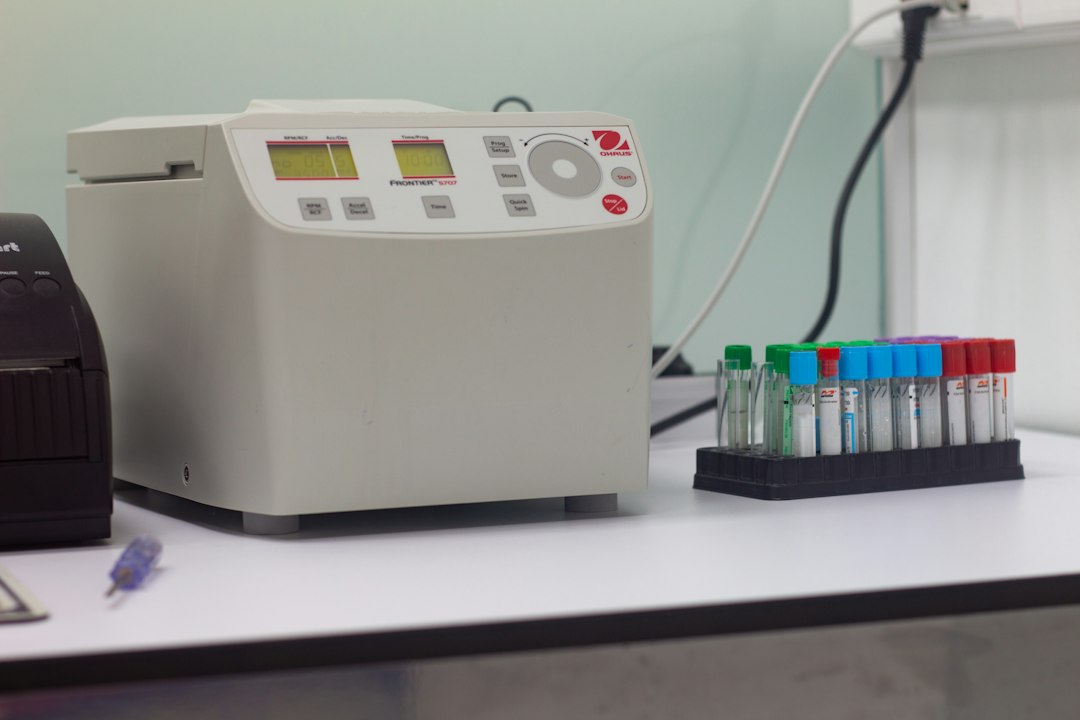
Point-of-care molecular diagnostics, particularly PCR testing, is indeed making its way into primary care clinics, moving advanced lab-grade accuracy closer to patients. This shift means quicker diagnoses for various infections, allowing healthcare providers to make more informed treatment decisions right on the spot, rather than waiting days for external lab results. It’s about getting the right answers faster, directly where patients receive their initial care.
The Evolution of Diagnostics in Primary Care
For a long time, primary care clinics have relied on external laboratories for definitive diagnostic testing, especially for complex molecular analyses like PCR. While this system ensures high accuracy and standardization, it inherently introduces delays. Samples need to be collected, packaged, transported, processed, and then results communicated back to the clinic. This multi-step process can take anywhere from a few hours to several days, depending on the test, the lab’s workload, and logistical factors. During this waiting period, patients might remain untreated, potentially spreading infections, experiencing worsening symptoms, or even receiving empiric broad-spectrum antibiotics when a more targeted approach would be beneficial.
The push for point-of-care (POC) diagnostics isn’t new; rapid strep tests and flu antigen tests have been staples in primary care for years. However, these traditional POC tests often lack the sensitivity and specificity of laboratory-based molecular methods. They serve as useful screening tools but can sometimes miss early infections or provide false positives, necessitating follow-up with more accurate lab tests – bringing us back to the original problem of delays.
The significant leap forward comes with the development of point-of-care molecular diagnostics, specifically PCR-based systems. These newer technologies aim to bridge the gap between the speed of traditional POC tests and the analytical rigor of central laboratory PCR. They miniaturize and automate the complex steps of PCR – nucleic acid extraction, amplification, and detection – into user-friendly cartridges and instruments suitable for a clinic setting. This advancement is critical because PCR, or Polymerase Chain Reaction, is considered the gold standard for detecting many pathogens due to its ability to amplify minute amounts of genetic material, providing extremely high sensitivity and specificity.
Why PCR Matters at the Point of Care
PCR’s high sensitivity means it can detect very low viral or bacterial loads, often before symptoms become severe, or even during the asymptomatic phase of an infection. This early detection is crucial for managing outbreaks, preventing transmission, and initiating timely treatment. For example, in respiratory infections, a rapid and accurate PCR result can differentiate between influenza, RSV, and SARS-CoV-2, which often present with similar symptoms but require different management strategies.
Specificity is equally important. PCR targets unique genetic sequences of a pathogen, minimizing the risk of cross-reactivity with other organisms or human DNA. This reduces false positives, preventing unnecessary treatments or anxieties for patients.
In a primary care setting, where clinicians often see a broad spectrum of undifferentiated symptoms, having a diagnostic tool that can precisely identify the causative agent is incredibly valuable.
It helps in avoiding the overuse of antibiotics, a critical concern in the fight against antimicrobial resistance, and ensures appropriate antiviral or other targeted therapies are prescribed.
The real-time nature of these new point-of-care molecular diagnostics means that results can be obtained during the patient’s visit, often within 15 to 60 minutes. This immediate feedback loop empowers clinicians to make immediate treatment decisions, counsel patients effectively, and implement appropriate infection control measures without delay. For patients, it means walking out of the clinic with a diagnosis and a treatment plan, reducing anxiety and eliminating the need for follow-up calls or visits just to receive test results.
Point-of-Care Molecular Diagnostics is revolutionizing the way primary care clinics approach testing by integrating lab-grade PCR technology directly into their facilities. This shift not only enhances the speed and accuracy of diagnoses but also significantly improves patient outcomes by allowing for timely treatment decisions. For further insights into the impact of technology on healthcare, you may find the article on the best laptops for gaming interesting, as it discusses how advancements in technology can influence various fields, including medicine. You can read it here: