

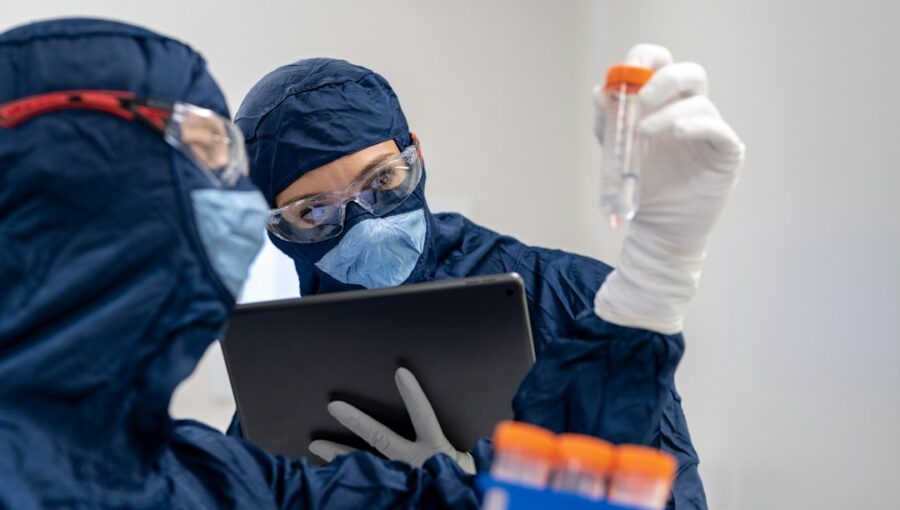
Organ-on-a-chip (OOC) technology is a pretty fascinating development that’s quickly becoming a game-changer in pharmaceutical research. Essentially, it involves creating miniature, functional models of human organs on a microchip, complete with living cells, fluid flow, and even mechanical forces mimicking the body’s environment. This innovative approach holds immense promise for reducing and eventually replacing animal testing in drug development, offering a more accurate and ethical way to study drug efficacy and toxicity. It allows scientists to observe how drugs interact with human biology in a controlled, realistic setting, providing insights that traditional animal models often can’t.
The Problem with Animal Testing in Drug Discovery
For decades, animal testing has been a cornerstone of pharmaceutical research. It’s been the primary method for evaluating drug safety and efficacy before human trials. However, this approach has significant limitations and raises ethical concerns.
Species Differences and Predictive Power
One of the biggest hurdles is the inherent difference between animal physiology and human biology. A drug that appears safe and effective in mice or even primates might behave very differently in humans. This isn’t just about size; it’s about metabolic pathways, immune responses, and organ-specific reactions. For instance, a drug might be quickly metabolized and excreted by a rat, while in a human, it lingers, causing unexpected side effects. This lack of perfect physiological correlation means that many drugs that show promise in animal studies ultimately fail in human clinical trials, leading to wasted resources, time, and, most importantly, potential harm to human volunteers. It’s a frustrating cycle, where good intentions often clash with biological reality.
Ethical Considerations and Public Pressure
Beyond the scientific limitations, there are significant ethical concerns surrounding animal testing. Many people feel that it’s morally wrong to subject animals to potentially harmful experiments, even if the ultimate goal is to benefit human health. Animal welfare organizations actively campaign against it, raising public awareness and advocating for alternative methods. This public pressure, coupled with increasing regulatory scrutiny in some regions, is driving a strong push for alternatives. While regulations often mandate animal testing for specific drug classes, the tide is turning towards finding humane and effective substitutes. It’s a complex issue where scientific advancement and ethical responsibilities are constantly being balanced.
High Costs and Time Investment
Developing a new drug is an incredibly expensive and time-consuming endeavor. Animal studies contribute significantly to these costs, requiring specialized facilities, trained personnel, and substantial logistical effort. Furthermore, these studies can take months or even years to complete, slowing down the overall drug development pipeline. The resources tied up in these prolonged animal studies could be reallocated to more promising, human-relevant research if alternative methods were widely adopted. The economic burden alone makes the search for efficient alternatives a high priority for pharmaceutical companies.
Organ-on-a-Chip technology is revolutionizing the pharmaceutical research and development landscape by providing a more ethical and efficient alternative to traditional animal testing methods. This innovative approach allows researchers to create miniature human organs that can mimic physiological responses, thereby enhancing the accuracy of drug testing and reducing reliance on animal models. For further insights into the implications of this technology and its potential to phase out animal testing, you can explore a related article at This model can provide highly predictive data on drug-induced liver injury, a common reason for drug failure in clinical trials. Kidney-on-a-chip models are designed to replicate the filtration and reabsorption functions of the human kidney. They typically include renal epithelial cells grown within microfluidic channels that mimic the nephron, the kidney’s functional unit. These devices can be used to study drug-induced nephrotoxicity, assess the excretion of drugs and their metabolites, and investigate kidney diseases. By controlling fluid flow and pressure, researchers can simulate the glomerular filtration rate and tubular reabsorption, providing a more accurate assessment of how drugs interact with kidney function. The next frontier in OOC technology is the integration of multiple organ chips into a “body-on-a-chip” or “multi-organ-on-a-chip” system. These interconnected devices allow researchers to study how a drug affects different organs simultaneously and how organs interact with each other in response to a drug. For instance, a liver-on-a-chip could be connected to a gut-on-a-chip and a kidney-on-a-chip, enabling scientists to track how a drug is absorbed, metabolized, and excreted, and observe any systemic toxicities. This provides a more holistic view of drug pharmacokinetics and pharmacodynamics, moving closer to mimicking the complexity of the entire human body. Organ-on-a-chip technology is already starting to revolutionize how pharmaceutical companies approach drug discovery and development. Its advantages over traditional methods are becoming increasingly clear. One of the most compelling benefits of OOC is its potential for better prediction of drug efficacy and toxicity in humans. Because these chips use human cells and mimic human physiological conditions, they are inherently more relevant than animal models. This can lead to a significant reduction in the number of drugs that fail in later-stage clinical trials due to unforeseen side effects or lack of effectiveness. By catching these issues earlier in the development process, pharmaceutical companies can save billions of dollars and years of research. It means fewer false positives from animal studies and a more direct path to truly effective and safe medicines for people. The traditional drug development pipeline is notoriously long, often taking over a decade from initial discovery to market. Animal testing and subsequent human trials are significant bottlenecks. OOC technology offers the potential to accelerate this timeline. By providing faster, more accurate data on drug interactions with human tissues, researchers can make quicker decisions about which drug candidates to pursue and which to discard. This iterative process, where drug candidates can be tested and refined rapidly on chips, can significantly shorten the preclinical phase and potentially speed up the transition to human trials, ultimately bringing needed medications to patients sooner. A truly exciting application of OOC technology lies in personalized medicine. It’s now possible to create “patient-on-a-chip” models using induced pluripotent stem cells (iPSCs) derived from an individual patient. These iPSCs can then be differentiated into various cell types to create organ chips that are genetically identical to the patient. This allows researchers to test different drug therapies on a patient’s own tissues outside the body, predicting how they might respond without exposing the patient to potentially ineffective or harmful treatments. This approach could revolutionize treatment for diseases like cancer, cystic fibrosis, or rare genetic disorders, where individual responses to drugs can vary widely. It moves beyond a “one-size-fits-all” approach to truly tailored therapies. OOC technology is also proving valuable in drug repurposing – finding new uses for existing, approved drugs. Many drugs already have known safety profiles, and testing them on OOC models for new indications can be a faster and less risky pathway to new treatments. Furthermore, for rare diseases, where patient populations are small and animal models may not even exist, OOC offers an ethical and practical way to study disease mechanisms and test potential therapies. Researchers can create disease-specific organ chips by using cells from affected patients or by genetically engineering cells to express disease-causing mutations, providing a unique platform for understanding and combating these often-neglected conditions. While Organ-on-a-Chip technology holds immense promise, it’s still a relatively young field and faces several challenges that need to be addressed for its widespread adoption. Currently, many OOC devices are custom-made in research labs, which isn’t conducive to large-scale drug screening. For OOC to truly replace animal testing, there needs to be a significant advancement in manufacturing processes to produce these chips reliably, cost-effectively, and in high volumes. This also involves standardizing the chips themselves – ensuring that different batches and different manufacturers produce consistent results. Without robust quality control and standardized protocols, regulatory bodies will be hesitant to fully accept OOC data. It’s a manufacturing and engineering challenge as much as a biological one. While OOC models are far more advanced than static cell cultures, they still don’t fully replicate the intricate complexity of a living human body. Organs don’t exist in isolation; they are constantly communicating through hormonal signals, neurological pathways, and immune responses. While multi-organ-on-a-chip systems are a step in the right direction, accurately mimicking these systemic interactions, including the central nervous system or the immune system’s full complexity, remains a significant challenge. Researchers are working on incorporating more cell types and designing more sophisticated fluidic connections to get closer to this physiological reality, but it’s a long road. Perhaps the biggest hurdle for OOC technology to fully phase out animal testing is regulatory acceptance. Regulatory bodies like the FDA in the US or the EMA in Europe have established protocols for drug approval that heavily rely on animal data. For OOC to be widely adopted, these bodies need to be convinced that the data generated by OOC models is as, or more, predictive of human outcomes than animal studies. This requires rigorous validation studies, comparing OOC results with existing human data and demonstrating clear correlations. While there’s a growing willingness from regulators to explore and accept these new alternative methods, the process of formal validation and integration into regulatory guidelines will take time and significant collaborative effort between academia, industry, and government. While OOC technology offers an ethical alternative to animal testing, its own ethical framework needs careful consideration. Questions may arise, for example, regarding the use of human cells, particularly those derived from embryos or aborted fetuses (though iPSC technology largely bypasses this). Clear guidelines for consent and sourcing of human cells are crucial. Furthermore, while the public is generally supportive of alternatives to animal testing, understanding and trust in complex technologies like OOC will be important. Transparent communication about how these systems work and their benefits will help ensure public acceptance and continued support for their development and implementation. Organ-on-a-Chip technology is revolutionizing the pharmaceutical industry by providing a more ethical and efficient alternative to traditional animal testing methods. This innovative approach allows researchers to simulate human organ functions on microchips, significantly enhancing the accuracy of drug testing and reducing reliance on animal models. For further insights into how emerging technologies are shaping the future of pharmaceutical research and development, you can explore this related article on Screpy Reviews. By adopting such advancements, the industry is not only improving the drug development process but also addressing ethical concerns surrounding animal welfare.Kidney-on-a-Chip
Multi-Organ-on-a-Chip Systems
How Organ-on-a-Chip is Transforming Pharmaceutical R&D
 technology represents a significant leap forward in mimicking human physiology outside the body. It’s a microfluidic device, typically made of a transparent polymer, designed to house living cells and simulate the complex environment of human organs.</p>
<h3>Microfluidics and Cellular Architecture</h3>
<p>At its core, OOC relies on microfluidics – the precise control and manipulation of fluids at the microscale. These chips are engineered with tiny channels, chambers, and pores, often no wider than a human hair. Within these intricate structures, human cells (derived from various tissues, sometimes even from patients) are cultured in a way that replicates the native architecture of an organ. For example, a lung-on-a-chip might have two layers of cells separated by a porous membrane, mimicking the alveolar-capillary barrier, with air flowing on one side and blood-like fluid on the other. This precise arrangement is crucial for the cells to behave as they would in a living organ, enabling them to form tissues, communicate, and respond to stimuli.</p>
<h3>Simulating Physiological Environment</h3>
<p>Beyond just housing cells, OOC devices are designed to replicate key physiological parameters. This includes continuous fluid flow, which delivers nutrients and removes waste products, much like blood circulation. Some chips even incorporate mechanical forces, such as the rhythmic stretching and relaxation of lung tissue during breathing or the peristaltic contractions of the gut. These mechanical cues are incredibly important because cells in the body don’t just sit statically; they are constantly subjected to various physical forces that influence their function and behavior. Recreating these dynamic conditions is what makes OOC models so much more physiologically relevant than static cell cultures in a petri dish.</p>
<h3>Types of Organ-on-a-Chip Models</h3>
<p>The beauty of OOC technology is its versatility. Researchers have developed chips that model a wide range of human organs and even complex systems.</p>
<h4>Lung-on-a-Chip</h4>
<p>One of the pioneering examples is the lung-on-a-chip. This device typically consists of two microfluidic channels separated by a flexible, porous membrane. Human lung epithelial cells are cultured on one side of the membrane, and endothelial cells (from blood vessels) are cultured on the other. Air is pumped through the “airway” channel, and a cell culture medium (mimicking blood) flows through the “vascular” channel. Crucially, a vacuum can be applied to side chambers, causing the membrane to stretch and relax, replicating the physical act of breathing. This allows researchers to study drug delivery via inhalation, the effects of environmental toxins, and even the mechanisms of lung diseases like asthma or pneumonia.</p>
<h4>Gut-on-a-Chip</h4>
<p>The gut-on-a-chip aims to mimic the complex environment of the human intestine.<b> It typically features human intestinal epithelial cells grown on a flexible membrane, often in co-culture with immune cells and even beneficial gut bacteria.</b> The device allows for fluid flow that simulates peristalsis (the wave-like contractions that move food through the gut) and recreates the nutrient absorption and barrier function of the intestine. This model is invaluable for studying oral drug absorption, the impact of food components, and the mechanisms of inflammatory bowel diseases. It can also be used to investigate the complex interplay between the gut microbiome and drug metabolism.</p>
<h4>Liver-on-a-Chip</h4>
<p>The liver is the primary organ for drug metabolism and detoxification, making a liver-on-a-chip particularly critical for toxicology studies. These chips typically incorporate human hepatocytes (liver cells) and often other liver cell types like Kupffer cells and endothelial cells, arranged to mimic the liver’s functional units. Continuous flow helps maintain cell viability and function, allowing researchers to assess how drugs are metabolized and whether they produce toxic byproducts.</p>
<blockquote style= "Organ-on-a-Chip Technology: Phasing Out Animal Testing in Pharmaceutical R&D 2")
Improved Drug Efficacy and Toxicity Prediction
Accelerated Drug Development Timeline
Personalized Medicine and Patient-Specific Models
Drug Repurposing and Rare Disease Research
Challenges and Future Outlook
Scaling Up Production and Standardization
Physiological Complexity and Interconnectivity
Regulatory Acceptance and Validation
Ethical Framework and Public Perception
The Path Towards a Future Without Animal Testing
Metric
Value
Unit
Notes
Reduction in Animal Testing
70
Percent
Estimated decrease in animal use in pharmaceutical R&D due to organ-on-a-chip adoption
Time to Drug Candidate Screening
2
Weeks
Average time using organ-on-a-chip vs. 6-12 weeks in traditional animal models
Predictive Accuracy
85
Percent
Accuracy of organ-on-a-chip models in predicting human drug responses
Cost Reduction in Preclinical Testing
40
Percent
Estimated cost savings by replacing animal testing with organ-on-a-chip technology
Number of Organs Modeled
10
Count
Types of human organs currently replicated on chips (e.g., lung, liver, heart)
Pharmaceutical Companies Using Technology
50
Count
Number of major pharmaceutical companies integrating organ-on-a-chip in R&D
Reduction in Drug Development Failures
30
Percent
Decrease in late-stage clinical trial failures due to better preclinical models
The momentum behind Organ-on-a-Chip technology is undeniable. It’s not just a promising research tool; it’s a critical component of the broader movement towards more ethical, efficient, and human-relevant drug development.
Collaboration and Investment
The future success of OOC in phasing out animal testing hinges on continued collaboration between academic institutions, pharmaceutical companies, and government agencies. Academic research drives innovation and deeper understanding of biological processes, while pharmaceutical companies provide the resources and real-world testing grounds for these new technologies. Government funding and initiatives, like those from the National Institutes of Health (NIH) and regulatory bodies, are crucial for supporting research, validation studies, and the development of standardized protocols. Significant investment in infrastructure, training, and interdisciplinary teams will be essential to bring OOC from the lab bench to routine pharmaceutical practice.
Integration with Other Advanced Technologies
Organ-on-a-Chip technology isn’t developing in isolation. Its true power will likely be realized through integration with other cutting-edge technologies. This includes artificial intelligence (AI) and machine learning (ML) for analyzing complex OOC data, identifying patterns, and predicting drug responses. High-throughput screening capabilities, allowing for the rapid testing of thousands of compounds on OOC platforms, will further accelerate drug discovery. Advanced imaging techniques will enable researchers to visualize cellular and molecular events on the chips in unprecedented detail. This synergistic approach, combining OOC with AI, robotics, and advanced analytics, promises to create a powerful new paradigm for pharmaceutical R&D, significantly enhancing our ability to develop safe and effective drugs.
Evolving Regulatory Landscape
The regulatory landscape is slowly but surely evolving to embrace these new approaches. Regulatory bodies are actively engaging with researchers and industry to understand OOC capabilities and develop pathways for its acceptance. For instance, the FDA Modernization Act 2.0 in the United States removed the federal mandate for animal testing for new drug applications, paving the way for alternative methods like OOC to be considered. This signals a clear shift towards a more flexible and scientifically sound approach to drug approval. As more validation studies are completed and OOC technology matures, we can expect to see further integration of these models into preclinical evaluation guidelines, progressively reducing and eventually eliminating the reliance on animal testing.
A More Human-Centric Approach to Medicine
Ultimately, the widespread adoption of Organ-on-a-Chip technology represents a fundamental shift towards a more human-centric approach in medicine. By focusing on human biology from the earliest stages of drug discovery, we can develop drugs that are not only more effective but also safer for patients. It’s about moving beyond extrapolations from animal models to direct observation and understanding of human biological responses. This ethical and scientific advancement holds the promise of accelerating the development of life-saving therapies, reducing patient risk, and fostering a more humane and efficient pharmaceutical industry.
The journey is ongoing, but the trajectory towards a future largely free of animal testing, thanks to innovations like OOC, looks increasingly clear.
FAQs
What is organ-on-a-chip technology?
Organ-on-a-chip technology involves creating microfluidic cell culture devices that mimic the structure and function of human organs. These chips are used to study biological processes, drug responses, and disease mechanisms in a more accurate and efficient manner.
How does organ-on-a-chip technology help in pharmaceutical research and development?
Organ-on-a-chip technology provides a more physiologically relevant platform for testing drugs, allowing researchers to study human-specific responses and interactions at the organ level. This can lead to more accurate predictions of drug efficacy and toxicity compared to traditional animal testing methods.
What are the benefits of using organ-on-a-chip technology over animal testing in pharmaceutical R&D?
Organ-on-a-chip technology offers several advantages over animal testing, including reduced costs, faster results, more accurate predictions of human responses, and the ability to study multiple organs and their interactions on a single platform. Additionally, it eliminates the ethical concerns associated with using animals for testing purposes.
Which organs can be replicated using organ-on-a-chip technology?
Various organs and tissues, such as the liver, heart, lung, kidney, intestine, and brain, can be replicated using organ-on-a-chip technology. Researchers can also create multi-organ systems to study the effects of drugs on interconnected organ functions.
Is organ-on-a-chip technology widely adopted in the pharmaceutical industry?
Organ-on-a-chip technology is gaining traction in the pharmaceutical industry as a promising alternative to traditional animal testing methods. While it is not yet fully integrated into all drug development processes, many companies and research institutions are actively exploring and implementing this technology to improve the efficiency and accuracy of pharmaceutical R&D.
Enjoying our content? Make us a preferred source on Google:
Add us as a Preferred Source on Google