

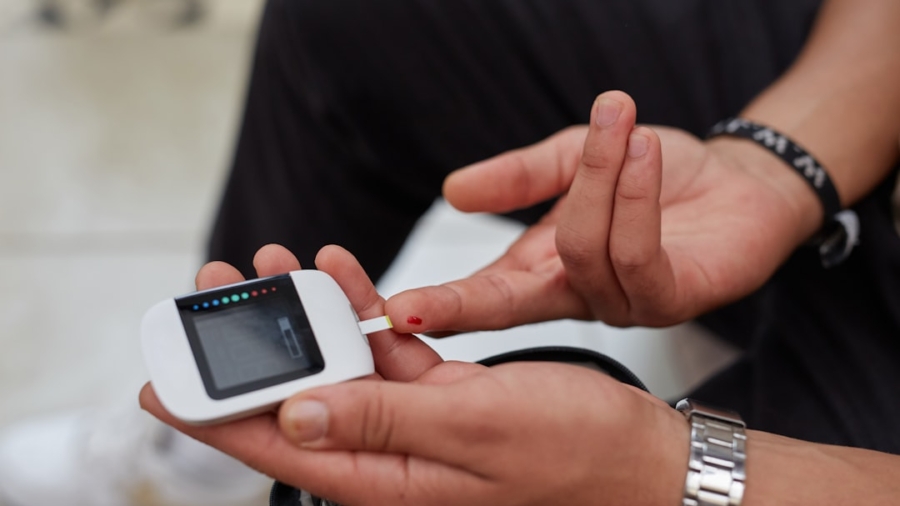
The dream of non-invasive blood sugar tracking is alive and well in wearable tech. For anyone managing diabetes or just curious about their metabolic health, the idea of getting glucose readings without a finger prick is incredibly appealing. While we’re not quite at the point of having a widely available, perfectly accurate system ready for purchase today, there’s a tremendous amount of research and development happening that brings us closer to this “holy grail.” The goal is clear: make blood sugar monitoring as seamless and effortless as checking the time on your smartwatch.
Let’s be frank, the current methods for tracking blood sugar, while effective, come with drawbacks. For millions of people globally, especially those with diabetes, it’s a daily consideration.
The Everyday Reality of Diabetes Management
Imagine pricking your finger multiple times a day, every single day. Beyond the discomfort, there’s the inconvenience and the mental load. Continuous Glucose Monitors (CGMs), a huge leap forward, still involve a sensor inserted under the skin, which needs replacing regularly. While CGMs have revolutionized diabetes care, they aren’t entirely non-invasive.
Beyond Diabetes: The Wider Health Implications
It’s not just about diabetes. Blood sugar fluctuations impact energy levels, mood, weight management, and long-term health for everyone. Understanding how different foods and activities affect our unique physiologies could empower better health choices for a much broader population. Non-invasive monitoring could make this accessible to anyone, not just those with a diagnosed condition.
Non-invasive blood sugar tracking has emerged as a revolutionary advancement in wearable technology, offering a promising solution for individuals managing diabetes. For those interested in exploring the broader implications of such innovations, a related article can be found at Recode, which discusses the latest trends and developments in health tech. This article provides valuable insights into how these technologies are shaping the future of personal health monitoring and the potential impact on patient care.
Key Takeaways
- Clear communication is essential for effective teamwork
- Active listening is crucial for understanding team members’ perspectives
- Setting clear goals and expectations helps to keep the team focused
- Regular feedback and open communication can help address any issues early on
- Celebrating achievements and milestones can boost team morale and motivation
The Technologies Under the Microscope
Researchers are exploring various pathways to glean glucose data without breaking the skin. Each approach has its own set of challenges and promises.
Optical Methods: Light at the End of the Tunnel?
Many of the most promising non-invasive technologies rely on light interacting with our body. Different wavelengths behave differently when they encounter glucose molecules in our tissues.
Near-Infrared (NIR) Spectroscopy
This technique uses light in the near-infrared spectrum. When NIR light passes through tissue, some of it is absorbed, and some is scattered. Glucose absorbs NIR light in a specific way. By analyzing the reflected or transmitted light, devices aim to infer glucose concentrations. Think of it like shining a flashlight through a colored liquid – the light that comes out tells you something about what’s inside. The challenge here is distinguishing the glucose signal from all the other components in our blood and tissue, like water and proteins, which also absorb NIR light.
Raman Spectroscopy
A more sophisticated optical method, Raman spectroscopy measures the subtle shifts in the wavelength of light when it interacts with a substance. Each molecule has a unique “Raman fingerprint.” This method offers high specificity but requires powerful light sources and sensitive detectors, making miniaturization and power consumption significant hurdles for wearable devices. It’s like listening to the individual notes in a complex orchestra – you need to isolate the sound of the ‘glucose violin.’
Photoacoustic Spectroscopy
This combines light and sound. A pulsed laser shines on the tissue, and the absorbed light causes tiny temperature changes, creating sound waves. Glucose influences how much light is absorbed, thus affecting the sound waves generated. These sound waves can then be detected by acoustic sensors. It’s a clever way to get around some of the scattering issues inherent in pure optical methods.
Electromagnetic Methods: Electric Avenues for Glucose
Beyond light, other physical properties are being investigated.
Radiofrequency (RF) / Microwave Energy
Glucose affects the dielectric properties of blood and tissue. In simpler terms, it changes how these tissues conduct electricity.
Devices using RF or microwave energy can measure these changes.
The challenge here is ensuring accuracy, especially given that other factors like hydration levels can also influence electrical properties.
Electrochemical Sensing (Sweat/Tears)
While technically still involving a “sample,” this is largely non-invasive compared to blood draws. Researchers are developing patches that can analyze glucose levels in sweat or tears. The main hurdle is the correlation between glucose levels in these fluids and actual blood glucose. Sweat glucose, for instance, often lags behind blood glucose and can be influenced by many factors. However, it’s a very active area of development due to its potential for easy, continuous monitoring.
The Roadblocks and Reality Checks

It’s crucial to understand that if non-invasive blood glucose monitoring were easy, we’d have it already. There are significant scientific and engineering challenges.
Precision vs. Accuracy vs. Convenience
These aren’t interchangeable terms.
- Precision refers to how repeatable a measurement is. If you measure the same thing multiple times, do you get the same result?
- Accuracy is how close a measurement is to the true value. This is paramount for medical devices.
- Convenience is about ease of use.
The challenge is often achieving high accuracy and precision while maintaining convenience in a wearable, affordable package. Many early prototypes might show promise in a lab setting but struggle with the complexities of real-world human physiology.
Biological Noise and Interference
Our bodies are complex. Factors like skin tone, hydration, temperature, blood flow, movement, and even the presence of other molecules in the blood (like fats and proteins) can all interfere with the signals these devices are trying to pick up from glucose. Isolating the glucose signal amidst all this “biological noise” is a monumental task. It’s like trying to hear a specific conversation in a crowded, noisy room.
Calibration and Individual Variability
Every person is different. What works perfectly for one individual might be slightly off for another due to variations in skin thickness, capillaries, and metabolism. Devices would likely need robust, personalized calibration, which itself can be a challenge if it requires traditional blood glucose measurements.
Regulatory Hurdles
Any device that claims to measure blood glucose for medical purposes falls under strict regulatory scrutiny. Agencies like the FDA require extensive clinical trials to prove both safety and efficacy. This is a lengthy and expensive process. A device needs to be proven consistently accurate across a wide range of patients and conditions, not just “good enough.”
Current Frontrunners and Promising Developments

While no single “breakthrough” non-invasive device is on the general market yet, several companies and research groups are making significant progress.
Glucose-Sensing Contact Lenses
This idea has been around for a while. Companies like Google (though they’ve stepped back from direct development) explored contact lenses that could measure glucose in tear fluid. The concept is excellent because tear fluid is readily available and the lens could house tiny sensors. The challenges include correlation with blood glucose, stability of the sensor, and reliable power sources.
Earlobe Sensors
The earlobe is often considered a good site for optical measurements due to its relatively thin tissue and good blood flow. Companies are exploring devices that clip onto the earlobe to take readings using various optical methods. The discrete nature of an earlobe clip is also an advantage.
Smartwatches with Integrated Sensors
This is where the “wearable tech” dream truly comes alive. Imagine your Apple Watch or Fitbit quietly monitoring your glucose throughout the day. Integrating sophisticated optical or electromagnetic sensors into such a small form factor, while maintaining accuracy and battery life, is an immense engineering challenge. Several companies continually patent technology in this area, suggesting ongoing efforts, even if commercial products are not yet ready. For example, some devices already include green LED PPG (photoplethysmography) for heart rate, which is a cousin to the technologies used for glucose. Expanding this to glucose is the next jump.
Sweat Patch Technologies
More on the “minimally invasive” side, but still highly desirable, are advanced sweat patches. These are evolving beyond simply measuring glucose to also include other biomarkers and integrate advanced analytics to improve the correlation between sweat and blood glucose. They typically adhere to the skin for several days.
Non-invasive blood sugar tracking has emerged as a groundbreaking advancement in wearable technology, often referred to as the holy grail for those managing diabetes. This innovative approach not only promises to enhance the quality of life for millions but also aligns with the broader trend of smart devices transforming various aspects of our daily routines. For instance, a recent article discusses how smartwatches are revolutionizing the workplace, showcasing the potential of wearables to improve health monitoring and productivity. As these technologies continue to evolve, the integration of non-invasive blood sugar tracking could further enhance their utility in both personal and professional settings.
The Potential Impact on Healthcare
| Technology | Accuracy | Convenience | Cost |
|---|---|---|---|
| Continuous Glucose Monitoring (CGM) | High | High | High |
| Non-Invasive Optical Sensors | Medium | High | Medium |
| Implantable Sensors | High | Low | High |
When (not if) a truly accurate and reliable non-invasive blood sugar monitor becomes widely available, the impact will be profound.
Enhanced Diabetes Management
For people with diabetes, it would mean:
- Reduced burden: No more finger pricks, or significantly fewer.
- Improved adherence: Easier monitoring often leads to more consistent monitoring and better control.
- Better insights: Continuous, passive data could provide a more complete picture of glucose trends, helping individuals and their healthcare providers make more informed decisions about diet, exercise, and medication.
Proactive Health and Prevention
Imagine someone without diabetes using such a device to understand their unique metabolic responses.
- Personalized nutrition: See how that bagel truly impacts your blood sugar versus oats.
- Optimized exercise: Understand how different activities influence your glucose levels.
- Early warning signs: Catching pre-diabetic tendencies much earlier, allowing for lifestyle interventions before a diagnosis.
Research and Development Acceleration
The constant stream of data from millions of users could also fuel scientific research, leading to a deeper understanding of human metabolism and further innovations in treatment and prevention.
Non-invasive blood sugar tracking has emerged as a revolutionary advancement in wearable technology, offering a promising solution for individuals managing diabetes. This innovative approach eliminates the need for traditional finger-prick methods, making glucose monitoring more convenient and less painful. For those interested in exploring how technology can enhance daily life, a related article on choosing the right PC for students can provide insights into the importance of selecting the right tools for effective learning and health management. You can read more about it here. As wearable tech continues to evolve, the potential for improved health outcomes through such advancements becomes increasingly significant.
What to Look for and What to Be Wary Of
As you follow this space, keep a few things in mind.
Scepticism is Healthy
Be cautious of products claiming to offer non-invasive blood glucose monitoring today without robust scientific backing and regulatory approval. Unfortunately, the allure of this technology means there are often unscrupulous companies making false claims. Always ask for peer-reviewed studies and FDA/CE mark clearance for medical use.
Understand the “Medical Device” Distinction
There’s a big difference between a “wellness tracker” that gives you an estimate or trend and a “medical device” approved for diagnosing or managing a condition. For diabetes management, accuracy is critical, and only medically certified devices should be relied upon.
The Ecosystem Matters
The most impactful devices won’t just provide a number; they’ll integrate with apps, provide actionable insights, and potentially communicate with healthcare providers. The data itself is only as valuable as what you can do with it.
Patience is a Virtue
While the breakthroughs are coming, truly reliable, affordable, and widely available non-invasive blood glucose monitoring is likely still a few years down the road. The scientific hurdles are significant, but the dedication of researchers and engineers means progress is continuous.
In essence, non-invasive blood sugar tracking isn’t a pipe dream; it’s a complex puzzle being methodically solved by brilliant minds across various scientific disciplines. When it arrives, it will undoubtedly be one of the most transformative advancements in personal health technology. Until then, we watch, we learn, and we support the innovations that bring us closer to this vital goal.
FAQs
What is non-invasive blood sugar tracking?
Non-invasive blood sugar tracking refers to the ability to monitor blood glucose levels without the need for traditional finger-prick blood tests. This technology aims to provide a more convenient and less painful way for individuals with diabetes to monitor their blood sugar levels.
How does non-invasive blood sugar tracking work?
Non-invasive blood sugar tracking technologies use various methods such as optical sensors, transdermal sensors, and spectroscopy to measure blood glucose levels through the skin without the need for a blood sample. These methods analyze different bodily fluids or tissues to estimate blood sugar levels.
What are the benefits of non-invasive blood sugar tracking?
The main benefits of non-invasive blood sugar tracking include reduced pain and discomfort for individuals with diabetes, improved convenience, and the potential for more frequent monitoring without the need for invasive blood tests. This technology also has the potential to improve overall diabetes management and help individuals make more informed decisions about their diet, exercise, and medication.
What are the current challenges of non-invasive blood sugar tracking?
Challenges of non-invasive blood sugar tracking include accuracy and reliability of the measurements, as well as the need for regulatory approval and widespread adoption of the technology. Additionally, factors such as skin conditions, hydration levels, and physical activity can affect the accuracy of non-invasive blood sugar measurements.
What are some examples of non-invasive blood sugar tracking devices?
Some examples of non-invasive blood sugar tracking devices include wearable sensors, smartwatches, and continuous glucose monitoring systems that use non-invasive methods to estimate blood glucose levels. These devices are currently being developed and tested by various companies and research institutions.
Enjoying our content? Make us a preferred source on Google:
Add us as a Preferred Source on Google