

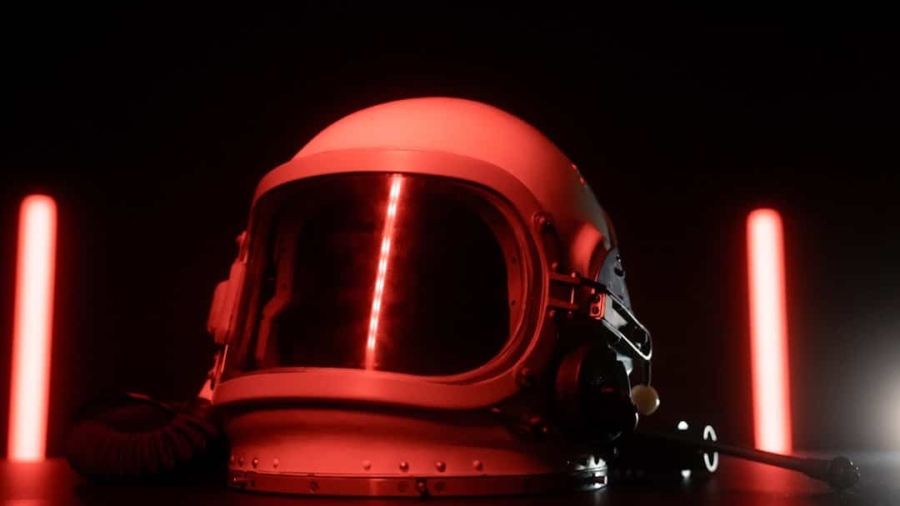
Thinking about what astronauts wear on their spacewalks – those bulky, white suits – it’s easy to imagine they’ll always look pretty much the same. But the reality is, space exploration is constantly pushing the boundaries, and that includes what we wear while we’re out there. So, what’s actually new and coming down the pipeline for next-generation spacesuits? In short, we’re looking at lighter, more flexible, and smarter suits that can handle more extreme conditions and even help astronauts perform more complex tasks.
For decades, spacesuit development has been a balancing act. We need them to protect against the vacuum of space, extreme temperatures, and micrometeoroids, but that protection often comes with bulk and stiffness that limits movement. Next-generation materials are aiming to break that cycle.
Rethinking Pressure Garments
The core of a spacesuit is the pressure garment, the part that actually holds in air to keep the astronaut alive. Traditional designs use multiple layers of tightly woven fabrics and bladders, which, while effective, restrict mobility.
Advanced Weaves and Composites
Instead of relying solely on traditional textiles, researchers are exploring advanced weave structures and composite materials. Think of them like incredibly tough but flexible armor. These new materials can maintain their shape and structural integrity under pressure while allowing for a much greater range of motion. Imagine bending your knees or reaching overhead without feeling like you’re fighting the suit itself.
This isn’t just about comfort; it’s about enabling astronauts to perform intricate tasks more efficiently and safely.
Shape Memory Alloys and Actuators
Another fascinating avenue involves incorporating materials that can change their shape, like shape memory alloys. These can be integrated into the suit’s structure to provide controlled movement and support. For instance, a joint that might be stiff in one position could actively flex when the astronaut wills it, assisted by small, integrated actuators. This could make movements like climbing out of a spacecraft or fine-tuning a piece of equipment far less taxing.
Enhanced Protection Without the Bulk
Protection is paramount, but nobody wants to feel like they’re wearing a tank. The goal is to achieve superior protection with a significantly reduced mass and volume.
Nanomaterials for Micrometeoroid Defense
Micrometeoroids – tiny bits of space rock and dust – can be a serious hazard. While current suits have layers of Kevlar and other protective materials, newer approaches are looking at integrating nanomaterials. These materials, at the atomic or molecular level, can offer incredible strength and impact resistance. Imagine a thin, flexible sheet of material that can stop a high-speed projectile that would otherwise punch a hole in a conventional suit. This could mean fewer, thinner layers for the same or better protection.
Smart Thermal Regulation
Keeping astronauts at a comfortable temperature in the harsh extremes of space – from the searing heat of direct sunlight to the frigid shadows – is a constant challenge. Today’s suits rely on liquid cooling garments worn underneath. Future suits are exploring more integrated and responsive thermal management systems.
Phase Change Materials
These are materials that absorb or release heat as they change from one phase to another (like solid to liquid). Integrating them into the suit’s layers could provide passive thermal regulation, absorbing excess heat when the astronaut is active or in sunlight, and releasing it when they cool down. This is a more energy-efficient and potentially lighter solution than constantly pumping fluids.
Advanced Insulation Technologies
Beyond traditional foam insulation, researchers are developing aerogels and vacuum insulation technologies that offer superior thermal resistance with significantly less material. These materials trap air or create a vacuum in a way that makes it incredibly difficult for heat to transfer, keeping the astronaut insulated from the extreme external temperatures.
In exploring the advancements in space exploration technology, the article on Next Generation Spacesuit Materials and Integration highlights the innovative materials being developed to enhance astronaut safety and mobility. For a broader understanding of how cutting-edge technology influences various fields, you might find the article on the iPhone 14 Pro insightful, as it discusses the unique features and advancements that set this device apart in the tech industry. You can read more about it here: What is Special About the iPhone 14 Pro?.
Key Takeaways
- Clear communication is essential for effective teamwork
- Active listening is crucial for understanding team members’ perspectives
- Setting clear goals and expectations helps to keep the team focused
- Encouraging open and honest feedback fosters a culture of continuous improvement
- Celebrating successes and milestones boosts team morale and motivation
Integrating Intelligence: The ‘Smart’ Spacesuit
The next generation of spacesuits won’t just be about passive protection; they’ll be active partners in space exploration, packed with integrated technology.
Biosensing and Health Monitoring
Knowing how an astronaut is feeling and performing during a spacewalk is crucial for their safety and for mission success. Future suits will be able to monitor a surprising amount of physiological data.
Wearable Biosensors
Forget bulky medical equipment. Advanced spacesuits will likely incorporate an array of unobtrusive biosensors directly into the fabric. These sensors can track heart rate, respiration, body temperature, hydration levels, and even stress indicators. This real-time data can be relayed to mission control or a suit-mounted display, allowing for immediate intervention if an astronaut shows signs of physiological distress.
Gait Analysis and Fatigue Monitoring
Beyond basic vital signs, these intelligent suits could even monitor an astronaut’s movement and posture. Analyzing their gait and the effort involved in certain movements can provide insights into fatigue levels and potential muscle strain. This could help mission planners optimize work schedules and prevent injuries.
Enhanced Communication and Navigation
Staying connected and knowing where you are in a vast, featureless environment like space is vital.
Next-generation suits will integrate advanced communication and navigation systems.
Integrated Communication Systems
While current suits have radios, future iterations are looking at more seamless integration. This could include augmented reality displays that overlay information about your location, mission objectives, or even the names of equipment you’re interacting with, directly within the astronaut’s helmet visor. Imagine seeing a highlighted checklist for a specific repair task appear right in front of you.
Inertial Navigation and Positional Awareness
Operating in 3D space without obvious landmarks can be disorienting. Advanced inertial navigation systems, combined with external tracking, will provide astronauts with a precise sense of their position and orientation relative to their spacecraft or worksite. This reduces the cognitive load and the risk of getting lost or disoriented.
Augmented Reality and Heads-Up Displays
The helmet is a prime real estate for these advancements. Heads-up displays (HUDs) are becoming increasingly sophisticated.
Dynamic Information Overlay
Instead of static readouts, HUDs in future spacesuits will offer dynamic information overlays. This could include real-time telemetry from the suit itself, diagrams of the task at hand, or even augmented views of the environment showing hazards or critical components that might not be immediately visible.
Remote Assistance and Telepresence
Imagine an astronaut encountering a problem they haven’t seen before. A HUD could allow a specialist on Earth or on the spacecraft to remotely see what the astronaut sees and guide them through the repair, projecting instructions or diagrams directly into their field of view. This “telepresence” capability significantly expands the expertise available to an astronaut in the field.
Powering the Future: Energy and Efficiency

All these advanced features and materials require power. Making spacesuits more energy-efficient and finding novel power sources is a key area of research.
Advanced Battery Technologies
The lifespan of a spacewalk is limited by the power available. Next-generation suits will leverage breakthroughs in battery technology.
Solid-State Batteries
These batteries, which replace liquid electrolytes with solid materials, offer higher energy density, improved safety (less risk of leakage or fire), and a longer lifespan compared to current lithium-ion batteries. This means longer spacewalks and more power for onboard systems.
Flexible and Integrated Power Sources
Instead of rigid battery packs, researchers are exploring flexible battery technologies that can be seamlessly integrated into the suit’s fabric.
This reduces bulk and allows for more efficient power distribution throughout the suit’s various components.
Energy Harvesting Technologies
Beyond just storing power, future suits might be able to generate it.
Photovoltaic Integration
While not a primary power source for a spacewalk due to their limited efficiency in space conditions and the need for flexibility, flexible solar cells integrated into certain parts of the suit could potentially supplement power for lower-demand systems or recharge batteries during periods of inactivity.
Thermoelectric Generators
These devices can convert heat energy directly into electrical energy. As the human body generates heat, and the spacecraft or external environment can be very hot, thermoelectric generators could potentially harvest some of this waste heat to generate small amounts of electricity, further extending the functional life of the suit’s systems.
The Challenge of Integration: Making it All Work Together

Having incredible new materials and smart technologies is one thing, but making them all work together seamlessly within the confines of a spacesuit is a monumental engineering challenge.
System-Level Design
It’s not just about creating a better glove or a smarter helmet; it’s about how these components interact.
Miniaturization and Weight Reduction
Every component added to a spacesuit must be as small and light as possible. Integration means finding ways to miniaturize electronics, power systems, and life support components without compromising functionality. This requires innovative packaging and design solutions.
Thermal Management for Electronics
All these electronics generate heat. Integrating them into a suit also means dealing with how to dissipate that heat effectively, especially within the already complex thermal regulation system of the suit.
Material Compatibility and Longevity
Ensuring that all the different materials used in a next-generation spacesuit can coexist and perform their functions reliably over extended periods in the harsh space environment is critical.
Degradation Resistance
Space is full of radiation, atomic oxygen, and extreme temperature cycles. New materials must be highly resistant to degradation from these factors to ensure the suit’s safety and functionality for the entire mission duration and potentially for multiple missions.
Ease of Repair and Maintenance
While durability is key, even the most advanced suits will eventually require maintenance or repair. The design must consider how astronauts or ground crews can access and replace components easily, whether it’s on orbit or back on Earth. This might involve modular designs or easily swappable units.
Human Factors and Ergonomics
Ultimately, these suits are for humans. They need to be designed with the astronaut’s physical and psychological well-being in mind.
Reducing Cognitive Load
All the “smart” features shouldn’t overwhelm the astronaut. Interfaces need to be intuitive, and information needs to be presented in a way that is easy to understand and act upon, especially under stressful conditions.
Maintaining Dexterity and Tactile Feedback
Even with advanced gloves, retaining a sense of touch and fine motor control is essential for performing delicate tasks. Next-generation materials and designs are focusing on improving tactile feedback, allowing astronauts to feel objects more accurately, which is crucial for manipulation and preventing accidental damage.
In the quest for advanced space exploration, the development of next-generation spacesuit materials and their integration into functional designs is crucial. A related article discusses the latest innovations in technology that enhance performance and comfort for astronauts. For those interested in how cutting-edge materials are shaping the future of space travel, this article provides valuable insights. You can read more about it here.
The Road Ahead: From Lab to Lunar Surface and Beyond
| Metrics | Data |
|---|---|
| Weight of Spacesuit Material | 10-20 pounds |
| Flexibility | High |
| Durability | Long-lasting |
| Thermal Insulation | Effective |
| Radiation Protection | High |
The advancements in spacesuit materials and integration aren’t happening in a vacuum. They are driven by the ambitious goals of future space exploration.
Lunar and Martian Operations
For missions to the Moon and Mars, astronauts will need suits that are not only protective but also allow for sustained surface exploration and construction activities.
Dust Mitigation
Lunar and Martian dust is notoriously abrasive and pervasive. Future suits need advanced dust-repellent coatings and sealing mechanisms to prevent it from interfering with suit functions or posing a health hazard.
Mobility for Extended Extravehicular Activities (EVAs)
Longer EVAs on different terrains will require suits with unprecedented levels of mobility and endurance, allowing astronauts to work efficiently for extended periods away from their lander.
Commercial Spaceflight and New Markets
As space tourism and private space ventures grow, there will be a demand for more accessible, versatile, and potentially less expensive spacesuits.
Standardized Components and Modularity
To facilitate broader adoption and lower costs, future suit designs might incorporate more standardized components and modularity, allowing for easier customization and maintenance for different types of missions and users.
Beyond the Outer Planets
As we look towards exploring the moons of Jupiter and Saturn, the challenges become even more extreme, and the need for highly specialized, robust, and adaptable spacesuits will be paramount.
The evolution of spacesuits from the bulky, functional garments of the Apollo era to the intelligent, highly integrated systems on the horizon is a testament to human ingenuity. These next-generation suits promise to make space exploration safer, more efficient, and more ambitious than ever before.
FAQs
What are next generation spacesuit materials?
Next generation spacesuit materials are advanced fabrics and composites designed to provide better protection, mobility, and comfort for astronauts during space missions. These materials are being developed to withstand the harsh conditions of space, including extreme temperatures, radiation, and micrometeoroids.
How are next generation spacesuit materials integrated into spacesuits?
Next generation spacesuit materials are integrated into spacesuits through a combination of advanced design, engineering, and manufacturing techniques. These materials are tailored to specific areas of the spacesuit to provide the necessary protection, flexibility, and durability required for space exploration.
What are the key benefits of next generation spacesuit materials?
The key benefits of next generation spacesuit materials include improved mobility, enhanced protection against space hazards, increased comfort for astronauts, and reduced maintenance requirements. These materials also offer potential weight savings and improved thermal regulation, making them essential for future space missions.
What challenges are involved in developing next generation spacesuit materials?
Developing next generation spacesuit materials involves overcoming challenges such as ensuring durability in extreme environments, maintaining flexibility for movement, and integrating advanced technologies for communication and life support systems. Additionally, these materials must be tested extensively to meet the rigorous safety standards for space exploration.
How will next generation spacesuit materials impact future space exploration?
Next generation spacesuit materials are expected to significantly impact future space exploration by enabling longer-duration missions, including lunar and Mars surface exploration. These materials will provide astronauts with the necessary protection and mobility to conduct scientific research and exploration in the challenging environment of space.
Enjoying our content? Make us a preferred source on Google:
Add us as a Preferred Source on Google