

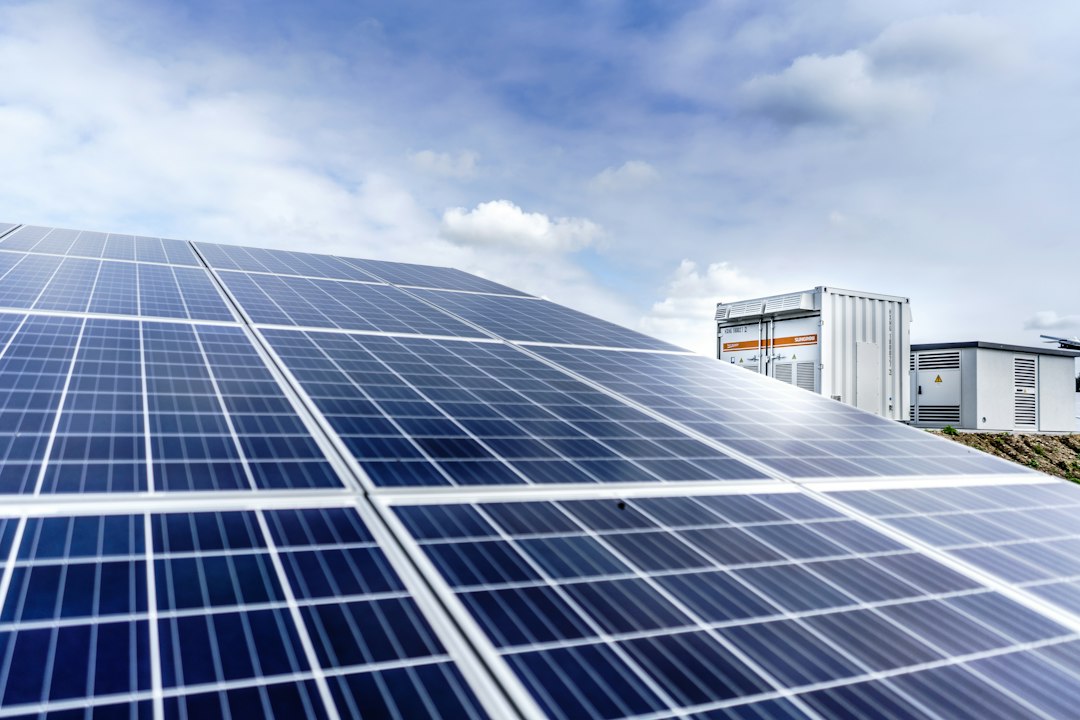
Perovskite solar cells are rapidly emerging as a game-changer in renewable energy, offering a compelling alternative to traditional silicon photovoltaics, especially for integrating into smart infrastructure. They’re highly efficient, relatively inexpensive to produce, and offer a level of flexibility and transparency that silicon simply can’t match. This makes them ideal for applications beyond rooftop panels, such as building-integrated photovoltaics (BIPV), smart windows, and even powering smaller, distributed sensors in urban environments. We’re looking at a future where energy generation is far more pervasive and seamlessly woven into our daily surroundings.
Why Perovskites are a Big Deal for Smart Infrastructure
The move towards smarter cities and interconnected infrastructure isn’t just about data and connectivity; it’s fundamentally about efficiency and sustainability. Traditional energy sources and even conventional solar panels have limitations when it comes to integrating directly into diverse urban environments. This is where perovskites shine, offering a suite of properties that make them uniquely suited for powering the smart infrastructure of tomorrow.
The Efficiency Edge
One of the most attractive features of perovskite solar cells is their impressive and rapidly improving power conversion efficiency. In laboratory settings, single-junction perovskite cells have already surpassed 25%, and tandem cells (perovskite layered with silicon) are pushing past 30%. This is highly competitive with, and in some cases even exceeding, the best commercial silicon panels. For smart infrastructure, higher efficiency means more power generated from a smaller footprint, which is crucial in densely populated urban areas where space is a premium. You can imagine a building facade generating substantial electricity without looking like a traditional solar farm.
Cost-Effectiveness and Manufacturing Flexibility
Unlike silicon, which requires high-temperature, energy-intensive manufacturing processes, perovskite cells can be fabricated using solution-based techniques. This means they can be printed, coated, or sprayed onto various substrates at much lower temperatures. This significantly reduces manufacturing costs and energy consumption during production. This flexibility also opens up possibilities for roll-to-roll manufacturing, enabling high-volume, low-cost production. Think about printing solar cells like you print newspapers – that’s the kind of scalability we’re talking about. This cost advantage is critical for widespread adoption, especially in applications where traditional solar might be too expensive or impractical.
Versatility in Form and Function
This is perhaps where perovskites truly differentiate themselves for smart infrastructure. Their unique material properties allow for an unprecedented level of versatility.
Transparency and Aesthetics for BIPV
Imagine windows that not only let in light but also generate electricity. Perovskite cells can be made semi-transparent, allowing them to be seamlessly integrated into building facades, skylights, and windows without significantly obstructing views. This “see-through” solar technology is a holy grail for building-integrated photovoltaics (BIPV), turning every surface into a potential power generator without compromising architectural design or natural light. This isn’t just about putting panels on a roof; it’s about turning the entire building envelope into an active energy component.
Mechanical Flexibility for Curved Surfaces
Traditional silicon panels are rigid and brittle, limiting their application to flat surfaces. Perovskite cells, however, can be deposited on flexible substrates like plastic films or even fabrics. This mechanical flexibility allows them to conform to curved surfaces, making them suitable for non-traditional applications like flexible solar skins for electric vehicles, wearable electronics, or even tents and temporary structures. In smart cities, this could mean solar power integrated into street furniture, public transport shelters, or even self-powered smart signage.
Low-Light Performance and Indoor Energy Harvesting
One often overlooked advantage is perovskites’ excellent performance under low-light conditions and artificial indoor lighting. While traditional silicon cells see a significant drop in efficiency in dim light, perovskites maintain a higher relative efficiency. This makes them ideal for indoor energy harvesting, powering small sensors, IoT devices, and even smart home appliances without direct sunlight. Imagine smart sensors in a warehouse or office building continuously powered by ambient light, eliminating the need for frequent battery changes.
Next-Generation Perovskite Solar Cells are poised to revolutionize the renewable energy landscape, particularly in the context of smart infrastructure. These advanced solar cells offer enhanced efficiency and lower production costs, making them an attractive option for integrating renewable energy sources into urban environments. For further insights into the technological advancements driving this integration, you can read a related article on the impact of emerging technologies on energy systems at Recode. This article delves into how innovations are shaping the future of energy consumption and sustainability.
Key Takeaways
- The training data includes information and events up to October 2023.
- Insights and knowledge are based on a wide range of sources available until the cutoff date.
- No updates or developments occurring after October 2023 are included in the training.
- Users should verify current information from reliable sources for the latest updates.
- The model’s responses reflect the context and knowledge available up to the specified date.
Current Challenges and Ongoing Research
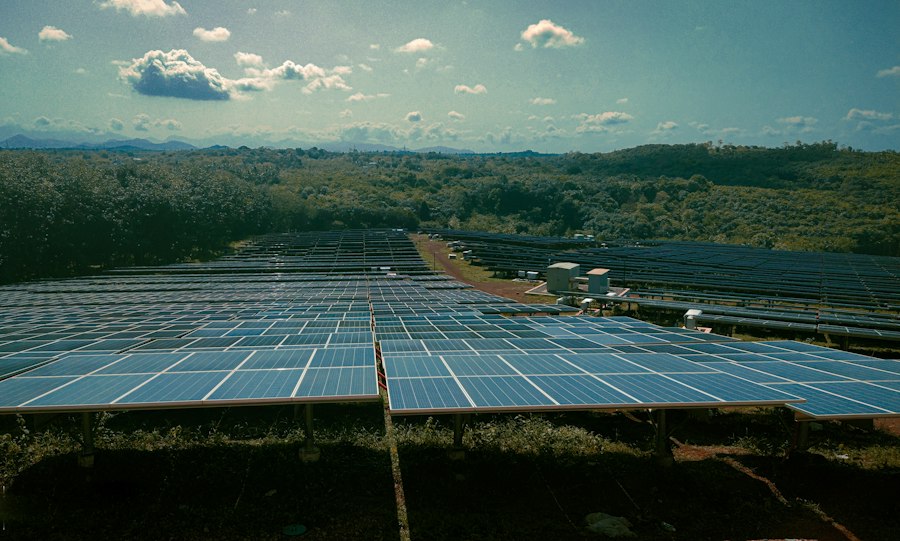
Despite their impressive potential, perovskite solar cells are still a relatively new technology, and there are several hurdles that need to be overcome before they can achieve widespread commercialization, especially in demanding smart infrastructure applications. Researchers worldwide are actively addressing these issues.
Stability and Durability
The biggest challenge facing perovskite solar cells is their long-term stability, particularly under real-world operating conditions.
They are known to degrade when exposed to moisture, oxygen, heat, and UV light.
For smart infrastructure, where systems are expected to operate reliably for decades, this is a critical concern.
Moisture and Oxygen Sensitivity
The organic components often used in perovskite formulations are particularly susceptible to degradation when they react with water vapor and oxygen. This leads to a breakdown of the perovskite crystal structure, reducing efficiency over time. Researchers are exploring several strategies to combat this, including developing more robust encapsulation layers using materials like atomic layer deposition (ALD) aluminum oxide or specialized polymers. They are also working on modifying the perovskite material itself, incorporating more stable inorganic components or developing 2D/3D hybrid structures that offer better intrinsic protection.
Thermal Stability
High temperatures, particularly in outdoor environments with intense sunlight, can also accelerate perovskite degradation. The perovskite crystal structure can undergo phase transitions at elevated temperatures, affecting its performance. This is being addressed by synthesizing perovskite materials with higher intrinsic thermal stability and by optimizing device architectures to dissipate heat more effectively. For example, using different charge transport layers that are more resilient to heat can help extend device lifetime.
UV Light Degradation
Prolonged exposure to ultraviolet light can also cause perovskite materials to degrade, particularly the organic cations. This is a significant issue for outdoor applications. Solutions include incorporating UV filters into the device structure or developing perovskite compositions that are intrinsically more UV-stable. Some researchers are exploring all-inorganic perovskite variants, which generally exhibit better stability against UV radiation.
Next-generation perovskite solar cells are poised to play a crucial role in accelerating renewable energy integration within smart infrastructure, offering enhanced efficiency and lower production costs. A related article discusses the best niche for affiliate marketing on platforms like Instagram, highlighting how innovative technologies can attract attention and drive engagement. By exploring the intersection of renewable energy and digital marketing, we can better understand how to promote sustainable solutions effectively. For more insights, you can read the article here.
Lead Toxicity Concerns
Many of the most efficient perovskite formulations contain lead, which is a toxic heavy metal. While the amount of lead in a single solar cell is small, concerns exist about environmental contamination from large-scale deployment or accidental damage/disposal.
Lead-Free Alternatives
The primary research direction here is to develop lead-free perovskite alternatives. Tin-based perovskites, for example, have shown promising efficiencies, but their stability often lags behind their lead-based counterparts. Germanium and bismuth-based compounds are also being explored. While some progress has been made, lead-free perovskite cells generally still lag in efficiency and stability compared to their lead-halide brethren. This remains an active and important area of research.
Containment and Recycling Strategies
Even with lead-free alternatives being developed, it’s likely that lead-based perovskites will still see some use in the near term due to their superior performance. Therefore, developing robust encapsulation methods to prevent lead leaching in case of damage, and establishing effective recycling pathways for end-of-life perovskite modules, are crucial. This ensures that any lead present is safely contained and recycled, minimizing environmental impact.
Scalability of Manufacturing
While solution-based processing offers cost advantages, scaling these techniques from laboratory batches to mass production for large-area modules presents its own set of challenges. Achieving uniform film quality and performance over large areas using techniques like slot-die coating or spray coating requires precise control over precursor solutions, drying conditions, and ambient environment. Ensuring consistent quality and yield across massive production lines is an engineering challenge that industrial partners are actively working on.
Integrating Perovskites into Smart Infrastructure Applications
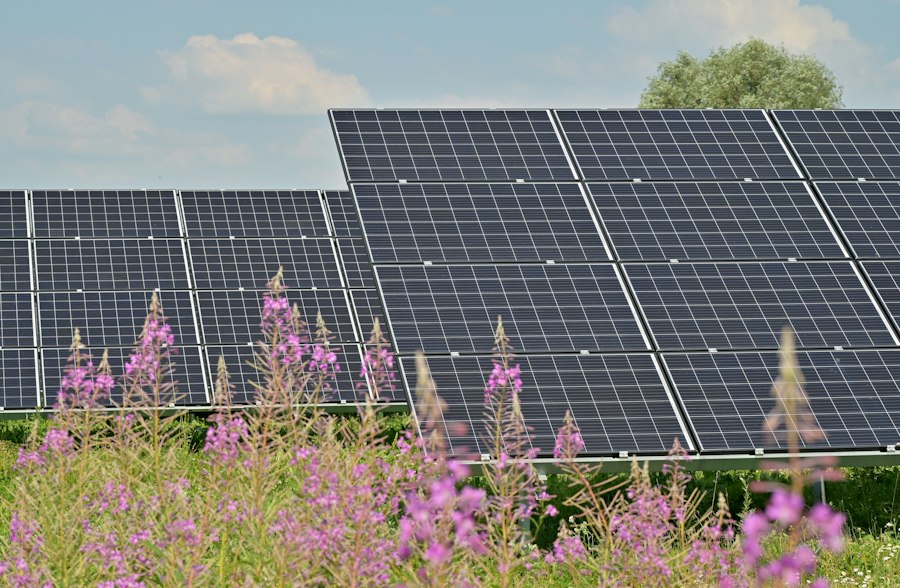
The unique properties of perovskite solar cells open up a vast array of possibilities for their integration into various components of smart infrastructure, going far beyond traditional rooftop solar. This is where the concept of pervasive energy generation truly comes to life.
Building-Integrated Photovoltaics (BIPV)
This is arguably one of the most exciting and impactful applications for perovskites in smart cities. Instead of just generating power, buildings can become active power producers, blending seamlessly into their environment.
Smart Windows and Facades
Imagine office buildings, residential towers, or even glass-enclosed train stations where the windows themselves generate electricity.
Semi-transparent perovskite cells can be laminated between glass panes, allowing visible light to pass through while converting a portion of the solar spectrum into electricity. This not only reduces reliance on the grid but also helps with building thermal management by absorbing some of the incident solar radiation. The aesthetic appeal is maintained, or even enhanced, as the solar cells are virtually invisible from a distance.
Building facades, traditionally passive elements, can be transformed into dynamic energy-generating surfaces using opaque or colored perovskite panels.
Rooftop and Wall Cladding
Beyond glass, flexible perovskite films can be integrated into various roofing materials, wall cladding, and even painted surfaces. This allows for a more versatile approach to solar deployment, especially on complex or curved architectural designs where rigid silicon panels would be impractical. This means every surface exposed to sunlight can potentially become an energy generator, maximizing power production within urban constraints.
Distributed Power for IoT and Sensors
The burgeoning Internet of Things (IoT) relies on countless sensors deployed throughout urban environments for everything from traffic monitoring and air quality sensing to smart lighting and waste management.
Powering these devices is a significant challenge, often relying on batteries that need frequent replacement or cumbersome wiring.
Self-Powered Sensors
Perovskite cells, particularly those optimized for low-light conditions, are perfectly suited for providing continuous power to these distributed IoT devices. A small perovskite cell integrated directly into a sensor unit could harness ambient light (indoors or outdoors) to keep the device running indefinitely, eliminating the need for batteries or external power connections. This drastically reduces maintenance costs and environmental impact from battery disposal, making large-scale IoT deployments more feasible and sustainable.
Smart Street Furniture and Signage
Consider smart streetlights that are powered by integrated perovskite cells, or digital signage that draws its energy from its own surface.
Bus stops, benches, and information kiosks could all become energy-independent units, feeding data into the smart city network without requiring grid connections. This decentralization of power generation enhances the resilience of the smart infrastructure.
Smart Grids and Energy Storage Integration
While perovskite cells generate power, integrating them effectively into smart grids requires sophisticated energy management and storage solutions.
Localized Microgrids
Perovskite installations on buildings or street furniture can form localized microgrids, providing power directly to nearby loads. This reduces transmission losses and enhances grid resilience, as these microgrids can often operate independently during a main grid outage.
Smart energy management systems would then optimize the flow of power between generation, storage (e.g., batteries), and consumption within these microgrids.
Hybrid Systems
Perovskite solar cells can be seamlessly integrated with existing renewable energy sources and battery storage systems. For example, a perovskite-powered smart window could be paired with a small battery to store excess energy generated during the day, providing power during the night or cloudy periods. This hybrid approach maximizes energy utilization and ensures a more consistent power supply for smart infrastructure components.
The flexibility of perovskite deposition can also facilitate co-integration with other technologies, such as thermoelectric generators, to create multi-source energy harvesting solutions.
The Road Ahead: Overcoming Remaining Hurdles
While the progress in perovskite solar cell research has been astounding, their journey from laboratory marvel to widespread commercial deployment in smart infrastructure still requires concerted effort. Several key areas need continued focus and investment.
Scaling Up Production and Manufacturing Reliability
Moving beyond lab-scale prototypes to large-scale, high-throughput manufacturing is critical. This involves developing robust, repeatable, and cost-effective industrial processes.
Roll-to-Roll Manufacturing
For flexible perovskite cells, roll-to-roll manufacturing offers the promise of extremely high production rates and low costs. However, achieving high efficiency and stability across large, continuously manufactured sheets remains a significant engineering challenge. Precision control of layer thickness, deposition uniformity, and defect mitigation during continuous processing are paramount. Investments in advanced manufacturing equipment and process control technologies are essential here.
Quality Control and Standardization
As with any new technology, establishing rigorous quality control protocols and industry standards is vital. This includes developing standardized testing methods for efficiency, stability, and durability under various environmental conditions. Certifications will be necessary to instill confidence in developers and consumers, particularly for long-term deployments in critical infrastructure. The lack of widely accepted standards can hinder adoption, so collaboration between researchers, manufacturers, and regulatory bodies is important.
Regulatory Frameworks and Economic Incentives
The integration of new energy technologies into smart infrastructure often requires supportive policy and economic mechanisms.
Building Codes and Standards
Building codes will need to evolve to accommodate BIPV solutions. This includes safety regulations for electrical integration, fire safety, and structural integrity when incorporating solar materials directly into building envelopes. Clear guidelines and streamlined permitting processes for perovskite-based BIPV will accelerate adoption.
Economic Support and Investment
Government incentives, such as tax credits, subsidies, or feed-in tariffs, can play a crucial role in de-risking early deployments and stimulating market demand for perovskite technologies. Private investment in research, development, and manufacturing scale-up is also essential to bring these innovations to market efficiently. Demonstrator projects in smart cities can also serve as powerful showcases for the technology’s potential.
Long-Term Research and Development
Continued investment in fundamental and applied research is indispensable for addressing the remaining challenges and unlocking the full potential of perovskite solar cells.
Enhanced Stability Mechanisms
While progress has been made, further breakthroughs in intrinsic material stability (e.g., developing new, highly stable perovskite compositions and dopants) and advanced encapsulation techniques are needed to meet the 20-30 year lifespan requirements typical for infrastructure. Research into self-healing materials or smart coatings that can repair minor damage could also be transformative.
Advanced Device Architectures
Exploring novel device architectures, such as multi-junction perovskite cells or perovskite-silicon tandem cells, promises even higher efficiencies. Research into transparent electrodes, low-cost charge transport layers, and lead-free alternatives also remains a high priority. Furthermore, optimizing perovskite cells specifically for indoor light harvesting or narrow spectral ranges (for specific sensor applications) will open up more niche but important markets.
Lifecycle Assessment and Recycling
As the technology matures, comprehensive lifecycle assessments (LCAs) are necessary to fully understand the environmental impact of perovskite solar cells from production to disposal. This includes developing efficient and environmentally friendly recycling processes to recover valuable materials and safely manage any hazardous components, such as lead, ensuring a truly sustainable energy solution.
In essence, perovskite solar cells are not just an incremental improvement but a foundational technology that could redefine how we power and design our smart infrastructure. Their ability to generate electricity efficiently, flexibly, and unobtrusively makes them a perfect match for the complex, interconnected environments of future cities. While challenges remain, the pace of innovation suggests that perovskites will soon be a ubiquitous part of our energy landscape, silently powering the intelligent world around us.
FAQs
What are perovskite solar cells and how do they work?
Perovskite solar cells are a type of solar cell that use perovskite-structured materials to convert sunlight into electricity. These materials have unique properties that allow them to efficiently absorb light and generate an electric charge, making them a promising alternative to traditional silicon-based solar cells.
What makes next-generation perovskite solar cells different from current solar technologies?
Next-generation perovskite solar cells offer higher efficiency levels and lower production costs compared to current solar technologies. They also have the potential for flexible and transparent designs, making them suitable for integration into various smart infrastructure applications.
How do perovskite solar cells contribute to accelerating renewable energy integration in smart infrastructure?
Perovskite solar cells play a crucial role in accelerating renewable energy integration in smart infrastructure by providing a cost-effective and efficient energy generation solution. Their versatility and scalability make them ideal for powering various smart devices, buildings, and transportation systems.
What are the challenges associated with the commercialization of perovskite solar cells?
Some of the challenges associated with the commercialization of perovskite solar cells include stability issues, toxicity concerns related to certain materials used in their production, and the need for large-scale manufacturing processes to meet the growing demand for renewable energy solutions.
How can next-generation perovskite solar cells impact the future of renewable energy integration?
Next-generation perovskite solar cells have the potential to revolutionize the renewable energy sector by offering a highly efficient, low-cost, and scalable solution for integrating solar power into smart infrastructure. Their development could significantly accelerate the transition to a more sustainable and environmentally friendly energy system.
Enjoying our content? Make us a preferred source on Google:
Add us as a Preferred Source on Google