

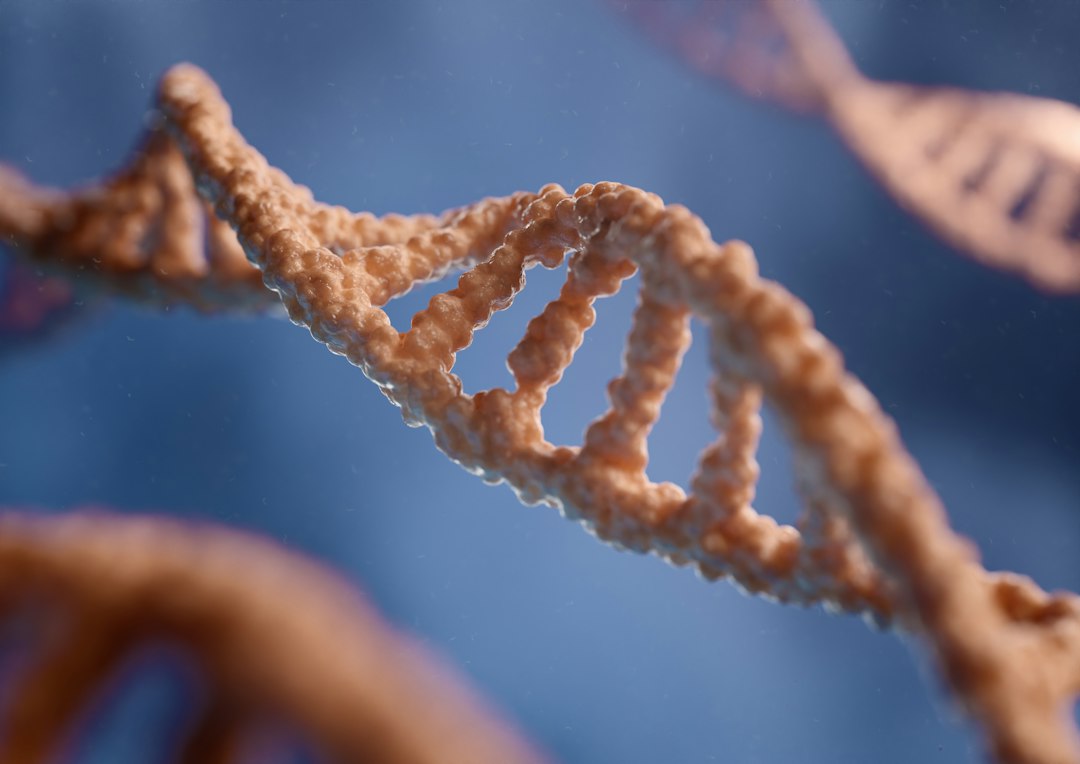
It’s becoming increasingly clear that our chronological age – the number of years we’ve been alive – doesn’t always tell the whole story about our health and how well our bodies are actually functioning. That’s where next-generation epigenetic clocks come in. They offer a much more nuanced way to measure our biological age and assess the presence of cellular senescence, which is essentially the accumulation of “zombie” cells that contribute to aging and disease. In simple terms, these clocks look at chemical tags on our DNA to give us a more accurate picture of our internal aging process than just looking at a calendar. They’re a fascinating and rapidly evolving field with the potential to transform how we understand and manage our health as we get older.
The Foundation: What Are Epigenetic Clocks?
Epigenetics refers to changes in gene expression that don’t involve alterations to the underlying DNA sequence itself. Think of it like a dimmer switch for genes – it can turn them up or down without changing the light bulb. One of the most studied epigenetic mechanisms is DNA methylation, where a methyl group is added to a cytosine base in the DNA. These methylation patterns change predictably as we age, creating a kind of molecular “clock” within our cells.
The concept of an epigenetic clock isn’t entirely new. The first widely recognized one, the Horvath clock, was developed in 2013 and could estimate chronological age with remarkable accuracy across various tissues. Since then, the field has exploded, moving beyond just chronological age prediction to focus on more biologically relevant aspects like healthspan and disease risk. These next-generation clocks are designed to capture not just how old your cells are in years, but how old they act in terms of function and health.
The Role of DNA Methylation in Aging
DNA methylation patterns are incredibly dynamic and responsive to both internal and external factors. As we age, certain CpG sites (where a cytosine is followed by a guanine) in our DNA tend to become either hypermethylated (more methyl groups added) or hypomethylated (methyl groups removed) in a predictable manner. These changes aren’t random; they’re often linked to the expression of genes involved in cellular maintenance, repair, and overall function.
For instance, some genes involved in developmental processes tend to gain methylation as we age, effectively silencing them when they’re no longer needed. Conversely, certain genes that should ideally remain active might lose methylation, leading to their aberrant expression. The collective pattern of these methylation changes across thousands of CpG sites forms the basis of epigenetic clocks. The more advanced clocks don’t just look at a few sites; they analyze hundreds or even thousands to build a comprehensive picture.
Beyond Chronological Age: Why Biological Age Matters
While chronological age is a straightforward number, biological age is a more complex measure of the physiological state of an individual. It reflects the accumulation of molecular and cellular damage, the efficiency of repair mechanisms, and overall physiological resilience. Two individuals of the same chronological age can have vastly different biological ages due to genetics, lifestyle, environmental exposures, and disease history.
A higher biological age compared to chronological age is often associated with an increased risk of age-related diseases like cardiovascular disease, neurodegenerative disorders, and cancer, as well as reduced healthspan and increased mortality risk. This is precisely why next-generation epigenetic clocks are so valuable – they provide a measurable output that correlates with these health outcomes, offering a potential early warning system and a way to track interventions.
Next-Generation Epigenetic Clocks are revolutionizing our understanding of biological age and cellular senescence, providing insights into the aging process at a molecular level. For those interested in exploring how technology impacts various aspects of life, including health and education, a related article can be found at Best Laptops for Kids 2023, which discusses the importance of choosing the right tools for learning and development in today’s digital age.
Key Takeaways
- The training data includes information and events up to October 2023.
- Insights and knowledge are based on a wide range of sources available until the cutoff date.
- No updates or developments occurring after October 2023 are included in the training.
- Users should verify current information from reliable sources for the latest updates.
- The model’s responses reflect the context and knowledge available up to the specified date.
Next-Generation Clocks: What’s New and Improved?

The first generation of epigenetic clocks, while groundbreaking, primarily focused on accurately predicting chronological age. The “next-generation” distinction signifies a shift towards clocks designed specifically to capture aspects of biological aging that are more closely tied to health and disease, rather than just the passage of time. These newer clocks incorporate more sophisticated algorithms, larger and more diverse datasets, and often focus on specific biological hallmarks of aging.
One of the key improvements is the move from simply predicting chronological age to predicting “age acceleration” or “age difference,” where a positive value indicates that an individual’s biological age is greater than their chronological age. Furthermore, these clocks are now being developed with specific clinical applications in mind, aiming to be more actionable and informative for individuals and healthcare providers.
Phenotypic Age and GrimAge: Predicting Healthspan and Mortality
Two of the most prominent next-generation clocks are PhenoAge and GrimAge. These clocks don’t just rely on methylation patterns related to chronological age; they incorporate methylation markers that are predictive of various clinical markers and mortality risk.
PhenoAge, developed by Morgan Levine and colleagues, was trained on 42 different phenotypic biomarkers that are known to change with age, such as albumin, creatinine, glucose, C-reactive protein, and white blood cell count. By identifying methylation sites strongly correlated with these markers, PhenoAge provides a “phenotypic age” that is more strongly associated with health outcomes and all-cause mortality than chronological age or even the original Horvath clock. A higher PhenoAge acceleration indicates an increased risk for various age-related diseases.
GrimAge (short for “epigenetic mortality risk predictor”), developed by Ake Lu and others, takes this a step further. It’s designed to predict time to death more accurately than previous clocks. GrimAge is based on methylation surrogate markers for seven plasma proteins (adrenomedullin, beta-2-microglobulin, cystatin C, growth differentiation factor 15, leptin, plasminogen activator inhibitor 1, and tissue inhibitor of metalloproteinases 1) and smoking pack-years. The combination of these surrogate markers allows GrimAge to be an exceptionally strong predictor of all-cause mortality, cancer, and cardiovascular disease, even when controlling for chronological age. The “GrimAge acceleration” indicates how much faster an individual is aging compared to their peers in terms of mortality risk.
Telomere Length and Senescence-Associated Methylation
Beyond general biological age, some next-generation clocks are honing in on specific hallmarks of aging, such as telomere attrition and cellular senescence. Telomeres are protective caps on the ends of our chromosomes that shorten with each cell division. Critically short telomeres trigger cellular senescence.
While telomere length can be measured directly, some epigenetic clocks have been developed to infer telomere length from DNA methylation patterns. These “epigenetic telomere length” predictors offer a non-invasive way to estimate this important aging biomarker. Similarly, researchers are identifying specific methylation changes that are characteristic of senescent cells. These “senescence-associated DNA methylation markers” could potentially lead to clocks that directly quantify the burden of senescent cells in a tissue or an individual. Detecting and quantifying senescent cells is particularly exciting because senolytics (drugs that selectively kill senescent cells) are emerging as a promising therapeutic strategy for age-related diseases.
Cellular Senescence: The “Zombie Cell” Connection
Cellular senescence is a state where cells stop dividing but remain metabolically active, often secreting a cocktail of pro-inflammatory molecules, growth factors, and proteases known as the Senescence-Associated Secretory Phenotype (SASP). These “zombie cells” accumulate with age and contribute significantly to chronic inflammation, tissue dysfunction, and the development of numerous age-related diseases, including cancer, cardiovascular disease, neurodegeneration, and metabolic disorders.
Epigenetic changes play a crucial role in both establishing and maintaining the senescent state. The chromatin structure in senescent cells undergoes significant remodeling, often accompanied by global changes in DNA methylation patterns.
These changes can alter gene expression, leading to the upregulation of SASP factors and the downregulation of genes involved in cell proliferation and repair.
Identifying Senescent Cells Via Methylation Signatures
Traditionally, identifying senescent cells in tissues has been challenging. Methods often rely on markers like beta-galactosidase activity (SA-B-gal), p16INK4a, or p21WAF1/CIP1 expression, which can be inconsistent or difficult to apply broadly. The emergence of epigenetic clocks that can detect senescence-associated methylation patterns offers a more robust and quantitative approach.
Researchers are actively working on developing “senescence clocks” that are specifically trained to identify methylation signatures unique to senescent cells.
These clocks could potentially quantify the burden of senescent cells in a blood sample or a tissue biopsy, providing a valuable biomarker for age-related decline and a way to monitor the effectiveness of senolytic therapies. Imagine being able to non-invasively track the accumulation of these problematic cells and see if an intervention is actually clearing them out. This is where the real power of these clocks lies.
The Senescence-Associated Secretory Phenotype (SASP)
The SASP is a critical component of cellular senescence.
It’s the reason why senescent cells, even though they can’t divide, are so damaging to surrounding tissues. The molecules secreted by senescent cells create a pro-inflammatory microenvironment that can promote tumor growth, disrupt tissue architecture, and impair the function of healthy neighboring cells.
Epigenetic regulation is deeply intertwined with the SASP. The genes encoding many SASP factors are regulated by specific methylation patterns.
For example, some genes encoding pro-inflammatory cytokines might become demethylated in senescent cells, leading to their sustained overexpression. By understanding these epigenetic changes, researchers can develop more targeted ways to detect and potentially mitigate the harmful effects of the SASP. Next-generation epigenetic clocks that can identify the presence of this active secretion profile through methylation changes would be incredibly powerful.
Practical Applications and Future Directions
The implications of next-generation epigenetic clocks are vast, spanning from personalized medicine to public health strategies. While still largely a research tool, their potential for clinical translation is becoming increasingly apparent.
Personalized Health Monitoring
Imagine a future where a simple blood test could tell you not just your cholesterol levels, but also your biological age and your risk of developing specific age-related diseases in the coming years. Epigenetic clocks could enable highly personalized health monitoring, allowing individuals to track the impact of their lifestyle choices (diet, exercise, sleep, stress management) and interventions (supplements, medications) on their biological aging rate.
For example, if an individual’s biological age is accelerating, it could serve as a powerful motivator to adopt healthier habits or to discuss potential interventions with their doctor. Conversely, a decelerating biological age could provide positive reinforcement. This level of personalized feedback could revolutionize preventive medicine.
Biomarkers for Interventions and Clinical Trials
One of the biggest challenges in aging research is finding reliable biomarkers to assess the effectiveness of anti-aging interventions. Traditional endpoints often require years of follow-up to observe changes in disease incidence or mortality. Epigenetic clocks offer a much faster and more objective measure.
In clinical trials for new geroprotective drugs (drugs that target the aging process), changes in biological age acceleration, as measured by these clocks, could serve as a valuable surrogate endpoint. This could significantly accelerate drug development, allowing researchers to quickly identify promising compounds that slow down the aging process or reduce the burden of senescent cells. It also allows for a more quantitative assessment of lifestyle interventions.
Drug Discovery and Senolytic Development
As our understanding of cellular senescence grows, so does the interest in senolytics – drugs that selectively eliminate senescent cells. Epigenetic clocks, particularly those designed to detect senescence-associated methylation, could play a crucial role in both the discovery and testing of these drugs.
They could be used to screen potential senolytic compounds in vitro and in animal models, identifying those that effectively reduce the senescent cell burden. In human trials, these clocks could provide a non-invasive way to monitor the efficacy of senolytics, confirming that the drugs are indeed clearing senescent cells from the body and, importantly, that this clearance translates into a reduction in biological age or an improvement in health outcomes.
Challenges and Considerations
While the promise of next-generation epigenetic clocks is immense, there are still challenges to address. Standardization across different platforms and laboratories is crucial to ensure comparability of results.
The cost of methylation analysis, while decreasing, can still be a barrier.
Furthermore, while these clocks are powerful predictors, they don’t fully explain the underlying mechanisms of aging; they reflect the outcome.
There’s also the ethical consideration of communicating biological age information to individuals. How will people interpret being told their biological age is significantly older or younger than their chronological age? Careful communication and counseling will be essential. Finally, research is ongoing to understand the causal links versus correlations, and to identify specific methylation changes that are truly driving the aging process versus those that are merely markers.
Next-Generation Epigenetic Clocks are revolutionizing our understanding of biological age and cellular senescence, providing insights into how our bodies age at a molecular level. These advanced tools not only help in assessing individual health but also pave the way for potential interventions in age-related diseases. For those interested in exploring innovative approaches to health and wellness, a related article discusses strategies for starting affiliate marketing in 2023, which can be a great way to promote health-related products and services. You can read more about it here.
The Broader Impact on Our Understanding of Aging
| Metric | Description | Typical Range | Relevance to Biological Age | Measurement Method |
|---|---|---|---|---|
| DNA Methylation Age (DNAm Age) | Estimated biological age based on methylation patterns at specific CpG sites | 0 – 120 years | Primary indicator of biological aging; correlates with chronological age and health status | Bisulfite sequencing, array-based methylation profiling |
| Epigenetic Age Acceleration | Difference between DNAm Age and chronological age | -10 to +10 years | Positive values indicate faster aging; linked to disease risk and mortality | Statistical comparison of DNAm Age and chronological age |
| Senescence-Associated DNA Methylation Changes | Methylation alterations specifically associated with cellular senescence markers | Variable; site-specific changes | Reflects cellular aging and senescence burden | Targeted methylation analysis of senescence-related loci |
| Horvath Clock CpG Sites | 353 CpG sites used in the original pan-tissue epigenetic clock | Fixed set of sites | Foundation for many next-generation clocks; robust across tissues | Array-based methylation profiling |
| PhenoAge Clock Metrics | Composite biomarker integrating methylation and clinical measures | Varies by individual health status | Predicts morbidity and mortality better than chronological age | DNA methylation profiling combined with clinical data |
| GrimAge Clock Metrics | Epigenetic clock incorporating DNA methylation surrogates for plasma proteins and smoking pack-years | Varies; higher values indicate increased mortality risk | Strong predictor of lifespan and healthspan | DNA methylation profiling with biomarker integration |
| Cellular Senescence Biomarkers | Markers such as p16INK4a expression and senescence-associated β-galactosidase activity | Expression/activity levels vary by tissue and age | Correlates with cellular aging and tissue dysfunction | qPCR, immunohistochemistry, enzymatic assays |
Next-generation epigenetic clocks are not just tools for measurement; they are fundamentally changing how we conceptualize and study the aging process. By providing a quantitative and objective measure of biological age and cellular senescence, they allow us to move beyond anecdotal observations and into a realm of precise, data-driven aging research.
This shift has profound implications for basic science, allowing researchers to pinpoint specific genes and pathways whose methylation patterns are most indicative of aging and disease risk.
It also opens new avenues for understanding how environmental factors, genetics, and lifestyle choices interact to influence our individual aging trajectories.
Unraveling the Interplay of Genetics and Environment
Our genes certainly play a role in how fast we age, but so does everything else we expose ourselves to – our diet, exercise habits, stress levels, pollutants, and more. Epigenetic clocks are uniquely positioned to help us disentangle this complex interplay. While our DNA sequence (our genes) is largely fixed from birth, our epigenome is remarkably plastic and responsive to environmental cues.
By comparing epigenetic age acceleration across different populations, lifestyles, and genetic backgrounds, researchers can gain insights into which factors exert the most significant influence on our biological aging rate. This could lead to a deeper understanding of gene-environment interactions and identify actionable targets for intervention. For example, if a specific methylation change linked to rapid aging is consistently observed in individuals exposed to a certain pollutant, it highlights a potential environmental hazard.
Precision Medicine in Aging
The goal of precision medicine is to tailor medical treatment to the individual characteristics of each patient. Next-generation epigenetic clocks are a perfect fit for this paradigm in the context of aging. Instead of a one-size-fits-all approach to health recommendations for “older adults,” these clocks allow for personalized risk assessments and interventions.
For an individual showing significant biological age acceleration, a clinician could delve deeper into their lifestyle, medical history, and potentially genetic predispositions to identify the root causes. Interventions could then be highly targeted – perhaps a specific dietary change, a new exercise regimen, stress reduction techniques, or even future pharmacological interventions aimed at modifying specific epigenetic pathways. The ability to monitor the effectiveness of these personalized interventions using epigenetic clocks would close the loop, providing concrete evidence of impact and allowing for further adjustments. This level of personalized insight is truly revolutionary for health and longevity.
FAQs
What are epigenetic clocks?
Epigenetic clocks are biological tools that measure the age of an organism based on DNA methylation patterns. These patterns change as cells age and can provide insights into biological age, which may differ from chronological age, reflecting the overall health and aging process of an individual.
How do next-generation epigenetic clocks differ from traditional methods?
Next-generation epigenetic clocks utilize advanced algorithms and larger datasets to improve accuracy and predictive power. They often incorporate multiple biomarkers and machine learning techniques, allowing for a more nuanced understanding of biological age and cellular senescence compared to traditional methods that may rely on fewer indicators.
What is cellular senescence, and why is it important?
Cellular senescence is a state where cells lose their ability to divide and function properly, often contributing to aging and age-related diseases. Understanding cellular senescence is crucial because it plays a significant role in tissue degeneration, inflammation, and the overall aging process, making it a target for potential therapeutic interventions.
How can measuring biological age impact health outcomes?
Measuring biological age can provide valuable insights into an individual’s health status and risk for age-related diseases. By identifying discrepancies between biological and chronological age, healthcare providers can tailor interventions, lifestyle changes, and preventive measures to improve health outcomes and longevity.
What are the potential applications of next-generation epigenetic clocks?
Next-generation epigenetic clocks have potential applications in various fields, including personalized medicine, aging research, and drug development. They can help identify individuals at risk for age-related diseases, monitor the effectiveness of anti-aging therapies, and contribute to the understanding of the biological mechanisms underlying aging.
Enjoying our content? Make us a preferred source on Google:
Add us as a Preferred Source on Google