

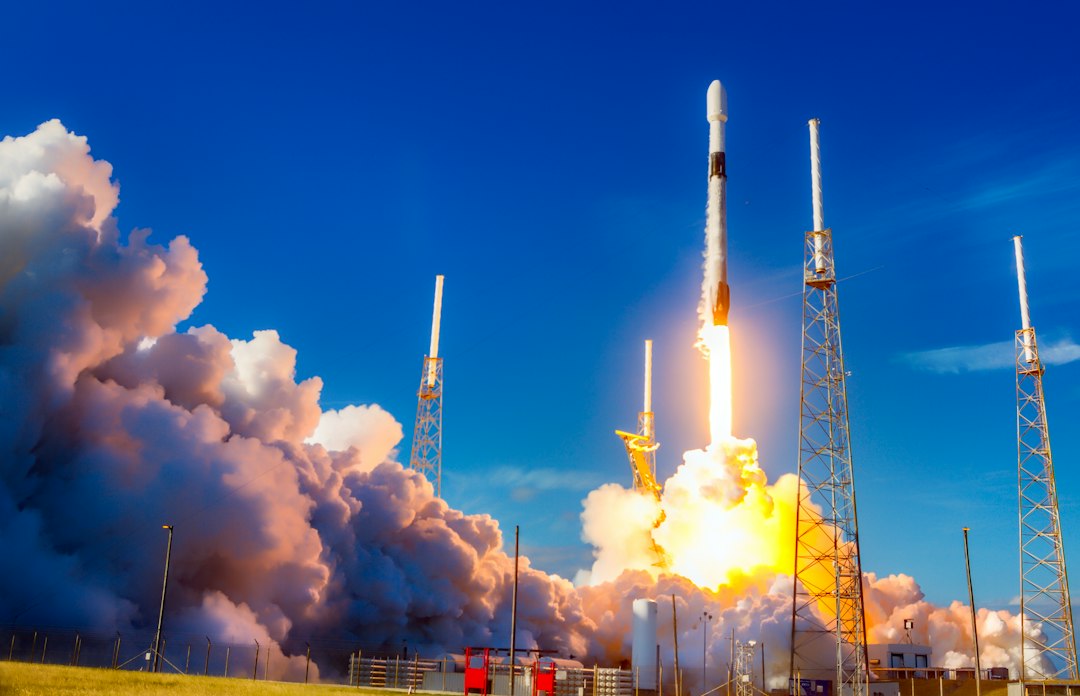
So, you’re wondering what the fuss is about with next-gen methane-oxygen propulsion, especially regarding reusability and optimizing telemetry during flight? Well, simply put, it’s about making rockets cheaper, more reliable, and smarter by using a fuel that’s easier to handle and readily available, while also ensuring we get the right data, at the right time, to make these reusable systems actually work. It’s a fundamental shift, moving away from single-use rocket stages towards a model where each launch vehicle is more like an airplane – flying, landing, and flying again with minimal turnaround. This isn’t just about saving money; it’s about unlocking new frontiers in space exploration and making space access routine.
Why Methane-Oxygen? The Practical Advantages
Let’s cut to the chase: why are so many new rocket designs – think SpaceX Starship, Blue Origin’s New Glenn, or Relativity Space’s Terran R – opting for methane (CH4) and liquid oxygen (LOX) as propellants? It’s not just a trend; there are some very real, practical advantages over traditional kerosene-LOX (RP-1/LOX) or hydrogen-LOX (LH2/LOX) systems.
Specific Impulse and Density
One of the big draws of methalox is its balanced performance. While it doesn’t offer the highest specific impulse (a measure of engine efficiency) like hydrogen-LOX, it still delivers a very respectable performance. Crucially, methane is much denser than liquid hydrogen. This means you need smaller, lighter tanks for the same amount of fuel, which directly translates to less mass being lifted into orbit. Less mass for tanks means more mass for payload. Compared to kerosene, methane offers a higher specific impulse, meaning you get more thrust for the same amount of propellant used, making your rocket more efficient overall. This sweet spot in specific impulse and density allows for more compact vehicle designs without sacrificing too much performance, which is a major win for reusability.
Propellant Characteristics and Handling
Methane is a cryogenic propellant, meaning it needs to be kept very cold, similar to liquid oxygen. This is a significant advantage over kerosene, which is stored at ambient temperatures. Why? Because when both propellants are cryogenic, you can use common bulkheads between tanks, reducing overall vehicle mass and complexity. It also simplifies the ground support equipment since you’re dealing with similar temperature ranges for both fuel and oxidizer.
Furthermore, methane is a ‘cleaner’ burning fuel than kerosene. Kerosene combustion often leaves behind soot deposits in rocket engines, which can accumulate over multiple firings. These deposits are a major headache for reusability, requiring extensive post-flight cleaning and inspection to ensure engine reliability. Methane, on the other hand, burns much more cleanly, leaving minimal residue. This drastically reduces the amount of refurbishment needed between flights, which is absolutely critical for achieving rapid turnaround times and driving down costs. Less cleaning means more flights, faster.
In-Situ Resource Utilization (ISRU) Potential
This is where methane truly shines for future space exploration. Methane can be synthesized relatively easily on other celestial bodies, notably Mars, using atmospheric carbon dioxide and water ice through a process called the Sabatier reaction. This means that future missions to Mars wouldn’t need to bring all their return fuel from Earth. They could ‘live off the land,’ producing propellant on-site. This capability, known as In-Situ Resource Utilization (ISRU), dramatically reduces the mass that needs to be launched from Earth, making long-duration human missions to Mars far more feasible and affordable. The ability to refuel on another planet is a game-changer, essentially turning Mars into a gas station.
In exploring advancements in aerospace technology, the article on Next-Gen Methane-Oxygen Propulsion highlights the importance of reusability cycles and in-flight telemetry optimization. These innovations are crucial for enhancing the efficiency and sustainability of space missions. For those interested in optimizing workflows in other fields, a related article discusses how software solutions can streamline processes and increase accuracy for tax preparers. You can read more about it here: Best Software for Tax Preparers.
Key Takeaways
- The training data includes information and events up to October 2023.
- Insights and knowledge are based on a wide range of sources available until the cutoff date.
- No updates or developments occurring after October 2023 are included in the training.
- Users should verify current information from reliable sources for the latest updates.
- The model’s responses reflect the context and knowledge available up to the specified date.
Reusability Cycles: Engineering for the Long Haul
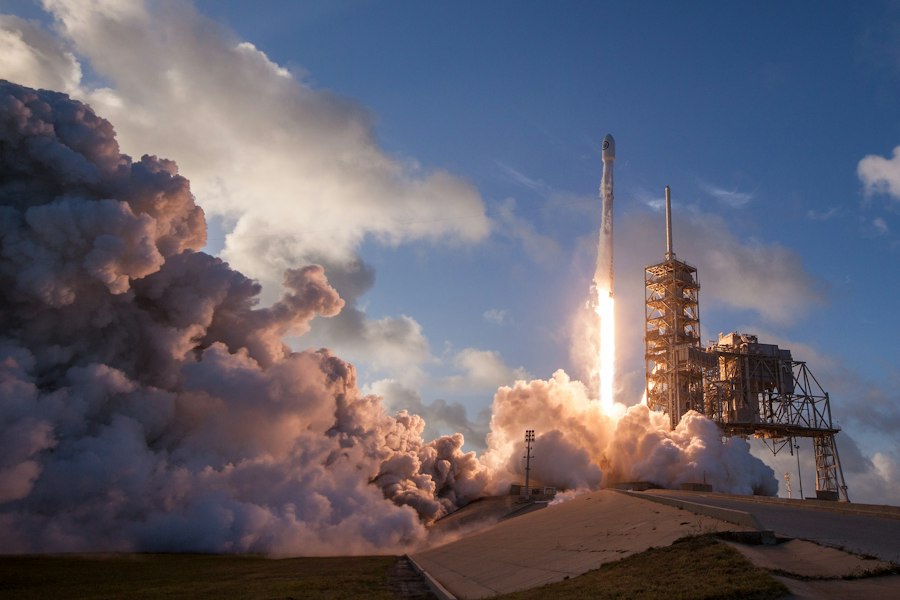
The dream of reusable rockets isn’t new, but next-gen methalox propulsion is making it a reality on a scale we haven’t seen before. Achieving rapid and reliable reusability involves a complex interplay of design choices, operational procedures, and, crucially, sophisticated data collection.
Designing for Durability and Fatigue
When you build a rocket to be reusable, you’re essentially designing an aircraft that goes to space. This means a fundamental shift from disposable structures to those built for multiple high-stress cycles. Every component, from the engine bells to the structural bulkheads, needs to withstand the incredible forces of launch, the vacuum of space, the harshness of re-entry, and the stresses of landing – not just once, but dozens or even hundreds of times.
This involves selecting advanced materials that can tolerate extreme thermal cycles and fatigue. For example, engine components might incorporate additive manufacturing (3D printing) with exotic alloys to create complex internal cooling channels that withstand immense temperatures repeatedly. Similarly, the rocket’s primary structure must be designed with careful consideration of stress concentrations and potential failure points, often incorporating features that allow for easy inspection and replacement of wear-and-tear components. The structural integrity has to be robust enough to handle repeated acoustic loads, vibrations, and aerodynamic stresses during atmospheric flight phases.
Refurbishment and Turnaround Times
The real measure of successful reusability isn’t just landing the rocket; it’s how quickly and cheaply you can get it ready for the next flight. This is where methane’s clean-burning properties become a huge asset. As mentioned, less soot means less scrubbing. Post-flight inspections become less about deep cleaning and more about visual checks, sensor data analysis, and targeted maintenance.
The goal is an ‘aircraft-like’ turnaround, where a rocket can land, be quickly serviced, refueled, and launched again within days or even hours.
This requires highly streamlined ground operations, automated inspection systems, and modular component designs that allow for quick swaps if issues are detected.
Imagine a system where sensors on the engine can tell you exactly which valve is showing signs of wear, allowing a technician to replace it proactively rather than spending days troubleshooting after a failure. This proactive maintenance, driven by data, is key to minimizing refurbishment time and maximizing flight rates.
The Role of Propellant Loading and Offloading
Reusable rockets, especially those designed for rapid turnarounds, demand highly efficient and reliable propellant loading and offloading systems. For methalox, this means dealing with cryogenics on a grand scale, quickly and safely. The loading sequence needs to be precise, ensuring correct propellant ratios and temperatures right up to launch.
After a mission, especially if a launch is scrubbed or the vehicle returns to base with propellant remaining, the ability to offload the propellants safely and efficiently is crucial. This not only avoids wasting expensive fuel but also simplifies ground operations and reduces hazards. For instance, being able to quickly detank propellants allows for faster access to the vehicle for post-flight inspections or modifications, further contributing to a quick turnaround. These systems also need to be designed with reusability in mind, tolerating repeated cycles of extreme temperature variations and high flow rates.
In-Flight Telemetry Optimization: The Data Revolution
Getting a rocket back safely and making it ready for another flight hinges critically on understanding what happened during its last journey. This is where in-flight telemetry optimization comes into play – it’s about getting the right data, at the right time, to make informed decisions.
Sensor Placement and Types
Modern rockets are bristling with sensors. We’re talking about thousands of data points being collected every second.
For next-gen methane-oxygen propulsion and reusability, the placement and types of sensors are meticulously chosen to provide insight into critical areas.
Think about temperature sensors: not just on the exterior, but within the engine’s combustion chamber walls, inside propellant lines, and even on delicate avionic components. Pressure transducers monitor everything from tank pressures to pump outputs. Accelerometers and gyroscopes track the vehicle’s orientation and vibration signatures, which can be early indicators of structural fatigue or engine anomalies.
Flow meters precisely measure propellant consumption. Even acoustic sensors can pick up subtle changes in engine operation that might indicate a problem. The key is to strategically place these sensors where they can provide the most relevant data for structural health monitoring, engine performance, and overall vehicle integrity.
Data Acquisition and Transmission
Collecting all this data is one thing; getting it off the rocket and into human-readable form in real-time is another challenge entirely. High-bandwidth data acquisition systems are needed to handle the sheer volume of information generated.
This data is then often multiplexed and transmitted to ground stations via redundant radio links.
For reusable rockets, the reliability of this transmission is paramount. Losing telemetry during a critical re-entry or landing phase could mean losing the vehicle and, more importantly, losing invaluable data that could prevent future failures. Therefore, these systems often incorporate advanced error correction, redundant antennas, and even satellite relays for continuous coverage, especially during long-duration orbital flights or interplanetary trajectories.
The goal is to provide a comprehensive, uninterrupted stream of information to ground controllers, allowing them to monitor the mission’s health and performance in real-time.
Real-Time Diagnostics and Predictive Analytics
This is where the ‘optimization’ really kicks in. It’s not enough to just collect data; you need to understand it instantly. Ground control systems are equipped with powerful processing capabilities that can analyze incoming telemetry in real-time.
Algorithms constantly compare live data against expected parameters and historical flight data. If a pressure reading suddenly spikes or a temperature deviates from its nominal range, these systems can flag it immediately, alerting human operators.
Furthermore, with enough historical data from multiple flights, engineers can begin to employ predictive analytics. This involves using machine learning and artificial intelligence to identify subtle trends or patterns in the data that might indicate an impending component failure before it actually happens.
For example, a slight increase in vibration frequency in a particular engine component over several flights might signal the need for proactive replacement, preventing a costly in-flight anomaly. This shift from reactive troubleshooting to proactive maintenance is a cornerstone of efficient reusability.
Control System Integration for Autonomous Operations
The complexity of next-gen methane-oxygen propulsion and the demands of reusability necessitate highly sophisticated control systems. These systems are not just about steering the rocket; they’re about managing an entire ecosystem of hardware, software, and data.
Closed-Loop Feedback for Engine Performance
Rocket engines are incredibly complex machines, and methane-oxygen engines are no exception. Optimal performance requires precise control over propellant flow rates, mixture ratios, and combustion pressures. Modern engines utilize closed-loop feedback control systems. This means that sensors within the engine constantly monitor parameters like chamber pressure and exhaust velocity. This data is fed back to a flight computer, which then adjusts propellant valves in real-time to maintain optimal performance, even as conditions change during ascent or during the crucial relight sequences for landing.
This level of dynamic control is essential for achieving high specific impulse, preventing inefficient combustion, and ensuring the engine can throttle precisely for various flight phases, such as reducing thrust for a controlled landing burn or varying thrust for pitch and yaw control during ascent. The ability to precisely control engine parameters is also vital for extending engine life by preventing operation outside of designed stress limits.
Guidance, Navigation, and Control (GNC) for Landing
The spectacular landing maneuvers of reusable rockets are a testament to incredibly advanced Guidance, Navigation, and Control (GNC) systems. For a rocket to navigate from orbit, through atmospheric re-entry, and perform a propulsive landing back at its launch site (or on a drone ship), it requires a system that integrates multiple sensors and sophisticated algorithms.
This includes highly accurate Inertial Measurement Units (IMUs) that track the rocket’s orientation and acceleration, GPS receivers for precise position data, and potentially star trackers or optical navigation systems for more robust positioning. The GNC software takes all this data and calculates the optimal trajectory, making continuous adjustments to engine thrust, gimballing angles, and aerodynamic surfaces (if present) to guide the vehicle to its target. The precision required for a vertical landing, often within meters of a designated landing pad, is immense and represents a pinnacle of autonomous control.
Autonomous Anomaly Detection and Response
One of the ultimate goals of telemetry optimization and control system integration is to enable increasing levels of autonomy. While human operators will always play a critical role, especially in mission oversight, the ability of a rocket to detect and respond to anomalies autonomously can significantly improve safety and mission success.
Imagine a scenario where an engine experiences a minor issue during ascent. Instead of waiting for human intervention, an autonomous system, leveraging its real-time telemetry analysis, could potentially identify the problem, shut down the affected engine, and re-optimise the flight profile using the remaining engines to still reach orbit, or initiate an emergency abort sequence if necessary. This isn’t about replacing humans but empowering the vehicle to react faster than a human could, especially in time-critical situations. Developing these highly robust and trustworthy autonomous response systems is a major area of focus for next-gen rocket development.
In exploring advancements in propulsion systems, particularly the Next-Gen Methane-Oxygen Propulsion, one cannot overlook the importance of reusability cycles and in-flight telemetry optimization. These innovations are crucial for enhancing the efficiency and sustainability of space missions. For a broader understanding of how technology is evolving in various fields, you might find it interesting to read about the latest developments in cybersecurity, as detailed in an article on the best antivirus software in 2023. This connection highlights the overarching theme of technological progress across different domains, showcasing how advancements in one area can influence practices in another. For more information, you can check the article here.
The Future Trajectory: Mars, Moon, and Beyond
| Metric | Value | Unit | Description |
|---|---|---|---|
| Reusability Cycles | 50 | cycles | Number of full engine reuses before major overhaul |
| Thrust | 1,200 | kN | Maximum thrust output of the methane-oxygen engine |
| Specific Impulse (Isp) | 360 | seconds | Efficiency of the propulsion system in vacuum conditions |
| Telemetry Data Rate | 10 | Mbps | Real-time data transmission rate during flight |
| Telemetry Latency | 50 | ms | Delay in telemetry data reception for in-flight optimization |
| Engine Restart Capability | 5 | times | Number of in-flight engine restarts supported |
| Chamber Pressure | 12 | MPa | Operating combustion chamber pressure |
| Telemetry Sensor Accuracy | ±0.5 | % | Accuracy of sensors used for in-flight monitoring |
| Cycle Turnaround Time | 48 | hours | Time required to prepare engine for next flight |
The advancements in methane-oxygen propulsion, reusability, and sophisticated telemetry aren’t just about making launches cheaper; they are about fundamentally changing what’s possible in space.
Enabling Sustained Lunar and Martian Presence
With reusable methalox rockets, the cost per kilogram to orbit drops dramatically, making it economically feasible to launch the vast quantities of supplies, habitats, and equipment needed for sustained human presence on the Moon and eventually Mars. The ISRU capabilities of methane further enhance this, allowing Martian bases to become truly self-sufficient, producing their own return propellant. This moves us from ‘flags and footprints’ missions to genuine colonization efforts, creating permanent outposts beyond Earth.
Imagine multiple Starship-like vehicles shuttling back and forth between Earth and its orbital depots, and then onwards to the Moon or Mars.
This level of regular, affordable transportation fundamentally changes the logistics of deep space exploration and utilization.
Space Tourism and Industrialization
Lower launch costs and increased launch reliability also open up entirely new industries. Space tourism, once a niche for the ultra-wealthy, could become more accessible as the cost of a seat drops. More importantly, the industrialization of space, including asteroid mining, orbital manufacturing, and solar power satellites, becomes far more economically viable.
Reusable rockets mean that the heavy infrastructure needed for these ventures can be launched, maintained, and resupplied affordably. It’s about building a robust space economy where the cost of access is no longer the primary limiting factor, allowing for innovation and investment in ventures previously considered too expensive.
Earth-to-Earth Transportation
Looking further ahead, the same reusable rocket technology could revolutionize Earth-to-Earth transportation. Imagine being able to travel from London to Sydney in less than an hour, not by flying through the atmosphere, but by briefly entering suborbital space. While still a concept that needs significant development in terms of safety and public acceptance, the underlying propulsion and reusability technologies are laying the groundwork for such futuristic travel scenarios. The precision landing capabilities developed for reusable rockets are directly applicable to point-to-point travel on Earth, potentially creating a new paradigm for ultra-fast global transit.
FAQs
What is next-gen methane-oxygen propulsion?
Next-gen methane-oxygen propulsion refers to advanced rocket propulsion systems that utilize liquid methane and liquid oxygen as propellants. This combination is favored for its high efficiency, lower cost, and potential for reusability, making it an attractive option for future space missions.
How does reusability impact methane-oxygen propulsion systems?
Reusability in methane-oxygen propulsion systems significantly reduces the cost of access to space. By designing engines and stages that can be refurbished and flown multiple times, companies can save on manufacturing expenses and improve the overall sustainability of space exploration efforts.
What role does in-flight telemetry optimization play in propulsion systems?
In-flight telemetry optimization involves the collection and analysis of data during a rocket’s flight to enhance performance and safety. By optimizing telemetry systems, engineers can monitor engine performance in real-time, make adjustments as needed, and improve the reliability of future launches.
What are the advantages of using methane as a rocket fuel?
Methane offers several advantages as a rocket fuel, including a higher specific impulse compared to traditional fuels, lower toxicity, and the potential for in-situ resource utilization on Mars and other celestial bodies. This makes it a promising choice for long-duration missions and deep space exploration.
What are the challenges associated with developing next-gen methane-oxygen propulsion systems?
Challenges in developing next-gen methane-oxygen propulsion systems include ensuring engine reliability, managing the complexities of cryogenic fuel handling, and achieving optimal performance under varying conditions. Additionally, extensive testing and validation are required to ensure safety and efficiency before deployment in operational missions.
Enjoying our content? Make us a preferred source on Google:
Add us as a Preferred Source on Google