

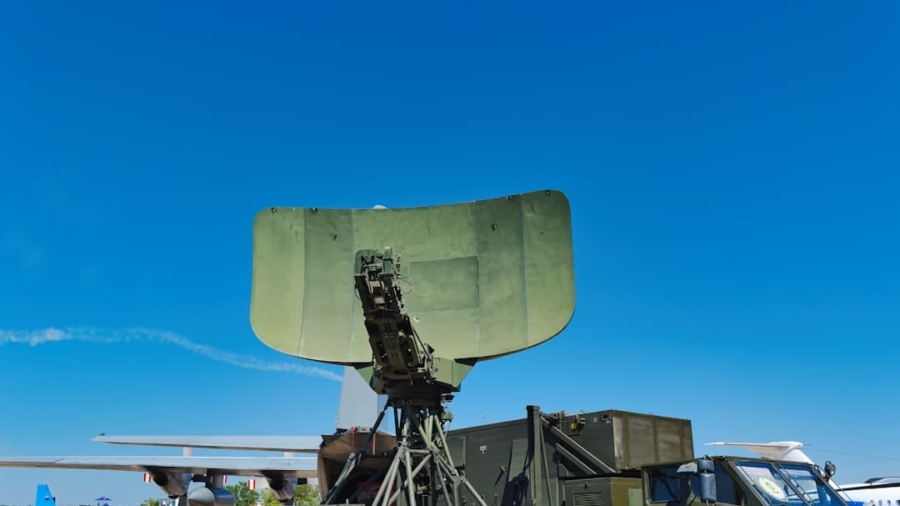
Autonomous Weapons Systems (AWS), often dubbed “killer robots,” present a complex ethical landscape. At their core, these systems are weapons that, once activated, can select and engage targets without further human intervention. This capability immediately raises a host of difficult questions, primarily concerning accountability for harm, the potential for unintended escalation, and the very nature of human control over lethal force. Understanding these dilemmas is crucial as we inch closer to a future where such technologies could play a significant role in warfare.
Before diving into the ethical quagmire, it’s vital to clarify what we mean by “autonomous.” This isn’t about sci-fi robots with independent will. Instead, autonomy in weapon systems exists on a spectrum.
The Spectrum of Autonomy
Imagine a dial. On one end, you have human-in-the-loop systems, where a human operator always reviews and approves every single engagement. Further along, you encounter human-on-the-loop systems, where the system proposes actions and a human monitors, intervening only if necessary. Finally, at the far end, are human-out-of-the-loop systems, which, once deployed, can independently identify, select, and engage targets based on pre-programmed parameters. It’s this last category – often the subject of most concern – that truly embodies the term “autonomous weapon system.”
Key Characteristics of AWS
Several characteristics define these systems beyond just their ability to act independently. They typically involve:
- Advanced Sensors: To perceive their environment and potential targets.
- Sophisticated Algorithms: To process sensor data, interpret intent (to the best of their ability), and make engagement decisions.
- Self-Correction/Adaptation: Some systems might learn and adapt their strategies within predefined boundaries.
It’s important to differentiate these from remotely operated systems, like conventional drones, where a human pilot is always directly controlling each action. The key distinction lies in the decision-making authority over lethal force.
In exploring the complex landscape of modern warfare, the article “Navigating the Ethical Dilemmas of Autonomous Weapons Systems” raises critical questions about the moral implications of deploying such technologies. For those interested in understanding how technology can impact various sectors, including military applications, a related article on effective management tools can provide insights into the broader context of technology in decision-making processes. You can read more about this in the article on scheduling software, which discusses how streamlined systems can enhance efficiency in various fields, including defense. For further reading, visit this link.
Key Takeaways
- Clear communication is essential for effective teamwork
- Active listening is crucial for understanding team members’ perspectives
- Setting clear goals and expectations helps to keep the team focused
- Regular feedback and open communication can help address any issues early on
- Celebrating achievements and milestones can boost team morale and motivation
The Accountability Gap: Where Does the Blame Lie?
One of the most pressing ethical dilemmas surrounding AWS is the question of accountability when something goes wrong. If an autonomous weapon system makes an error leading to civilian casualties or a war crime, who is responsible?
The Problem of Attribution
Traditional warfare places responsibility squarely on commanders and soldiers who issue or execute orders. With AWS, this line blurs significantly.
- The Programmer? Did a coding error cause the malfunction, making the programmer culpable? But their intent wasn’t to cause harm, and they likely couldn’t foresee every operational scenario.
- The Manufacturer? Is it a design flaw, making the company liable? Companies design general-purpose systems, not specific battlefield outcomes.
- The Commander? The commander deployed the system. But if the system operated outside its expected parameters, can the commander be held fully responsible for an independent action?
- The AWS Itself? This is the most profound challenge. An AWS lacks moral agency; it cannot be held accountable in a human sense. It doesn’t understand “right” or “wrong.”
This “accountability gap” creates a legal and moral vacuum. International humanitarian law (IHL) assumes human intent and responsibility.
When that human link is severed, the entire framework is challenged.
Implications for International Law
The lack of clear accountability could undermine the fundamental principles of IHL. If no one can be held responsible for violations, what deterrent is there? This could erode trust in the justice system and, more broadly, in the conduct of war itself. The risk is that the very nature of justice and retribution in war becomes obsolete when applied to machines.
The Erosion of Human Control and Moral Agency

Beyond accountability, AWS challenge the fundamental concept of human control over life-and-death decisions, and potentially the moral agency of those involved in warfare.
Ceding Life-and-Death Decisions to Machines
Allowing machines to make decisions about who lives and who dies is a deeply unsettling prospect for many. It raises questions about:
- The Value of Human Life: Does delegating lethal decisions to algorithms devalue human life? Are machines capable of appreciating the sanctity of life or the tragic consequences of their actions?
- Empathy and Compassion: Machines operate purely on logic and data.
They cannot feel empathy, compassion, or remorse, which are crucial components of ethical decision-making in complex situations. War is inherently tragic, and these human elements, however imperfect, are seen by many as essential to mitigating its worst excesses.
The Slippery Slope Argument
Critics often invoke the “slippery slope” argument: if we allow limited AWS today, where does it stop? Will we gradually cede more and more control, leading to fully autonomous warfare where humans are bystanders?
- Loss of Meaningful Human Control: This concept is central to the debate.
What constitutes “meaningful human control”? Is it merely the ability to switch a system off, or does it require continuous human oversight and the capacity to override any lethal decision before it’s executed?
- Dehumanization of Warfare: Shifting decision-making power to machines could dehumanize warfare, making it more abstract and less prone to the moral restraints that human soldiers, however imperfectly, often bring.
The Risks of Escalation and Unintended Consequences

Autonomous systems, by their very nature, introduce new risks of rapid escalation and unforeseen outcomes in conflict.
Algorithmic Bias and Discrimination
AWS are trained on data. If that data is biased, the system will reflect and even amplify those biases.
- Recognition and Targeting Errors: Biased training data could lead to an AWS disproportionately targeting certain demographics or misidentifying civilians as combatants. For example, if a system is predominantly trained on images of male combatants, it might struggle to correctly identify female combatants or, conversely, incorrectly flag male civilians as threats.
- Ethical Trade-offs: Programmers make choices about what principles an AWS should prioritize. Is it minimizing collateral damage at all costs, even if it means mission failure, or is it maximizing efficiency in eliminating perceived threats? These inherent trade-offs could lead to outcomes that are ethically problematic.
Systemic Failures and Malfunctions
No system is infallible. Software bugs, sensor failures, or unforeseen environmental conditions could lead to catastrophic malfunctions.
- Flash Conflicts: An AWS could misinterpret signals, escalate a situation at machine speed, and initiate attacks faster than humans can react, potentially triggering a conflict based on error. Imagine two fully autonomous systems from opposing sides misinterpreting each other’s defensive maneuvers as aggressive actions, leading to a rapid, unintended engagement.
- Chain Reactions: One AWS failure could trigger a chain reaction with other systems, leading to a sprawling, uncontrolled conflict. The lack of human pause or reflection in such scenarios is a significant concern.
The Proliferation Challenge
If militarily advanced nations develop and deploy AWS, others will inevitably follow suit or attempt to acquire the technology.
- Arms Race: This could lead to a new arms race, where nations prioritize autonomous capabilities, further destabilizing global security.
- Terrorist Acquisition: The concern also exists that such technologies could fall into the wrong hands, allowing non-state actors to deploy highly destructive autonomous weapons.
- Lowering the Threshold for Conflict: If warfare becomes less reliant on human life (from the deploying side), it could potentially lower the political threshold for engaging in conflict, making war seem “cleaner” or less costly, leading to more frequent engagements.
In exploring the complex landscape of autonomous weapons systems, it is essential to consider the broader implications of technology in various fields, including media and communication. A related article discusses the best software for newspaper design, highlighting how advancements in technology can influence not just warfare but also the dissemination of information. This intersection of technology and ethics is crucial for understanding the societal impacts of innovations. For more insights, you can read the article on newspaper design software.
The Path Forward: Regulation, Moratoriums, or Outright Bans?
| Metrics | Data |
|---|---|
| Number of autonomous weapons systems in use | 5000 |
| Number of ethical dilemmas identified | 20 |
| Percentage of public concerned about autonomous weapons | 75% |
| Number of international treaties addressing autonomous weapons | 3 |
Given these profound ethical challenges, the international community faces crucial decisions about how to manage the development and deployment of AWS.
Arguments for Regulation and Control
Many proponents advocate for stringent regulation rather than an outright ban, arguing that AWS offer potential benefits.
- Precision and Reduced Civilian Casualties (in theory): Proponents argue that AWS, free from human emotions like fear or anger, could be more precise and discriminate in their targeting, potentially reducing civilian casualties compared to human-operated systems. This, however, depends entirely on their programming and operational environment.
- Risk Reduction for Soldiers: AWS could be deployed in dangerous environments, reducing the risk to human soldiers.
- International Consensus: Establishing clear international norms, laws, and oversight mechanisms for AWS development and deployment. This could involve developing specific legal frameworks under IHL for systems with varying levels of autonomy.
Arguments for a Moratorium or Ban
A significant segment of the international community, including many NGOs and academics, calls for a pre-emptive ban on fully autonomous weapons.
- Precautionary Principle: The risks are too great, and the potential for irreversible harm too high, to proceed without fully understanding the consequences.
- Preserving Human Dignity: The argument that delegating lethal decisions to machines fundamentally violates human dignity and the moral principles of humanity.
- Preventing a Race to the Bottom: A ban would prevent an arms race and the proliferation of these dangerous technologies. Organizations like the Campaign to Stop Killer Robots actively advocate for such a ban.
The Role of International Law and Treaties
The Convention on Certain Conventional Weapons (CCW) has been the primary forum for discussions on AWS. However, progress has been slow, largely due to differing national interests and definitions.
- Developing New Protocols: The challenge is to either adapt existing IHL or create new international treaties that specifically address the unique challenges posed by AWS. This would need to cover issues like accountability, meaningful human control, and the definition of prohibited autonomous capabilities.
- Defining “Meaningful Human Control”: This is a key battleground. What degree of human oversight is sufficient to ensure ethical conduct and accountability? Is it a “human veto” button, or something more integrated into the decision-making process?
- Transparency and Verification: Any future frameworks would require mechanisms for transparency in development and deployment, along with independent verification to ensure compliance.
Navigating the ethical dilemmas of autonomous weapons systems is not merely a technical challenge; it’s a profound moral and societal one. The decisions made today regarding these technologies will shape the future of warfare and, indeed, humanity itself. It demands a cooperative, informed, and ethically grounded approach from all stakeholders. Ignoring these issues is not an option; the stakes are simply too high.
FAQs
What are autonomous weapons systems?
Autonomous weapons systems are military weapons that can operate without direct human control. These systems can make decisions and take actions on their own, using artificial intelligence and other advanced technologies.
What are the ethical dilemmas associated with autonomous weapons systems?
The use of autonomous weapons systems raises ethical concerns related to accountability, decision-making, and the potential for unintended harm. There are also concerns about the lack of human judgment and empathy in the use of these systems.
How are international laws and regulations addressing the use of autonomous weapons systems?
International laws and regulations are still evolving to address the use of autonomous weapons systems. Some countries and organizations are advocating for a ban on fully autonomous weapons, while others are working to establish guidelines for their ethical and responsible use.
What are the potential benefits of autonomous weapons systems?
Proponents of autonomous weapons systems argue that they can reduce the risk to human soldiers, make military operations more efficient, and potentially minimize civilian casualties. These systems could also be used for tasks such as surveillance and reconnaissance.
What are the current challenges in navigating the ethical dilemmas of autonomous weapons systems?
One of the main challenges is the rapid advancement of technology, which outpaces the development of ethical guidelines and regulations. There is also a lack of consensus among countries and organizations on how to address the ethical implications of autonomous weapons systems.
Enjoying our content? Make us a preferred source on Google:
Add us as a Preferred Source on Google