

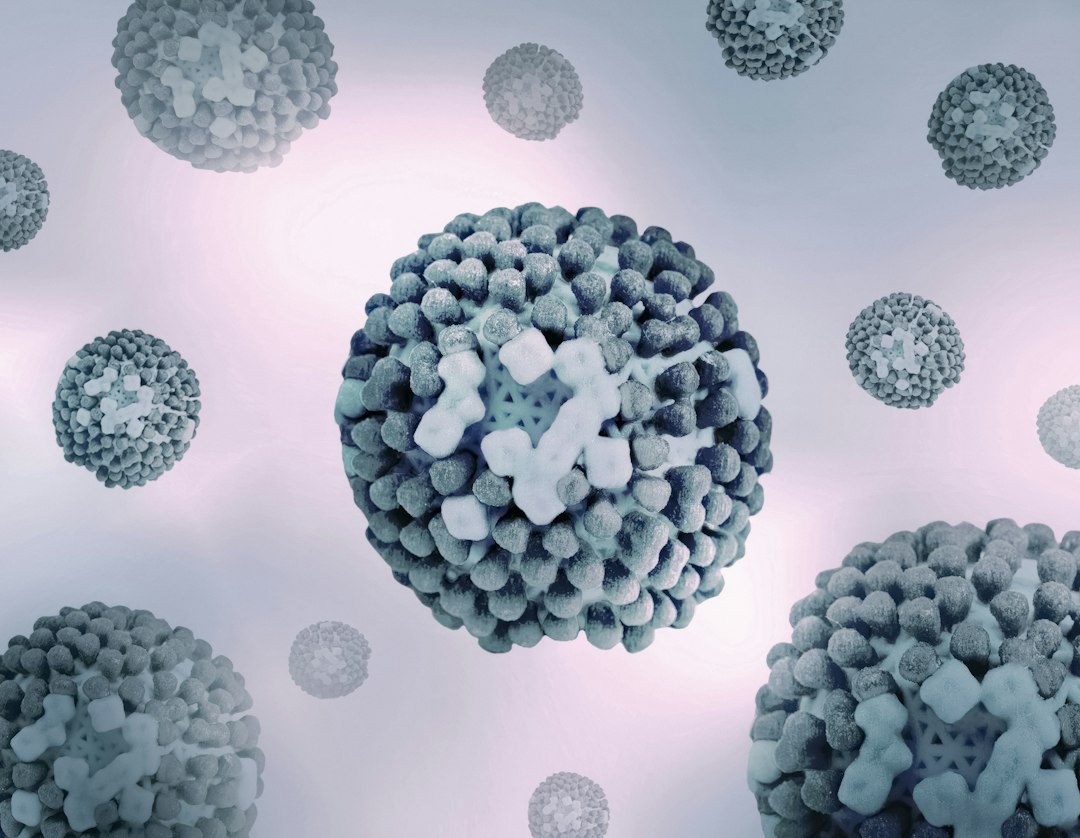
mRNA technology is making waves beyond just infectious disease vaccines. While its rapid success with COVID-19 shots put it on the map, the real excitement in the scientific community has always extended much further, particularly into areas like personalized cancer immunotherapy and treatments for autoimmune diseases. The core idea is simple yet powerful: mRNA acts as a set of instructions, telling our cells to produce specific proteins. In the case of vaccines, it’s a viral protein to train our immune system. But with cancer and autoimmunity, it’s about instructing cells to make therapeutic proteins – be it tumor-specific antigens to provoke an immune attack, or regulatory proteins to calm an overactive immune response. This flexibility and precision are what make mRNA a game-changer in these complex medical fields.
The Foundation: How mRNA Therapy Actually Works
At its heart, mRNA therapy leverages our body’s own protein-making machinery. Think of mRNA as a temporary message, like a sticky note, rather than a permanent instruction manual. Our cells contain ribosomes, which are essentially tiny protein factories. When an mRNA molecule enters a cell, it’s read by these ribosomes, which then assemble amino acids into the specific protein encoded by that mRNA.
Once the protein is made, the mRNA message naturally degrades within hours or a few days – it doesn’t integrate into our DNA or alter our genetic code.
This transient nature is a key safety feature.
Designing the mRNA Blueprint
Creating an mRNA therapeutic isn’t just about copying a natural mRNA sequence. Scientists meticulously design these synthetic mRNA molecules to optimize their effectiveness and stability. This involves several critical modifications. For instance, the sequence often includes “untranslated regions” (UTRs) at both ends that help improve how efficiently the mRNA is translated into protein and how long it lasts in the cell. The “cap” at the beginning of the mRNA is crucial for recognition by ribosomes and protecting the molecule from degradation. Similarly, the “poly-A tail” at the end, a long string of adenine nucleotides, also contributes to stability and translation efficiency. Modifications to the actual nucleotides within the mRNA sequence, such as replacing uridine with pseudouridine, can significantly reduce the mRNA’s tendency to trigger an inflammatory response from the immune system, which is vital for safe and effective delivery.
Delivering the Message: Lipid Nanoparticles
One of the biggest hurdles in mRNA therapy has been getting the fragile mRNA molecule safely inside cells without it being destroyed by enzymes in the bloodstream or triggering an unwanted immune reaction. This is where lipid nanoparticles (LNPs) come in. Imagine tiny, oily bubbles. These LNPs encapsulate the mRNA, protecting it from degradation. They’re designed with specific lipids that allow them to fuse with cell membranes, effectively “dropping off” their mRNA payload inside the cell. The composition of these LNPs is carefully engineered to ensure efficient delivery to the target cells or tissues, minimize toxicity, and avoid excessive immune activation. This sophisticated delivery system was a crucial breakthrough for the success of mRNA vaccines and is equally important for its therapeutic applications.
In exploring the advancements of mRNA technology beyond infectious vaccines, a related article discusses the best software for fault tree analysis, which can be crucial in assessing risks associated with new therapeutic approaches, including personalized cancer immunotherapy and autoimmune treatments. Understanding potential failures in these innovative therapies can enhance their development and implementation. For more information on this topic, you can read the article here: Best Software for Fault Tree Analysis in 2023.
Key Takeaways
- The training data includes information and events up to October 2023.
- Insights and knowledge are based on a wide range of sources available until the cutoff date.
- No updates or developments occurring after October 2023 are included in the training.
- Users should verify current information from reliable sources for the latest updates.
- The model’s responses reflect the context and knowledge available up to the specified date.
Personalized Cancer Immunotherapy: A Tailored Attack
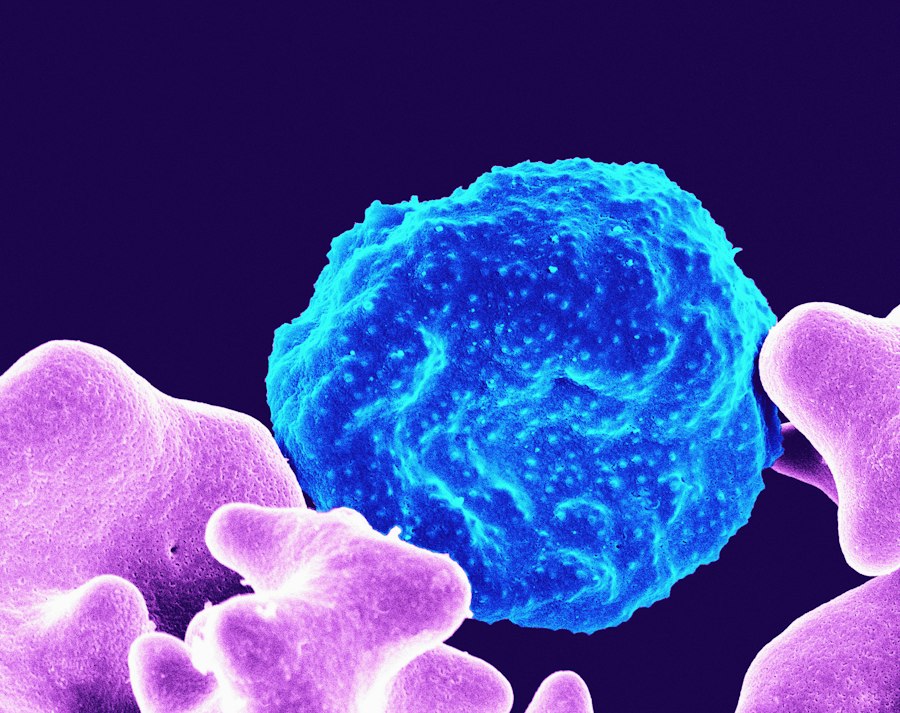
Cancer is a highly personal disease. Each tumor is unique, even within the same patient, mutating and evolving. This inherent variability makes traditional, one-size-fits-all treatments often ineffective in the long run.
Personalized cancer immunotherapy using mRNA offers a way to custom-design treatments that specifically target a patient’s own tumor, essentially training their immune system to recognize and destroy cancer cells.
Neoantigens: The Tumor’s Unique Fingerprint
The core concept behind mRNA cancer vaccines is “neoantigens.” When a tumor grows, it accumulates mutations in its DNA. Some of these mutations lead to the production of abnormal proteins that are unique to the cancer cells and not found in healthy cells. These unique abnormal proteins, or fragments of them, are called neoantigens. They act as distinct flags on the surface of cancer cells that the immune system, in theory, could recognize as foreign. However, often the immune system doesn’t mount a strong enough response on its own. The goal of mRNA personalized cancer vaccines is to specifically educate and activate T-cells (a type of immune cell) to recognize and attack cells displaying these particular neoantigens.
The Biopsy-to-Vaccine Pipeline
The process of creating a personalized mRNA cancer vaccine is quite involved and highlights the “personalized” aspect. It typically starts with a biopsy of the patient’s tumor. This tissue sample, along with a sample of the patient’s healthy blood cells, is then sent for sophisticated genetic sequencing. Scientists compare the DNA sequences from the tumor and the healthy cells to identify all the unique mutations present in the cancer. Computational algorithms are then used to predict which of these mutations are most likely to generate neoantigens that can be presented on the surface of cancer cells in a way that will strongly activate T-cells.
Based on these predictions, a custom mRNA sequence is synthesized. This mRNA contains instructions for the patient’s cells to produce several of these specific neoantigens (typically 10-20 different ones). This personalized mRNA is then packaged into lipid nanoparticles and administered to the patient, often as an injection. The patient’s own cells then translate this mRNA, produce the neoantigens, and present them to the immune system. This acts like a highly specific “wanted poster,” prompting the immune system to generate a powerful and targeted T-cell response against any cells displaying those same neoantigens – namely, the patient’s cancer cells.
Challenges and Promise in Cancer Therapy
While the promise of personalized mRNA cancer vaccines is immense, there are still significant challenges. One is the complexity and cost of the manufacturing process, given that each vaccine is custom-made for an individual patient. Another is ensuring that the chosen neoantigens are indeed potent enough to elicit a strong and durable immune response. Tumors are also adept at developing ways to evade the immune system, even when it’s activated. This is why these mRNA vaccines are often explored in combination with other immunotherapies, like checkpoint inhibitors, which help release the brakes on the immune system, allowing it to better attack cancer cells. Despite these hurdles, ongoing clinical trials are showing encouraging results, particularly in melanoma and pancreatic cancer, demonstrating the potential for durable responses and reduced recurrence rates in some patients.
Autoimmune Treatments: Rebalancing the Immune System
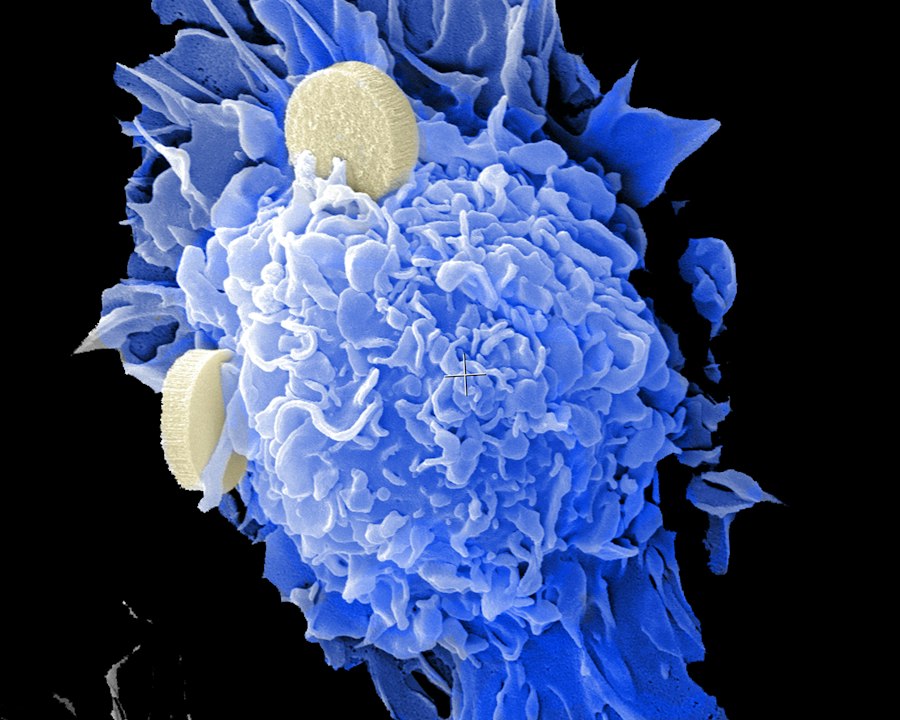
In autoimmune diseases, the immune system mistakenly attacks the body’s own healthy tissues. Conditions like multiple sclerosis, rheumatoid arthritis, and type 1 diabetes are all characterized by this inappropriate immune response. Current treatments often involve broad immunosuppression, which can leave patients vulnerable to infections.
mRNA technology offers a more targeted approach: instead of globally suppressing the immune system, it aims to “retrain” or “rebalance” it to stop attacking specific self-antigens.
Inducing Immune Tolerance
The key concept here is “immune tolerance.” This means teaching the immune system not to react to specific proteins (self-antigens) that it has mistakenly identified as threats. With mRNA, this could be achieved by delivering mRNA that encodes for these specific self-antigens. When these self-antigens are presented to the immune system in a particular way – often by non-immune cells or in the absence of inflammatory signals – it can lead to tolerance rather than activation.
One promising strategy involves using mRNA to deliver the self-antigen to specific types of cells, like liver cells or antigen-presenting cells that have been modified to promote tolerance.
When these cells present the self-antigen, they can induce regulatory T-cells (Tregs). Tregs are crucial for maintaining immune homeostasis and preventing autoimmunity; they act as the immune system’s peacekeepers, suppressing unwanted immune responses. By generating more Tregs specific to the self-antigen, the aim is to dampen or switch off the autoimmune attack.
mRNA for Type 1 Diabetes and Multiple Sclerosis
Let’s look at a couple of examples.
In type 1 diabetes, the immune system destroys insulin-producing beta cells in the pancreas. One mRNA strategy involves delivering mRNA that encodes for proteins found on these beta cells (e.g., proinsulin or GAD65). The goal is to induce tolerance to these beta-cell specific antigens, thereby preventing the immune system from attacking the remaining or newly transplanted beta cells.
Similarly, in multiple sclerosis (MS), the immune system attacks the myelin sheath, which insulates nerve fibers.
mRNA could be used to deliver myelin-specific antigens. The hope is to desensitize the immune system to myelin, preventing further damage to the nervous system. The advantage of mRNA in this context is its transient nature; it doesn’t permanently alter the genome, and the dose can be controlled.
This allows for careful titration of the immune response, aiming for tolerance without complete immunosuppression.
Beyond Antigen Delivery: Therapeutic Protein Production
Another avenue for autoimmune diseases is using mRNA to deliver instructions for producing therapeutic proteins in situ. For example, mRNA could encode for anti-inflammatory cytokines or other immune-modulating proteins. Imagine delivering mRNA that tells cells in a specific inflamed joint (in rheumatoid arthritis) to produce a localized anti-inflammatory protein, rather than having to administer a systemic drug that affects the entire body.
This could lead to more precise and fewer side-effect-laden treatments. The ability of mRNA to transiently produce high levels of a desired protein at a specific site offers a powerful tool for localized immunomodulation.
mRNA Beyond Immunity: Gene Editing and Regenerative Medicine
The versatility of mRNA technology extends even beyond directly modulating the immune system. Its ability to instruct cells to make any protein for a limited time opens doors for gene editing, protein replacement therapies, and regenerative medicine.
Transient Gene Editing with mRNA
While CRISPR-Cas9 is a powerful gene-editing tool, delivering the Cas9 enzyme and its guide RNA into cells can be challenging. Traditionally, viral vectors are used, but these can have limitations, including potential immunogenicity and insertional mutagenesis (the gene editing machinery integrating into the host genome). mRNA offers an elegant solution for delivering the Cas9 enzyme. By providing the instructions for Cas9 as mRNA, the cell produces the enzyme temporarily. Once the editing is done, the mRNA and the Cas9 enzyme naturally degrade, reducing the risk of off-target effects and avoiding permanent genomic alterations from the delivery vehicle itself. This transient expression is a significant advantage for precise gene editing applications, making it safer and potentially more controllable. This approach is being explored for correcting genetic mutations in diseases like cystic fibrosis or sickle cell anemia.
Protein Replacement Therapy
Many diseases are caused by the body’s inability to produce a specific essential protein, such as in certain genetic disorders or enzyme deficiencies. Instead of repeatedly administering the protein itself (which can be costly and have a short half-life), mRNA could provide a more sustained and physiological way to deliver it. For example, if a patient lacks a particular enzyme, mRNA encoding that enzyme could be delivered to appropriate cells, instructing them to produce the missing enzyme. This could be particularly impactful for lysosomal storage disorders or hemophilia, where patients lack specific functional proteins required for normal bodily function. The body would essentially become its own “drug factory” for the missing protein, under the transient instruction of the mRNA.
Regenerative Medicine Applications
In regenerative medicine, the goal is often to stimulate tissue repair or growth. mRNA can be engineered to deliver instructions for growth factors, transcription factors, or other signaling molecules that promote cell differentiation or tissue regeneration. For instance, imagine using mRNA to deliver factors that encourage the growth of new blood vessels in ischemic tissues (where blood supply is restricted) or to stimulate cartilage repair in damaged joints. This could potentially reduce the need for complex surgeries or provide alternatives for conditions where current treatments are limited. The temporary nature of mRNA expression is again beneficial here, allowing for controlled bursts of protein production to kickstart a regenerative process without leading to uncontrolled growth.
The advancements in mRNA technology are paving the way for innovative treatments beyond infectious diseases, particularly in the realm of personalized cancer immunotherapy and autoimmune disorders. A related article discusses the transformative potential of mRNA in various therapeutic applications, highlighting how this technology can be harnessed to tailor treatments to individual patient needs. For those interested in exploring more about cutting-edge tools that can enhance research in this field, you might find the insights in this article particularly valuable.
The Road Ahead: Overcoming Hurdles and Expanding Horizons
| Application Area | Key Metric | Value/Description | Source/Notes |
|---|---|---|---|
| Personalized Cancer Immunotherapy | Number of Neoantigens Targeted | 10-20 per patient | Typical range for mRNA vaccines targeting tumor-specific mutations |
| Personalized Cancer Immunotherapy | Response Rate in Clinical Trials | 30-50% | Partial or complete tumor regression observed in early phase trials |
| Autoimmune Treatments | Reduction in Autoimmune Activity | Up to 60% decrease in inflammatory markers | Measured by cytokine levels and symptom improvement |
| Autoimmune Treatments | Duration of Effect | Several months | Based on current mRNA therapy trial data |
| mRNA Vaccine Delivery | Typical Dosage | 50-100 micrograms per dose | Varies by application and patient-specific factors |
| Manufacturing Time | From Sequence Identification to Vaccine | 3-6 weeks | Enables rapid personalization for cancer immunotherapy |
| Safety Profile | Severe Adverse Events | Based on early clinical trial data for non-infectious mRNA therapies |
Despite the incredible progress and potential, mRNA technology is still relatively young, and there are several hurdles to overcome for its widespread application beyond infectious disease vaccines.
Manufacturing and Cost
Developing personalized mRNA therapies, especially for cancer, requires a highly individualized and complex manufacturing process. Each batch is essentially unique to a single patient, which drives up production costs significantly compared to mass-produced vaccines. Scaling this up and making it economically viable for a broader patient population remains a major challenge. Advances in automation and modular manufacturing could help bring these costs down over time.
Delivery and Stability Refinements
While lipid nanoparticles have been revolutionary, researchers are continuously working on improving delivery systems. The goal is to achieve even more precise targeting to specific cell types or organs, reduce off-target effects, and enhance the stability of the mRNA within the body. Different LNP compositions, or even entirely new delivery vehicles, are under investigation to optimize tissue tropism and reduce immunogenicity of the delivery system itself. For some applications, sustained release of mRNA or proteins for longer periods might also be desirable, prompting research into advanced biomaterials.
Regulatory Pathways and Clinical Translation
Navigating the regulatory landscape for these novel mRNA therapeutics, particularly personalized ones, is complex. Regulatory agencies need to establish clear guidelines for safety, efficacy, and manufacturing quality control for these cutting-edge treatments. Bringing these therapies from the lab to widespread clinical use requires rigorous clinical trials to demonstrate their safety and efficacy in diverse patient populations. Establishing standardized protocols for personalized therapies, from sample collection to vaccine administration and monitoring, is also crucial.
The journey of mRNA technology is just beginning. What started as a promising concept has already delivered life-saving vaccines and is now poised to revolutionize how we treat some of our most challenging diseases. Its adaptability, precision, and transient nature make it a powerful platform with applications that extend far beyond what many initially imagined, offering a future of highly personalized and effective medical interventions.
FAQs
What is mRNA technology and how does it work in cancer immunotherapy?
mRNA technology involves using messenger RNA to instruct cells to produce specific proteins that can trigger an immune response. In cancer immunotherapy, mRNA can be designed to encode tumor-associated antigens, prompting the immune system to recognize and attack cancer cells. This approach aims to enhance the body’s natural defenses against tumors by training immune cells to identify and destroy malignant cells more effectively.
How does personalized cancer immunotherapy using mRNA differ from traditional treatments?
Personalized cancer immunotherapy using mRNA is tailored to the individual patient’s tumor profile, allowing for a more targeted approach compared to traditional treatments like chemotherapy or radiation, which often affect both healthy and cancerous cells. By focusing on the unique mutations present in a patient’s cancer, mRNA therapies can potentially improve efficacy and reduce side effects, leading to better outcomes for patients.
What are some potential applications of mRNA technology in treating autoimmune diseases?
mRNA technology holds promise for treating autoimmune diseases by potentially reprogramming the immune system to reduce its attack on the body’s own tissues. For example, mRNA can be used to produce proteins that promote tolerance to specific antigens, thereby mitigating the autoimmune response. This innovative approach could lead to more effective and safer treatments for conditions like rheumatoid arthritis and multiple sclerosis.
What are the challenges associated with developing mRNA therapies for cancer and autoimmune diseases?
Challenges in developing mRNA therapies include ensuring the stability and delivery of mRNA molecules to target cells effectively, as well as managing the immune response to the mRNA itself. Additionally, identifying the right antigens for personalized therapies and conducting extensive clinical trials to establish safety and efficacy are critical hurdles that researchers must overcome before widespread adoption.
Are there any current clinical trials or studies focusing on mRNA therapies for cancer and autoimmune conditions?
Yes, there are numerous ongoing clinical trials investigating the use of mRNA therapies for both cancer and autoimmune diseases. These studies aim to evaluate the safety, efficacy, and optimal dosing of mRNA-based treatments. As research progresses, results from these trials will provide valuable insights into the potential of mRNA technology in these therapeutic areas.
Enjoying our content? Make us a preferred source on Google:
Add us as a Preferred Source on Google